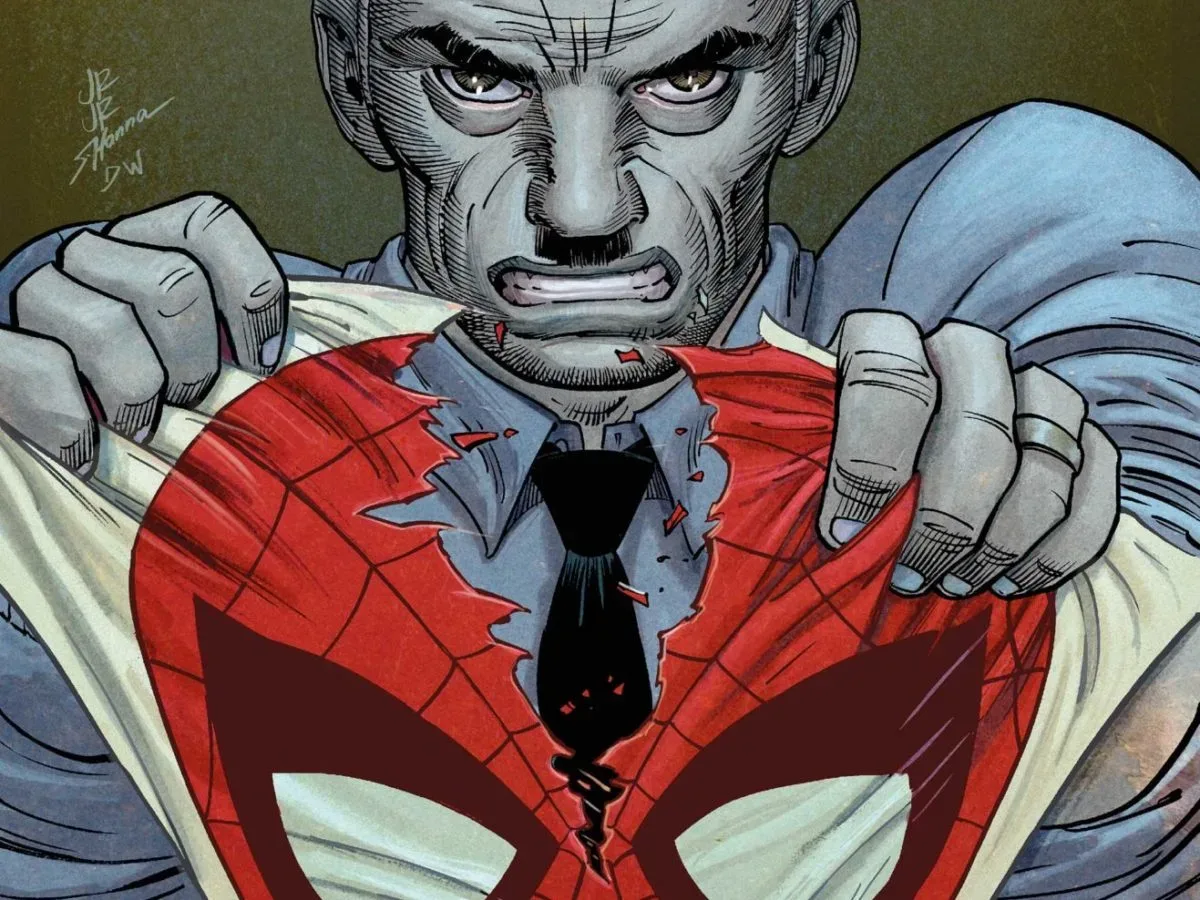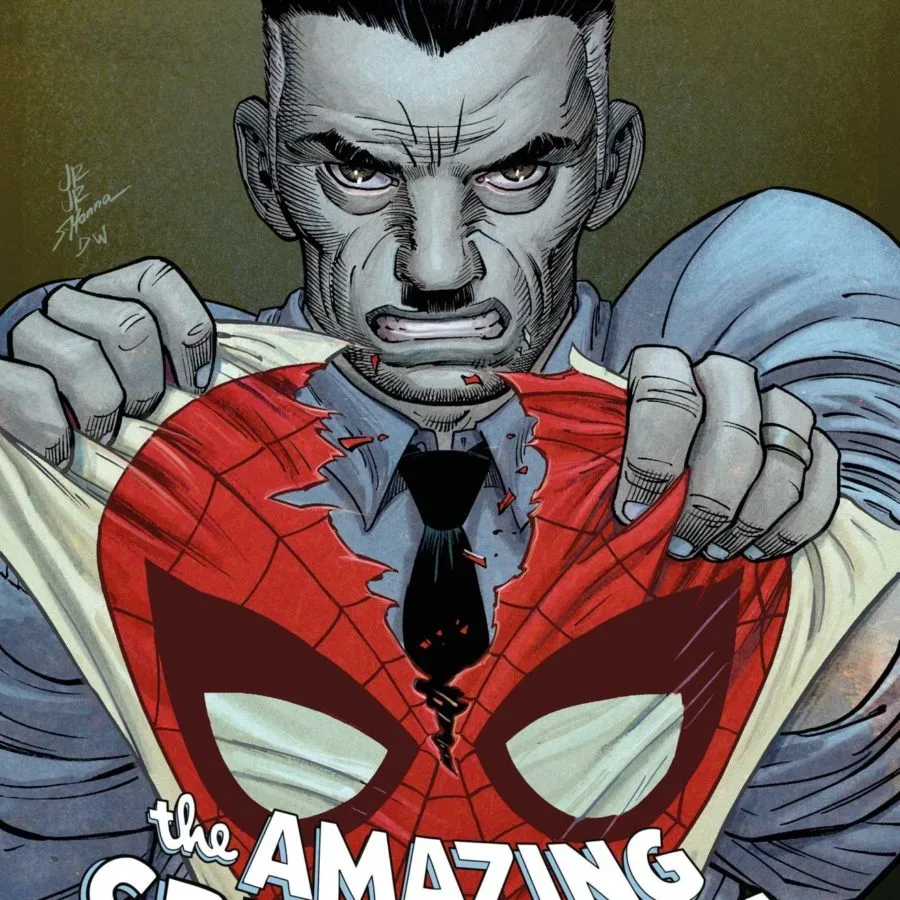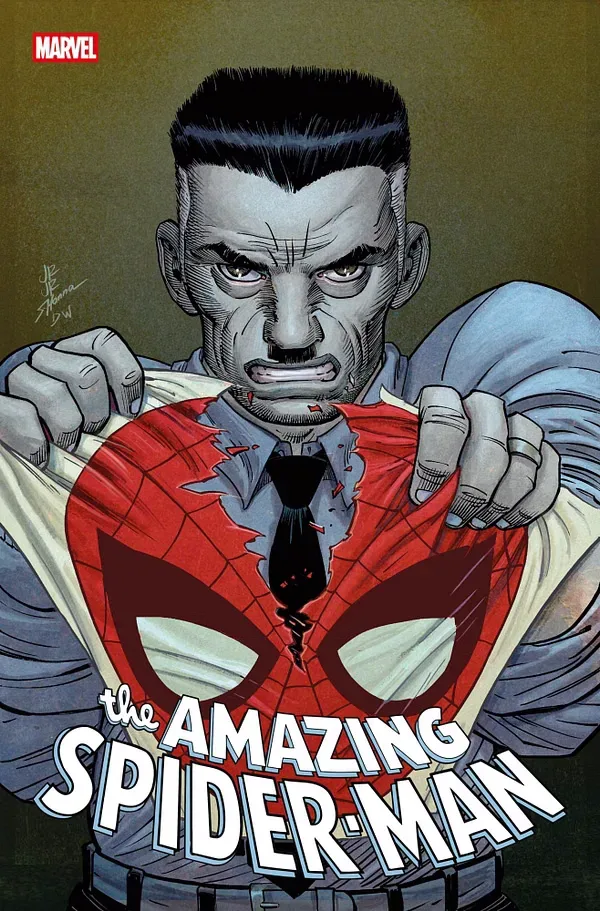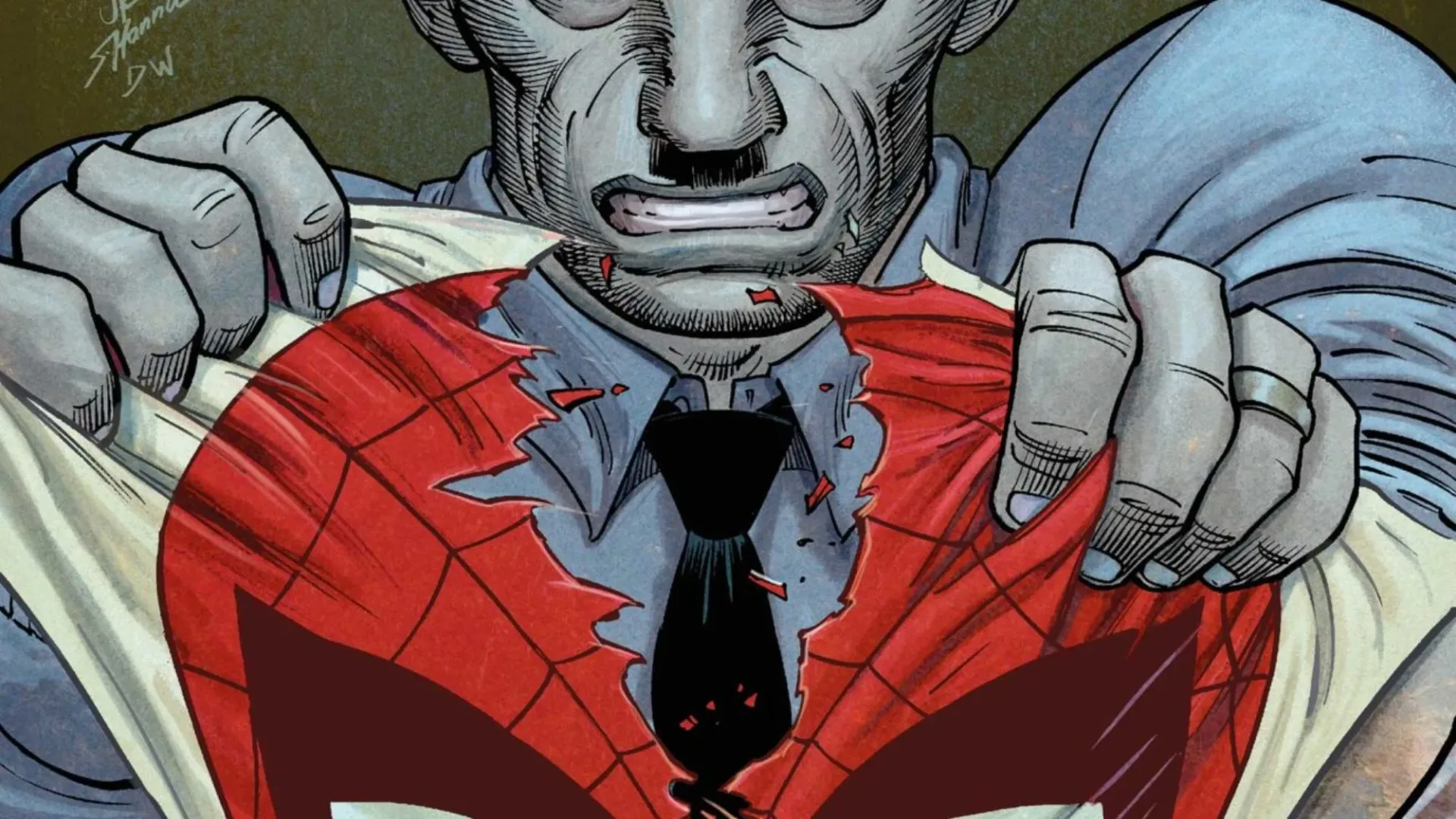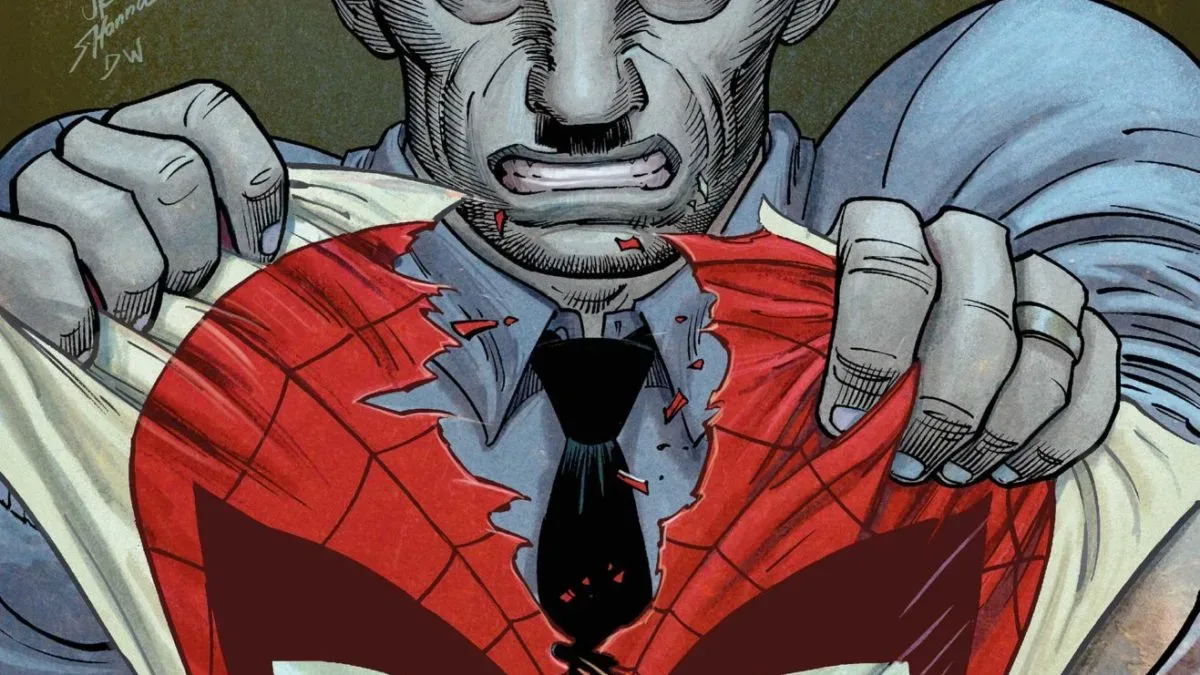
Amazing Spider-Man #1003 was the top-selling comic in a closely contested week of direct-market comic-shop sales covering November 10-17, 2026. Marvel occupied the first four positions with Amazing Spider-Man #1003, Daredevil #9, Avengers #1, and X-Men #41, but the more revealing detail is how little daylight separated many of the biggest releases.
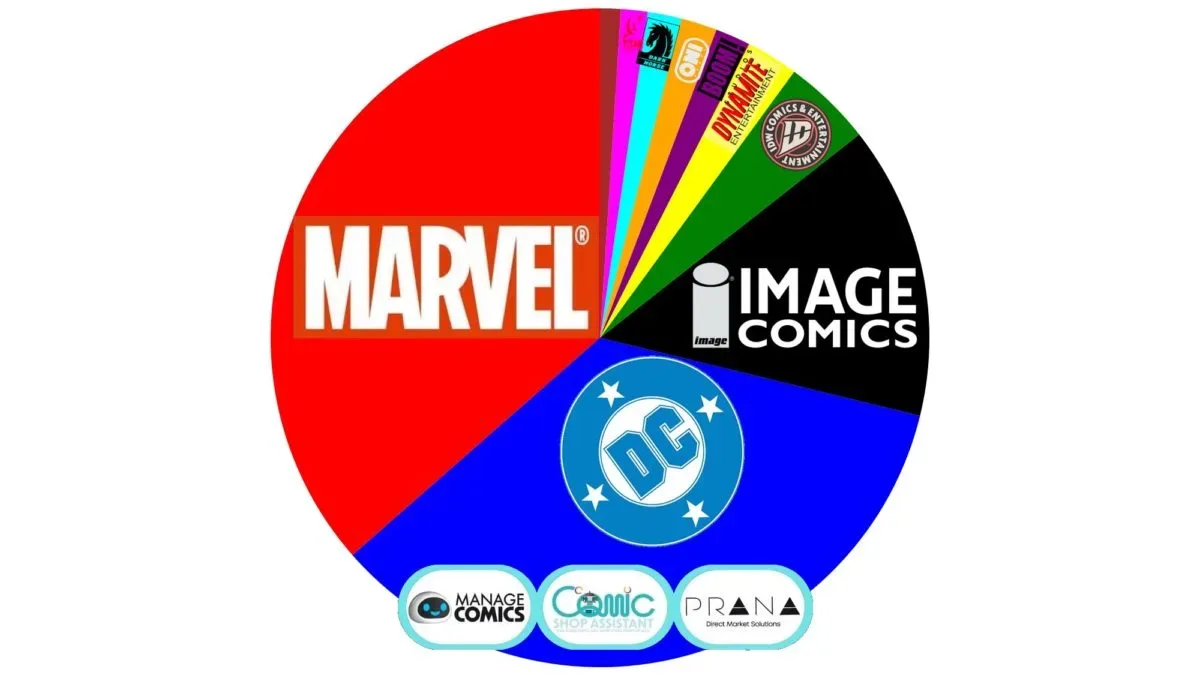
The chart uses point-of-sale data from more than 600 comic shops participating through the Manage Comics and Comic Shop Assistant systems. In plain language, point-of-sale data records what retailers actually sold during the week, rather than simply measuring how many copies were ordered before release. It is a meaningful view of brick-and-mortar demand, but it is not a complete census of every comic retailer or every way readers buy comics.
Among an estimated 1,800 to 2,000 shops ordering through the direct market, the participating sample represents a substantial portion, not the entire marketplace. It also cannot by itself describe digital performance, bookstore sales, library circulation, overseas sales, or the reasons behind a given purchase. That distinction matters when reading a sales chart: it is a snapshot of one important retail channel, not a final popularity scoreboard for every comic reader everywhere.
The top 10 for November 10-17
- Amazing Spider-Man #1003 — Marvel — 100.00%
- Daredevil #9 — Marvel — 89.46%
- Avengers #1 — Marvel — 83.10%
- X-Men #41 — Marvel — 74.92%
- Transformers #38 — Image — 69.84%
- Teen Titans #3 — DC — 69.30%
- Doom Patrol #3 — DC — 69.84%
- Predator Vs. Punisher #1 — Marvel — 68.53%
- Captain America #17 — Marvel — 67.67%
- Legion Of Super-Heroes #3 — DC — 65.52%
The percentages are best read as an index, not market share. With Amazing Spider-Man #1003 fixed at 100%, Daredevil #9 reached 89.46% of the leader’s reported sales level, while Avengers #1 reached 83.10%. This makes relative gaps quickly legible without publishing unit totals.
There is an important data-reading wrinkle in the displayed top 10: Transformers #38 and Doom Patrol #3 are both shown at 69.84%, despite appearing fifth and seventh. That can happen when rounded percentages conceal small raw-sales differences, or when another ordering method sits behind the visible rounded index. Either way, readers should avoid treating two-decimal percentage figures as exact evidence of a dead heat. The rank order still places Transformers #38 ahead.
Marvel’s four-book opening, and why the margins matter
Marvel’s sweep through the top four is unmistakable. Spider-Man led, followed by Daredevil, an Avengers first issue that continued selling beyond its initial week, and X-Men. Yet this was not an instance of one release leaving the rest of the field far behind. The gap from first place to fourth was meaningful, but the cluster below was particularly compressed: fifth-place Transformers #38, sixth-place Teen Titans #3, seventh-place Doom Patrol #3, eighth-place Predator Vs. Punisher #1, and ninth-place Captain America #17 all sat between 69.84% and 67.67% of the leader.
That kind of crowding changes the useful takeaway. The story is not only that Marvel claimed the first four slots. It is also that a number of publishers and properties were competing within a narrow band immediately below them. A relatively small movement in weekly shop sales can reshuffle titles when their indexed totals are packed so tightly together.
Amazing Spider-Man #1003 also did not stand alone for the Spider-Man line. The wider 400-title list includes Amazing Spider-Man #1002, Amazing Spider-Man #1001, and Amazing Spider-Man #1000, as well as Spider-Man: Long Way Home #4, Miles Morales: Spider-Man #4, Spider-Woman #1, Friendly Neighborhood Mary Jane #1, and Midnight Spider-Man #1. The chart therefore indicates broad shelf presence for Marvel’s web-slinger-related releases during the period, although it does not establish why individual readers bought each issue.
Transformers is the week’s major non-Marvel placement
Transformers #38, published by Image, was the highest-ranking non-Marvel comic and finished above every DC title in the reporting week. That places it ahead of DC’s strongest representatives, Teen Titans #3 and Doom Patrol #3, as well as Legion Of Super-Heroes #3 in 10th.
For a weekly chart, that is the clearest publisher-versus-publisher result outside Marvel’s top-four lockout. It does not mean Image outsold DC overall across the full 400-comic list; a single title’s rank cannot answer that question without publisher-wide totals. It does establish that Transformers #38 was the individual non-Marvel book that reached the highest position in this sample.
Image had further representation in the list through titles including Odin #5, Spawn 77 #3, Crowbound #3, Karman Blade #3, G.I. Joe: A Real American Hero #334, Void Rivals #35, and Spawn #380. Elsewhere, Teenage Mutant Ninja Turtles #24, The Horror Of Godzilla: Kai-Sei Era #2, and Sonic The Hedgehog x Godzilla #4 put IDW titles in the wider lineup, while BOOM! Studios, Dark Horse, Dynamite, Oni Press, Titan Comics, Mad Cave Studios, and other publishers also appeared.
DC’s week was deep, even without the top spot
DC’s highest-ranked books were tightly positioned behind Transformers #38, and the publisher maintained visible depth beyond the top 10. The next group included Batman & Robin: Year One Dynamic Duos #4, Absolute Batman #25, Fury Of Firestorm #8, Batman #15, Barbara Gordon Breakout #7, and Clayface Celebrity Dirt #5. Absolute Superman #25, Action Comics #1104, Absolute Catwoman #4, Supergirl #19, Emperor Aquaman #23, Absolute Wonder Woman #25, and Green Lantern Corps #22 also appear in the subsequent list.
The long list also shows prior issues of several DC series still moving during the same week, including Teen Titans #1 and #2, Doom Patrol #1 and #2, and numerous earlier Absolute issues. That should not be mistaken for a direct measure of new-release demand, because the data covers sales during the stated week and can include back-issue sales. It does, however, show that retailers in the sample sold a wide cross-section of DC material rather than relying on one book alone.
Readers tracking Superman releases may also want to keep an eye on the developing Superman #44 story. In this particular sales list, Superman #199, Supergirl #19, and Action Comics #1104 were among the DC releases making the broader chart.
First issues remain a prominent part of the weekly mix
New number ones were scattered across the sales list. Marvel placed Predator Vs. Punisher #1 at eighth and also had entries such as Emperor Doom #1, Midnight X-Men #1, Midnight Fantastic Four #1, Spider-Woman #1, Infernal Hulk Vs. Spider-Man #1, The Further Adventures Of Indiana Jones #1, and Challenges Of Doom: Doctor Strange #1.
DC’s entries included DC All In Saga: Darkseid Vs. The World #1, Batman Bad Seeds: Sunrise #1, Gangs Of Gotham #1, Justice League: The Dark Realm Special #1, and Clayface #1. Other publishers had their own opening issues, including Scott Pilgrim Ex: Dawn Of Metal Scott #1 from Oni Press, My Little Pony: Friendship Is Magic 2026 #1 from BOOM! Studios, Last Driver #1 from Image, and Dungeons And Dragons #1 from Dark Horse.
A #1 can be a useful indicator of reader attention, but the chart alone does not tell us whether each title was a debut, a relaunch, a special, a one-shot, or a continuation under a new numbering scheme. It also cannot separate demand driven by story interest from collecting habits, retailer ordering decisions, variant covers, or the simple appeal of an accessible starting point. The defensible conclusion is narrower: first issues were a major feature of the week’s retail mix, but not the whole story.
What this weekly chart can and cannot tell readers
The data is especially useful for spotting which individual comics were selling in participating physical shops during a defined Monday-to-Sunday window. It shows the immediate commercial context around a release: Amazing Spider-Man #1003 was the leader, Marvel controlled the first four places, and Transformers #38 exceeded every DC book in the sample.
It is less useful for declaring an overall winner among publishers, judging long-term series health, or calculating a comic’s total audience. Those conclusions would require information not provided here, including raw unit numbers, sales from the non-participating direct-market stores, digital and bookstore figures, returns where applicable, and performance over a longer period.
Still, the November 10-17 results offer a sharp weekly picture: Spider-Man was the lead act, Marvel had the strongest opening run, and Transformers #38 was the standout challenger in a sales field where several major superhero books were separated by very slim margins.