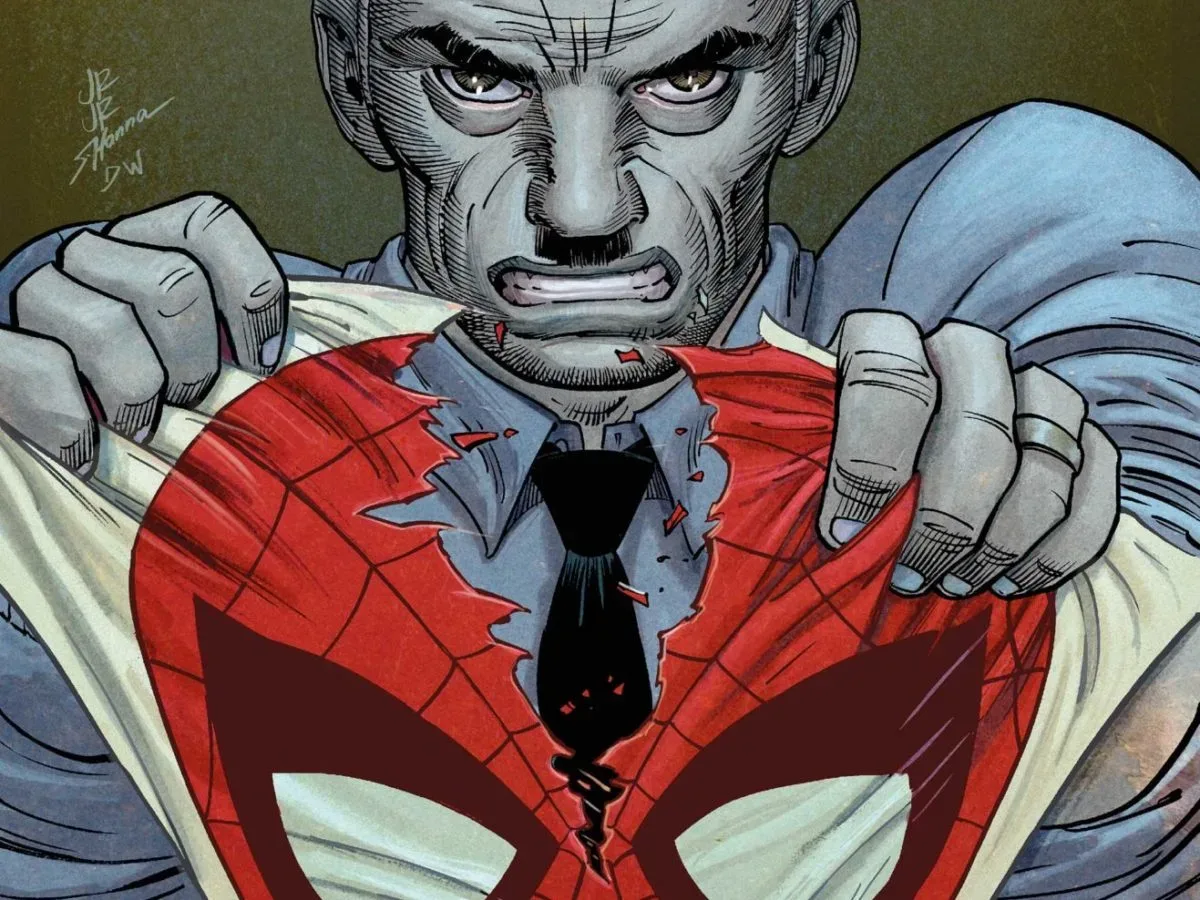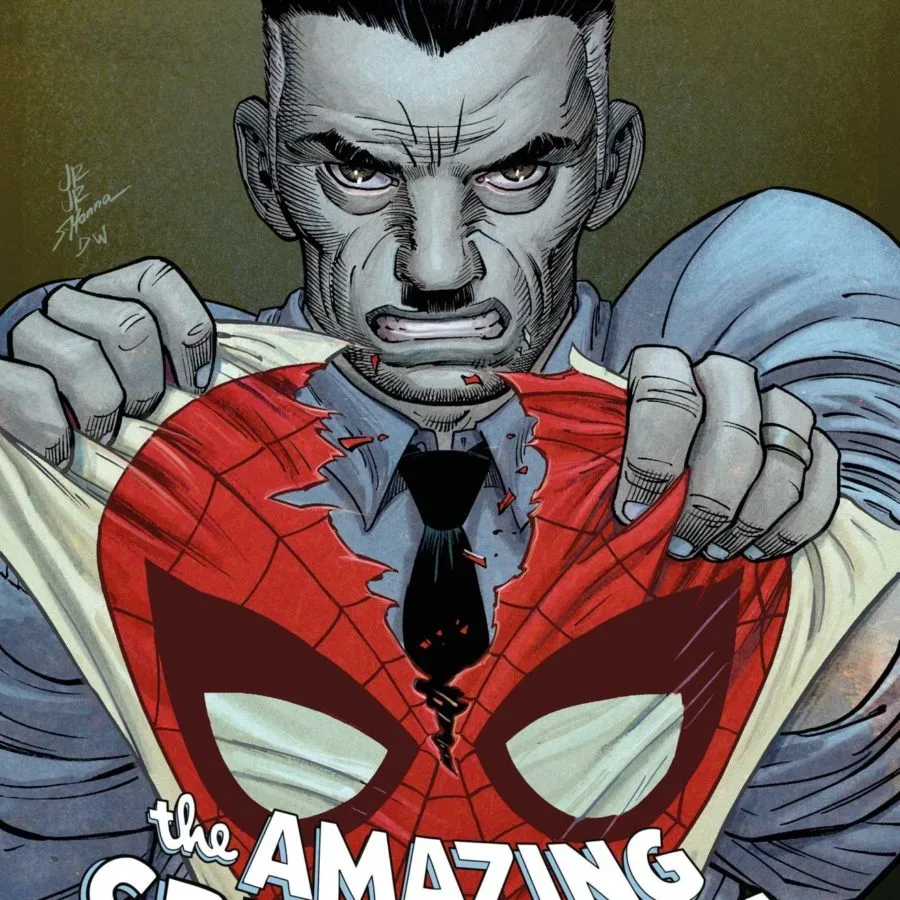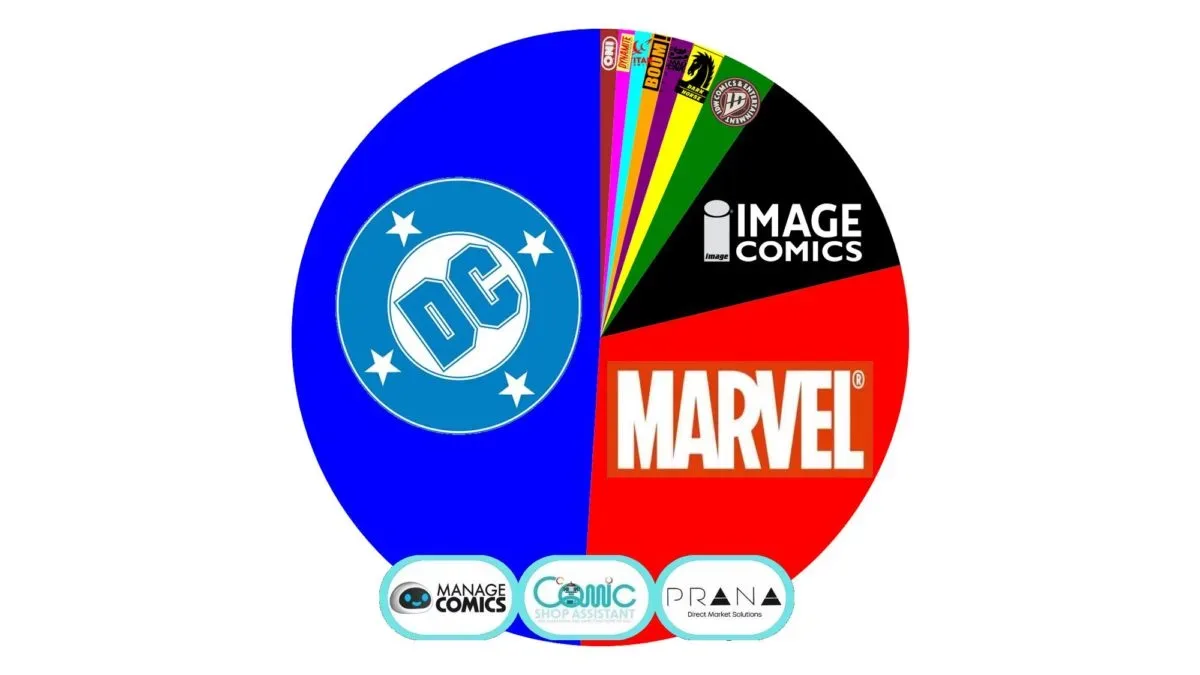
Amazing Spider-Man #1003 led the latest reported comic-shop sales chart, finishing ahead of Daredevil #9 at No. 2. Transformers #38, published by Image, followed at No. 3. The snapshot also points to a particularly strong week for Marvel: six of the 11 highest-ranking books came from the publisher, compared with three from DC and one from Image.
The result is notable less because it settles a grand, permanent contest between publishers—one weekly sample cannot do that—than because it records what people actually bought at participating shops during a defined sales window. Spider-Man took the lead, Daredevil stayed close enough to reinforce Marvel’s strong showing, and Transformers prevented the top of the ranking from becoming an all-Marvel affair.
What the reported ranking tells us
The available results establish several clear points. Amazing Spider-Man #1003 was the No. 1 book in the reporting group. Daredevil #9 was No. 2. Transformers #38 was No. 3. DC’s highest position was No. 7 in a week that did not include an Absolute title or Batman among the leading releases. Beyond those placements, the supplied information does not identify every book in the Top 11, so the remaining positions should not be inferred or reconstructed.
Marvel’s six-charting-title total is the most important publisher-level takeaway. It suggests the company had breadth as well as the week’s leading single issue. A publisher can top a chart with one major release, but landing multiple books across an 11-title field is a different kind of result: it means shoppers at the reporting stores were buying several Marvel releases rather than concentrating solely on the winner.
DC still placed three titles in the Top 11, which is a meaningful presence in such a short ranking. But the reported No. 7 high point shows how much a release slate can shape a weekly leaderboard. Without the referenced Absolute or Batman books in the mix, DC did not have one of its usual high-profile anchors at the very top of this particular snapshot. That describes the composition of this week’s chart, not a judgment on either line’s long-term performance.
Image’s Transformers #38 at No. 3 is equally significant. It is the only Image title identified as making the Top 11, yet it finished ahead of all but two books in the entire sample. In other words, the weekly publisher count favors Marvel, while Transformers demonstrates that a single non-Marvel release could still compete at the sharp end of retail sales.
These are sales, not retailer orders
The chart draws on point-of-sale information supplied through ComicHub from roughly 120 to 150 comic shops. The participating stores are described as generally mid-range direct-market shops, with locations largely in North America and the United Kingdom. The sales period runs from Wednesday through Friday, capturing the early days of a new-comic week.
That method matters. Point-of-sale data means the figures reflect issues sold through at participating stores, rather than the number of copies retailers initially ordered from publishers or distributors. Orders can indicate retailer expectations before release; sell-through data instead records purchases that happened at the counter during the measurement window. They answer related but different questions.
For readers, that makes the ranking a useful view of immediate shop-floor demand. For retailers, it is a comparison point for the kinds of books moving quickly after Wednesday release. For publishers, it can offer a near-term signal of how releases are performing with customers in the shops covered by the dataset. None of those uses turns the list into a census of every comic sale everywhere, however.
How the index works
The list uses the top reported book as its benchmark, assigning it a score of 100.0. Other titles are expressed as a percentage of that leading book’s sales. This is an indexed ranking, a relative measure rather than a disclosure of raw copies sold.
That distinction keeps the result readable while limiting what can be concluded from it. A score relative to 100.0 can show the distance between books within the participating sample, but without absolute unit totals it cannot reveal how many copies the chart leader sold. It also cannot, by itself, be converted into a publisher’s total sales across all channels or territories.
The data covers only a subset of the direct market: approximately 120 to 150 contributing stores out of an estimated 1,800 to 2,000 comic-book shops using point-of-sale services worldwide. That is still a sizeable retailer sample and far more grounded than a purely anecdotal list, but it is not the entire market. Results may differ at shops outside the group and across sales channels that are not represented by this store-level dataset.
Why a Wednesday-to-Friday view is useful—and limited
New comics traditionally arrive in shops on Wednesday, making the first few days especially important for observing immediate demand. The chart’s Wednesday-to-Friday window focuses on that initial rush. A debuting issue, a highly anticipated installment, a prominent creative moment, or simple reader habit can all influence what customers pick up promptly.
At the same time, a short window is not the same as a full lifecycle. Some books may keep selling consistently after Friday; others may do much of their business immediately. The current results support the claim that Amazing Spider-Man #1003 had the strongest reported early-week sales in the sample. They do not establish its final total sales, nor do they provide a complete account of all formats and outlets.
The chart’s timing also helps explain why weekly market-share talk should be handled carefully. The six Marvel titles give Marvel the leading share of the Top 11 by title count, and the week’s No. 1 and No. 2 placements strengthen that picture. But the source material does not supply raw publisher revenue, unit totals, or a full market-wide report. It is therefore most accurate to describe Marvel as having a strong position in this reporting group, with an expectation of a strong weekly market-share result, rather than presenting a final market-wide outcome as settled.
Spider-Man and Daredevil supply the week’s one-two punch
There is a practical difference between leading a chart and filling it out. Amazing Spider-Man #1003 gave Marvel the former; Daredevil #9 supplied a close-following second place. Together, the two books made the publisher’s week feel concentrated at the top as well as broad across the Top 11.
That is the cleanest reading available from the reported standings. It does not tell us why individual shoppers selected these issues, whether a particular cover or story beat affected sales, or how their performance compares with earlier issues. Those details are not included in the available data. What it does show is straightforward: at the participating stores during the specified first-half-of-the-week period, Spider-Man was the leading title and Daredevil was its nearest rival.
For fans tracking Marvel beyond the comics rack, the company’s characters remain a major part of pop culture conversation in other media as well; readers can also see the latest discussion around a possible Guardians of the Galaxy Vol. 4 return. That broader attention should not be confused with an explanation for this week’s single-issue numbers, but it illustrates why superhero properties are often followed across more than one format.
The bottom line on this week’s list
Amazing Spider-Man #1003 is the weekly leader in the participating comic-shop sales data. Daredevil #9 takes second, and Transformers #38 takes third. Marvel holds six of the 11 positions, DC holds three, and Image has one identified title in the group. DC’s best placement was No. 7 during a week without Absolute or Batman among the top releases.
Those are useful, concrete signals from a substantial retail sample, especially because they are based on recorded purchases rather than advance ordering. They are not a complete map of the comics business. The distinction is worth preserving: the chart is a sharp look at early in-store demand at participating direct-market shops, and on that measure, Amazing Spider-Man #1003 swung to the top.