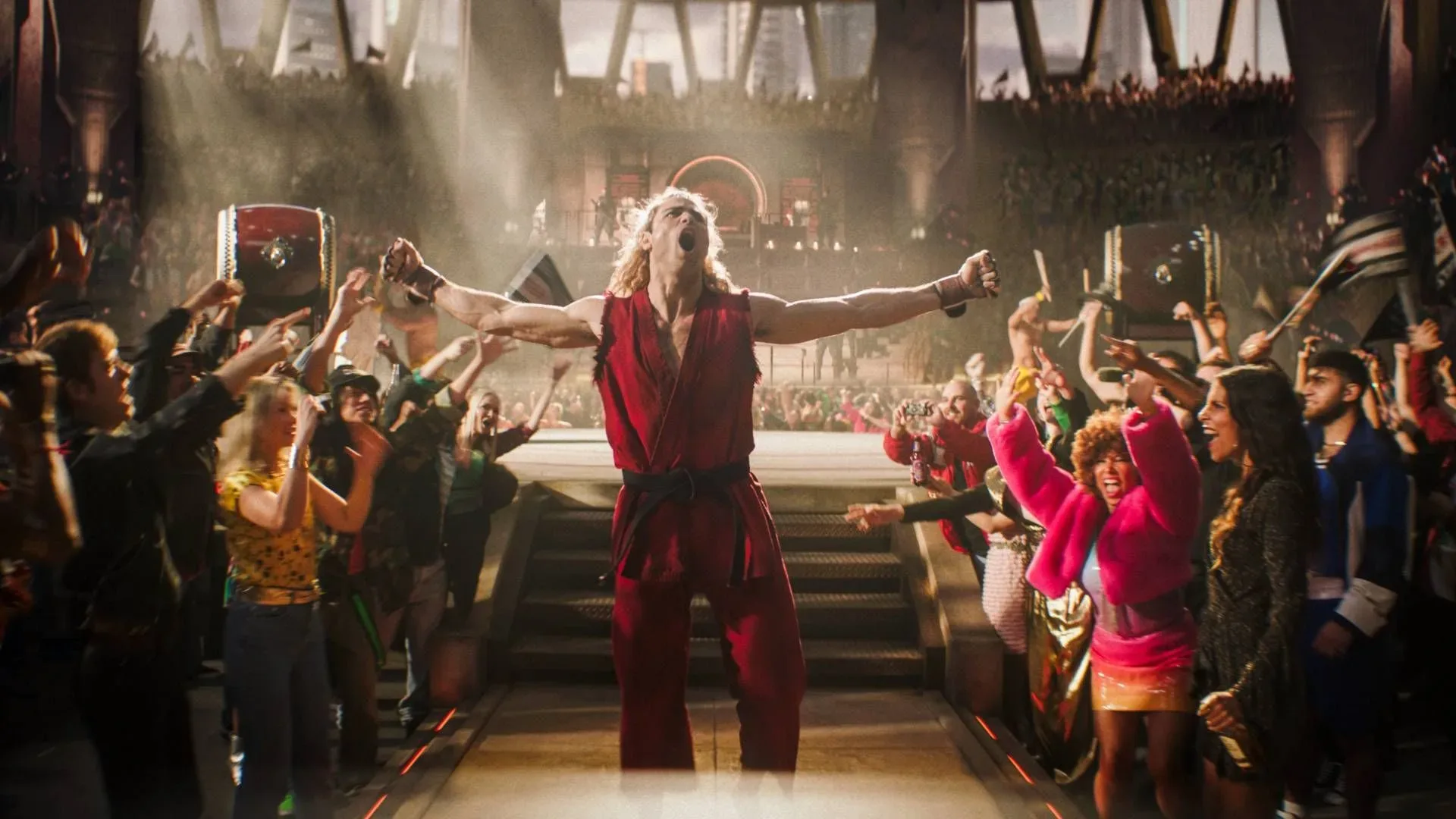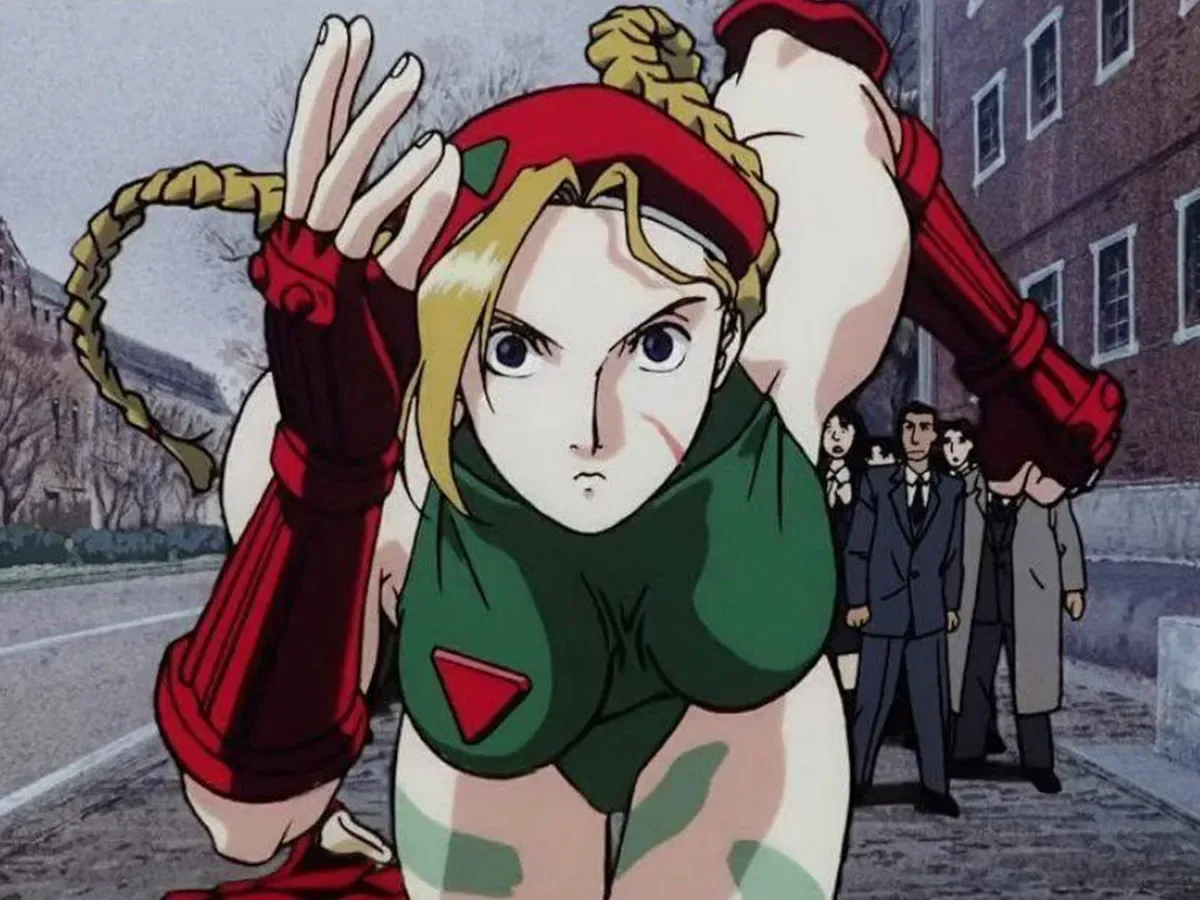
There is a peculiar hazard in adapting Street Fighter: the games make impossible martial arts look effortless, but film has to make those same moves feel like they belong to living, breathing people. A fireball, a spinning aerial kick or a sumo charge can be instantly readable in a match because the player already accepts the game’s rules. Put them in a live-action scene, and the adaptation has to negotiate physics, costumes, stunt work and audience skepticism all at once.
Street Fighter II: The Animated Movie avoids that trap by leaning into animation’s strengths. The 1994 film does not try to sand down the series’ outlandish moves into realism. It treats its martial artists, military operatives and psycho-powered dictator with complete visual confidence. That decision remains the key to why it is so often regarded as the screen adaptation to seek out—particularly for viewers curious about the games before the newer Street Fighter movie reaches theaters on October 16, 2026.
It is not an official installment in the franchise’s wider canon, a distinction worth making in a series whose continuity can be difficult to untangle. But canon status is not the same thing as a useful introduction. The film understands the emotional outlines and fighting identities that make the cast immediately recognizable, then builds a self-contained thriller around them.
A Street Fighter story without a tournament bracket
The setup deliberately sidesteps the World Warrior tournament framework associated with the games. M. Bison is hunting powerful combatants with an army of cyborgs, intending to seize those fighters for his own purposes. It is a straightforward premise, but it gives the movie a practical reason to move between its major characters and set pieces without forcing every encounter into a formal competition.
That structure also casts Bison as more than the obligatory final boss. His Psycho Power is the film’s supernatural threat, while his criminal-overlord presentation gives the danger a human shape. “Psycho Power” here is not merely a flashy attack name: it is the force connected to Bison’s ability to corrupt and control, most notably in the introduction of Violent Ken, an evil, Bison-influenced version of Ken.
Violent Ken is significant even outside official lore because the concept captures a fundamental Street Fighter anxiety: strength can be pursued for self-improvement, or it can be weaponized by someone else. Ryu’s journey is defined by discipline and personal growth. Ken is more impulsive, but the training he received under Gouken still informs his discipline. Turning Ken into an instrument of Bison makes that contrast sharp without needing an elaborate continuity lecture.
Why the animation does the heavy lifting
Animation gives the film a native language for Street Fighter’s exaggeration. E. Honda’s Sumo Headbutt and Chun-Li’s Spinning Bird Kick are not treated as embarrassing problems that need to be explained away. The medium can communicate speed, impact and impossible momentum through posing, movement and staging. In practical terms, it allows the audience to read the intent of a move at the same speed that a player reads it in a game.
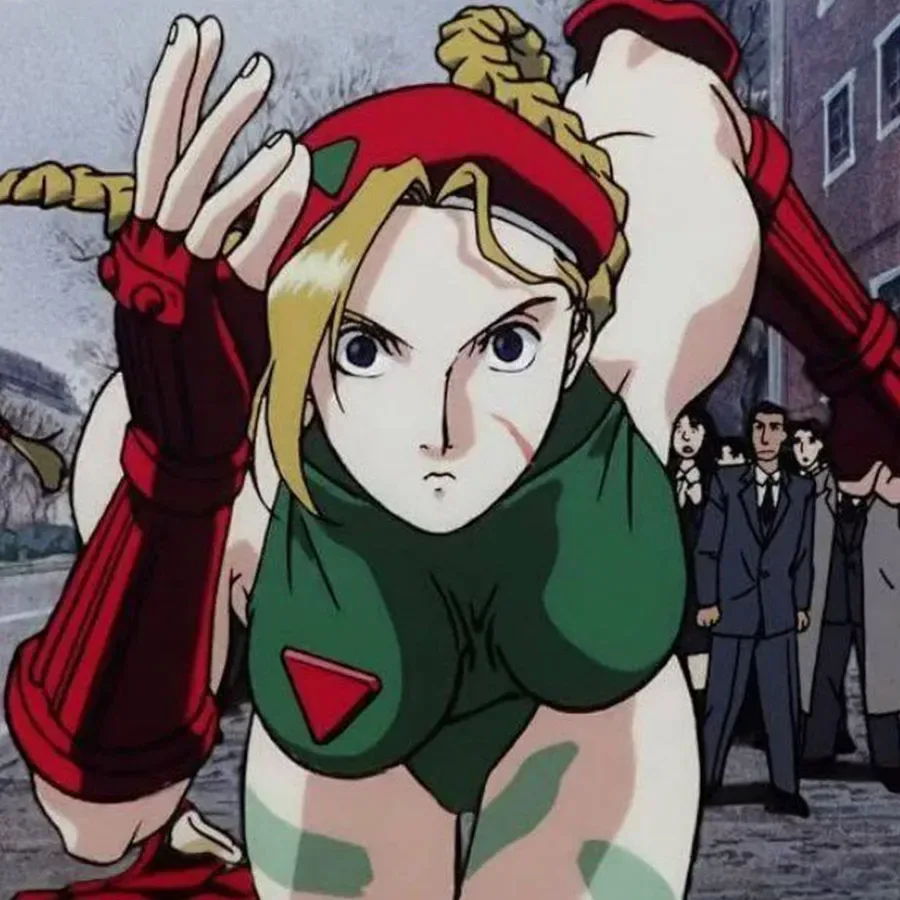
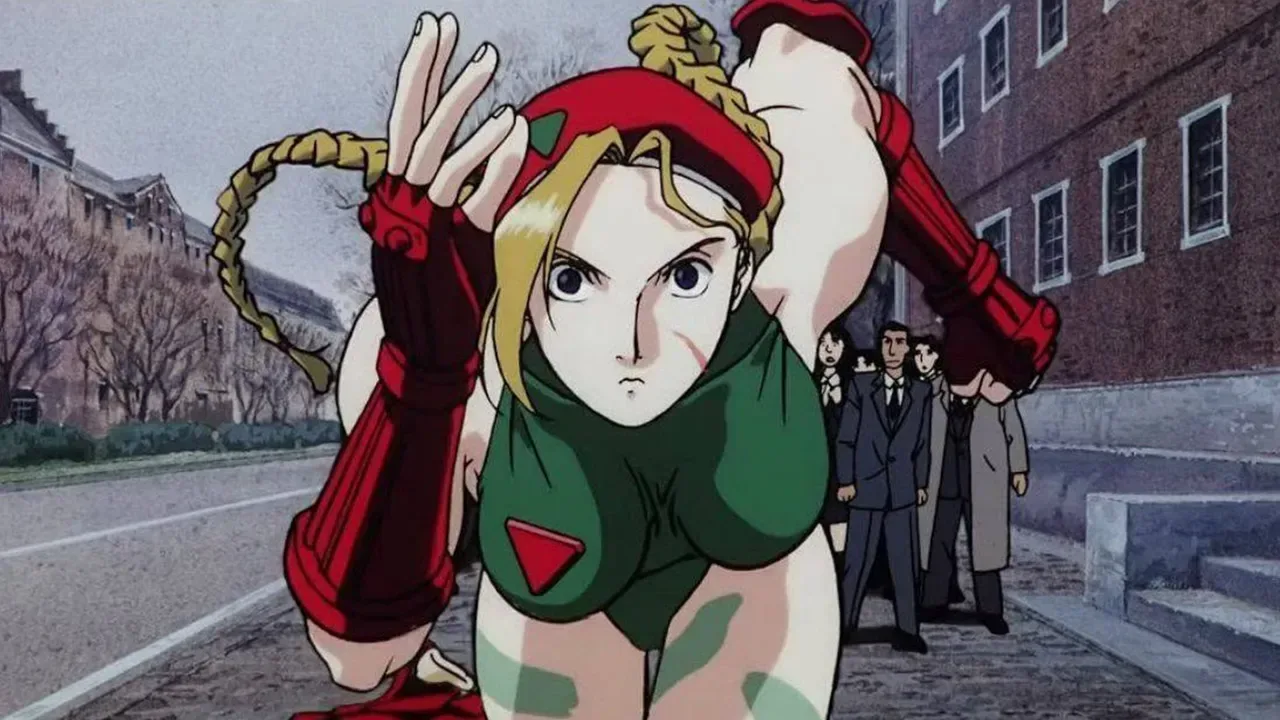
That freedom matters in a fighting property. Combat scenes are not simply interruptions between plot beats; they are where character, style and threat become visible. The film has a Ryu-versus-Sagat sequence early on that provides backstory connected to canon, then continues with a series of standout confrontations: Cammy’s assassination of a government official, Chun-Li’s violent fight with Vega, and Ryu and Ken’s climactic battle with Bison.
Related coverage includes Street Fighter II: The Animated Movie Remains Essential Viewing for Fighting Game Fans.
The result is not just a compilation of recognizable attacks. A great game adaptation needs to preserve the sensation that different fighters carry themselves differently. Ryu’s seriousness has to feel distinct from Ken’s heat, Chun-Li’s determined agility, Guile’s stoic military demeanor and Bison’s looming menace. The film’s animation can push each of those identities into clear, readable action without asking actors or practical effects to mimic game animations exactly.
The cast still feels like the cast
The movie’s strongest claim to faithfulness is not its plot. It is its grasp on the personalities beneath the headbands, uniforms and special moves.
- Ryu is contemplative and compassionate, defined by an ongoing commitment to becoming better rather than simple conquest.
- Ken brings a hotter temper, but not a lack of training or principle; his relationship to Gouken’s discipline remains part of his identity.
- Guile has the upright bearing of a U.S. military man, with occasional room for a more playful side.
- Chun-Li is a formidable kung-fu fighter whose quirky and feminine traits are not erased to establish her capability.
- M. Bison is a gangster-like ruler with power sufficient to make him a credible overarching threat.
That combination is important because Street Fighter has always needed room for both sincerity and absurdity. It is a world where fighters take their training and losses seriously, yet are also asked to accept extraordinary powers, extravagant costumes and wildly varied combat styles. The film does not insist on turning everyone into one-note grim action heroes. It lets the cast remain colorful.
The famous fights come with an adult-content caveat
Anyone approaching the film as an all-ages nostalgia watch should set expectations properly. This is a 1990s animated feature that includes blood, violence and nudity. One shower sequence involving Chun-Li is overtly gratuitous, and it comes immediately before her brutal confrontation with Vega. That fight is frequently remembered for its intensity, but the surrounding presentation makes the movie a poor fit for younger viewers or for a casual family screening.
The distinction is useful because “animated” does not mean “for children,” and because the movie’s more mature material is part of its overall approach to the setting. It imagines Street Fighter’s world as a place where Bison’s operations, assassinations and powerful fighters can cause real physical harm. Whether every choice has aged equally well is a separate question; the content warning belongs alongside any recommendation. The movie’s action can be impressive without requiring viewers to overlook the sexualized framing that accompanies one of its most prominent scenes.
Not every animated Street Fighter takes the same hit
The franchise has tried animation in other forms, but the 1994 movie is the clearest starting point. Street Fighter Alpha is notable for its visual presentation, though its story is less successful. The Street Fighter II V television anime is a much rougher proposition, while the American cartoon is remembered more for its quotable oddities than its consistency.
Those comparisons clarify what the feature gets right. Its success is not only that it has good-looking action. It balances visual spectacle with an immediate understanding of who the major characters are and why their collisions matter. A film does not need to map every branch of franchise lore to be a satisfying Street Fighter story. It needs a Bison who feels dangerous, heroes who act like themselves, and fights that make the game’s fantasy look exhilarating instead of awkward.
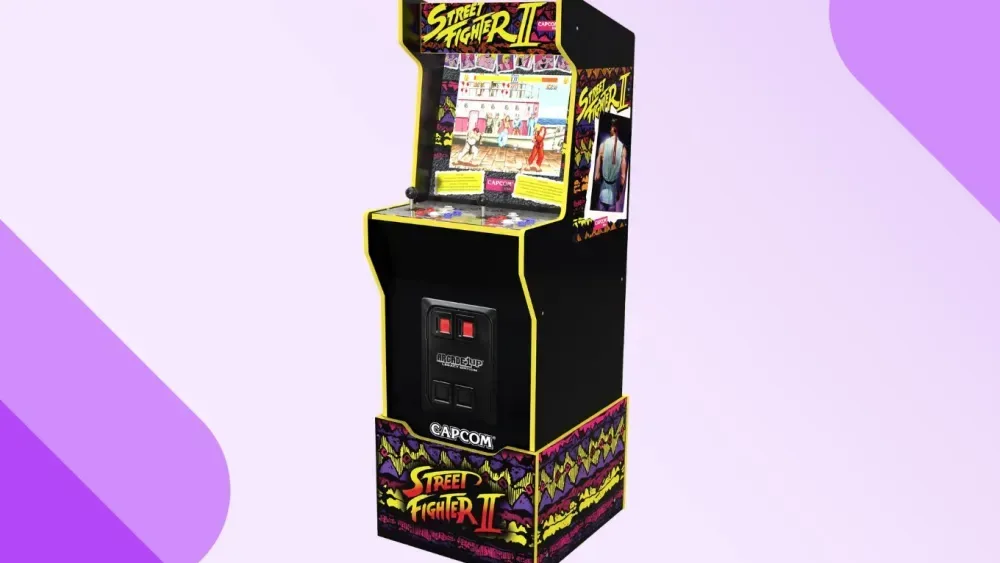
For a related piece of Street Fighter II history in a more physical format, the Street Fighter II Legacy Cabinet’s lineup and online-play approach shows how the arcade legacy is still being presented to players at home. The animated film is a different sort of preservation: it carries the same broad character appeal into a format where every impossible move can remain impossible.
What newcomers should expect
Viewers do not need to memorize the franchise timeline before pressing play. The movie’s non-canon status actually makes it less intimidating as a gateway. Its essential ideas are easy to follow: Ryu pursues growth, Ken is his fiercely capable counterpart, Bison wants to exploit strength, and the supporting fighters have their own stakes in stopping him.
What newcomers will gain is a sense of the series’ tone at full volume. Street Fighter is not only tournament matches and move lists. It is a global collection of distinct combatants, personal codes, rivalries and comic-book-scale threats. The 1994 feature frames that material with enough seriousness to make a final clash feel consequential, but enough visual flair to remind viewers why these characters were made for animation in the first place.
At the time referenced here, Street Fighter II: The Animated Movie is available through Crunchyroll, Pluto TV and Amazon Prime Video. Availability can vary by region and change over time, so viewers should check the service in their area. If it is accessible, it remains a compelling companion to the games: not an official lore roadmap, and not a family-friendly one, but an energetic, character-aware example of how to put Street Fighter’s ridiculous, wonderful combat on screen.