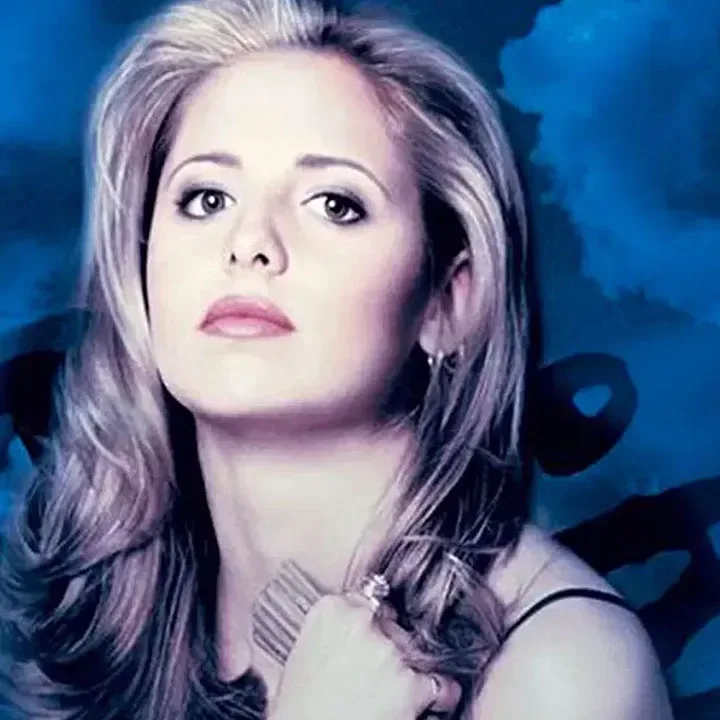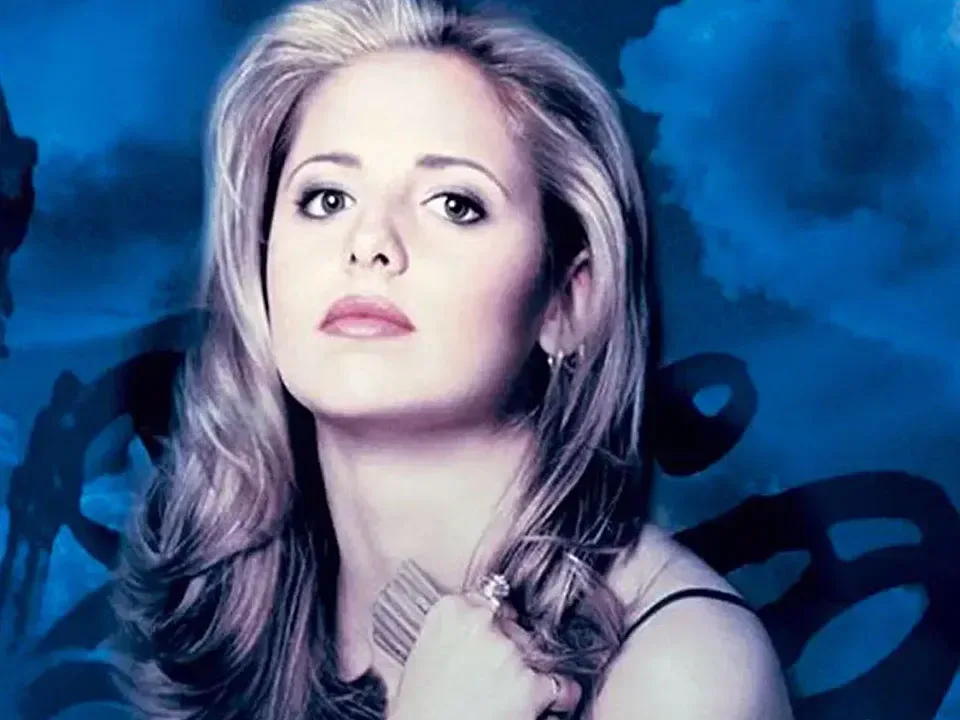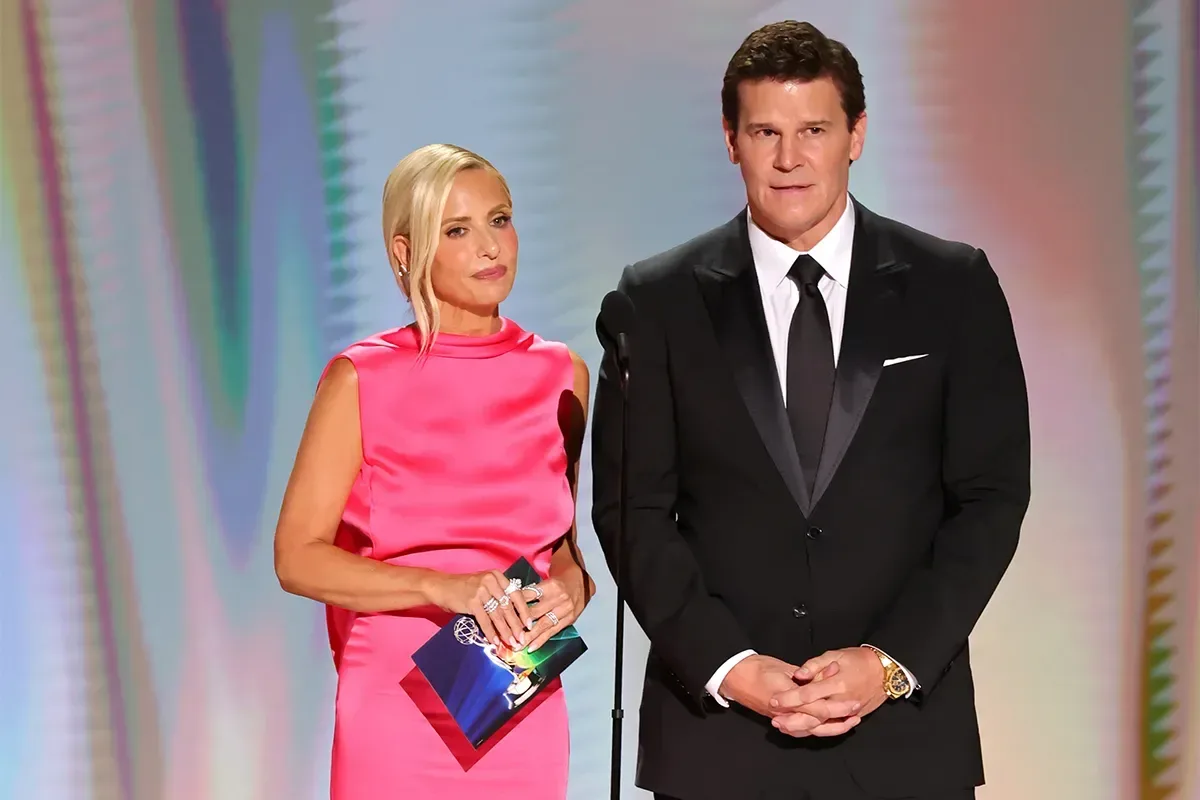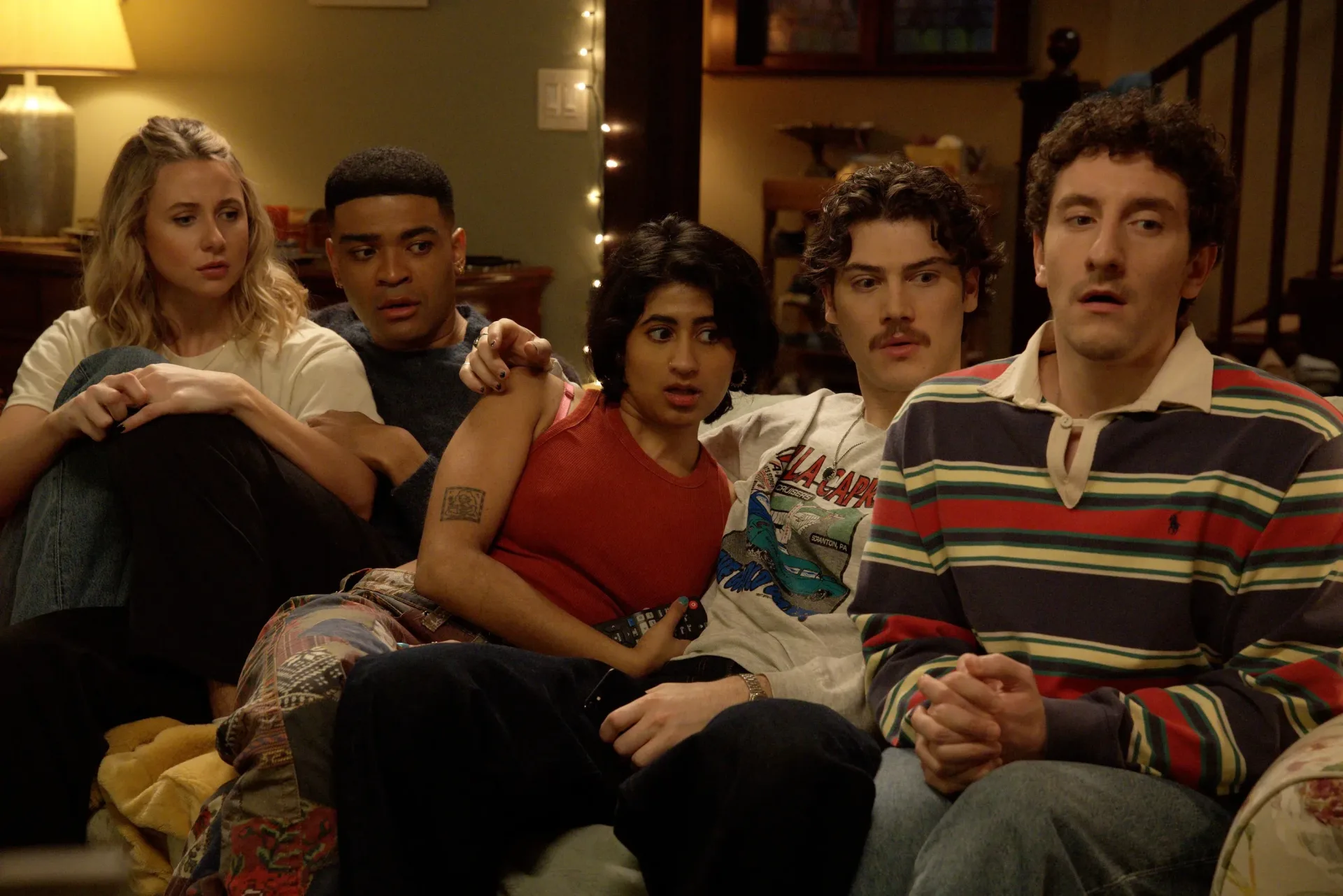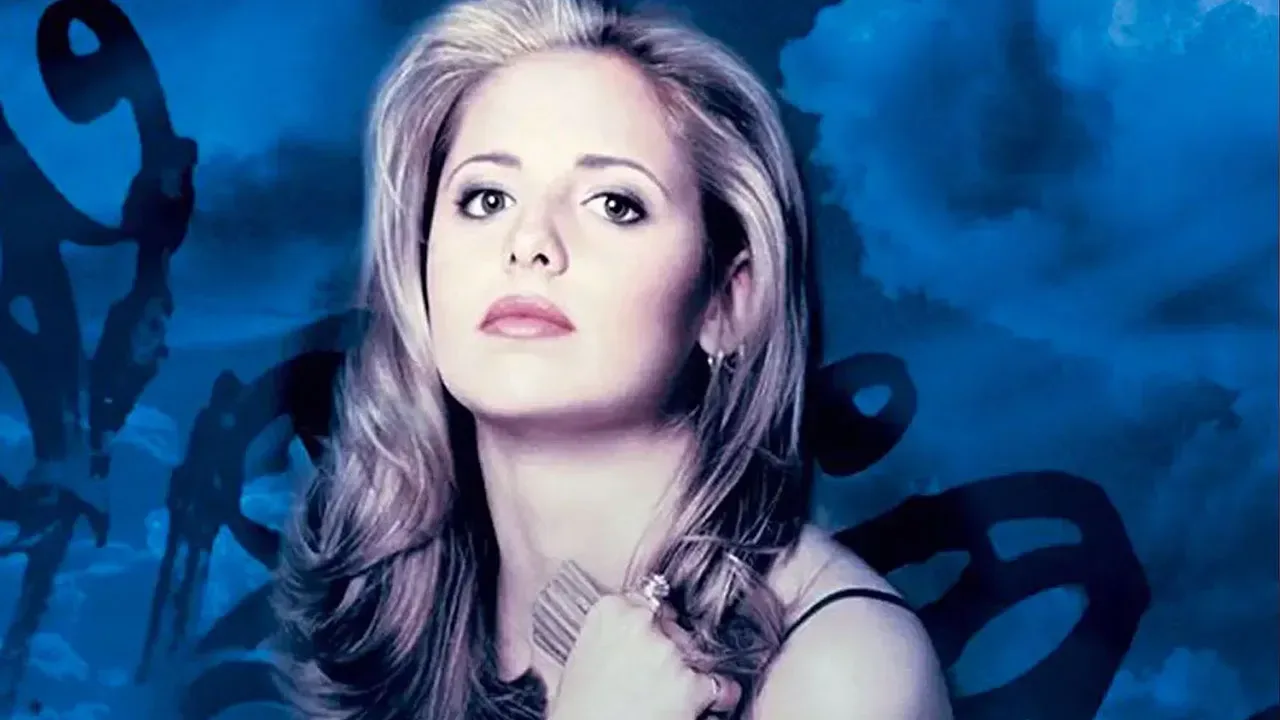
Buffy Summers and Angel have spent an astonishingly long time refusing to stay out of the pop-culture conversation. At an Emmy Awards appearance, Sarah Michelle Gellar and David Boreanaz gave fans another reason to revisit the question that has shadowed the characters for years: would Buffy and Angel ever have found their way back to one another?
Boreanaz raised the idea while the pair presented an award, saying he had always believed Buffy and Angel would end up together. Gellar’s response was brief, funny and loaded with the newly cancelled revival project’s baggage: “Well, I guess we won’t find out.”
The room laughed, but the line landed because it pointed at a genuine creative dead end. Plans had been in place for a modern-day Buffy the Vampire Slayer soft reboot, with Gellar involved and Buffy expected to return in a recurring capacity. The project would have shifted its main focus to a new young Slayer in a newly imagined Sunnydale. Its cancellation does not merely remove a prospective show from the schedule; it also removes a possible venue for carefully chosen appearances, reunions and answers to character questions that have persisted for decades.
A joke with a real continuity-sized shadow
It is important not to treat Gellar’s joke as confirmation that a Buffy-and-Angel ending had been written, planned or even discussed for the reboot. Nothing presented publicly establishes that Angel was due to appear, or that the revived series would have settled Buffy’s romantic future. The remark works precisely because it leaves the hypothetical intact: the show might have revisited that part of the mythology, but now it cannot.
That distinction matters in a franchise return. A cancelled series leaves behind at least three separate things: what was formally planned, what fans hoped might happen, and what individual performers may have been open to doing. Those categories can overlap, but they are not interchangeable. Boreanaz’s onstage sentiment belongs to the realm of character interpretation and fan-facing banter, while the cancelled series represents an unfinished production path.
Still, Angel’s absence from confirmed plans would not have made the question irrelevant. Buffy and Angel are central figures in one of the franchise’s defining relationship arcs, and later stories complicated the emotional picture further through Buffy’s relationship with Spike. Any return that brought Buffy back into an active role would inevitably invite viewers to scan the edges of each episode for clues: a reference, an off-screen update, a surprise visitor, or a definitive answer.
What “soft reboot” meant for the proposed series
The proposed project was described as a soft reboot. In practical storytelling terms, that generally means a new entry designed to be approachable for newcomers while retaining a meaningful connection to an earlier continuity, concept or cast. Here, the approach reportedly paired an updated Sunnydale and a new Slayer lead with Gellar’s returning Buffy.
That format creates a delicate balancing act. A new lead needs enough room to become the audience’s point of entry rather than simply a spectator in a veteran hero’s story. At the same time, viewers who have stayed invested in Buffy are likely to expect the returning original character to matter beyond a ceremonial cameo. The proposed setup seems to have been trying to do both.
Related coverage includes Sarah Michelle Gellar Jokes Buffy and Angel's Future Is Lost With Reboot Cancellation.
Reports about an earlier pilot draft illustrate the pressure of that balance. The script that later partially leaked reportedly gave Gellar only a short appearance at the end of the episode, while positioning Buffy for a larger role afterward. The apparent intent is understandable: pilots often establish the setting, premise and new ensemble before leaning heavily on legacy figures. But the reported response from Hulu was that Buffy’s minimal presence was not enough, prompting a request for a version with substantially more Gellar screen time.
That is not a trivial note about scene count. It points to a foundational question the revival had not fully solved: was it primarily a new Slayer’s show with Buffy as connective tissue, or was it a Buffy continuation that would hand substantial focus to a successor? Either route could have produced a different kind of series. The first protects the new protagonist’s ownership of the story; the second makes the returning star’s role clearer but risks narrowing the new premise’s space to breathe.
A pilot is a promise, not a full season
A pilot is the introductory episode or production used to establish a show’s premise, tone and major characters. It is often asked to do more work than a normal episode: welcome new viewers, reassure existing fans and demonstrate why the premise can sustain future stories. A tiny Buffy appearance in a pilot would not necessarily have meant tiny Buffy involvement overall. Yet first episodes also make promises about where attention will go. For a revival involving such an identifiable lead character, those promises carry unusual weight.
The reported request for more Gellar changes the potential shape of the project, but it does not reveal what a revised pilot would have contained, whether it was completed, or how a full season would have developed. That uncertainty is now part of the reboot’s story. The public can discuss the broad setup and reported early-draft choices, but not claim a finished version of the show existed.
Guest appearances were possibility, not a completed plan
The revival’s ambition extended beyond one returning performer. Other alumni were expected to make guest appearances, while James Marsters had indicated that he expected to appear as Spike eventually—though he suggested that would likely be no earlier than a second season. That is a useful clue to the apparent long-game structure: familiar faces may have been intended as later rewards rather than as immediate replacements for building a new cast.
It also makes Gellar and Boreanaz’s exchange more poignant. If Spike’s possible return was being considered beyond the initial season, then the broader franchise clearly had room for unresolved character connections to resurface over time. But possible does not mean scheduled. There is no confirmed indication that Angel had a role, no described episode built around him and no proof that the old love triangle was on a path to resolution.
Fans therefore have two honest responses available. They can enjoy Gellar’s line as a sharp acknowledgement of a longstanding debate, and they can recognize that its emotional force comes from the loss of potential rather than from a lost confirmed ending. The funny answer was not a spoiler. It was a farewell to the chance of getting one.
The human note behind the reunion
Gellar and Boreanaz’s appearance was not solely about nostalgia or romance. Gellar also used the stage to acknowledge what she described as a difficult two years for the cast and crew, paying tribute to Anthony Stewart Head, Nicholas Brendon and Michelle Trachtenberg. She said she and Boreanaz felt fortunate to have known and worked with remarkable people.
That portion of the appearance gives the cancellation conversation a different scale. Television revivals are often discussed in the language of intellectual property, casting possibilities and fan service. But this particular franchise is also inseparable from the people who made its earlier version, their relationships and the memory of collaborators no longer present. A return to Sunnydale would have been asked to handle that legacy with care, not simply find an excuse to place familiar names in a new setting.
The discussion around the cancellation has also included Gellar’s previous criticism of an executive she said had claimed never to be a fan of the original series. Separately, reports have suggested Hulu may consider another attempt at a Buffy reboot in a few years. Neither point makes a future project certain, and the available information gives no reason to assume Gellar would return for another version.
That last caveat may be the most consequential. A franchise can be revisited, but it cannot automatically recreate the circumstances that made one particular revival idea compelling. Gellar’s involvement offered both continuity and a clear emotional bridge between eras. If another attempt proceeds without her, it may be freer to establish its own identity—but it would also be answering a different question than the one this soft reboot seemed set up to explore.
What fans can reasonably take from the moment
- The reboot is cancelled: the planned modern Sunnydale series with a new young Slayer will not move forward in that form.
- Buffy’s intended role had reportedly been under revision: an early pilot reportedly gave Gellar only a brief appearance, and a more substantial presence was subsequently requested.
- Angel’s return was never confirmed: the Emmy exchange is not evidence of a written Angel appearance or a planned romantic resolution.
- Spike’s possible appearance was also only prospective: Marsters had expected a later return, potentially in a second season, rather than describing a completed on-screen commitment.
- A future reboot remains uncertain: reports of possible renewed interest do not establish a production, cast or creative direction.
For now, Buffy and Angel remain where they have long been: in an argument that can never be cleanly settled because the story built its power around consequence, distance and impossible timing. The cancelled reboot might have reopened that door, left it closed or walked straight past it. Gellar’s punchline acknowledges the frustrating answer—there is no episode coming to prove anybody right.
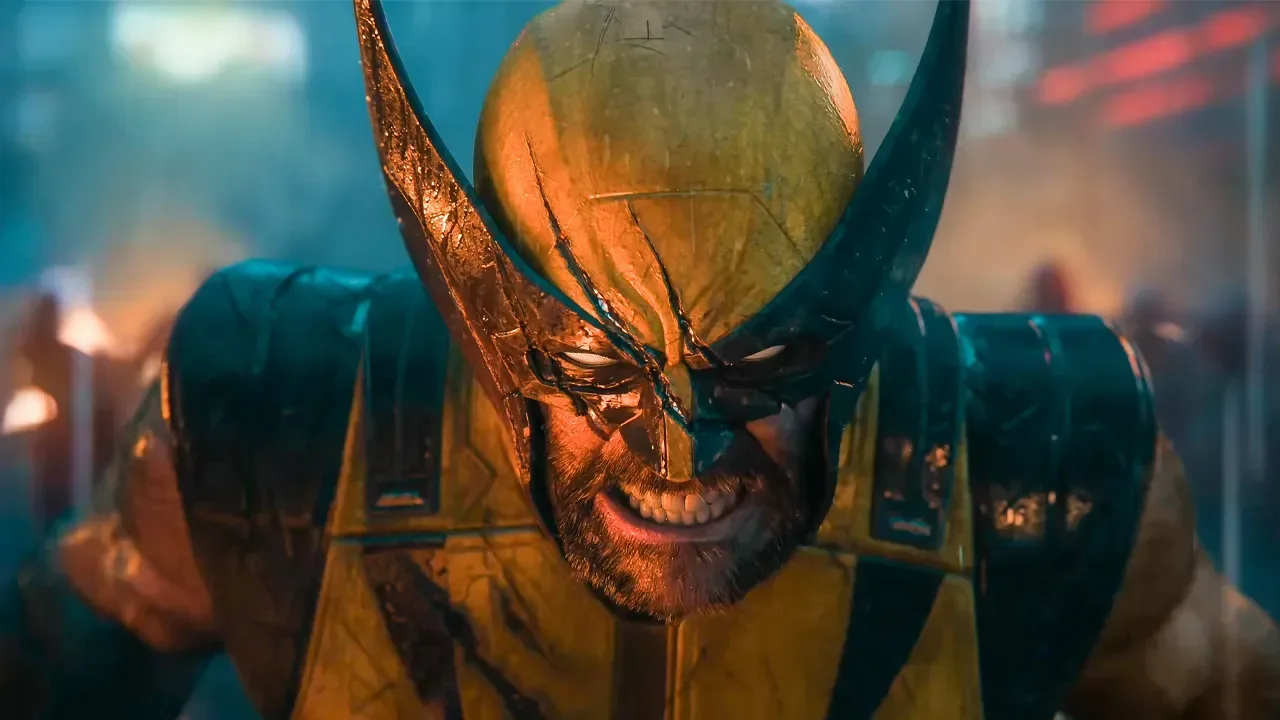
That uncertainty is familiar territory for legacy genre projects. Even outside Sunnydale, audiences are asked to distinguish between confirmed development and wishful extrapolation; the limited public detail around Insomniac’s Marvel’s Wolverine is another reminder that a known character alone cannot fill in the blanks of an unreleased story. In Buffy’s case, the blanks now include an entire version of Sunnydale that may never be seen—and, apparently, one more eternally unresolved supernatural relationship.