Marvel’s Wolverine is out in the wild, and Insomniac says it is listening. In a launch-week message, the developer said it is actively collecting feedback from the player community and intends to “further refine the player experience.” That is a meaningful commitment in tone, though it is not yet a roadmap: the studio did not identify particular fixes, additions, dates, or update plans.
Insomniac also stressed that it is “incredibly proud” of what the team made, thanking players beginning Logan’s journey around the world. Both ideas can coexist quite comfortably. A launch build can be the result a studio stands behind while still benefiting from player reports, balance concerns, accessibility requests, and the useful reality check that arrives when far more people start playing than any pre-release testing group could represent.
The practical question is what “refine” could mean for a tightly structured action game. It might describe targeted quality-of-life work, interface tweaks, navigation options, bug fixes, or balance adjustments. It does not, by itself, establish that Insomniac will overhaul combat, rebuild levels, or substantially alter the campaign’s structure. Players should treat the statement as an intention to listen rather than a promise of a specific feature.
A solid aggregate, alongside a clear criticism
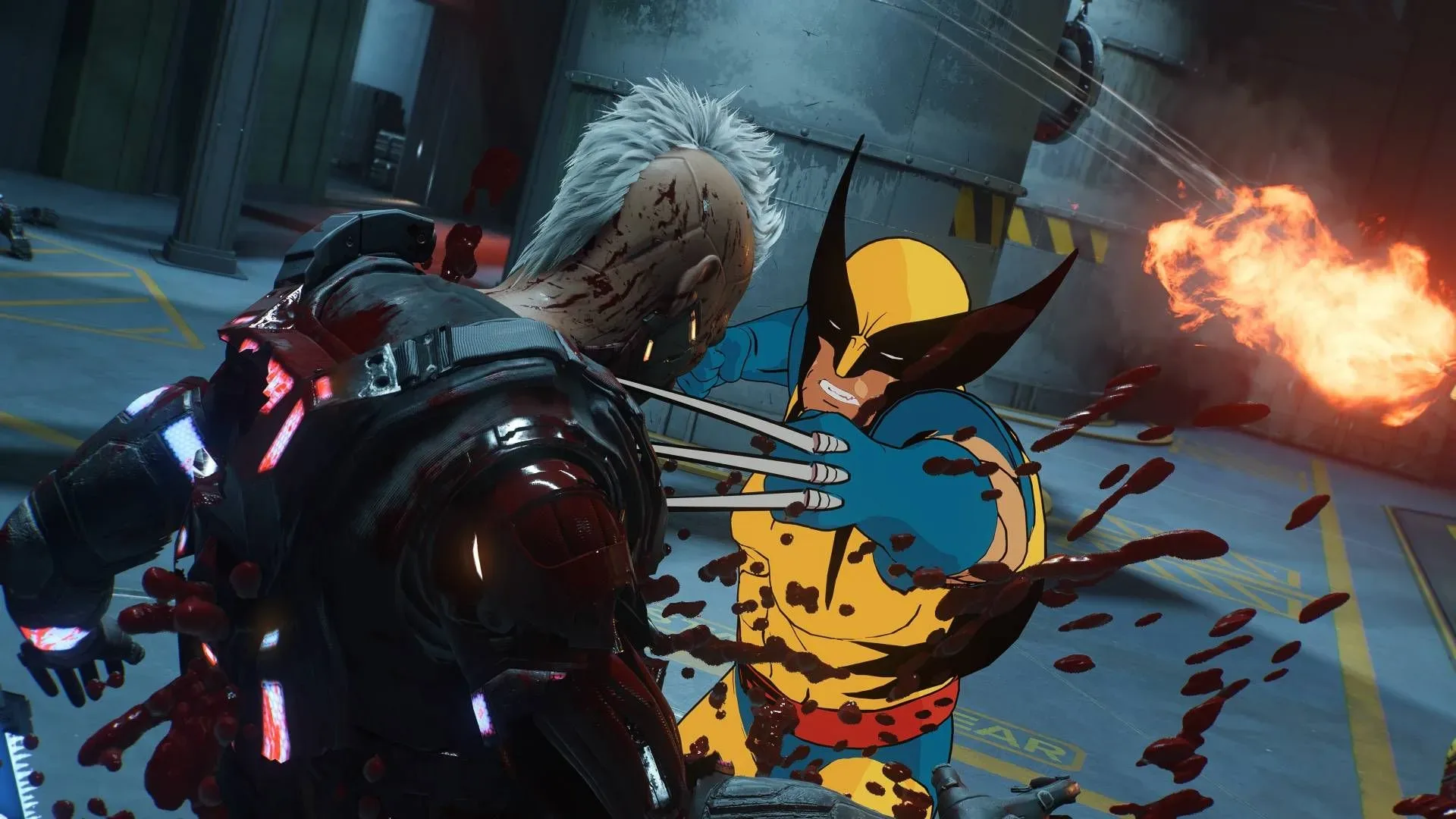
Marvel’s Wolverine currently has a 77 Metascore. One prominent review scored the game 6/10 and argued that its initially slick, satisfying combat loses its appeal before the end, despite strong character work. That split in emphasis is important: the concern is not simply whether the basic fighting feels good in the opening hours, but whether it retains variety and momentum across the full experience.
Combat depth is the useful term here. It does not merely mean having lots of attacks. It refers to whether a system keeps creating meaningful decisions: different approaches, enemy interactions, timing demands, reasons to vary a reliable tactic, and enough changing context that repetition does not settle in. A post-launch adjustment can potentially tune balance or smooth rough edges, but it is generally much harder to add fundamental depth if the criticism is rooted in the game’s central encounter design.
That limitation is worth keeping in mind when reading broad launch-window language. Refinement can make a game clearer, smoother, more flexible, or less frustrating. It cannot automatically transform every foundational response to its level design, pacing, or combat loop. Insomniac has not said it plans to attempt such a transformation.
The scent-trail debate is really about player agency
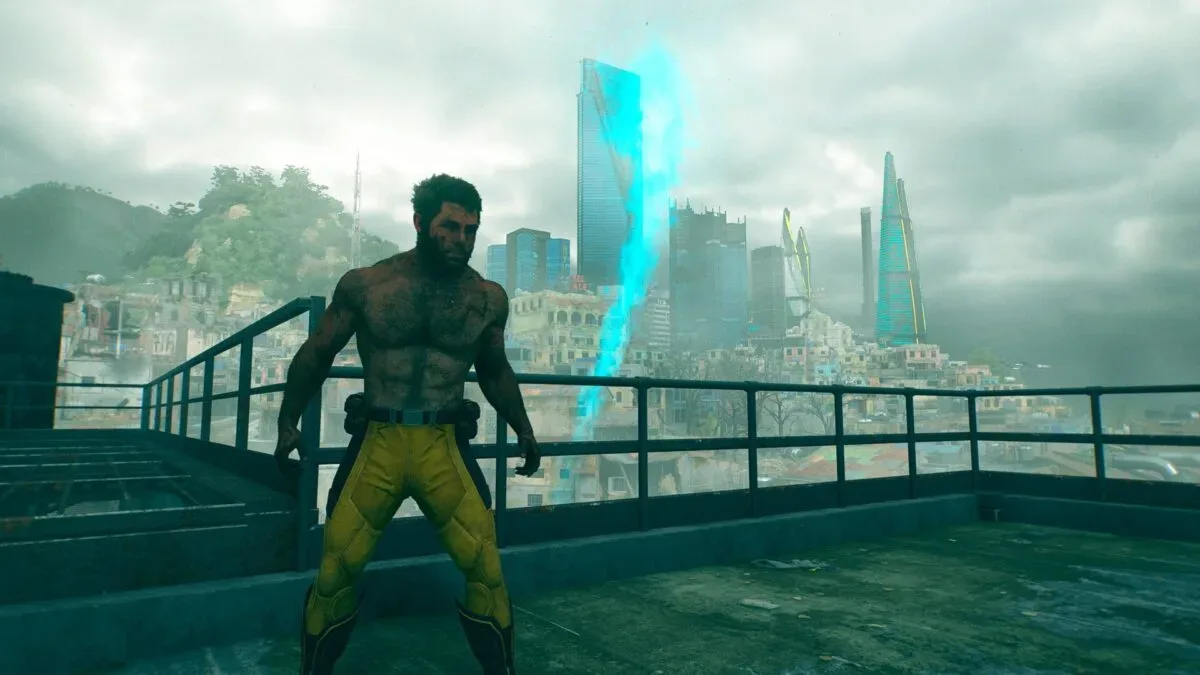
The most conspicuous community discussion has centered on Logan’s scent trail: a visible effect used while he tracks particular people, sounds, whisky, or other clue scents. Its look has inspired the less-than-heroic nickname “fart gas” online, but the underlying disagreement is more useful than the gag.
Some players view a strong route indicator as excessive handholding. In games, handholding is shorthand for guidance that supplies an answer or route so directly that players feel they have little room to observe, deduce, explore, or recover from a mistake on their own. The complaint is not necessarily that a tracking tool exists. Wolverine’s heightened senses are central to the character. Rather, it is that a persistent or highly visible guide can make following, chasing, and searching feel automatic.
Related coverage includes Insomniac Says Marvel's Wolverine Will Be Refined With Player Feedback.
Insomniac community and marketing director James Stevenson has clarified that the scent trail is not permanently active. He described it as an expression of Logan’s mutant senses and tracking skills, appearing when he is pursuing a specific scent or sound in story and mission moments, or when he detects an in-game collectible.
That clarification matters because it narrows the feature’s role. This is not described as a universal exploration line painted across the world at all times. It is contextual guidance tied to designated tracking situations and collectible detection. Yet it does not end the debate over whether players should have more control over its presentation.
There was confusion over the game’s accessibility settings. Wolverine includes Chase Assist, an option that can reduce the movement speed of targets in chase sequences. That setting does not disable the scent trail. Other navigation-related toggles likewise do not turn off the trail, based on the available official option list.
Accessibility and optional guidance should not be treated as enemies. An assist can make a sequence more approachable for players who need or prefer it, while a separate presentation toggle can serve people who want less visual direction. The key is specificity. Chase Assist addresses the speed of a target during a chase; it is not an exploration or tracking-visual setting. Players seeking a trail-off option should not expect that particular toggle to do the job.
For more on the same discussion, see our coverage of the calls for more control over Wolverine’s scent trails.
What a realistic refinement could look like
Insomniac has not announced changes to the scent trail, so any prediction needs to remain firmly labeled as analysis. A visibility or disable option would be a comparatively contained response to the feedback, if the studio decides that player choice is appropriate. It could preserve the mechanic’s narrative connection to Logan’s senses while giving experienced players less overt direction. That is only a possibility, not a confirmed plan.
The same caution applies to combat. Feedback may identify places where an encounter, enemy behavior, or progression curve feels less satisfying than intended. Adjustments in those areas could improve the feel of replaying sections without requiring a wholesale redesign. But the available statement does not say that combat is being changed, nor does it outline the scale of any patch.
Discussion has also turned to play-space variety. Because Wolverine tells a tight, linear story, substantial changes to its basic layout or campaign flow would be harder to anticipate from a general pledge to refine the experience. Linearity is not automatically a flaw; it can support focused pacing and authored storytelling. It does mean, however, that the type of player request matters. A small option or tuning pass is very different from a request to reshape how the game is built.
New Game Plus is already there, not a future promise
One area with room for continued attention is New Game Plus, which is available from day one. New Game Plus is a replay mode that becomes available after completing a story, allowing players to begin again with some form of continuity rather than treating the first completion as a hard stop. The supplied information does not specify exactly what carries over or what extra rules apply in Wolverine, so players should avoid assuming particular rewards or progression systems beyond its confirmed presence.
Insomniac has said there is plenty to do after finishing the story. That makes New Game Plus a natural focal point for player feedback, whether the conversation concerns replay incentives, activities, challenge, or the usefulness of the existing post-story loop. Again, none of that confirms additions. It simply identifies a part of the game where feedback can be especially concrete: players who have reached the end can explain what made a return trip worthwhile and what did not.
What players can take from the message now
For now, the firm facts are limited but clear. Marvel’s Wolverine has launched; Insomniac is proud of the released game; the studio says it is engaged with players and gathering feedback; and it intends to refine the experience. New Game Plus is already present. The scent trail is contextual rather than always on, and the currently listed Chase Assist setting is not a control for hiding it.
Everything beyond that—combat revisions, trail options, new challenges, added activities, or broader structural work—remains unannounced. The best reading is neither that the game is frozen in place nor that every criticism has been accepted as a patch note waiting to happen. Insomniac has opened the feedback channel. The next material step will be identifying which requests, if any, turn into specific changes and how much of Logan’s journey they can realistically affect.