Doctor Who’s next production team will inherit a conspicuous mystery, but departing showrunner Russell T Davies does not see it as a crisis. Davies has addressed the unresolved appearance of Billie Piper and argued that the programme’s famously flexible fiction gives a successor ample room either to build on it or rapidly move past it. His position is blunt: a cliffhanger is not necessarily a burden when the series is built around reinvention.
The comments arrive at an awkward point for the long-running science-fiction drama. Davies’ period leading the current era has ended, the planned 2026 Christmas special is no longer going ahead, and the BBC is looking for a new production company to continue the show. The Disney co-production agreement, which covered two seasons, has also ended. That leaves the programme in a transitional state—and its latest finale dangling a question that was seemingly meant to be addressed later.
The Billie Piper question is still a question
The central unresolved beat is the appearance of Billie Piper. Davies calls it a “Billie puzzle,” but stresses that it is straightforward by Doctor Who standards. In his view, the incoming creative team could make that appearance central to its own plans, or explain it away in a very short line of dialogue.
That distinction matters. A cliffhanger is a narrative device intended to create suspense by withholding an answer. In a normal continuing drama, it can become a serious problem if the writers who set it up never return; the expected resolution may depend on characters, themes or future episodes that no longer exist. Doctor Who has a different set of tools. Regeneration, altered timelines, unreliable appearances, alien technology and the simple passage of time all give the show mechanisms for changing course.
Davies pointed to the 1996 assertion that the Doctor was half-human as an example of the franchise dealing with contentious continuity: later stories largely avoided revisiting it. That does not mean every loose end should be ignored. It does demonstrate the practical reality of a series with decades of stories and frequent changes in producers, lead actors and formats. Its continuity can be treated as a playground, a reference point or, when needed, a topic to be quietly left behind.
For fans, that means Piper’s appearance remains an open question rather than a confirmed roadmap. It could become the foundation of a major new story, but Davies’ remarks also make clear that there is no obligation for a successor to tell the exact story audiences may have anticipated. Until the BBC identifies its next production setup and creative leadership, speculation should be kept separate from confirmation.
A finale reshaped by uncertainty
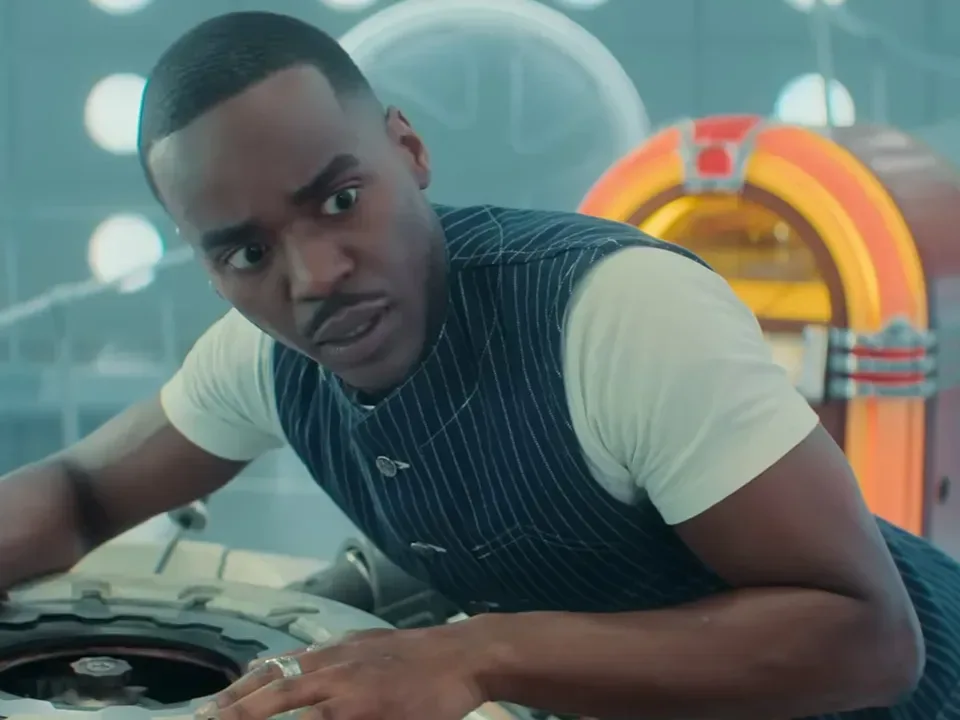
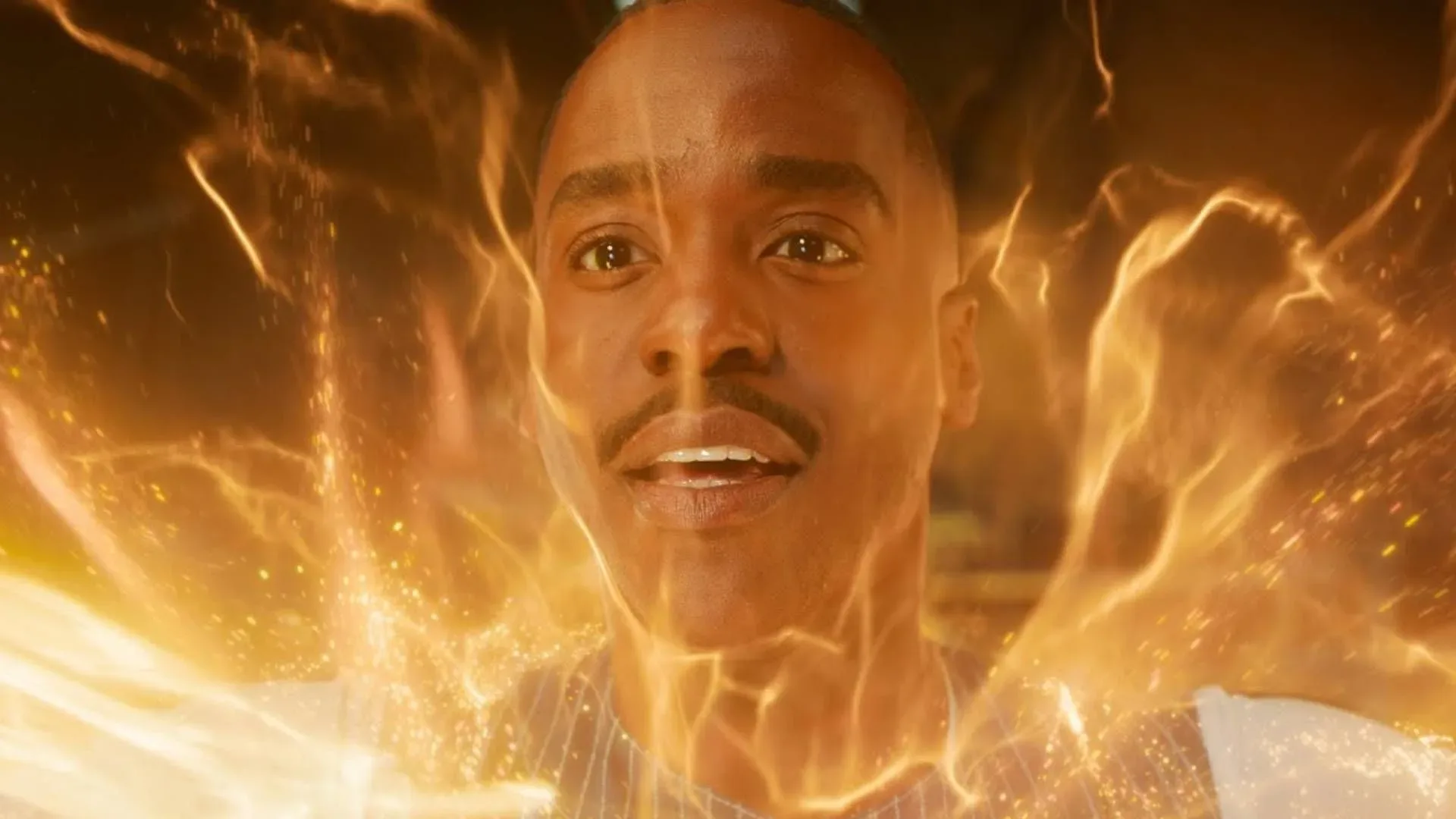
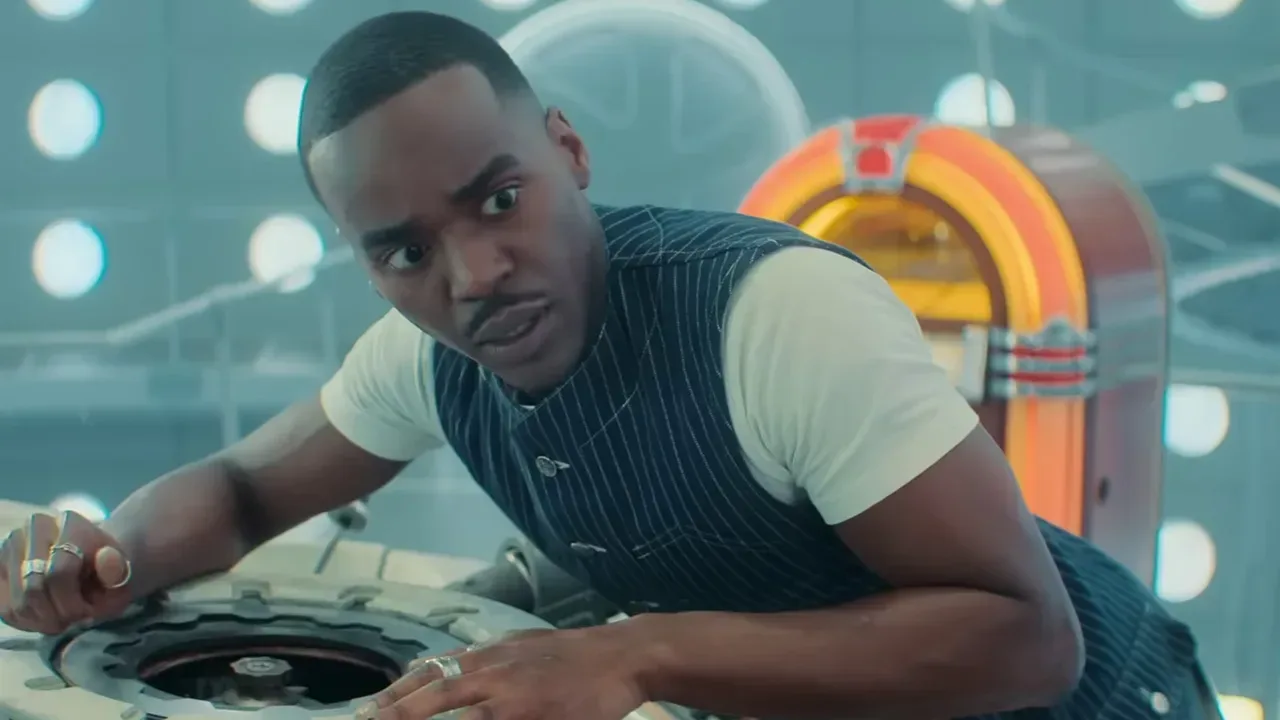
Davies has also described how uncertainty around a possible third season influenced the ending being planned. While that future was in flux, the finale was designed to culminate in an open-ended regeneration for Ncuti Gatwa’s Doctor. Gatwa filmed a final line and smile before the image moved into a golden glow.
Once the material was edited, Davies said the team felt the scene played less like an inviting mystery and more like the death of the entire show—especially from the perspective of younger viewers. That reaction explains an important creative concern: an ambiguous ending can preserve options behind the scenes, but it can send a very different emotional message to the audience if it appears final rather than tantalising.
A regeneration is a foundational Doctor Who concept. It is the fictional process through which the Doctor changes physical form, enabling the role to pass to a different actor. In production terms, it has long been one of the programme’s most useful storytelling conventions. It makes recasting part of the drama rather than an interruption to it. But the proposed version was deliberately open-ended, and that ambiguity apparently made the scene feel too much like a termination rather than a transition.
There is still no full public explanation for the chain of events that led to Gatwa’s exit being filmed. Reports, leaked images and actor interviews had indicated that the second-season ending was once set to conclude more positively, with a party involving the main cast and an appearance by Carol Ford, who played the Doctor’s granddaughter Susan in the original series. Davies has not detailed what prompted the later rewrite and reshoots.
That gap is worth respecting. The existence of reshoots and a revised ending does not, by itself, establish every reason behind them. What is clear from Davies’ account is that decisions about the show’s future were being made amid uncertainty, and that the final form of an ending can change substantially between an initial plan, filming and the edit.
The Christmas special that disappeared
Davies said the BBC wanted to announce a 2026 Christmas special alongside news that the Disney arrangement had ended, as a signal of continued commitment to the show. Yet he had doubts from the start, including basic questions about what the special would be, who it would focus on and how it would be funded. He ultimately allowed his name to appear on an announcement despite feeling uneasy about it.
That special is now not happening. Its absence is significant because holiday specials can do more than fill a scheduling slot. In a programme such as Doctor Who, they can introduce a Doctor, resolve a recent story, restore momentum after a break or simply reassure viewers that the series remains active. Without one, the Billie Piper development stays unresolved for longer, while the franchise’s next operational steps remain unsettled.
Davies also said the possibility of putting the show out to tender had been discussed internally, though he had expected it to be a matter for 2028 or 2029. A tender is a formal process in which an organisation invites companies to compete to provide a service or produce a programme. In this case, it means the BBC is seeking a production partner for the next stage of Doctor Who.
That process shifts the immediate question away from plot alone. The next team will not merely decide what Piper’s appearance means. It will need to establish its own production plan, decide whether it wants continuity with the previous era, and work out how best to return a major ongoing series to the screen. Similar uncertainty is familiar across television: discussions about future seasons do not equal a formal renewal, as with the distinction between Lanterns season-two discussions and an official renewal.
Davies describes the Disney decision as a business matter
Davies said the fate of the Disney co-production was determined through discussions between Disney and the BBC, rather than by Bad Wolf, the production company associated with his era. He said the team did not know what was happening while he was writing the second season, though he personally suspected the arrangement would not continue. He had already begun developing other work for other broadcasters.
He added that delivering a third season would have been difficult for him but manageable. This is a useful correction to any attempt to frame the transition as one simple cause-and-effect story. A co-production’s end, an actor’s departure, changing plans for a finale and a showrunner moving on may overlap, but they are not automatically the same decision or attributable to one party without further evidence.
For audiences, the practical outcome is simpler: there is currently no announced new season, no Christmas special, no identified successor production company and no disclosed resolution to the Piper storyline. There is also no basis for treating a particular fan theory as the answer.
Leaks, spoilers and the cost of working under suspicion
The other major subject in Davies’ account is his anger over leaks during the Gatwa era. He said key plot points appeared online as much as a year before transmission and argued that the leaks harmed the programme’s profile by encouraging cynicism. In his description, viewers encountering a leaked premise might imagine its worst possible version before seeing the finished episode, then approach the episode expecting disappointment.
That is an analysis of audience behaviour, not a measurable claim about every viewer. The reported leaks circulated particularly in dedicated fan spaces and leak-focused forums, rather than necessarily reaching the full television audience. Still, the production impact Davies describes is concrete: the team worked knowing information was escaping, without knowing precisely who was responsible.
Davies said the BBC traced the individual posting information online to a member of the public, but that the person may have received details indirectly from somebody in the long delivery chain involved in producing episodes. He said there was no legal right to access that individual’s emails and that pursuing a prosecution over copyright concerns could have looked excessive.
This account illustrates why secrecy in modern television is difficult to reduce to a single locked room. Episodes can pass through many technical stages and suites: editing, sound, visual-effects work, mastering and delivery are among the kinds of processes Davies alluded to. Every handoff creates another opportunity for information to travel, even if the original source is not the person who eventually posts it.
Davies said the uncertainty generated difficult conversations and suspicion among colleagues. That may be the most damaging aspect of a leak problem. Spoilers can blunt a planned surprise, but an unidentified leak can also alter the working atmosphere for people who had nothing to do with it. His frustration is plainly personal, and his language toward the unknown source is similarly uncompromising.
What the next Doctor Who team actually inherits
The new team’s task is larger than resolving one reveal. It inherits a franchise in a pause, an unfinished element involving Billie Piper, the aftermath of a revised finale and a fan community that has had to navigate repeated uncertainty. Yet it also inherits one of television’s most adaptable premises.
- The Piper appearance: available as a major story hook, a smaller explanation or a thread to leave behind.
- The format: a built-in capacity for a new Doctor, new companions, new tone and new creative priorities.
- The immediate challenge: restoring clarity around who is making the show and what comes next.
- The audience challenge: offering a return that feels intentional rather than merely administrative.
Davies’ argument is ultimately not that unanswered questions never matter. It is that Doctor Who is unusually equipped to survive them. Whether the next production team treats the cliffhanger as a prize, a problem or a brief footnote will be one of its first meaningful creative decisions.