A BBC executive has offered a striking illustration of how quickly generative AI is intruding on established screen franchises: he says he was sent a 50-minute, AI-generated episode of Doctor Who.
Matt Brittin discussed the technology at the Royal Television Society conference, describing the submitted episode as “pretty good” while making a clear distinction between technical capability and creative replacement.
“Somebody sent me a 50-minute episode of Doctor Who that was AI-generated the other day. It’s pretty good,” Brittin said. “I mean, it’s not going to replace humans.”
That combination of surprise and restraint is the important part. A full-length AI-made episode, if generated as described, is a very different proposition from a short synthetic clip, an AI-assisted storyboard, or a fan-made image. But Brittin did not suggest it was an official production, a future episode, or evidence that the BBC intends to substitute a human creative team with software.
Instead, the comments arrive during an unsettled period for Doctor Who, with the show’s next full phase still unclear.
What Brittin’s comments do—and do not—say
Brittin’s central observation was that content-creation tools are becoming widely available. He argued that billions of people can now create work at a standard associated with a Hollywood studio, and said that this expansion of access is not inherently negative.
In practical terms, “AI-generated” can cover several very different workflows. Generative AI refers to systems that create new material—such as text, images, sound, video, or combinations of them—from instructions and patterns learned during training. A claimed 50-minute episode could potentially involve generated visuals and dialogue, conventional editing, human-written prompts, human-curated outputs, or other production steps. No further details about the episode’s process, its quality beyond Brittin’s brief reaction, its creator, or its contents were provided.
That missing context matters. “Entirely AI-generated” sounds definitive, but it does not automatically tell an audience how much human judgment was involved in planning, selecting, arranging, revising, or finishing the work. It also does not establish whether a piece can meet the full range of demands placed on an official television episode: coherent storytelling, performances, continuity, rights management, editorial responsibility, and the many collaborative choices that shape a long-running drama.
Brittin’s “not going to replace humans” qualifier directly pushes back on the simplest reading of the demonstration. The takeaway is not that an AI-made Doctor Who episode is about to air. It is that a person was able to send an executive something feature-length in the style or form of the show, and that the result was credible enough to prompt serious attention.
Why Doctor Who makes the example especially resonant
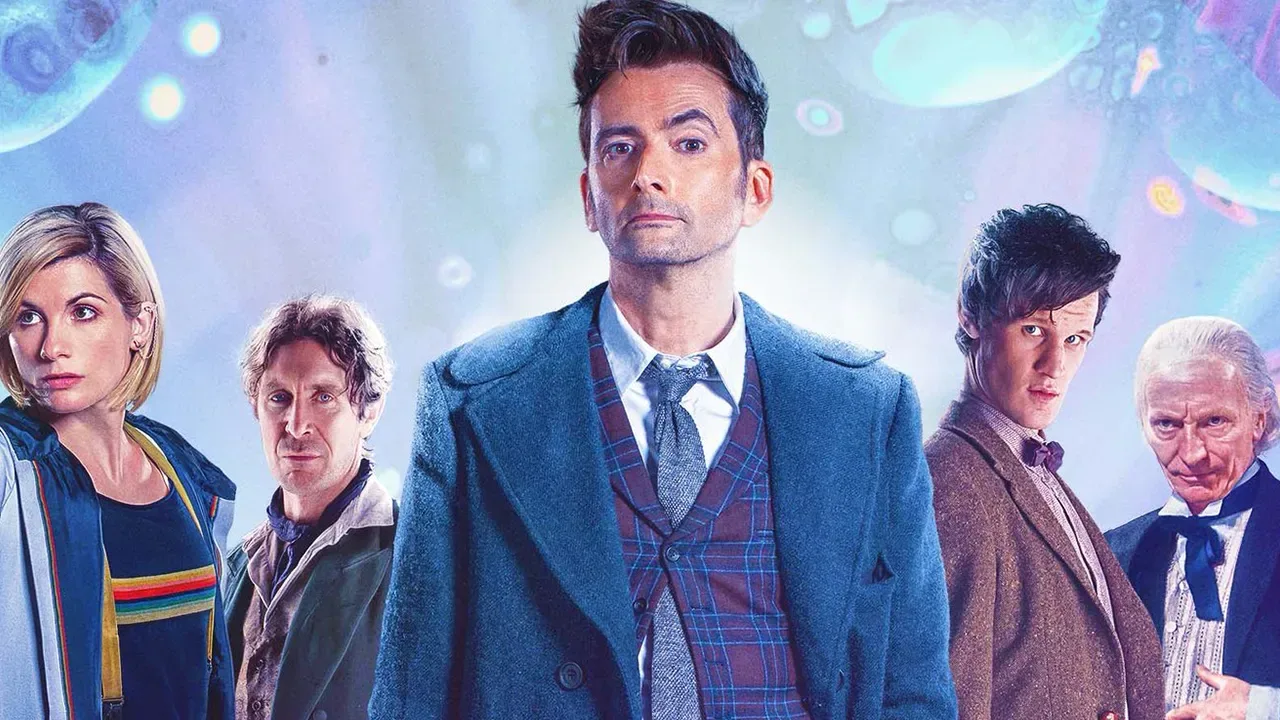
Doctor Who is not a blank canvas where a convincing spaceship shot or an imitation title sequence would settle the question of quality. It is a series defined by changing leads, returning ideas, tonal variety, character relationships, monsters, mysteries, and a vast amount of continuity. That makes it a useful test case for the gap between generating media assets and making a television episode people consider meaningful.
An AI system may be able to assemble something that resembles familiar genre television. Yet resemblance is only one piece of authorship. For an official continuation, creators would still need to decide what the Doctor’s regeneration means, which narrative threads deserve continuation, what emotional resolution is earned, and how the series should move forward after its present pause.
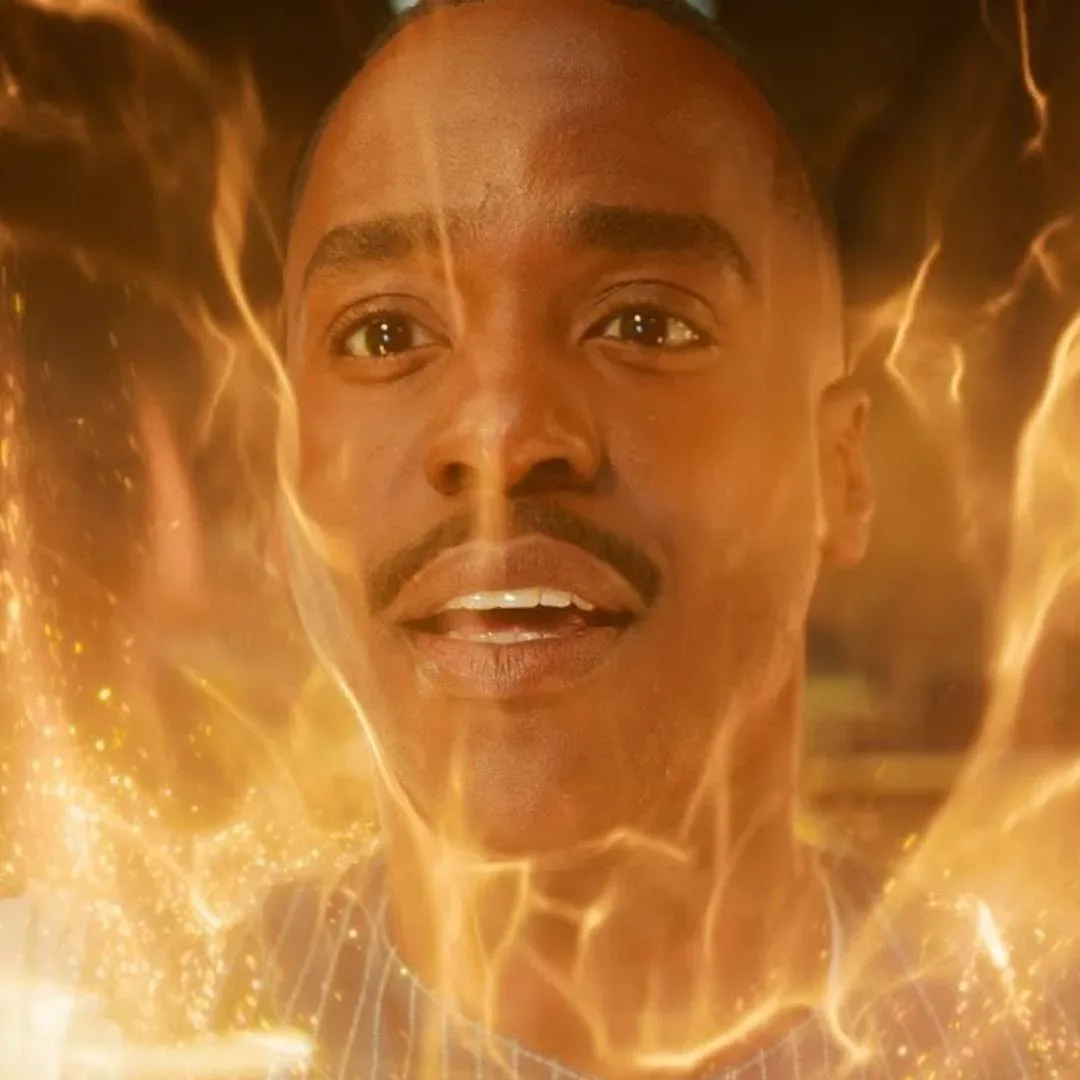
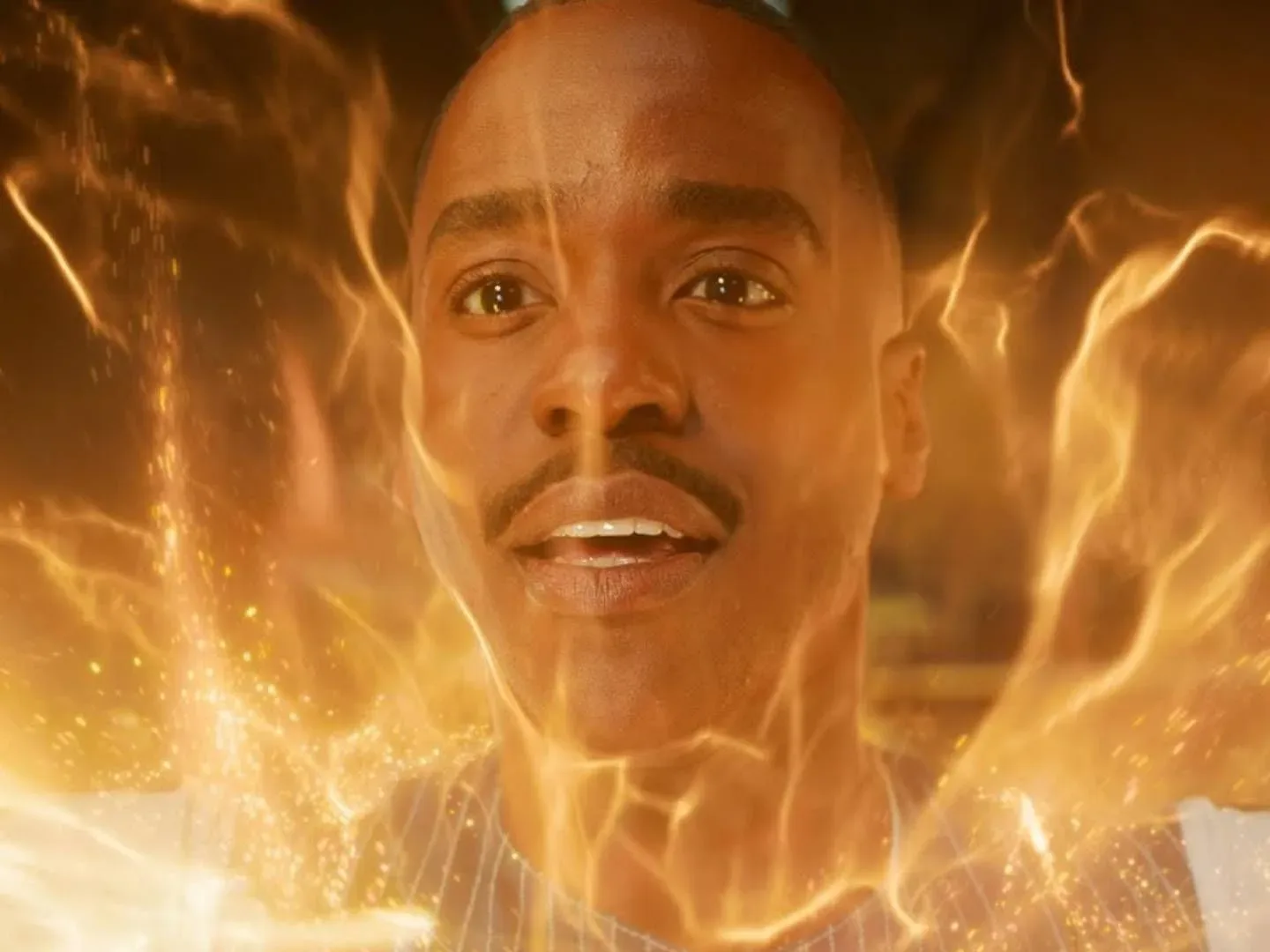
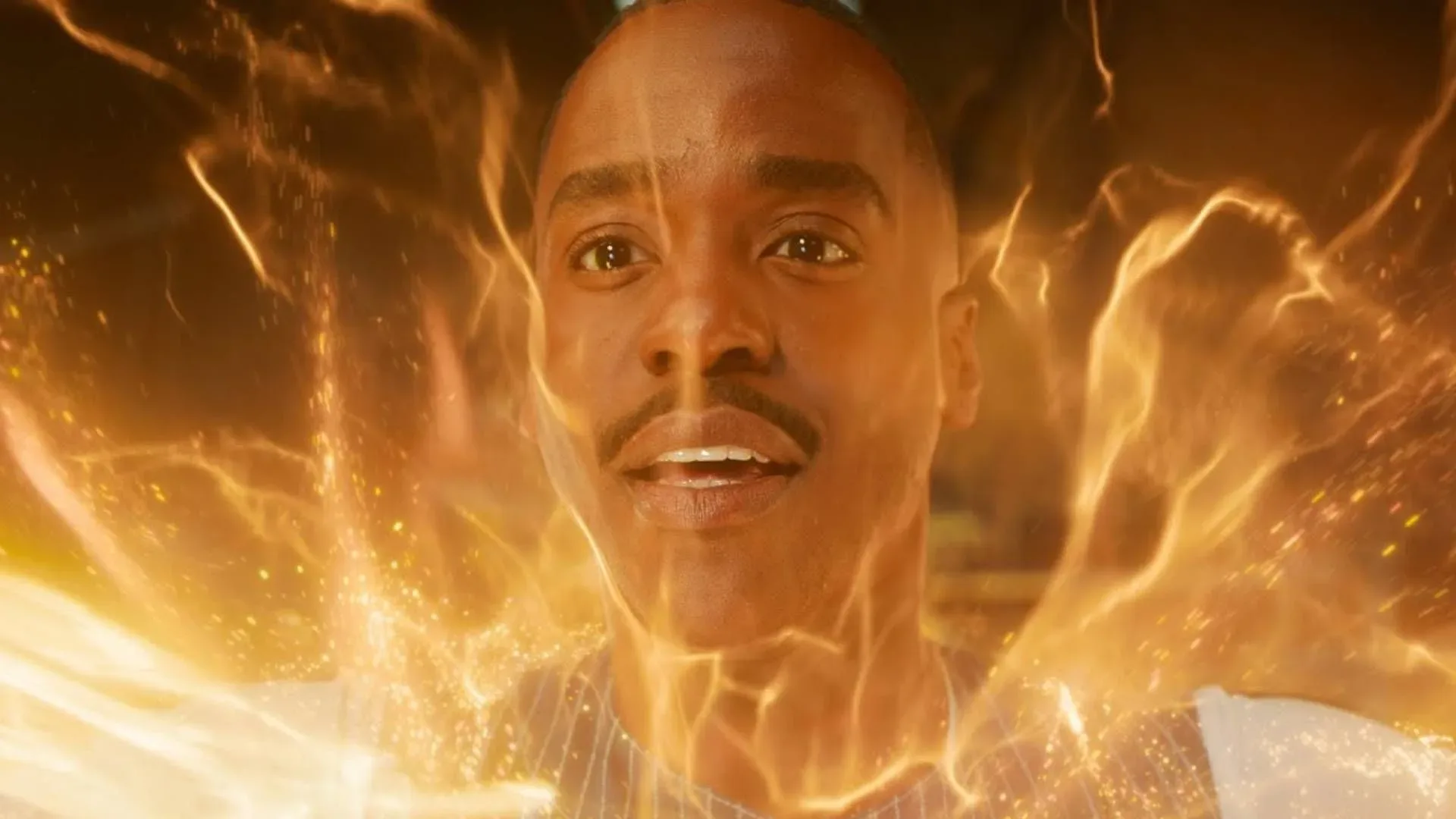
Those questions are especially live now. Ncuti Gatwa left the programme after two seasons. Its latest cliffhanger saw the Doctor regenerate into Billie Piper, but that development may not receive an immediate resolution: a planned Christmas special will not happen, and Russell T Davies has exited as showrunner. The BBC is also putting Doctor Who out to tender.
The absence of a one-off special means the current cliffhanger is not being used as a short bridge while the programme’s future is decided. The BBC said the choice was made to invest in the show’s long-term future instead.
“This decision was not taken lightly, and we know it will be disappointing for fans,” the BBC said. “Rather than bridge the gap with a one off special, we are choosing to push forward to invest in the long-term future of the show which ensures that when the TARDIS lands once more, it does so in all its glory.”
That statement frames the pause as a strategic decision rather than a simple abandonment of the series. It does not, however, provide a new premiere date, name a successor showrunner, or explain how the regeneration cliffhanger will be addressed.
Accessibility is not the same as replacement
The tension in Brittin’s comments mirrors a wider debate around generative tools. Easier creation can broaden participation: fans and aspiring filmmakers can turn an idea into a scene, trailer, concept, or longer experiment without the resources traditionally required for a screen production. A viewer who once could only write a piece of fan fiction may now be able to construct audiovisual material around it.
But access to powerful tools does not settle questions of value, authorship, or responsibility. A major series involves more than output. Human creators set a point of view, make choices between competing ideas, work with performers and departments, take accountability for the result, and build a production around legal and ethical obligations. Brittin’s remarks recognize that AI can make impressive material while maintaining that people remain essential.
For fans, the immediate practical implication is caution around unofficial material. The existence of plausible AI work can make it increasingly easy for a supposed “episode,” trailer, casting clip, or announcement to circulate without any connection to the people who own or produce a programme. A long runtime is not verification, and neither is polished imagery.
- Look for confirmation from the programme’s official channels or broadcaster before treating a video as genuine.
- Be wary of posts that use cliffhanger anxiety or a lack of announced information to sell an alleged leak.
- Separate fan experiments from official productions, even when the former are technically impressive.
- Remember that a generated clip can imitate familiar visual and audio cues without carrying authoritative story information.
The growth of AI-assisted media is already reaching interactive entertainment as well. For one recent example of a game explicitly presenting a local AI-driven character concept, see this report on a PC horror project built around an AI captor. That does not make television and games identical, but it underlines how quickly AI is becoming a creative and marketing talking point across entertainment.
An unusual moment for an unusually adaptable show
There is an obvious irony in this particular franchise becoming an AI talking point. Doctor Who has long been associated with reinvention, changing faces, altered eras, and new creative teams. Yet its present transition is occurring through real-world production decisions, not a fictional reset button. The show’s next move depends on the tender process and the BBC’s stated intention to put resources toward a longer-term future.
Meanwhile, Brittin’s AI anecdote is best understood as evidence of a new creative reality rather than a replacement plan. A 50-minute AI-generated work reaching a senior BBC figure is notable. His response is notable, too: impressed enough to call it “pretty good,” but explicit that it will not replace people.
For a series awaiting clarity after a regeneration cliffhanger, that distinction should be reassuring. Software may be able to generate an approximation of an episode. The future of the actual TARDIS, however, remains a human decision—and one the BBC says it is preparing to make with the show’s long-term return in mind.