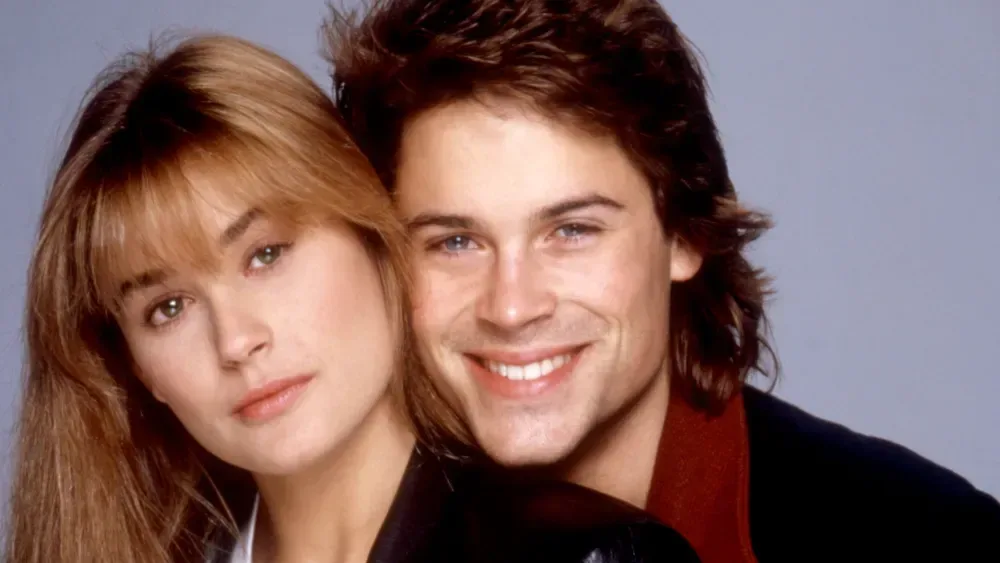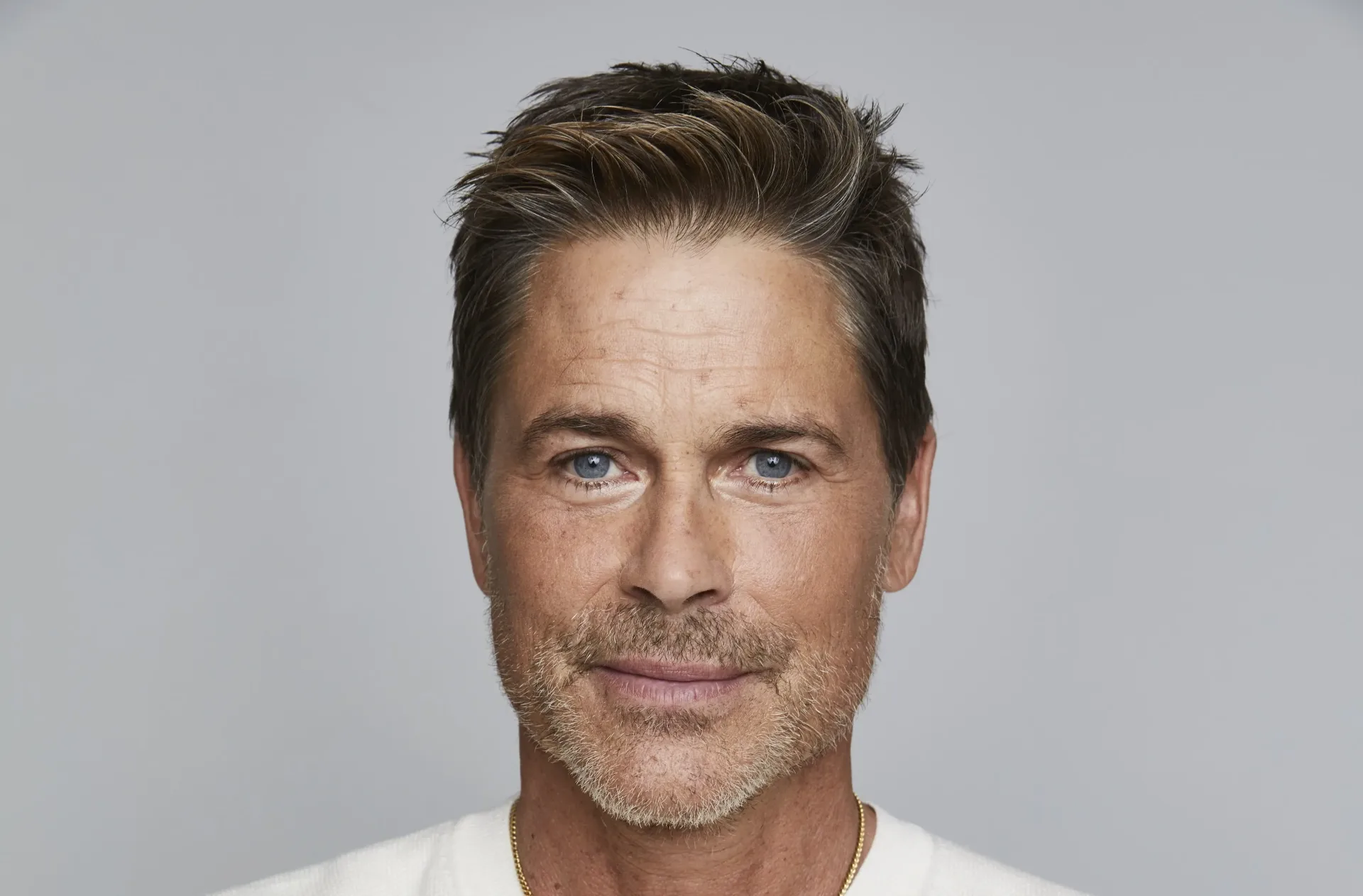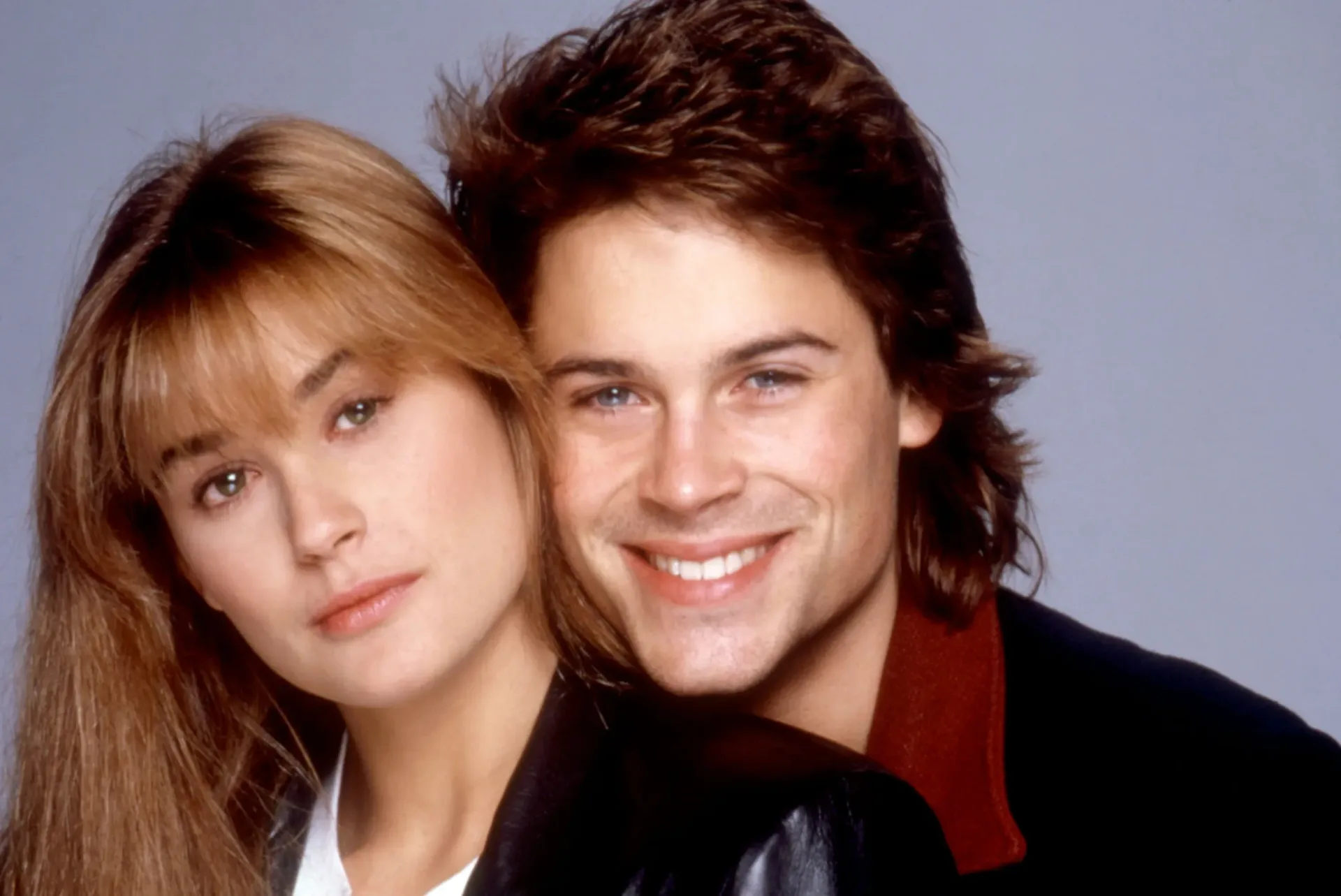
A sequel to St. Elmo’s Fire is still moving through development, and Rob Lowe has offered the clearest status update yet: the project is “definitely in the works,” with the actors expecting a draft of the screenplay during the first week of October.
That is meaningful progress for a follow-up first discussed publicly in 2024, but it is also important to keep the scale of the update in perspective. A script draft is a development milestone, not a confirmation that cameras are ready to roll. No production start, release date, director, writer, plot, or final cast list has been disclosed.
Lowe indicated that the principal actors want to participate. His comments suggest the sequel’s development is centered on reuniting the original ensemble where possible, rather than simply reviving the title with an unrelated set of characters. Still, wanting to return and being officially attached are different things, particularly before a finished screenplay establishes which characters are needed and how substantial their roles would be.
What has actually been confirmed
The available information supports a restrained but encouraging reading of the project’s status:
- A St. Elmo’s Fire sequel is in development.
- Lowe says the original actors want to make it.
- The performers were expected to receive a script draft in the first week of October.
- Development conversations involving the studio had already been underway in 2024.
- Demi Moore previously said discussions were happening and that the studio was seeking the right writing partner.
Just as important is what has not been established. There is no announced screenplay credit, no publicly named producer or director for the sequel, and no indication that a distribution plan has been set. The draft Lowe mentioned could be an early version intended to collect cast feedback, determine whether the ensemble responds to the proposed story, or help guide the project toward the next stage.
Why the screenplay draft matters
In film development, a screenplay draft is the written version of the proposed movie at a particular moment—not necessarily the version that will be filmed. Drafts can change substantially after notes from a studio, producers, creative collaborators, and prospective cast members. A project can move from an early draft to rewrites, stall while key elements are reconsidered, or advance toward casting and production planning.
For an ensemble sequel, the script has an added job. It must give returning characters a reason to reconnect while also finding a story that works decades after the original. That is not simply a matter of placing familiar faces in the same room. The new film would need to decide how much its drama belongs to the former friends’ current lives, how much it draws on their shared history, and whether it introduces younger characters or confines the focus to the original group.
None of those creative choices have been detailed. That makes the incoming draft the key item to watch, rather than a promise of an imminent release. It is the first concrete sign that the project may be moving from broad interest and studio discussions toward a specific story.
Related coverage includes Rob Lowe Says ‘St. Elmo’s Fire’ Sequel Is Moving Forward.
The original film’s ensemble remains central
Released in 1985, St. Elmo’s Fire featured Lowe, Moore, Emilio Estevez, Andrew McCarthy, Ally Sheedy, Judd Nelson, and others. Joel Schumacher directed and co-wrote the film with Carl Kurlander.
The film follows a close-knit group dealing with career pressures, commitment, and the demands of adulthood. Those concerns also sat at the center of a separate, ultimately unrealized television adaptation effort. NBC had been developing a modern series version in 2019, with Josh Berman attached to write and executive produce alongside Chris King. That series did not materialize.
The abandoned TV project is useful context because it shows that the property has attracted more than one attempt at a modern continuation or reinterpretation. The current effort, however, is being discussed as a sequel, not a new TV adaptation. That distinction matters: a sequel can build directly on the original characters and the actors associated with them, while a modern adaptation would generally have greater freedom to recast and reframe the premise.
What returning cast interest does—and does not—mean
Lowe’s statement that the actors want to do the sequel is probably the most promising element of the update for longtime viewers. Reassembling a large ensemble is often one of the practical hurdles facing a legacy follow-up. Interest from the actors can help a project gain momentum and can inform the shape of a screenplay.
But it does not lock every participant into a deal. Until attachments are officially announced, there is no basis to treat any individual return as final. A script can also make room for some original performers without including every former cast member in an equal capacity. Availability, contracts, creative direction, and the final story all remain unresolved.
That uncertainty is not unusual at this point. The project was characterized as very early when Lowe spoke about discussions in 2024, and Moore’s comments at the time similarly made clear that the writing partner was still being sought. The expectation of a draft indicates movement since those early conversations, while leaving plenty of work ahead.
A legacy sequel needs more than nostalgia
The basic opportunity for a new St. Elmo’s Fire is straightforward: the original premise dealt with people learning that friendship does not pause adulthood’s complications. Revisiting those characters much later offers a natural way to explore how relationships change over long stretches of time.
That is analysis rather than a disclosed story outline. No plot has been announced, and no one involved has specified what conflicts the sequel will tackle. Still, the original’s interest in work, commitment, and responsibility helps explain why the property can support a sequel without needing to repeat the exact circumstances of 1985. A successful continuation would likely need to acknowledge the passage of time rather than treat it as an obstacle to be ignored.
The challenge is equally clear. Nostalgia can create initial curiosity, but a sequel needs a current dramatic purpose. The screenplay will have to balance the audience’s familiarity with the characters against the need to give them new stakes. It must also decide whether prior knowledge is essential or whether the new movie can welcome viewers who know the title but have not recently revisited the original.
Those are creative questions the reported script draft may begin to answer. Until there are official details, claims about story direction, character arcs, or the scope of the returning ensemble would be speculation.
How this project fits the broader revival landscape
Film and television development regularly revisits established titles, but each revival follows a different path. Some become direct sequels; others are remakes, reboots, limited series, or standalone projects borrowing only a recognizable premise. The format matters because it shapes expectations around continuity and casting.
The St. Elmo’s Fire project is currently described as a sequel, placing it closest to the direct-continuation model. Its development also arrives amid other efforts to revisit familiar film properties, including a reported new standalone take on Sleeping Beauty. The shared lesson is not that every established property is guaranteed to return, but that a recognizable title alone does not reveal the final form of a project. The creative team, story, rights arrangements, talent participation, and studio priorities ultimately determine whether development becomes a finished release.
For St. Elmo’s Fire, the potentially distinctive factor is the stated enthusiasm from actors connected to the original. That creates a route toward continuity that the earlier TV adaptation would not necessarily have offered. Yet the sequel still has to clear the normal development steps that stand between a draft and a greenlight.
What fans should watch for next
The next reliable update would be an official announcement identifying some combination of the writer, director, producers, returning cast, or production plans. Confirmation that the actors have received and responded to the draft could also clarify whether the screenplay is becoming a viable vehicle for the group Lowe referenced.
Until then, the most accurate description is that the sequel is active but early. There is an expected script draft and apparent enthusiasm from original cast members, but there is no announced start date or release timetable. Fans can reasonably see the update as progress—just not as a completed return to St. Elmo’s Bar.