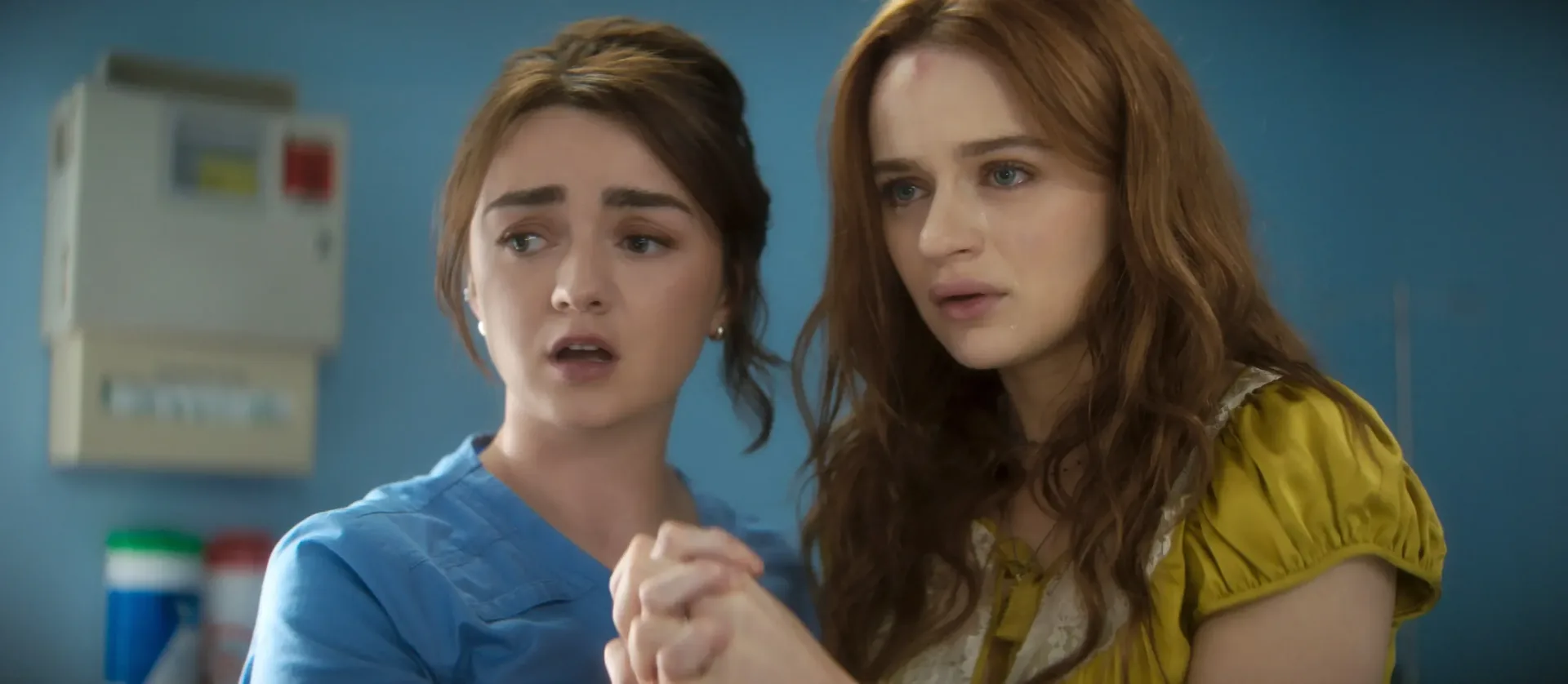
For fans of Practical Magic, the announcement of a sequel brings a particularly potent sort of excitement: the chance to revisit a story and characters that have stayed meaningful for nearly three decades. It also brings the inevitable sequel question that can turn even a cozy supernatural reunion into a cauldron of debate: who returns, who does not, and what happens when familiar roles are played by new people?
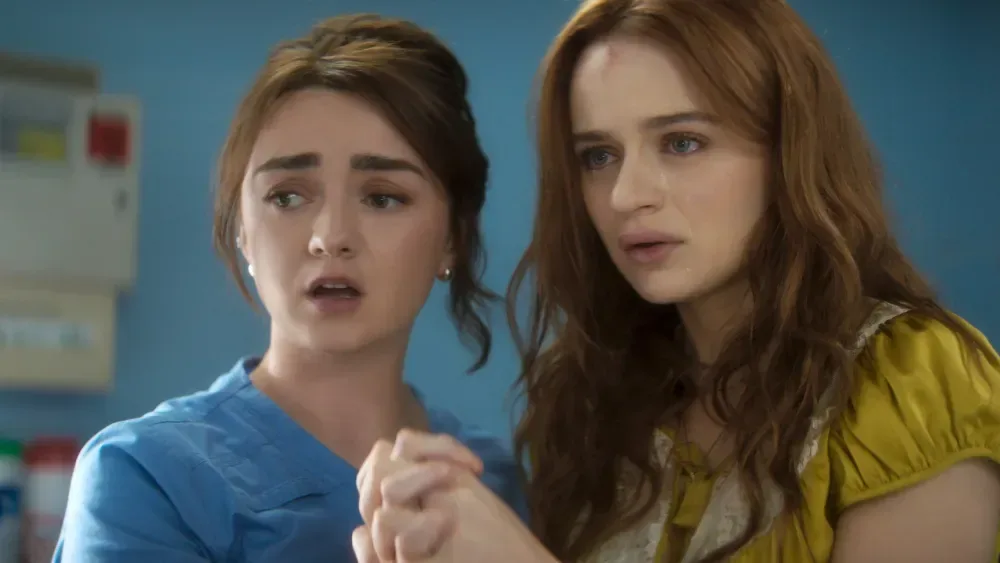
Alexandra Artrip, who played Antonia Owens in the 1998 film, has offered a notably generous response to that last question. Artrip’s character, one of Sally Owens’ daughters, will be portrayed by Maisie Williams in Practical Magic 2. Evan Rachel Wood, who played Antonia’s older sister Kylie Owens in the original, is likewise not returning; Joey King has been cast as Kylie.
Rather than encourage the wave of frustrated commentary that has followed the news, Artrip has asked viewers to keep the conversation constructive and to give the sequel an honest opportunity. It is a measured message from someone with a direct connection to a movie that has accumulated a passionate audience over the years.
A legacy role, revisited by another actor
Artrip played the younger of Sally Owens’ two daughters, with Sandra Bullock portraying Sally. Wood played Kylie. The new film’s decision to recast both sisters became an especially visible point of discussion after Wood said that nobody involved with the first film had contacted her about returning. Wood did note that King had reached out, describing the actor taking on Kylie as kind.
Artrip addressed comments left around her social-media posts, where fans had voiced support for her and Wood while criticizing the production’s casting choice. Her response separated the feeling behind those posts from the direction they sometimes take. She recognized that people are trying to defend the original performers and the film’s personal importance to them. But she also made clear that she does not want her own online space to become a venue for hostility toward the new cast or the production.
Artrip’s central request was simple: support for the original does not have to become negativity toward the sequel.
That distinction matters, particularly for a property like Practical Magic. Nostalgia is not a neutral force. Audiences often carry a beloved film forward through rewatching, shared family traditions, favorite scenes, costumes, music, and memories of the specific moment in life when they first encountered it. When a continuation arrives, casting is not merely a production-credit question. It can feel like an alteration to a memory.
Still, a sequel is not able to travel backward and recreate the conditions of the 1998 film. It has to make decisions for the story it is telling now, with performers at different points in their careers and characters at different points in their fictional lives. Artrip’s remarks do not require fans to abandon their attachment to the first film. Instead, they make room for that attachment without treating new performers as targets for a decision they did not make.
Related coverage includes Alexandra Artrip Urges Openness Over Practical Magic 2 Recasting.
Why the sequel recast Antonia and Kylie
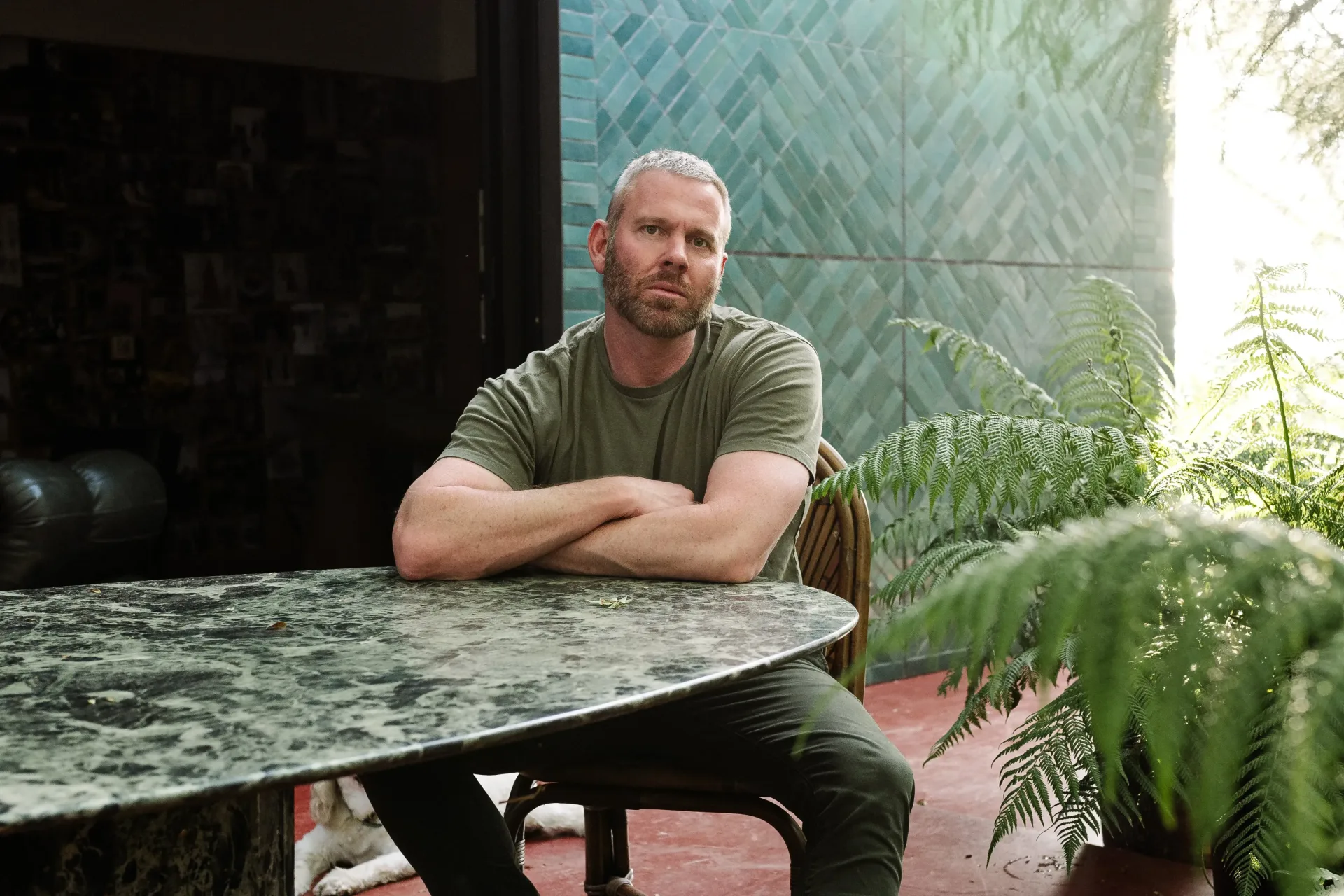
Director Susanne Bier has characterized the recasting as a story-based necessity rather than a personal choice. The sequel places the Owens sisters at a stage in life just beyond college, meaning the characters needed to be played as young adults who had recently completed that transition. In Bier’s explanation, that made the need for new casting straightforward.
It is an explanation that speaks to a familiar sequel challenge: time passes outside a fictional world, but it does not always pass in the same way inside it. A returning franchise may skip years, revise its focus, or set its next chapter at a point that requires a different age range than the original cast can plausibly inhabit. The decision can be disappointing for viewers who hoped for an exact reunion, but it is not automatically a statement about the value of the previous performers or their work.
Williams and King therefore enter the film with a difficult but potentially rewarding task. They are not just playing two characters in isolation. They are portraying Antonia and Kylie after audiences have spent years associating those names with Artrip and Wood. Any actor in that position has to balance the recognizable shape of a role with the need to make it live as a new performance.
Artrip specifically praised Williams and King as performers and said she believed the creative team made the decision it considered best for the film’s prospects. Her stance is useful because it puts attention where it belongs: on the work still to be seen, not assumptions about the motives behind a casting sheet.
The original film remains its own spell
One of the clearest parts of Artrip’s message is that the original Practical Magic cannot be taken away by a sequel. That should be obvious, yet long-running entertainment conversations can make it easy to forget. A new entry does not replace the older movie in anyone’s collection, erase its performances, or change the emotional connection viewers already have with it.
That permanence is part of why the stakes can feel so high in the first place. The 1998 film is a fixed piece of pop culture, while the follow-up remains an unknown quantity until viewers can see it for themselves. Fans can preserve the earlier film exactly as they remember it while being curious, cautious, enthusiastic, or all three about the next installment.
For collectors and physical-media fans, that separation is especially intuitive. A cherished original item does not become less meaningful because a contemporary edition appears beside it. Different releases, interpretations, and eras can coexist. The first film’s cast and its particular moment in cinema remain distinct from the choices of a follow-up created years later. That is also true when a property expands into newer material or returns to public conversation through a new generation of performers.
The same broad idea can be seen across screen culture: legacy often depends less on strict replication than on whether new work understands why audiences cared in the first place. Some continuations lean hard into continuity; others use a fresh perspective. Neither route guarantees success, and neither can be fairly assessed from a casting announcement alone.
Artrip said she is glad to revisit her memories of the film and is excited that the world can continue to grow with a new novel and additional material in 2026. Her comments frame the continuation as an extension rather than a deletion. That is a grounded way to view a sequel built around a property with such a long relationship to its audience.
What an open-minded viewing actually means
“Give it a shot” is not the same as declaring every creative decision beyond criticism. It means reserving judgment until the work exists in full. Fans are free to prefer the original performances, wish that Artrip and Wood had returned, or find that the sequel’s direction does not suit their expectations. But those reactions can be expressed without placing blame on Williams and King for accepting roles.
- Recognize the original actors’ place in the film’s legacy. Artrip and Wood remain part of what viewers remember about the Owens family.
- Separate a production decision from the actors cast in the new roles. The performers joining a sequel are not responsible for fans’ disappointment about who was not invited back.
- Let the completed story provide the evidence. Casting alone cannot reveal how the characters, plot, tone, or themes ultimately work together.
- Keep the first film available in the conversation. Appreciation for an expansion of the world does not require rewriting the significance of the 1998 movie.
This is not an argument against emotion. Franchises and cult favorites endure because people care intensely. The more constructive version of that care is the one Artrip has advocated: celebrate the memories, acknowledge the disappointment without turning it into a pile-on, and allow the new cast a chance to show what they bring to the roles.
It is also worth remembering that audiences often experience older films through a web of associations that no sequel can duplicate. The original’s cast, its era, and the time when someone first saw it are inseparable from that experience. A new chapter has no obligation to replicate a viewer’s personal past. Its job is to tell its own story in the same world, and viewers can decide afterward whether that story earns a place beside the first one.
September 10 is the next date for the Owens world
Practical Magic 2 is scheduled to open in theaters on September 10. Until then, the recasting debate will likely remain a major part of the conversation, precisely because the original film’s audience still feels protective of its characters and performers.
Artrip’s intervention gives that discussion a healthier center. She has not dismissed the audience’s attachment to the 1998 film; she has affirmed it. At the same time, she has urged people not to turn affection for the old cast into animosity toward the actors stepping into the next chapter. Bier’s explanation establishes that the roles were recast to fit the sequel’s post-college version of the characters, while Artrip’s response emphasizes the human side of the issue: a continuation can honor old memories without demanding that everyone involved be treated as though they are interchangeable.
For more on how a theatrical format can shape the experience of a new release, see our guide to why IMAX feels different. Whatever format audiences choose, the meaningful test for Practical Magic 2 will arrive when the film itself is on screen—not in the assumptions made beforehand.