Dan Trachtenberg may be trading the Predator universe for a very different kind of Disney property. The director is reportedly developing and directing an untitled film inspired by Disney’s animated Sleeping Beauty, with the project expected to take the familiar material in a new direction.
At this early stage, the most important word is reportedly. There is no announced release date, cast, plot synopsis, format, production timetable, or title. What has been described is a creative setup: Trachtenberg and television writer Rayna McClendon developed the underlying idea, while Alex Anfanger and Dan Schimpf are set to write the screenplay. Trachtenberg is attached to direct.
That combination makes this more than a simple case of a director being handed a recognizable title. The reported division of responsibilities suggests the project begins with a shared concept from Trachtenberg and McClendon, which Anfanger and Schimpf would then shape into a feature script. In film development, that distinction matters. An idea, a treatment, and a screenplay are related but separate stages; a film can be discussed publicly while its actual story remains far from settled.
A Sleeping Beauty project with no revealed plot
Nothing specific has been disclosed about the film’s narrative. That means audiences should be wary of assuming it will retell the animated movie scene for scene, center a particular character, borrow a genre from Trachtenberg’s previous work, or resemble another Disney revision of a classic story. The only firm creative description is that the movie is intended to go in an entirely different direction.
“New direction” is necessarily broad language. It can refer to perspective, tone, structure, setting, genre emphasis, or the relationship between characters. Until a logline or official synopsis arrives, it does not tell us whether this will be a fantasy adventure, a darker reworking, a comedy, a thriller, or something else entirely. It also does not establish which elements from the animated film will remain central.
One point has been reported more clearly: the new film is expected to have no connection to the two live-action Maleficent films starring Angelina Jolie. That is useful clarification because shared fairy-tale material can easily create assumptions of continuity. A film can revisit the same broad story territory without being a sequel, prequel, spinoff, or crossover. Here, the reported intent is a separate project rather than another chapter in that existing live-action branch.
Why Trachtenberg’s involvement is the headline
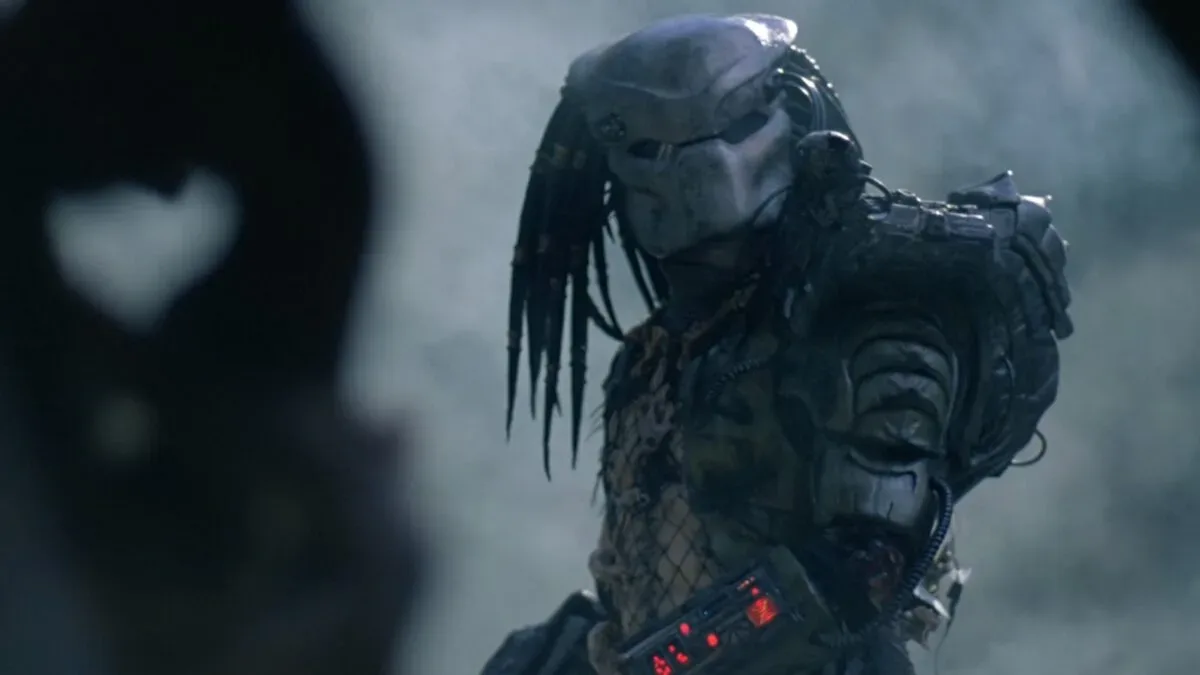
Trachtenberg’s name carries particular weight because of his recent association with Predator. His 2022 Hulu film Prey gave the long-running science-fiction franchise a widely embraced new entry. He subsequently worked on two additional projects set in that universe: the theatrical Predator: Badlands and the Hulu animated anthology Predator: Killers of Killers.
Those credits explain why a prospective Sleeping Beauty movie stands out. On paper, a classic Disney animated property and a franchise built around extraterrestrial hunters occupy radically different corners of popular culture. But the contrast is not proof that the proposed movie will be a genre collision. There are no story details supporting speculation about horror, action violence, science fiction, or any other stylistic import from the Predator films.
Related coverage includes Dan Trachtenberg Reportedly Developing a New Sleeping Beauty Film for Disney.
The more reasonable takeaway is simply that the director’s recent work has made audiences attentive to how he handles established intellectual property. IP, short for intellectual property, is industry shorthand for a recognizable creation—such as a film title, character set, or franchise—that can form the basis of a new production. A famous title offers instant awareness, but it also brings expectations from viewers who already know it in one form or another.
For a filmmaker, the challenge is usually to find a reason for a new version to exist beyond recognition alone. The reported promise of a new direction is therefore the central creative question around this project, not a minor piece of promotional language. What, exactly, distinguishes this film from the animated feature and from the Jolie-led Maleficent movies? At present, that question is unanswered.
What “development” does and does not mean
It is also worth separating development from production. A project in development is being shaped creatively and logistically. That can include refining its concept, drafting or revising a script, identifying a director, and making decisions about its eventual form. It does not necessarily mean cameras are about to roll.
The reported involvement of credited screenwriters is meaningful, but it should not be mistaken for confirmation that the script is complete. Likewise, an untitled project has not necessarily settled on the name viewers will eventually see in theaters or on a streaming service. Early reports often provide a snapshot of who is connected to a film at that moment, rather than a final production blueprint.
That uncertainty is especially relevant here because Trachtenberg is currently in pre-production on an unknown, non-Predator movie for Paramount. Pre-production is the work that precedes principal photography, including planning and preparation. The existence of that commitment does not cancel the reported Disney project, but it does mean there is no basis for predicting when a Sleeping Beauty film might move forward.
Fans hoping for another Predator feature or series from Trachtenberg may see the report as a detour. It is more accurate to call it a possible addition to his slate. A director can be attached to projects at different stages, and a reported development assignment is not, by itself, evidence that an existing franchise relationship has ended. No further Predator project involving him has been confirmed here, and no statement has established that one will never happen.
The practical implications for Disney’s fairy-tale adaptations
The proposed film also arrives in a landscape where audiences increasingly distinguish between projects that share a brand and projects that share a continuity. The Maleficent clarification is therefore more than trivia: it sets an expectation that viewers need not catch up on those earlier live-action movies to understand this one, assuming the project reaches release in its reported form.
For viewers, the sensible approach is to keep expectations specific to what is known. The known elements are Trachtenberg’s reported role as director, the idea’s reported origin with McClendon, the screenwriting assignments for Anfanger and Schimpf, and the separation from the Jolie films. The unknown elements are nearly everything audiences normally use to judge a forthcoming movie: story, cast, visual approach, rating, release strategy, and date.
That is a substantial gap, but it is not unusual for an early-stage film report. It is also why the project should not be treated as a finished remake, a confirmed sequel, or a promise of any particular tone. The safest reading is that a director associated with a successful run of Predator projects is now reportedly assembling a distinct take on one of Disney’s classic animated stories.
There is a wider entertainment context, too. Large studios continue to revisit well-known properties, but familiar branding does not automatically define the creative result. The forthcoming Spider-Man: Brand New Day re-release, for example, illustrates how established screen franchises can keep evolving through new strategies and versions. Trachtenberg’s reported Sleeping Beauty film is at a much earlier point: its potential identity rests almost entirely on the people attached and the stated intent to make it separate from Maleficent.
What to watch for next
The next meaningful update would be an official confirmation that identifies the film’s title and story premise. Casting would also offer the first real indication of whose point of view the movie intends to prioritize. A production start, distributor details, or release window would add practical clarity, but none of those have been provided.
Until then, the report is notable precisely because it pairs a filmmaker closely associated with modern Predator entries with a Disney fairy-tale property, while drawing a firm boundary around the existing Maleficent films. It is an unexpected pairing, but its actual shape remains unrevealed.