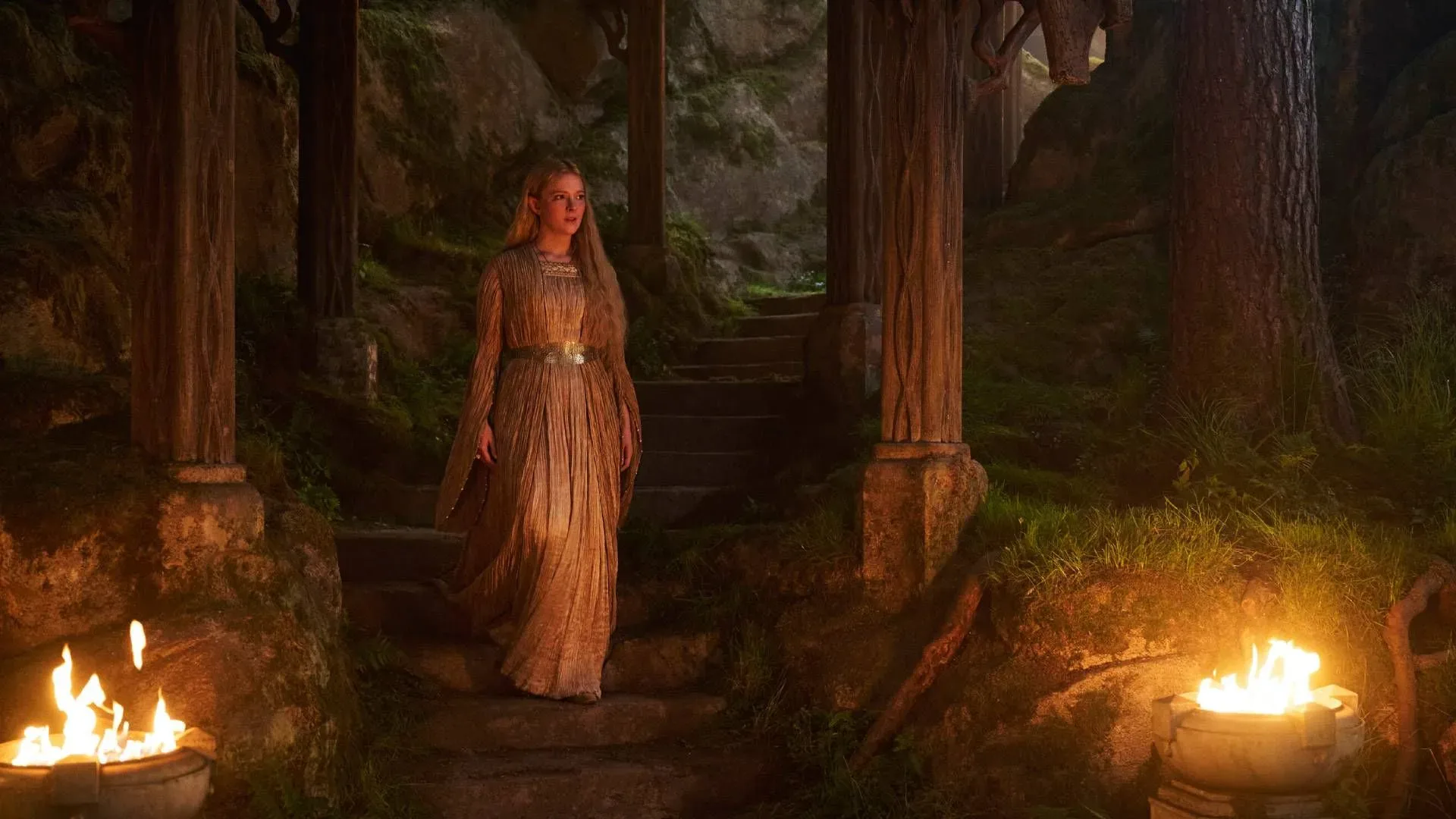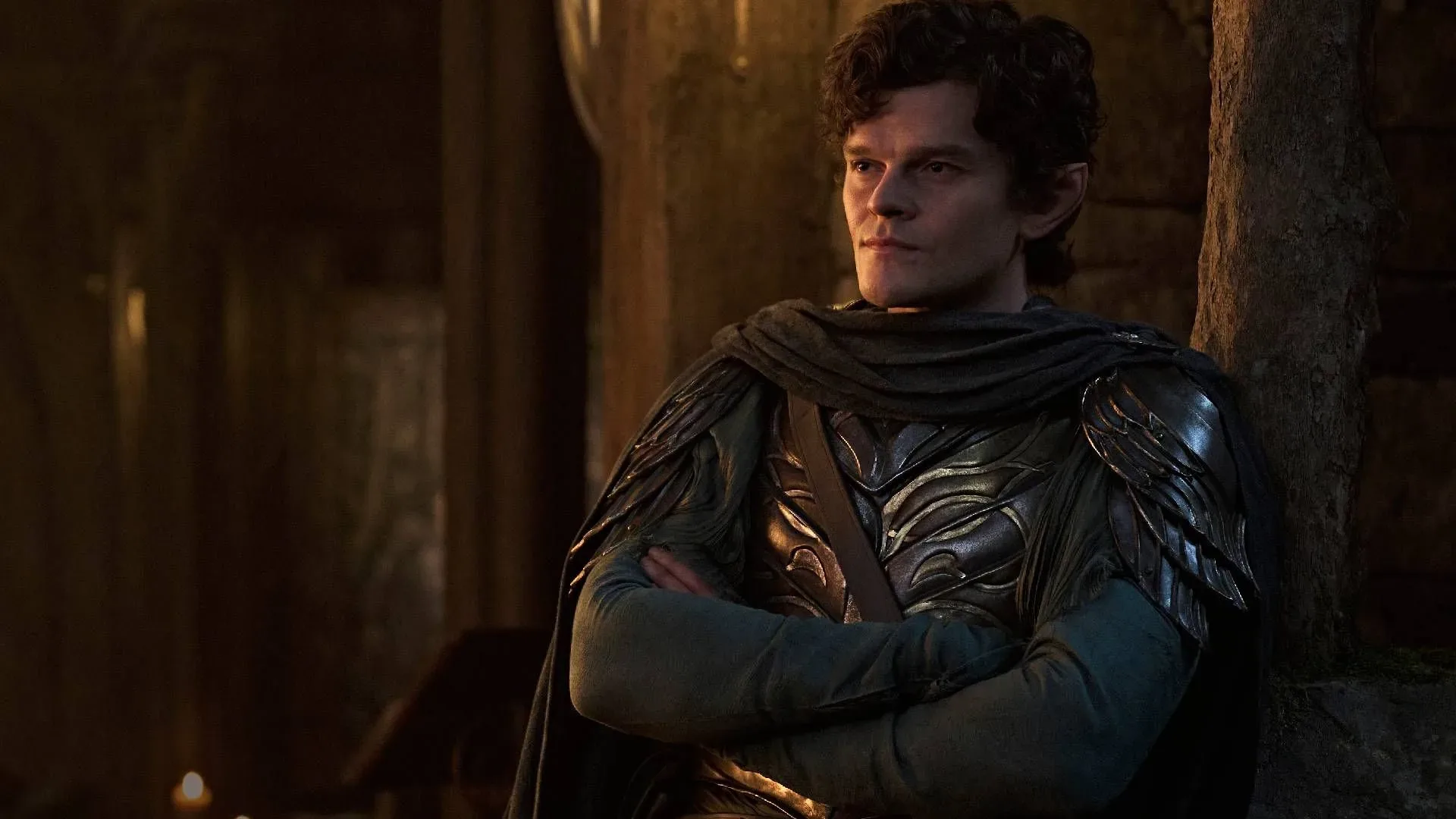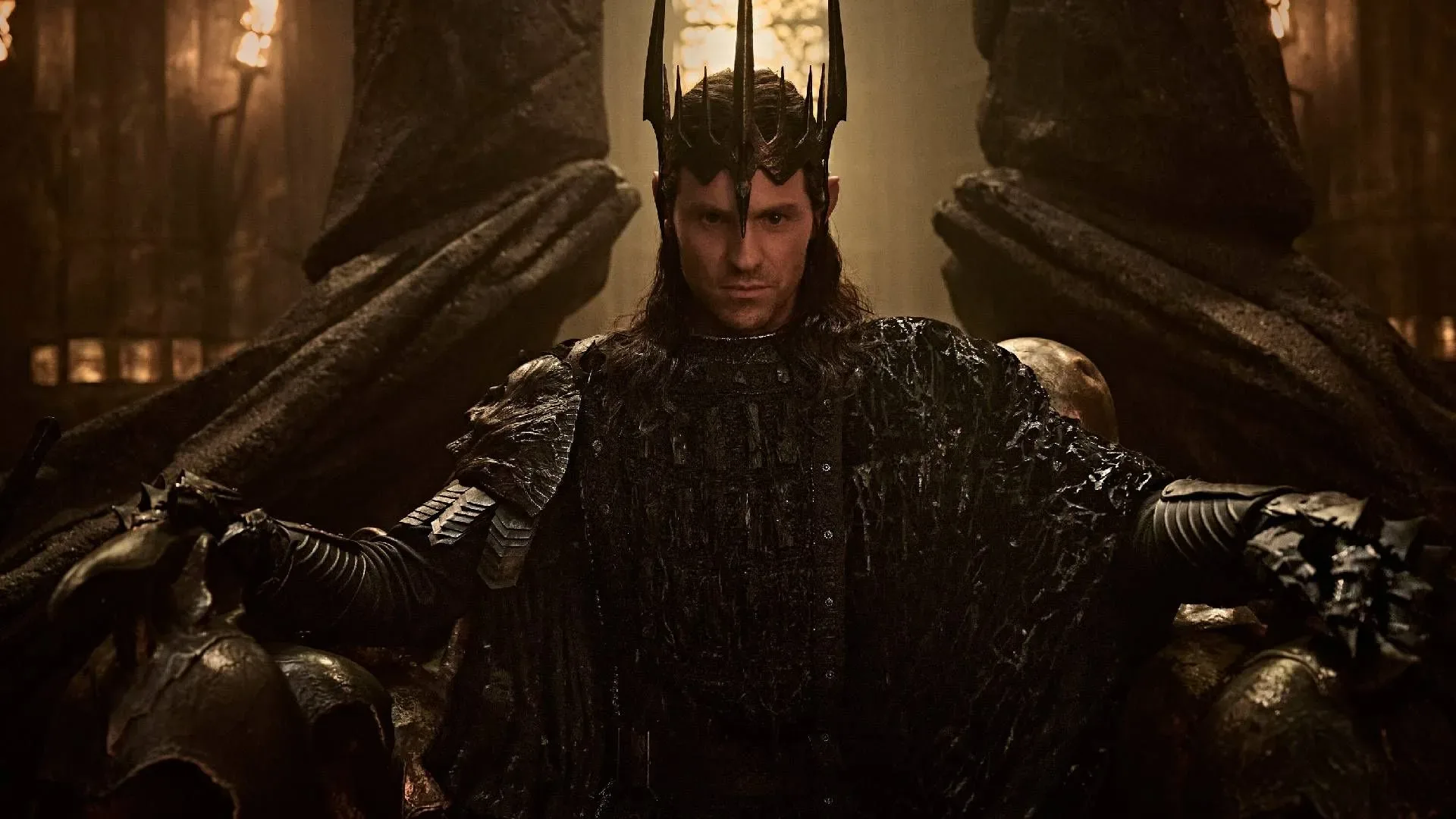
The Lord of the Rings: The Rings of Power and the forthcoming film The Hunt for Gollum may be separated by thousands of years in Middle-earth’s chronology, but showrunner Patrick McKay sees a creative relationship between them. His description is not one of a direct crossover or a shared plotline; rather, he says the two projects are “in conversation with one another.”
That distinction matters. The Rings of Power is set in the Second Age, while The Hunt for Gollum is set in the Third Age, specifically in the period between The Hobbit and The Lord of the Rings. The productions therefore occupy dramatically different points in the fictional history of Tolkien’s world. Yet they are connected by the long shadow of the One Ring, Sauron’s return, and the consequences of knowledge being passed—or withheld—across generations.
McKay’s comments frame that connection broadly. He welcomed the existence of other interpretations of Middle-earth and pointed to the many artists who have adapted, illustrated, sung about, animated, or filmed the material over more than 75 years. The message is one of coexistence rather than territoriality: Middle-earth has room for multiple works, multiple formats, and separate creative teams approaching different eras.
What “in conversation” appears to mean
In franchise language, “in conversation” can sound like a promise of a tightly coordinated universe. Nothing stated here establishes that. There is no confirmed shared character appearance, story handoff, or event that viewers must watch in one project to understand the other.
Instead, McKay’s wording is most clearly read as a description of thematic and mythological continuity. Both stories draw on the same Middle-earth history, and both orbit the fate of the One Ring. A conversation, in this sense, is not necessarily a literal exchange between plots. It can mean that one work adds resonance to another by exploring a related period, idea, character, or consequence.
That is especially apt for a setting built around Ages. An Age in this context is a large historical era within Middle-earth, not a brief sequel-sized gap. Moving from the Second Age to the Third Age means moving across an enormous span of fictional time. The physical world, political powers, and people on screen may change, but artifacts, legends, and old dangers can remain meaningful.
For viewers, this should encourage a measured expectation. The two projects may complement one another in their treatment of the Ring and Sauron, but the available information does not support treating the film as the next chapter of the Prime Video show or the show as a required prelude to the film.
The One Ring is the natural bridge
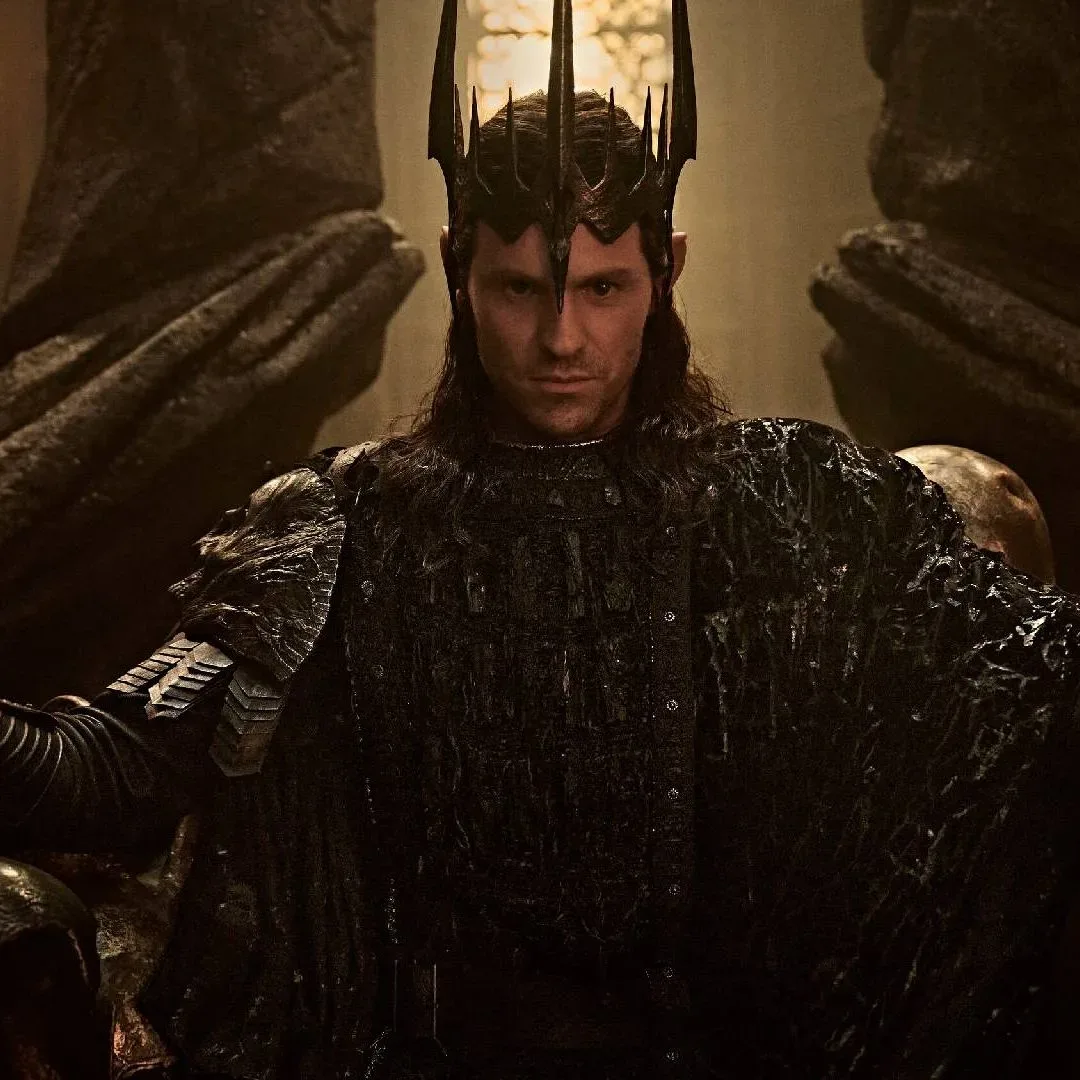
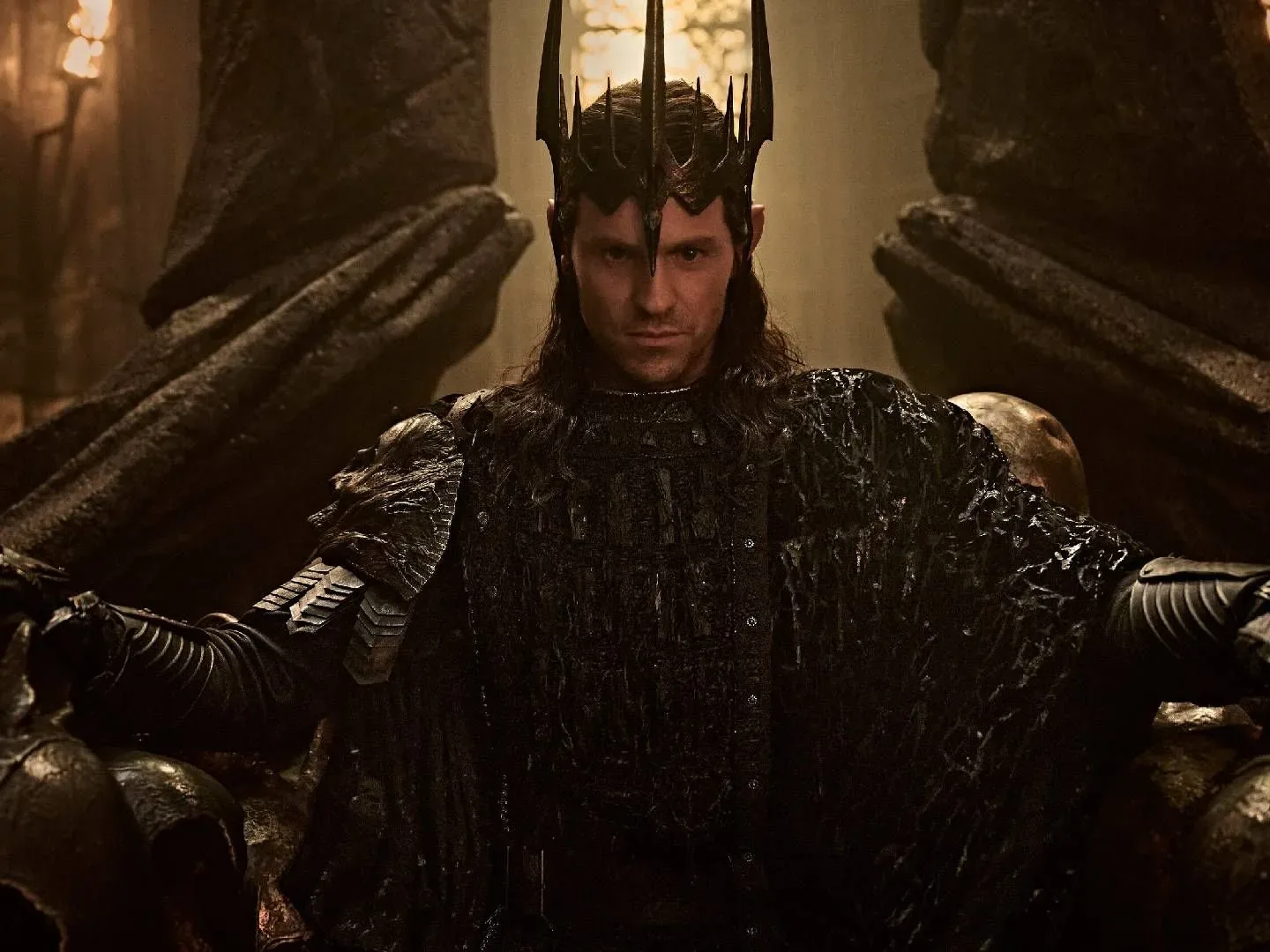
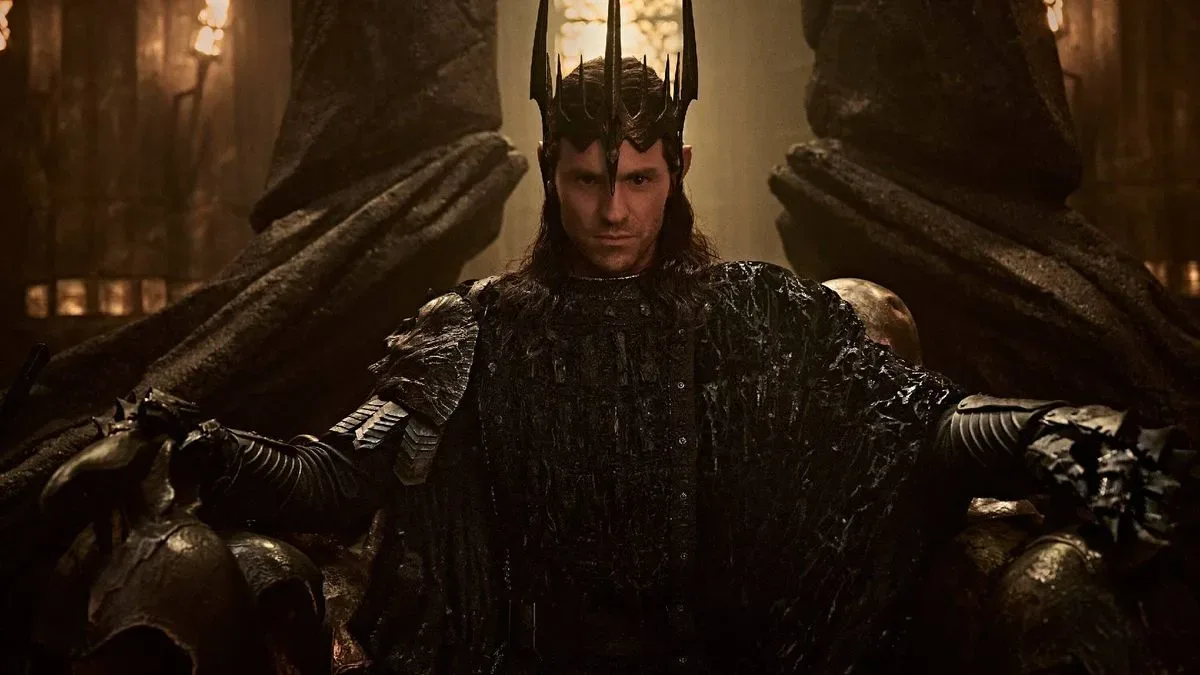
The strongest connective thread is the One Ring itself. The Rings of Power season 3 places Sauron in the process of forging it. That is a foundational event in the Second Age: the Ring is not merely a powerful object, but an instrument central to Sauron’s designs.
The Hunt for Gollum, by contrast, takes place much later, when the Ring’s continued existence has become a pressing danger. Its story comes from material in the appendices to The Lord of the Rings. A younger Aragorn visits Gandalf, who sends him to find Gollum. Their goal is to stop Gollum before he can provide Sauron with information about the Ring.
These premises form a useful before-and-after relationship. One story concerns the Ring’s creation; the other concerns the attempt to prevent its secrets from reaching Sauron at a critical point. They are not the same conflict, and they do not share the same immediate stakes, but they illuminate the long lifespan of an object whose importance persists across Ages.
Gollum’s role makes the later story particularly tense. He is not simply someone who has encountered the Ring. He is a potential source of information. The danger is intelligence: what he knows, whom he may tell, and whether Aragorn and Gandalf can locate him before that knowledge is used against them.
Why the timeline difference is a feature, not a problem
It would be easy to focus on the thousands of years between these stories as evidence that they have little to say to one another. McKay’s position suggests the opposite. The distance is part of the appeal because it demonstrates the scale of Middle-earth’s history.
A story about Sauron forging the One Ring carries a different dramatic energy from one about Aragorn tracking Gollum. The first is concerned with the creation of a threat and the ambitions behind it. The second is a pursuit narrative shaped by urgency and incomplete information. One looks toward a catastrophe that will reverberate for ages; the other follows people trying to limit the damage of that ancient legacy.
That contrast can make the projects complementary without forcing either one to mimic the other. The Second Age perspective gives the Ring a mythic beginning. The Third Age perspective turns it into a living danger that must be understood, guarded against, and kept from Sauron.
It also leaves each production room to establish its own dramatic identity. A broad fictional chronology does not require every adaptation to occupy the same moment or follow the same cast. In fact, the separation allows the projects to examine different pressures within the same world: creation and consequence, power and secrecy, memory and evidence.
What is confirmed for Rings of Power season 3
The immediate confirmed milestone is the return of The Rings of Power. Season 3 is set to arrive on Prime Video on November 11, 2026, and its first four episodes will be available at launch.
The supplied story information identifies Sauron’s forging of the One Ring as part of the season’s narrative territory. That places the show at a major point in its Second Age storyline and gives viewers a clear reason to consider the Ring when comparing the series with the later-set Gollum film.
Beyond that, caution is appropriate. McKay’s comments express enthusiasm for the other film and a sense that both works belong within a wider body of Middle-earth interpretation. They do not confirm production involvement, a coordinated viewing order, or a direct narrative link.
Practical viewing implications
For audiences deciding how to approach the two titles, the safest approach is to view them as separate stories with meaningful shared context. The show’s season 3 release date is known, while the information here does not establish a release date for The Hunt for Gollum.
- Expect different historical settings: the series belongs to the Second Age, and the film belongs to the Third Age.
- Look for thematic overlap, not confirmed plot overlap: the One Ring and Sauron connect the premises, but no direct crossover has been announced here.
- Keep the scale in mind: “thousands of years later” is not a minor time jump; it is a fundamentally different era of Middle-earth.
- Follow the Ring’s changing meaning: in one story it is being forged, while in the other its history and the information surrounding it have become matters of urgent pursuit.
That broader approach fits McKay’s outlook. Rather than presenting one adaptation as the definitive shelf on which every other version must sit, he describes a creative landscape with room for films, animation, art, music, and television. The important common factor is not necessarily shared continuity in the modern franchise sense. It is the enduring material: a vast world capable of supporting stories set far apart in time while still echoing one another.
For more on how long-running fictional worlds can benefit from creative continuity without becoming overly uniform, see Eiji Aonuma’s view on the creative foundation built by long-term Zelda teams.
For now, the clearest takeaway is simple. The Rings of Power season 3 and The Hunt for Gollum are not being positioned as adjacent chapters in time. They are being discussed as distinct Middle-earth works whose stories can gain extra meaning from the same history—especially from the Ring that links Sauron’s Second Age ambitions to the Third Age hunt for Gollum.