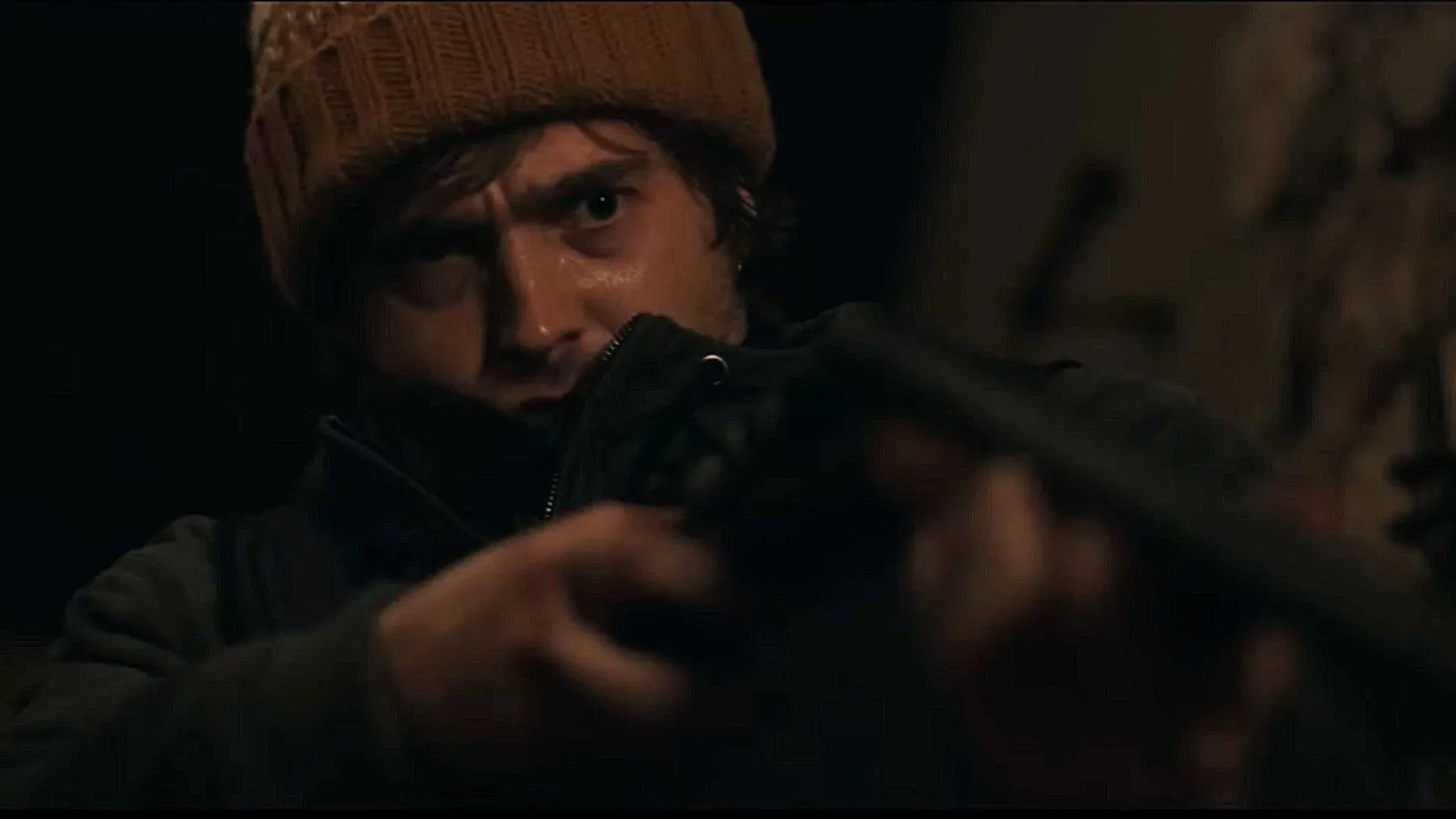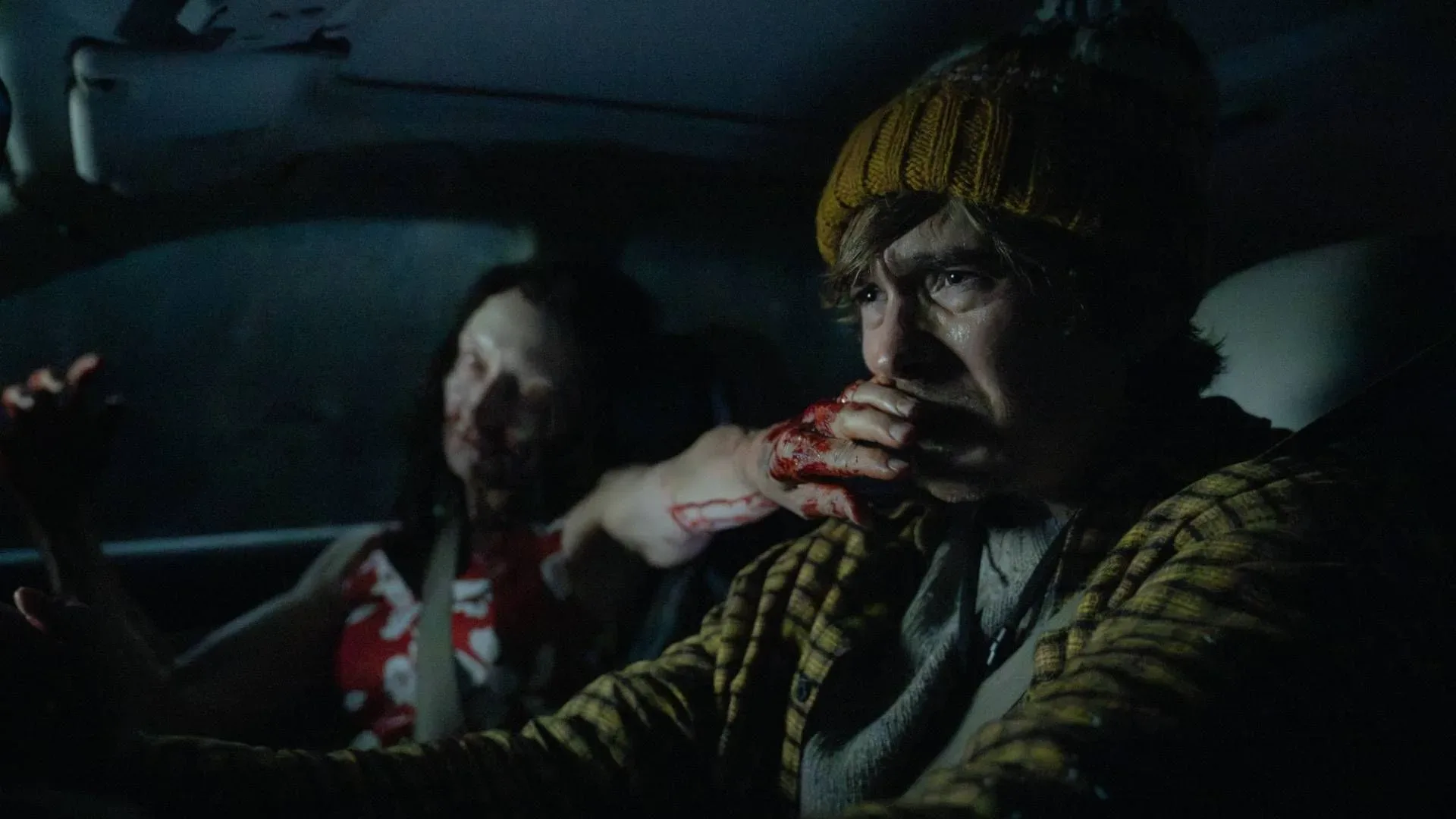
The new Resident Evil film is heading into a familiar nightmare with a deliberately unfamiliar infection. Writer-director Zach Cregger has indicated that the movie will include the Umbrella Corporation and the T-Virus, two of the franchise’s defining pieces of biological-horror furniture. But the virus will not operate as a frame-by-frame recreation of its video-game counterpart.
That distinction may be the most revealing clue yet about how this adaptation intends to approach a series that has changed shape repeatedly across games, remakes, animated projects, live-action films, and television. Cregger’s approach appears to be less about discarding the games’ mythology than using its basic rules as the launchpad for fresh horrors. The director says audiences will see unusual behavioral effects from the T-Virus—effects that have not appeared in the games—while maintaining that the film is not breaking the established rules.
It is a small wording choice with large implications. In Resident Evil, mutations are rarely just window dressing. The way an infected person moves, hunts, responds to stimuli, or changes physically is part of what makes each outbreak feel unsettling. A shambling zombie creates one kind of threat. A fast, erratic, seemingly strategic infected creature creates another. The film’s promise of new behavior suggests that viewers should not assume they know every consequence of exposure simply because they know the games.
Familiar virus, different nightmare logic
The T-Virus has long been central to Resident Evil stories, linking corporate malfeasance, laboratory disasters, outbreaks, undead attackers, and increasingly elaborate biological weapons. Umbrella’s experiments created a horror vocabulary that players immediately recognize: sealed facilities, compromised researchers, creatures that no longer behave like ordinary animals, and the dreadful realization that an apparent escape route is really just a more expensive-looking trap.
For a movie, however, the virus needs to work on screen in ways that serve pace, suspense, and visual storytelling. Cregger has not identified the specific creature or change he has in mind, calling the detail a spoiler. That leaves plenty of room for speculation, but the confirmed point is narrower and worth keeping straight: the movie will portray behavioral T-Virus elements that are new relative to the games, not necessarily replace the franchise’s established biology wholesale.
That is potentially a useful middle ground for an adaptation. Exact duplication can turn a film into a checklist, where viewers wait for a monster, a hallway, or a line they already know. Total reinvention can lose the identity that made the property appealing in the first place. Using Umbrella and the T-Virus while allowing the infection to produce new on-screen behavior offers Cregger a way to preserve the series’ atmosphere of corrupted science without making every scare predictable.
It also reflects a basic truth of the franchise: consistency in Resident Evil has never meant repetition. Even within the games, the threats, settings, and tone can shift radically. A mansion mystery, a police-station survival story, an isolated European village, and a claustrophobic first-person nightmare can all belong under the same biohazard umbrella. Fans looking to untangle how original releases, remasters, and remakes can change familiar material may find a useful parallel in this guide to matching a walkthrough to the right version. An adaptation has a similarly tricky task: recognize the source without mistaking one version of it for the only version that counts.
The trailer’s stranger creatures are not all the same mystery
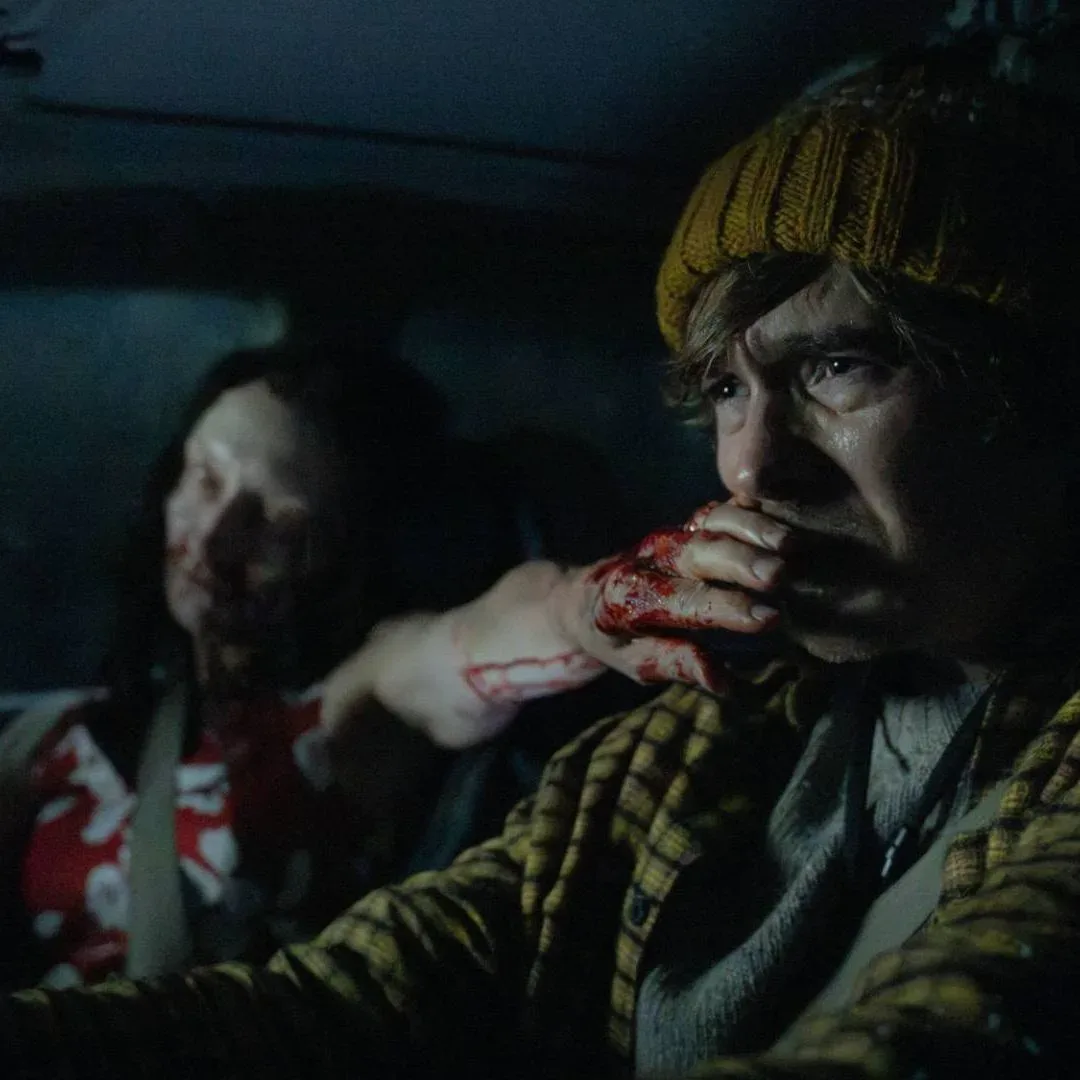
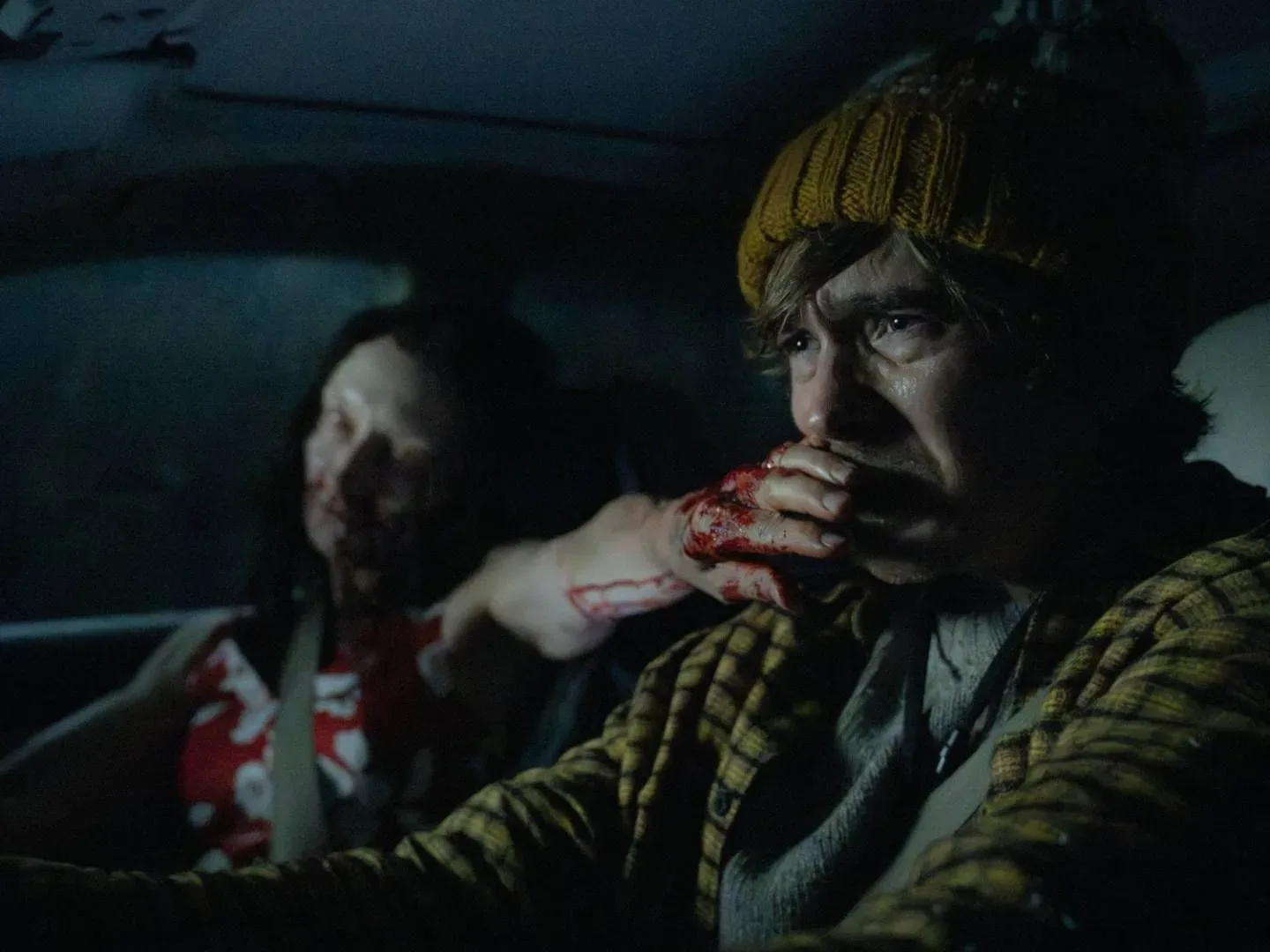
Trailer footage has already shown conventional zombies alongside more grotesque shapes that do not immediately resemble familiar game mutations. Cregger’s comments give audiences reason to look at those glimpses more carefully, though they do not provide a creature-by-creature explanation. Importantly, the director has clarified that the teased behavioral surprise is not the multi-limbed monster encountered by Bryan at a remote cabin.
Related coverage includes Resident Evil Film Will Give the T-Virus New Behaviours Beyond the Games.
That particular creature has a memorable description of its own: Cregger has likened it to an enormous human tumbleweed. The phrase conjures a body assembled into something rolling, tangled, and profoundly wrong rather than a cleanly designed monster with a single obvious silhouette. It is the kind of image that fits Resident Evil especially well. The series’ best creature designs often make viewers pause for half a second to identify what they are seeing—then regret taking the extra second.
Rather than relying entirely on digital effects, the production used physical performers to explore how the tumbleweed-like being might travel, stop, start, and roll. Cregger said performers with Cirque du Soleil-style physical skills helped approximate the movement. That process gave the team a chance to study the mechanics of the creature before bringing it to the finished film.
There is an encouragingly tactile logic to that method. Even when effects work ultimately transforms a design, physical reference can give a monster a rhythm that feels less generic. An unnatural creature is often most disturbing when it appears to obey a strange internal physics: it does not merely lunge because the screenplay says “lunge”; it shifts its weight, folds, catches itself, and accelerates in a way the audience has never quite seen before. For a rolling mass of human forms, those details could matter far more than the exact number of limbs visible in a trailer shot.
Why behavior can be scarier than a new silhouette
Monster reveals tend to dominate early discussion because a silhouette is easy to screenshot and dissect. Behavior, by contrast, can reshape an entire scene. A creature that moves differently changes how a character hides, runs, fights, or makes the catastrophic decision to investigate a noise. It alters the viewer’s assumptions as well. The audience may understand the broad category—infected, mutated, dangerous—yet still lack the confidence of knowing how it will respond next.
That uncertainty is a powerful tool in a franchise with decades of recognizable threats. The games have built a formidable bestiary, and some fans can identify an enemy from a noise, a gait, or a partial outline. A film that introduces a distinct T-Virus behavior can restore some of the uncertainty that players felt during their first encounter with a new enemy. It does not have to erase the lore to unsettle expectations; it merely has to introduce a rule viewers have not learned yet.
Of course, Cregger has deliberately withheld the most concrete information. There is no confirmed description of the virus’s new behavioral mechanism, no identified monster attached to it, and no indication of how large a role it will play in the plot. The available details support anticipation, not a definitive catalog of new creatures. For now, the tumbleweed-like monster is the more clearly described creation, while the other T-Virus-related surprise remains under wraps.
A film shaped by games without centering their usual heroes
The upcoming movie has attracted attention in part because it will not simply place familiar game protagonists such as Leon into a new live-action mission. That can be a difficult choice for a franchise with deeply beloved characters, especially when players associate certain locations, enemies, and outbreaks with specific heroes. Cregger has acknowledged the frustration some fans may feel about that absence and has expressed hope that they will still feel recognized by the film.
The reported inspirations also point in a useful direction. Cregger has previously discussed Resident Evil 4 and Resident Evil 7 as distinct influences. Those games are far from identical in mood or structure, but both understand that isolation is part of the horror. In one, a hostile rural community and grotesque cult imagery create pressure from every direction. In the other, a decaying home and a tightly focused viewpoint make terror intensely personal. A remote cabin, a strange body rolling across the landscape, Umbrella’s legacy, and a mutating virus all sound compatible with a movie trying to draw from that broader tradition instead of reenacting one specific campaign.
That is not a guarantee that every fan will embrace the changes. Adaptations invite comparison, particularly when the original medium is interactive and built around player knowledge. But Cregger’s comments establish a clearer expectation: this is a film that wants to speak the visual and thematic language of Resident Evil while reserving the right to introduce a new biological nightmare or two.
What is confirmed before September 18
- Release date: Resident Evil is scheduled to arrive in theaters on September 18.
- Core franchise elements: Umbrella Corporation and the T-Virus are part of the film.
- New twist: The T-Virus will have behavioral qualities not shown in the games, while Cregger says those qualities do not violate the games’ rules.
- Known creature detail: Bryan encounters a multi-limbed creature at a remote cabin; Cregger describes it as a giant human tumbleweed.
- Practical movement research: Physical performers, including people with Cirque du Soleil-style experience, were used to work out the creature’s motion.
- Still unknown: The exact T-Virus behavior Cregger is teasing and the creature connected to that reveal remain spoilers.
With the theatrical date close, the strongest takeaway is not that the film plans to rewrite Resident Evil, but that it is betting on surprise within recognizable boundaries. Umbrella is still there. The T-Virus is still there. The zombies are still there. Yet somewhere in that infected ecosystem is a behavior the games never taught audiences to anticipate—and that is exactly where a new Resident Evil scare should begin.