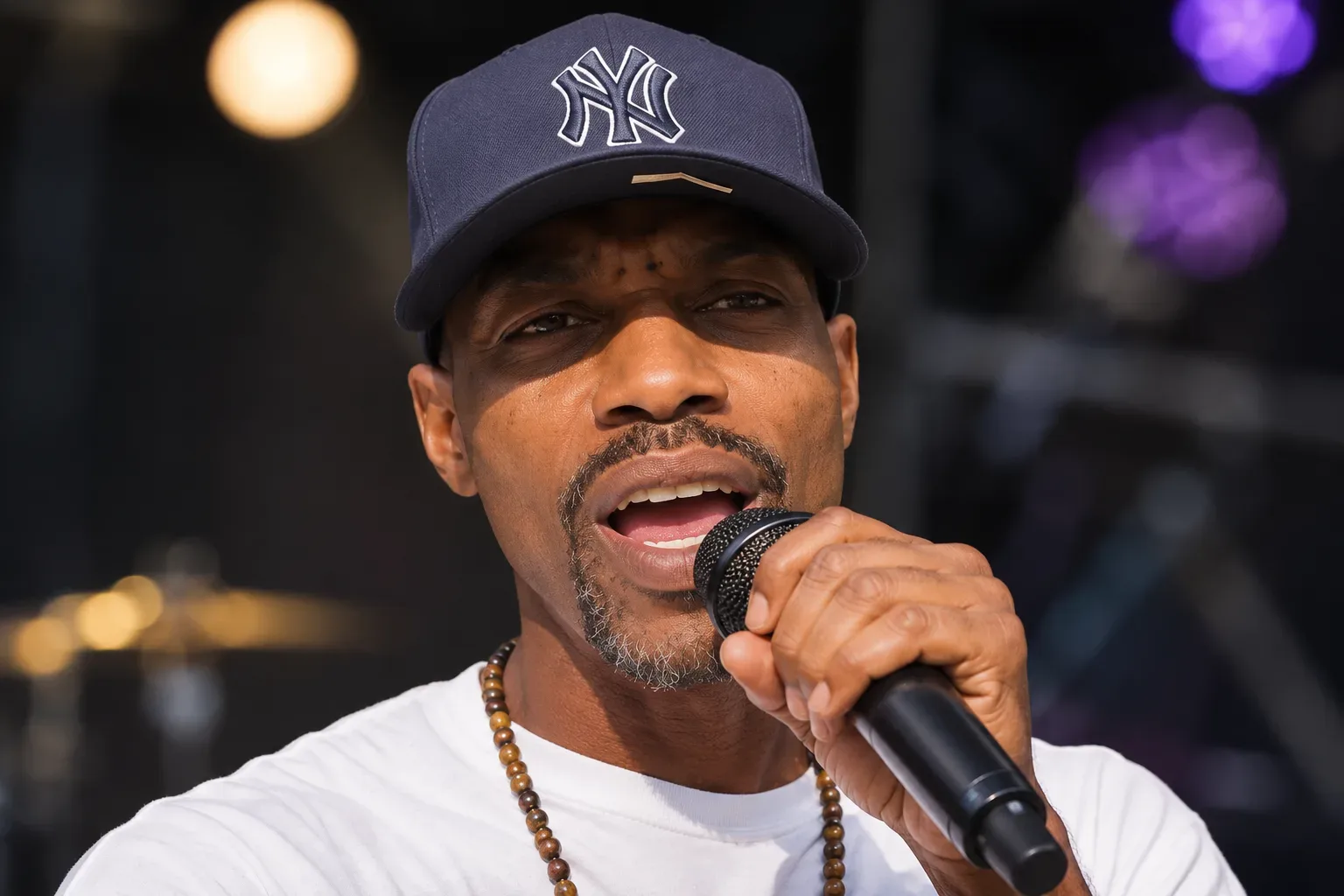
Rell is returning to music with “I’ll Be There,” but the central idea behind the release is not a spotless comeback narrative. The Southern California R&B singer, whose full name is Jarell Gaines, has spoken plainly about a long absence from recording and performing: he lost focus, made poor choices and hurt relationships along the way.
The single arrived on November 4 after Rell discussed his nearly decade-long step away from music in a November 3 interview. He wrote, performed and produced “I’ll Be There” himself, then chose to sell it through his own online store rather than use a conventional streaming-first or platform-led distribution route.
That choice makes the song more than a new release. It is also a practical expression of how Rell, who founded Jachord Studios in California’s Inland Empire, wants to approach creative ownership, artist development and his relationship with listeners going forward.
A return rooted in accountability
Rell’s account of leaving music does not present the break as a mystery or put the responsibility entirely on outside circumstances. He said he became tired of losing, lost focus and made poor decisions. He also acknowledged taking supporters for granted and damaging relationships.
“I got tired of losing,” Rell said. “I lost focus. I made poor decisions.”
That directness matters to the framing of “I’ll Be There.” The song started as a love ballad, but its purpose broadened during its development. Rell connected its revised direction to accountability, relationships and faith, while the release description characterizes it as a reflection on being present for family as well as faith.
The phrase “being there” can sound uncomplicated in a song title. In this context, it carries more weight. It is tied to the admission that showing up for other people, maintaining trust and retaining focus are actions rather than promises. Rell kept the hook while reworking the verses and his vocal delivery, making the revision process part of the song’s movement from a narrower romantic premise to a more personal statement.
The available details describe an arrangement that places acoustic guitar and vocal harmonies alongside a Hip-Hop rhythm. That combination is consistent with the song’s split emotional function: the acoustic and vocal elements suggest intimacy, while the rhythmic foundation supports a contemporary R&B approach. No broader claims about the track’s exact sound or listening experience are necessary; what is clear is that Rell has deliberately positioned its musical materials around a message that reaches beyond a conventional love song.
Related coverage includes Rell Returns With ‘I’ll Be There’ and a Direct-to-Fan Plan.
The work that filled the time away
Rell’s time outside the recording and performance cycle was not described as idle. He worked as a behavioral technician, loaded warehouses and drove box trucks. Those jobs sit alongside an earlier period in which he worked at several churches almost six days each week while balancing production and live music responsibilities.
He also built several studios, including one in his family home, though he said none of them became the creative space he originally envisioned. The detail is useful because it separates having equipment or a room from having a sustainable artistic base. A studio can be a literal location for recording, but it can also represent stability, direction and a workable plan. Building multiple spaces without seeing the hoped-for result evidently became part of the frustration that preceded his withdrawal from music.
His wife remained a key source of encouragement through that period. Rell recalled feeling too old to return to music, but said she would not let the dream disappear.
“But my wife refused to let the dream die,” Rell said.
That is a grounded counterpoint to the usual language of a comeback. Rather than suggesting that a return arrives from sudden inspiration alone, his story describes encouragement amid regular work, discouragement and a recognition of past mistakes. It also keeps the focus on the people around an artist, not only the artist’s own determination.
What direct-to-fan means for this release
Rell’s release strategy is as important as the single’s personal framing. “I’ll Be There” is being sold through his official store, providing a route that sends the buyer directly to the artist’s storefront rather than making a traditional distribution platform the central point of access.
Direct-to-fan describes this kind of approach: the artist or their own operation sells work to listeners without placing a third-party streaming service or digital retailer at the center of the transaction. It does not automatically mean that every element of music distribution disappears, nor does it guarantee a particular financial outcome. In this case, it means the purchase relationship is intentionally centered on Rell’s own store.
The listing sets a minimum price of $1.99, while allowing customers to pay more if they choose. Buyers receive a mastered MP3 for personal listening and retain permanent access to that file. The terms are equally clear about what is not included: purchasing the track does not grant resale, sampling or commercial rights.
Those boundaries are important. A mastered MP3 is a finished audio file prepared for release after the final stage of audio processing. Buying it allows an individual to listen personally; it does not transfer ownership of the recording or permission to reuse it in commercial projects. Sampling rights, meanwhile, would concern permission to incorporate part of the recording into another work. The listing does not provide that permission.
For listeners, the arrangement is straightforward: they can buy the music, keep access to the file and optionally contribute above the minimum. For Rell, it puts the release in line with an emphasis on ownership. It may also create a more immediate link between the people choosing to support the record and the artist selling it.
The model does have a practical tradeoff. Storefront access asks listeners to make a purposeful purchase instead of simply encountering a song inside an all-purpose listening service. That may narrow the casual path to discovery, but it makes the action of support explicit. The plan is therefore not merely about avoiding a familiar platform; it is about prioritizing a distinct form of connection with people willing to seek the song out.
Jachord Studios and the wider purpose
Rell is based in the Inland Empire and founded Jachord Studios. His official biography identifies creative ownership and artist development as key parts of his work. The release announcement also describes plans to use Jachord Studios to create resources and opportunities for collaboration among other independent artists.
That wider ambition helps explain why the direct-sale plan should not be read only as an individual business decision. Rell is aligning the release with an infrastructure-minded goal: helping make room for independent creators to work, collaborate and maintain a clearer stake in their output.
Artist development is a broad term, and the supplied details do not define a specific program, roster or set of services at Jachord Studios. At its most basic, though, it refers to supporting an artist’s growth beyond one recording—potentially through creative direction, skills, resources or collaborative relationships. The stated goal here is collaboration and resources, not a claim that a fully detailed initiative has already been launched.
There is a resonance between that aim and Rell’s own story. He has experienced the gap between trying to make music and having the dependable conditions to develop it. His account includes church work, live music, production duties, multiple jobs outside the field and studios that did not become what he hoped. Building more useful opportunities for independent artists is therefore presented as part of what he wants his return to support.
Ownership in an AI-era music conversation
Rell has also said that AI tools should treat human creators fairly, voicing particular concern for Black creators. The comment places his return within a larger creative-rights discussion, but it should be understood carefully. The available information records his position on fairness; it does not outline a specific proposed policy, a particular AI product or a legal dispute.
Still, the concern fits the themes visible in this release: authorship, control and the value of human creative work. Rell wrote, performed and produced “I’ll Be There” himself, and is selling it from his own store under personal-use terms. Those facts do not resolve the wider AI debate, but they make his emphasis on fair treatment of creators concrete rather than abstract.
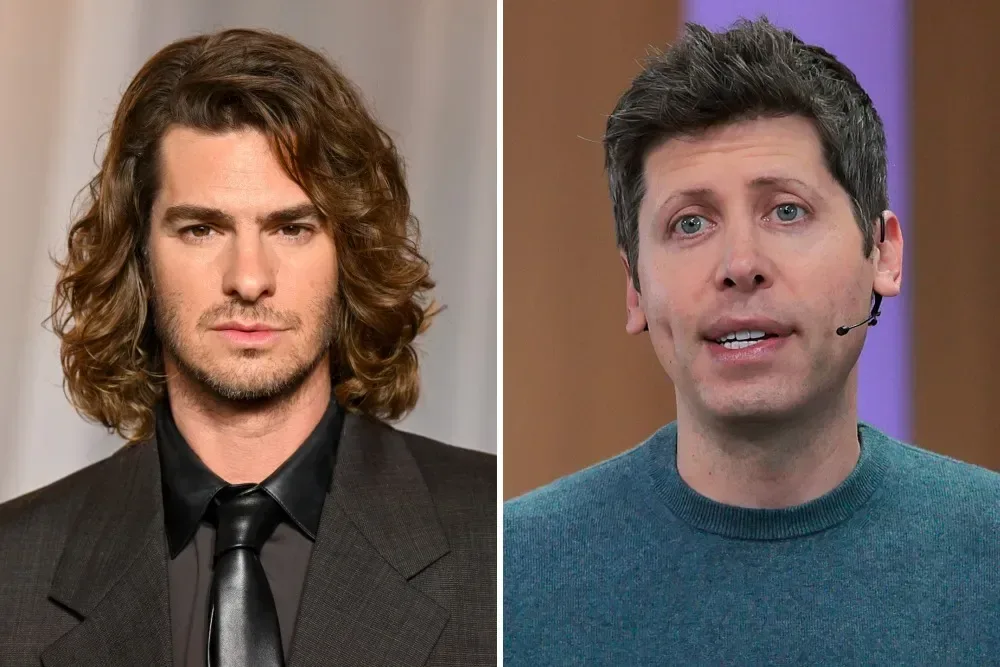
Readers interested in how artists and entertainment figures are navigating AI-related questions can also see this look at Andrew Garfield’s comments on filming ‘Artificial’. Rell’s own contribution to that conversation is centered less on spectacle than on a basic concern: human creators, especially Black creators, should be treated fairly as these tools develop and spread.
‘I’ll Be There’ as a reset, not an erasure
There is no indication that Rell is trying to package the years away as a neat detour. The account he has given includes disappointment, failed expectations, strained relationships and doubt about whether a return was still possible. That candor is the point.
“I’ll Be There” draws its shape from that history. The revised song is about accountability, relationships, family and faith; the release plan favors a direct connection between artist and listener; and Jachord Studios is linked to a desire to create resources for fellow independent artists. Each part of the return traces back to the same question: what does it mean to show up with greater care after recognizing where things went wrong?
For now, the clearest answer is the single itself and the terms under which it is offered. Rell has returned with a self-made record, a $1.99 minimum direct purchase option and a message that does not separate artistic ambition from responsibility to the people around him.