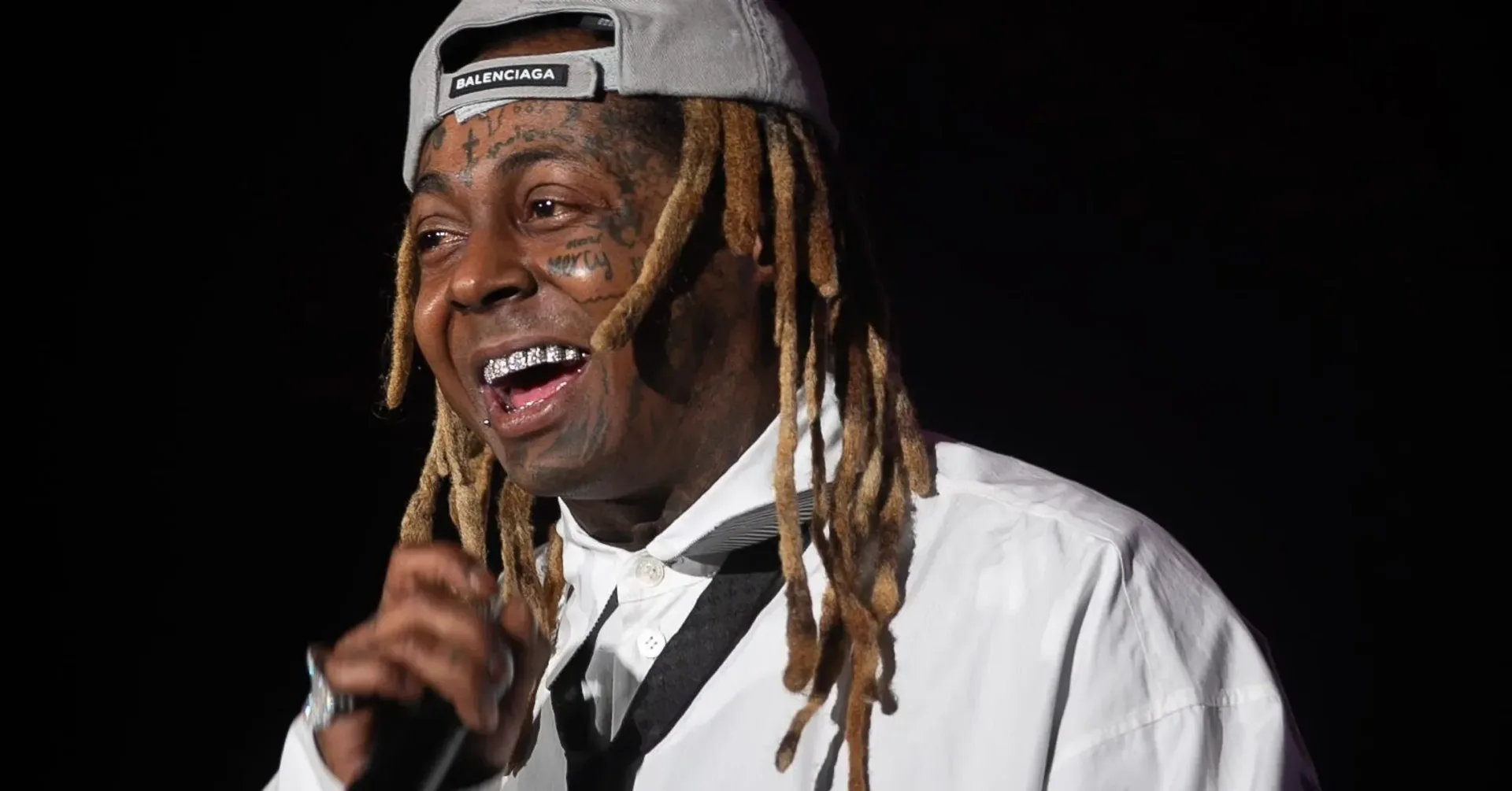
Jack Harlow has previewed new music alongside Babyface, extending the musical conversation around Monica, his fourth album and a deliberate turn toward singing, melodic writing and relationship-focused songs.
The appearance places Harlow next to one of R&B’s most durable creative figures. Babyface is a singer, songwriter and producer whose work remains connected to contemporary R&B as well as its longer history; his contribution to SZA’s “Snooze” earned a Grammy for Best R&B Song in 2024. The preview itself establishes that the two artists were together around new music, but it does not confirm a release date, song title, formal collaboration or project details.
That distinction matters. Music previews can signal a creative direction without functioning as a full announcement. In this case, the meaningful context is Harlow’s recent decision to change not only the sound of his work but also the rules used to make it.
‘Monica’ was built around constraints, not just a new label
Monica, released March 13, arrived with songs centered on love and relationships. Harlow recorded the album at Electric Lady Studios in Greenwich Village after relocating from Kentucky to New York City. He had described the move toward R&B as an attempt to work outside familiar rap instincts.
Harlow has said that braggadocio is one of the qualities he loves in rap. In this context, braggadocio means the confident, often competitive self-celebration that is central to much rap writing. It can generate memorable bars, but it can also become an easy default for an artist who has spent years working comfortably within that voice.
For Monica, Harlow sought a different emotional vocabulary. Before recording, he imposed three clear limits: he would not rap, he would not curse, and—apart from drums—he would avoid digital instruments in favor of live players. Those choices are more consequential than a simple genre pivot. They affect melody, wording, arrangement and the kinds of performances a song can invite.
A restriction such as “no rapping” removes an artist’s most automatic rhythmic delivery tool. “No cursing” narrows the available language and can force a writer to find a more specific phrase rather than relying on an all-purpose emphasis. Requiring live instrumentation similarly changes the process: rather than constructing every musical element digitally, the recording is shaped through performers responding to the composition and to one another.
None of those rules guarantees a particular result. They do, however, explain why Harlow framed the album as a creative challenge rather than merely a move from rap into R&B styling. His stated aim was to prevent himself from falling back on shortcuts that had become habitual.
Related coverage includes Jack Harlow Previews New Music With Babyface Following ‘Monica’.
Why the Babyface moment fits the larger picture
Babyface’s presence aligns naturally with the ingredients Harlow assembled for Monica. The album’s personnel included artists associated with R&B, soul-leaning pop and jazz-informed musicianship. Ravyn Lenae provided vocals on “Prague,” “My Winter” and “All Of My Friends.” Jermaine Paul and Omar Apollo also contributed vocals, while Robert Glasper played piano on the closing track, “Say Hello.”
Those credits show an album built through collaborators with different musical backgrounds, rather than a project defined only by Harlow’s change in vocal approach. A vocalist can alter the color and emotional perspective of a record; a pianist can change its harmonic shape and sense of space. In practical terms, bringing in players and singers gives a writer more ways to build a song than layering a beat beneath a solo vocal.
Glasper’s piano appearance on the closer is especially illustrative of the album’s stated method, because piano is an acoustic instrument performed in real time rather than a digital substitute. That does not mean every live-instrument recording is automatically more authentic or better than an electronic production. It means Harlow chose a process that prioritized human performance as a constraint, and selected collaborators equipped to work within it.
The preview with Babyface therefore reads less like an isolated celebrity pairing than a continuation of the artistic lane Harlow mapped out around Monica. It also keeps the scope appropriately open: a preview is evidence of activity, not a complete explanation of what comes next.
New York, slower work and the role of listening
Harlow connected this creative reset to moving to New York City. He said softer and more melodic music increasingly informed what he wanted to make after the relocation. The recording location, Electric Lady Studios in Greenwich Village, put the album in the city where he was settling into that changed listening habit.
Listening is often a less visible part of a creative transition than a featured credit or a new producer. Yet it can be the bridge between an artist’s stated intention and the work’s actual texture. If the music an artist spends time with changes, the details they notice can change too: melody may become more central, restraint may become more appealing, and a song’s mood may matter as much as its most quotable line.
Harlow had also indicated that the new approach would require more time. Speaking to Apple Music in March 2025, he said he was trying to “transcend” and was beginning to accept that making something different would take longer than his prior projects. That is a useful frame for the Babyface preview. It suggests an artist treating transformation as a longer process of writing, recording and refinement rather than a one-album costume change.
What is known—and what remains open
The confirmed picture is straightforward: Harlow has previewed music alongside Babyface after releasing Monica; Monica represented a move into a more R&B-oriented, sung and live-instrument-centered approach; and the album featured a group of vocal and instrumental collaborators that included Ravyn Lenae, Jermaine Paul, Omar Apollo and Robert Glasper.
What cannot be concluded from the preview is equally important. There is no supplied confirmation that Babyface appears on a finished Harlow track, that the material belongs to a new album, or that it has a planned release schedule. Until further specifics emerge, the safest reading is that the session offers a promising continuation of Harlow’s creative direction, not a fully defined next chapter.
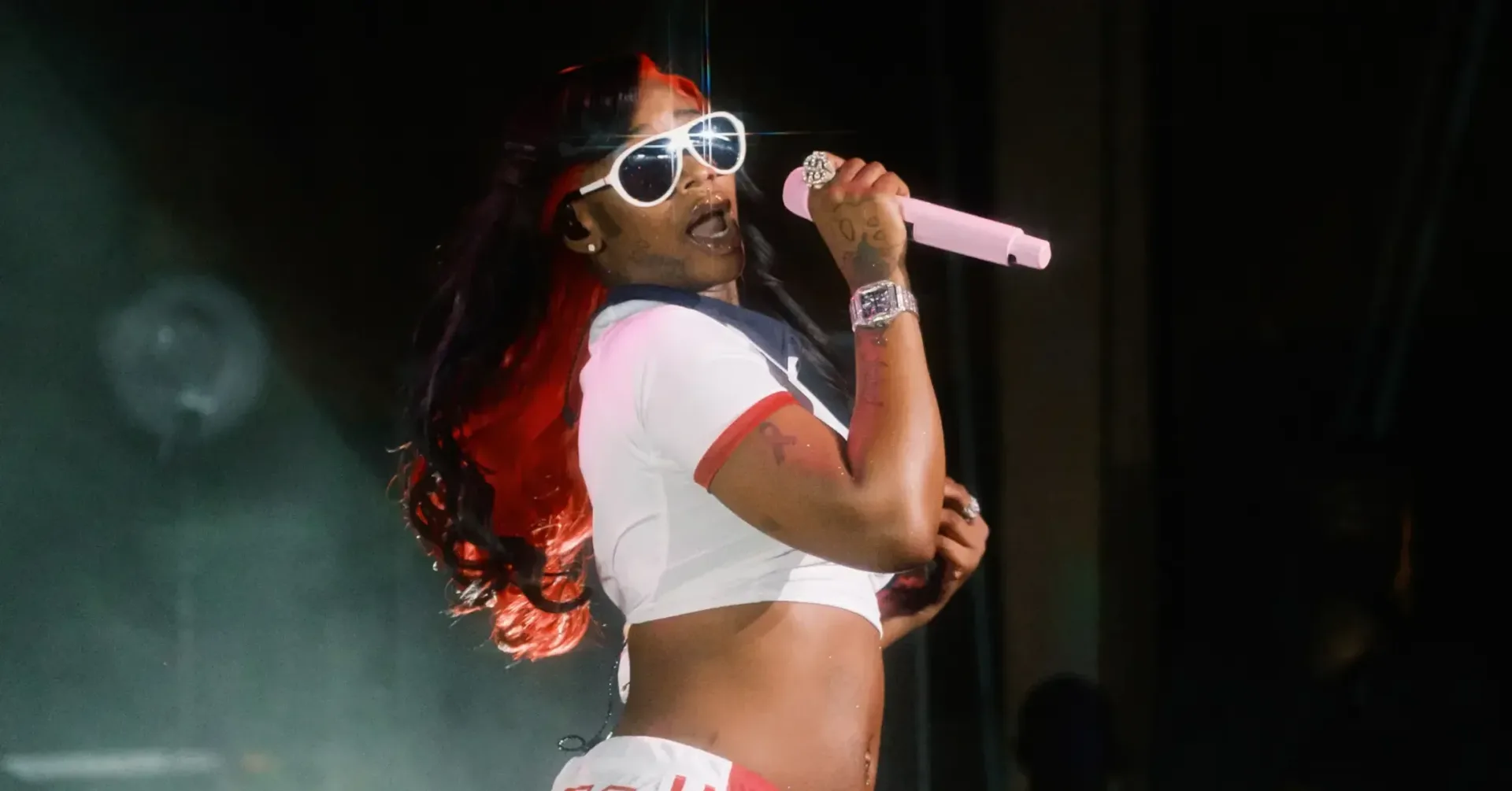
The broader pop-culture space is full of performers using familiar references to reshape public image; for another recent example of that kind of reinterpretation, see this look at Sexyy Red’s deliberately non-canonical Mystique stage look. Harlow’s case is different because the change has been articulated through studio rules: fewer familiar lyrical habits, more melodic focus and an emphasis on live players.
For listeners, the practical takeaway is to hear the Babyface preview in that full context. It is not simply a rapper appearing beside an R&B veteran. It follows a documented effort to redesign how Harlow writes and records—an effort that made the method as important as the musical destination.