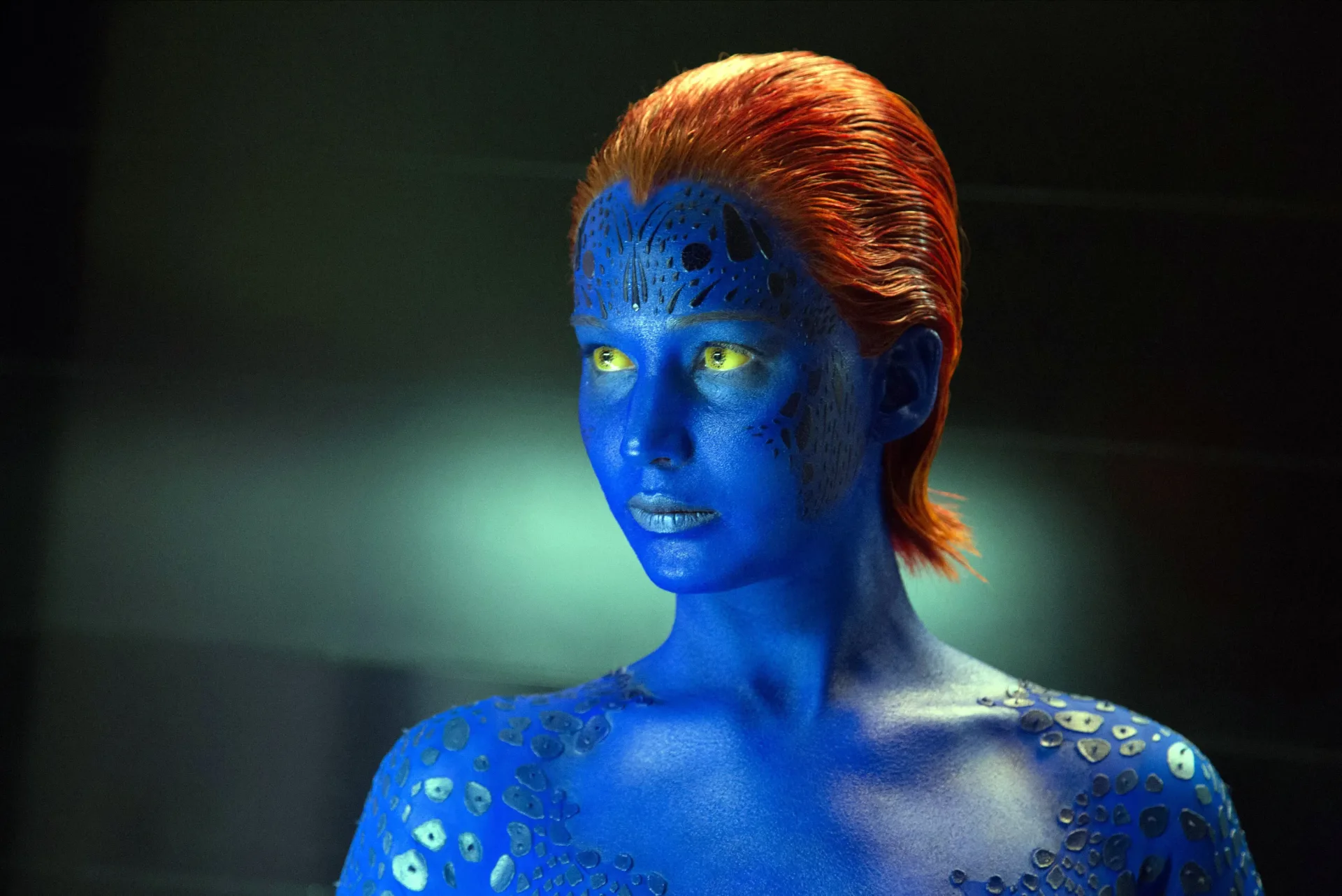
Sexyy Red’s Halloween costume rotation went from recognizable comedy to unmistakable comic-book iconography. Alongside a look based on Katt Williams’ Money Mike character from Friday After Next, the rapper shared a Mystique-inspired transformation built around the X-Men character’s signature blue visual identity.
The Mystique outfit featured full blue body color and scale-like detailing, giving the costume a far more committed silhouette than a simple blue outfit with a character name attached. It was also intentionally not a strict recreation. Sexyy Red incorporated an adult, body-hair detail that is not part of Mystique’s comic-book design, a provocative addition that quickly became the focal point of online reaction.
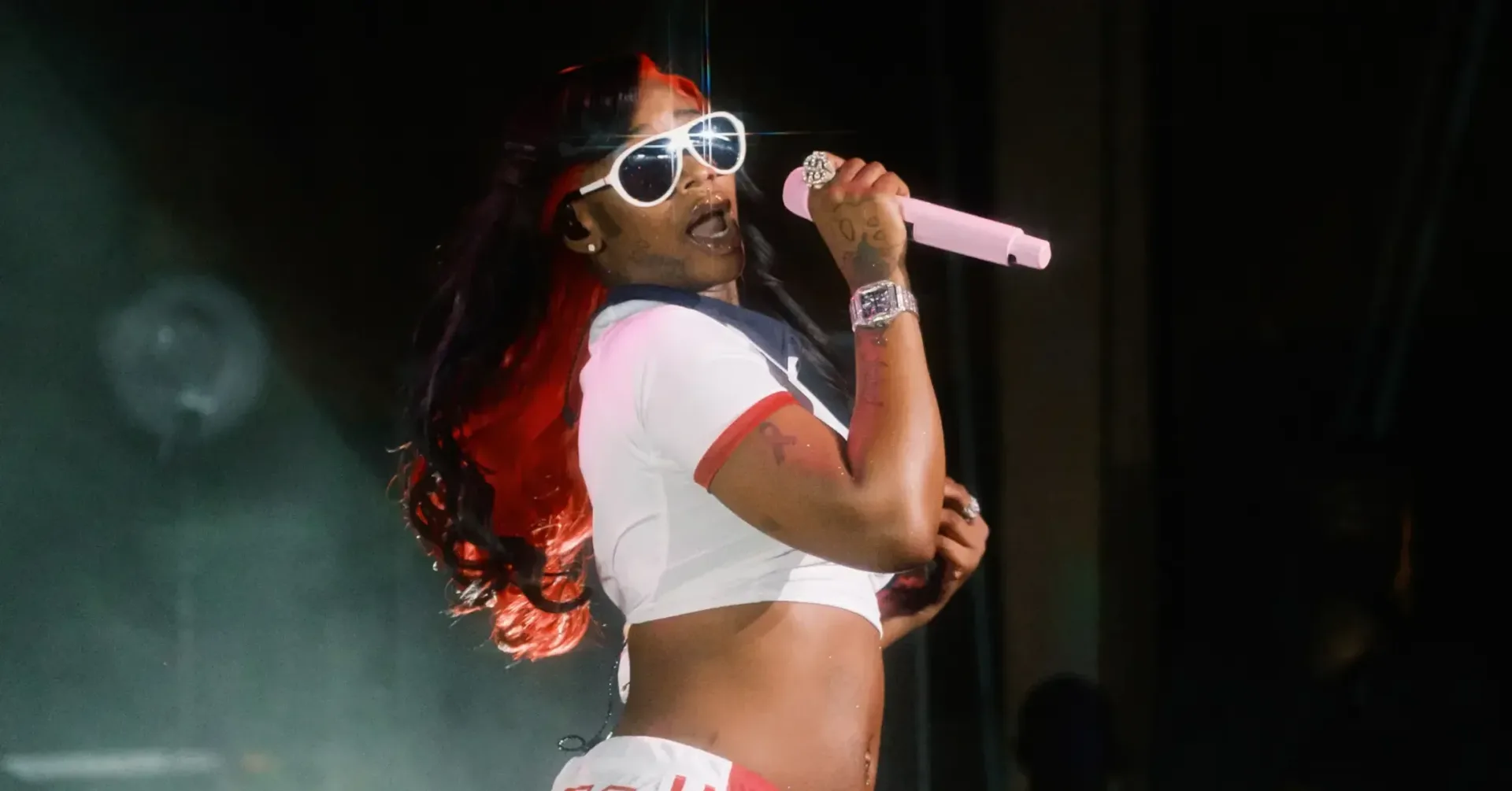
She later wore the complete look during an October 31 performance at Loe Shimmy’s Zombieland Halloween concert in Miami. That move matters because the costume was not just a photo-only concept: it was used in a live-show setting, where bold color, a clear character reference, and an instantly readable outline are especially useful.
A Mystique costume that prioritizes recognition
Mystique is identified in the supplied material as an X-Men comics character, and that connection is doing considerable work here. The blue skin tone and scales made Sexyy Red’s reference clear without needing an explanatory caption, a character placard, or a carefully literal costume replica.
For more context, explore Vibe Coding Can Build an App Fast. These 5 Security Habits Should Come First.
That is the useful distinction between a character-inspired look and a screen-accurate or comic-accurate reproduction. A reproduction seeks to match source material closely. An inspired look uses a character’s most immediate visual markers, then makes room for the wearer’s own styling choices. Sexyy Red’s costume falls firmly into the second camp. Its blue-and-scale foundation points to Mystique, while its deliberately explicit alteration announces that the look is also part of Sexyy Red’s established public aesthetic.
The difference can be easy to overlook when a costume goes viral. Online discussion often treats a recognizable reference as an audition for accuracy: Does every piece match? Is a detail missing? Would the original character wear it? But accuracy was plainly not the sole aim in this case. The unexpected non-canonical element was designed to redirect attention from faithful adaptation toward a joke, a provocation, and a performance of personality.
That choice helps explain why the reaction centered on humor and surprise. The essential reference remained readable, but the alteration changed the tone. Rather than presenting Mystique as a fixed comic-book image, Sexyy Red used the character’s visual language as a platform for her own irreverent approach.
Why the stage appearance changes the story
Halloween posts can circulate quickly, but wearing the Mystique look onstage made it part of an event rather than simply a social-media reveal. Sexyy Red appeared in costume at Loe Shimmy’s Miami Zombieland concert on October 31, extending the visual into her performance environment.
For a live appearance, a costume has to communicate at a glance. Fine details may register in close-up photographs, while a strong color field and distinctive texture are more likely to read from a distance. The full blue coverage and scaled design described here gave the outfit that immediate clarity. The adult embellishment, meanwhile, supplied the secondary beat: viewers could identify the character first, then notice the intentional deviation.
It is a compact example of how a pop-culture costume can work across two very different audiences. People familiar with the X-Men comics have the Mystique cue. People encountering a photo or stage clip with no comics context still see a dramatic, unusual blue transformation. And the social conversation has an obvious detail to latch onto without requiring deep knowledge of the character.
A visual hook is the term for that instantly communicable element—the feature that lets an image stop a person scrolling or makes a performer identifiable amid a busy event. Here, the hook is not just one component. It is the collision of blue body color, scales, a famous comics association, and a conspicuously personal twist.
Two costumes, two kinds of reference
The Money Mike costume and the Mystique look show two different ways of pulling from entertainment culture. Money Mike is a character associated with a specific comedy-film performance. Mystique is a comic-book character whose visual identity can be invoked immediately through color and texture. Neither approach requires a museum-piece recreation to work, but each depends on a different type of audience recognition.
With Money Mike, the character name and performance association are central to the reference. With Mystique, the costume’s design language carries much more of the recognition burden. That is why the blue-and-scale construction is significant: it establishes the intended X-Men connection before Sexyy Red’s own variation takes over.
Her Halloween choices also demonstrate how references move between entertainment formats. A film-comedy character and a comics character can sit in the same costume lineup because both arrive with cultural shorthand. Costume dressing condenses that shorthand into a single image. The most successful versions often preserve only what is necessary for recognition, then make a new statement with what remains.
That is not unlike the broader process of remixing in performance culture: the audience recognizes the input, but the point is the new arrangement. Sexyy Red did not present Mystique as an archival display. She used a familiar image to produce a new, distinctly her own bit of Halloween theater.
The reaction cycle around an intentionally provocative look
The response was predictably animated. The costume’s unexpected adult detail generated jokes and chatter online, while its use at the Miami concert gave it an in-person life beyond the initial images. Neither response is surprising given the way Sexyy Red has approached public presentation: her imagery frequently leans toward bluntness, humor, and sexual confidence rather than restraint.
That does not mean every reaction needs to be treated as a serious verdict on the costume or its wearer. A playful Halloween reference can be both deliberately outrageous and artistically legible. In this case, the surprise was the mechanism. Remove the non-canonical addition and the result is a strong Mystique-inspired costume; add it, and the costume becomes a conversation piece tailored to Sexyy Red’s persona.
There is also a useful boundary to keep in view when discussing the wider criticism aimed at sexually expressive performers. Speculation about people’s private lives or unsubstantiated claims about their work should not be elevated into fact. The supportable point is simpler: Sexyy Red has continued to use provocative visual expression despite recurring criticism, and the Mystique costume is consistent with that public-facing approach.
The attention around the look therefore says less about whether it is canonical and more about its effectiveness as a recognizable piece of event styling. It was legible as Mystique, visibly altered by the performer, and memorable enough to dominate discussion of a broader Halloween costume run.
Comic-book imagery remains built for costume culture
Comic-book characters are particularly durable costume references because their designs are meant to communicate quickly. Strong palettes, unusual textures, emblematic silhouettes, and other visual markers make a character readable even when a costume is adapted, simplified, or played for comedy. Mystique’s blue presentation supplied Sexyy Red with a particularly direct route to that recognition.
The same basic appeal helps explain why comic-book imagery keeps crossing into music, fashion, convention culture, and Halloween events. The reference can be obvious without being rigid. A performer can honor the character’s recognizable vocabulary while changing the mood, styling, or message. Sexyy Red’s take used that flexibility to maximum effect: the foundational visual cues were present, but the final image was not trying to disappear into the source material.
For more coverage of the Miami appearance, the performance has also been documented separately. The core takeaway remains the same: Sexyy Red brought a full Mystique-inspired transformation from social posts to a Halloween-stage appearance, and its intentionally non-canonical flourish ensured that it would not be mistaken for a conventional superhero costume.
What made this one stick
There are three clear reasons the Mystique look cut through. First, its X-Men reference was immediately understandable through the blue and scale details. Second, it was realized as a full transformation rather than a loose themed outfit. Third, the alteration that departed from the comic-book character was bold enough to become the central discussion point.
Sexyy Red’s Halloween lineup did not depend on treating pop-culture characters as untouchable. Instead, it treated them as material for performance—something recognizable enough to invite audiences in, but flexible enough to make the final presentation personal. The Miami show gave that idea a larger stage, turning a striking costume post into one of the more talked-about visual moments of the night.