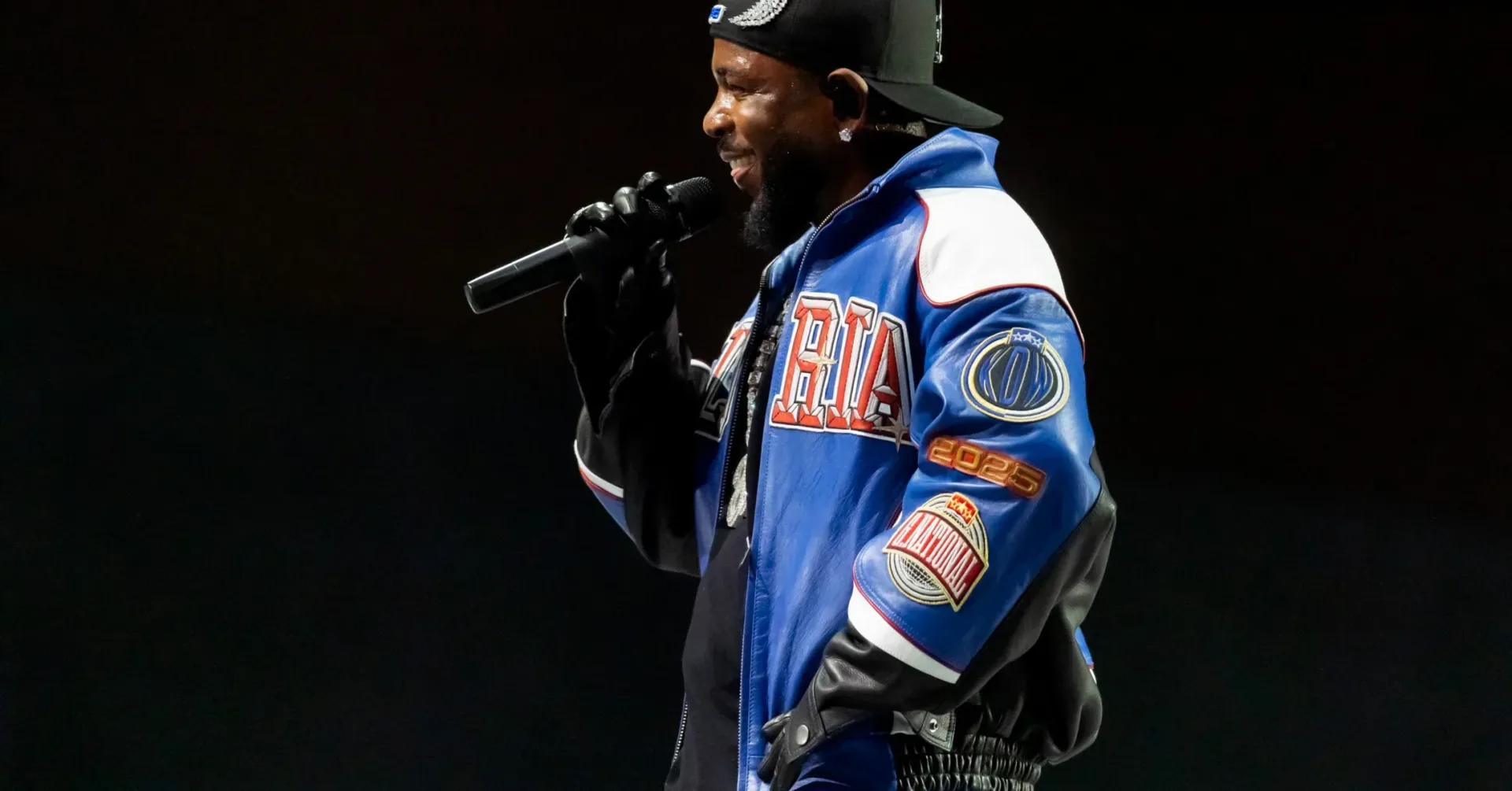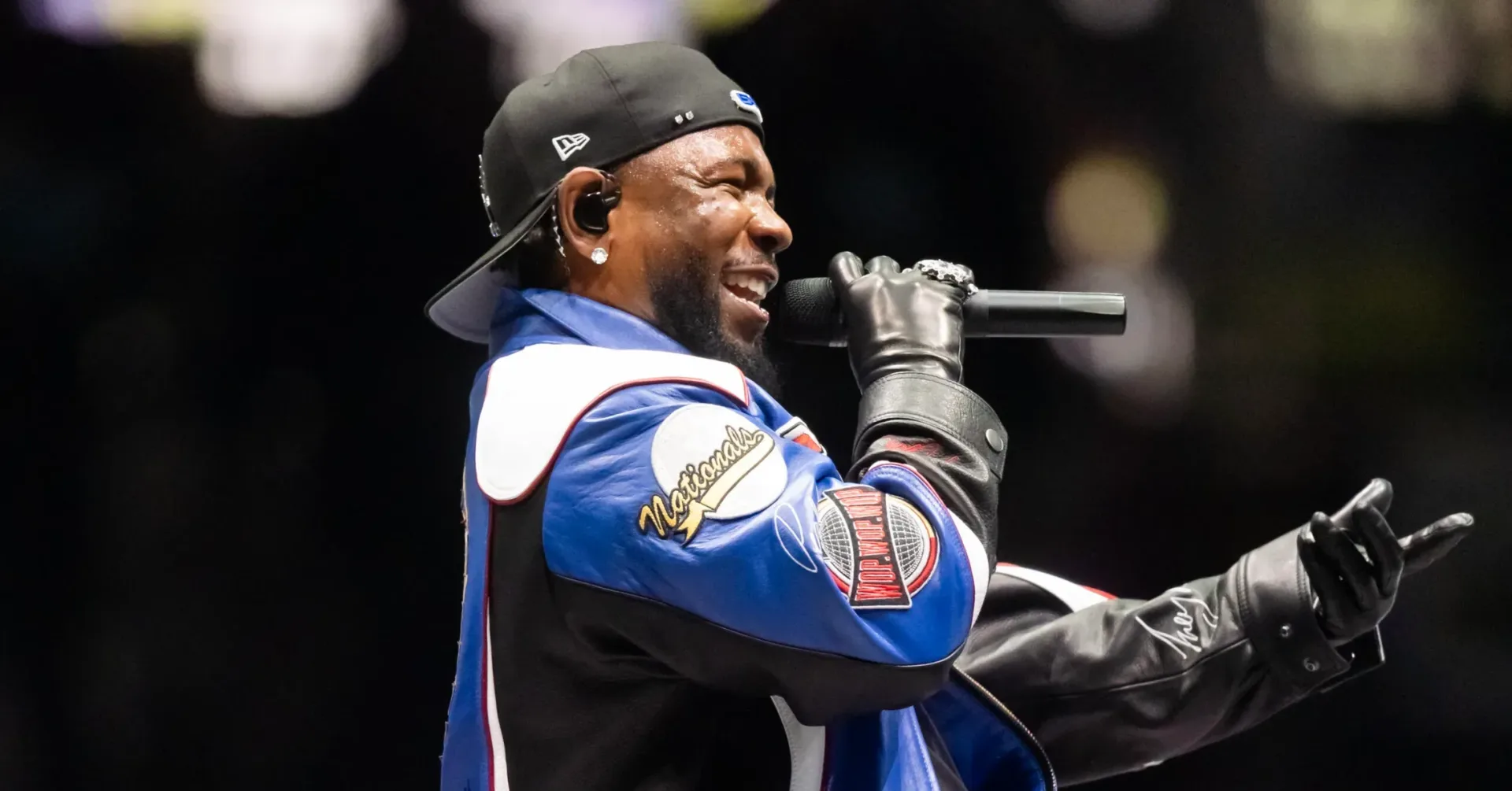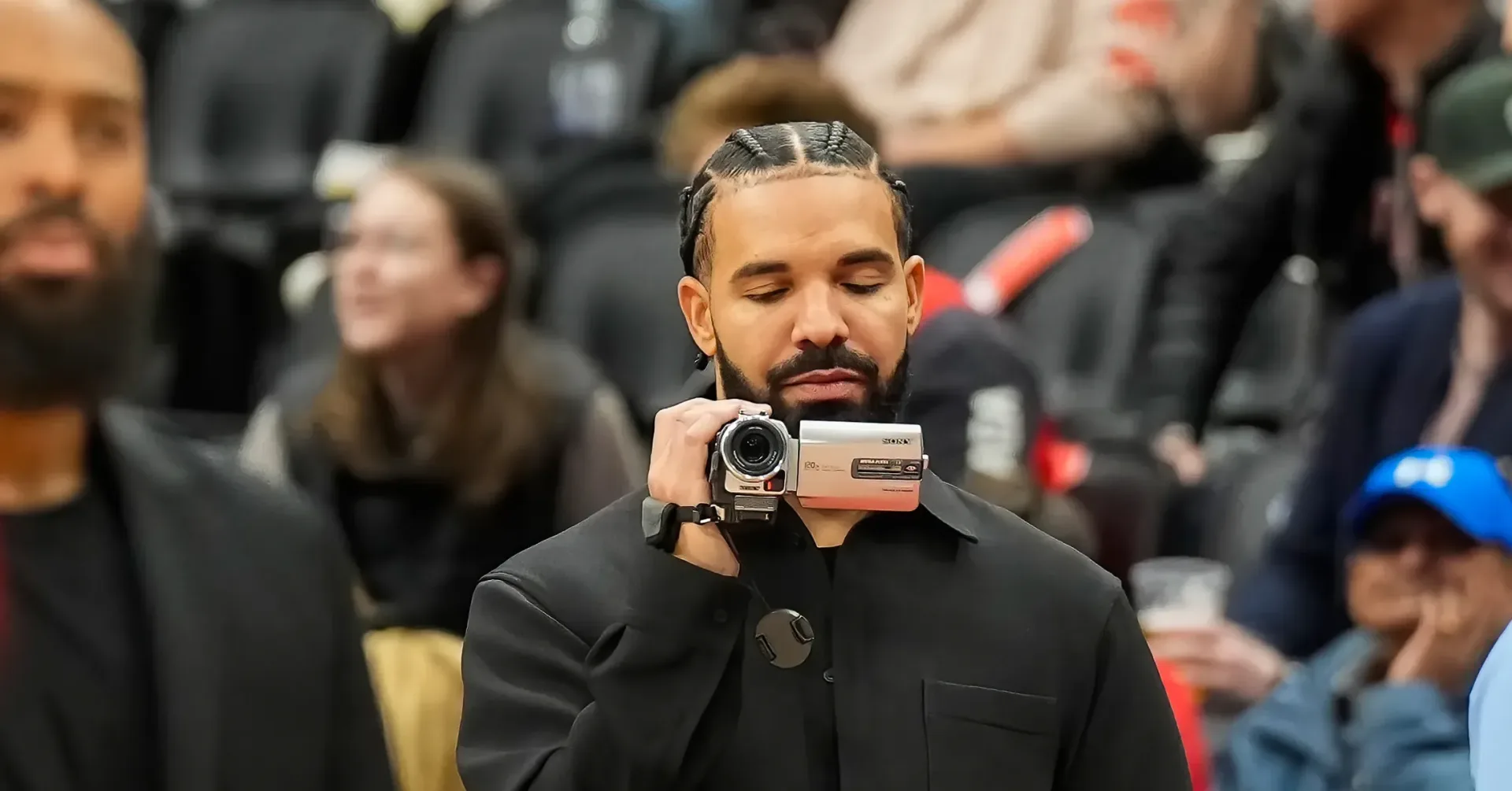
A rumored collaboration between Drake and Baby Keem remains one of hip-hop’s unresolved what-ifs. Nothing from the purported pairing has been released, and there is no confirmation in the available account that a finished song exists. Still, former TDE artist Reason has added a useful piece of context to the long-running rumor: the record was allegedly set aside because the label did not want Baby Keem’s introduction to be overwhelmed by discussion of Drake.
Reason raised the subject during an appearance on New Rory & Mal, acknowledging that talk of a Drake-Keem collaboration had circulated. His description presents the reported decision less as a judgment on either artist or on the music itself, and more as a rollout calculation. The priority, in that telling, was to make sure listeners encountered Baby Keem as Baby Keem—not primarily as the artist with a Drake attachment.
That distinction matters. A major guest appearance can bring immediate attention, but attention is not always the same thing as artist development. Especially for a newer act, a huge feature can redirect every interview, review, comment section and social post toward the famous guest. The emerging artist may receive a spike in visibility while still losing control of the conversation around their own work.
The rumored collaboration remains just that
The central fact needs a clear boundary: Reason discussed an alleged collaboration, not a publicly released track. His comments support that the rumor was known in the orbit around TDE, but they do not establish a title, recording date, tracklist placement, final mix, or whether listeners will ever hear anything. The most accurate description is a rumored Drake and Baby Keem collaboration that reportedly did not move forward.
That uncertainty is part of why the story carries so much fascination. Unreleased or abandoned pairings become blank spaces for fans to fill in. People can imagine how two artists might have sounded together, whether the song could have changed a rollout, and whether its absence altered either musician’s path. Those are understandable questions, but they remain speculation unless more concrete information emerges.
The present-day likelihood of a release also looks especially remote in Reason’s framing, given Baby Keem’s relationship to Kendrick Lamar and the broader tension surrounding Drake and Lamar. That does not turn an old rumor into a verified recording, nor does it prove the exact reason the track was abandoned. It does, however, explain why fans may see this as an especially permanent entry in the genre’s vault of hypothetical collaborations.
What “rollout” means in this context
In music-industry language, a rollout is the planned sequence used to introduce and promote a release or artist. It can include singles, videos, interviews, performances, social posts and the timing of an album. The goal is not simply to make noise. It is to establish a clear story about the artist and the project.
Reason’s account suggests that TDE’s approach was built around protecting that clarity. If a newly emerging artist arrives with a massive celebrity co-sign, the initial narrative can become simple but limiting: “What does the guest’s presence mean?” That can eclipse more useful questions, such as what makes the new artist distinctive, what their songs sound like, and what direction their project is taking.
Related coverage includes Reason Revisits Rumored Drake and Baby Keem Collaboration.
A feature is not inherently a distraction. It can offer chemistry, range and a useful bridge to another audience. But the size of the featured artist changes the balance. In this case, Reason’s argument is that Drake discourse would have become the dominant topic. The hypothetical record might have generated attention, but Keem’s rollout could have been described through Drake before audiences had fully formed an independent impression of Keem.
That is a strategic tradeoff rather than a universal rule. Some emerging performers benefit from an immediate high-profile connection; some may need that jolt to reach audiences who would otherwise miss them. Reason’s point is narrower: TDE allegedly decided that Baby Keem’s launch was better served by avoiding that particular gravitational pull.
Reason connects the idea to AZ Chike and Kendrick Lamar
Reason used AZ Chike and Kendrick Lamar as a more recent comparison. Kendrick was reportedly expected to appear on AZ Chike’s album, yet no Kendrick feature appeared on the finished project. Reason’s interpretation is that Kendrick may have absorbed the same artist-development logic: give AZ Chike room to have the moment without turning the album’s reception into a debate about a Kendrick verse.
It is important to distinguish Reason’s interpretation from a confirmed explanation. The supplied details establish that a Kendrick appearance was reportedly anticipated and did not make the album; they do not provide a definitive public reason for the omission. Reason’s view is a theory about intent, albeit one informed by his former association with TDE and the philosophy he says guided the label’s decisions.
His theory is nevertheless easy to understand. When an album by a developing artist includes a globally recognized name, coverage can rapidly narrow. The feature can become the headline, the key metric and the first thing listeners seek out. Reviews may spend disproportionate time on one guest verse. Fans may stream or discuss a single song while treating the rest of the project as supporting material.
Leaving the guest off can create a different kind of pressure. Without a marquee name to carry the conversation, the artist and their own record must persuade people on their own terms. That is a harder short-term proposition, but Reason’s argument is that it may be healthier in the long term because it builds a more durable connection between the audience and the artist actually being introduced.
The feature paradox: visibility versus identity
The Drake-Baby Keem rumor illustrates a broader tension in pop music: the same event that raises an artist’s profile can blur their identity. A prominent collaborator brings an existing fan base and an immediate news hook. But famous guests also possess what might be called narrative gravity—the tendency for coverage and fan discussion to orbit them regardless of whose project it is.
For a new artist, that can have practical consequences:
- Press attention can become guest-centered. Questions about the collaborator can crowd out discussion of the project’s own ideas.
- Audience expectations can become distorted. Listeners may arrive looking for a superstar moment rather than engaging with the new artist’s style.
- The release can be reduced to one talking point. A whole project risks being remembered chiefly for its feature.
- Momentum may be difficult to repeat. If the first burst of interest is tied to someone else’s appearance, the artist must later show they can command comparable attention independently.
None of those outcomes is guaranteed, and a big feature can plainly work in an artist’s favor. The useful takeaway from Reason’s remarks is not that stars should avoid collaborating with emerging talent. It is that a label or artist must decide what the immediate objective is. If the mission is maximum reach in a single moment, a major co-sign may be ideal. If the mission is to establish a self-contained artistic identity, holding back that co-sign may be a deliberate choice.
That makes the alleged Keem decision more interesting than simple fan-service speculation about an unreleased song. It becomes a window into the way a team might value authorship of a career narrative over the short-term heat of a major collaboration.
Why the conversation keeps returning to the missing record
There is an inevitable irony here: a song reportedly withheld to avoid Drake discourse is now generating Drake discourse years later. But the current conversation is different from the hypothetical rollout moment. It is not competing with a debut campaign in real time. Instead, it invites listeners to consider the choices behind positioning an artist.
Reason’s recollection also reframes the absence of a collaboration as an active decision rather than a passive missed opportunity. Records can fail to appear for countless reasons: schedules, clearance issues, changing creative direction, unfinished work or a simple loss of interest. In this account, the song was allegedly withheld because the team anticipated the consequences of its release. Whether or not fans agree with that calculation, it is a more purposeful explanation than assuming every unreleased pairing was merely forgotten.
For listeners, the lesson is to be cautious about treating absent features as proof of conflict or failure. In some cases, an omission may be part of the plan. That is also the logic Reason applies to the reported Kendrick Lamar absence from AZ Chike’s album: what appears to be a missing boost may instead be an attempt to preserve the lead artist’s spotlight.
The Drake and Baby Keem record, if it existed in a releasable form, may always remain unheard. Yet Reason’s comments give the rumor a clearer thematic significance. The bigger story is not just a tantalizing pairing that never materialized. It is the possibility that a label decided a new artist’s voice was more valuable than the immediate spectacle of a superstar feature—a choice that puts the rollout’s long game ahead of a very loud short game.
For another look at how music careers and public narratives intersect, see Paul McCartney’s Wings reflections in the “Man on the Run” Q&A.