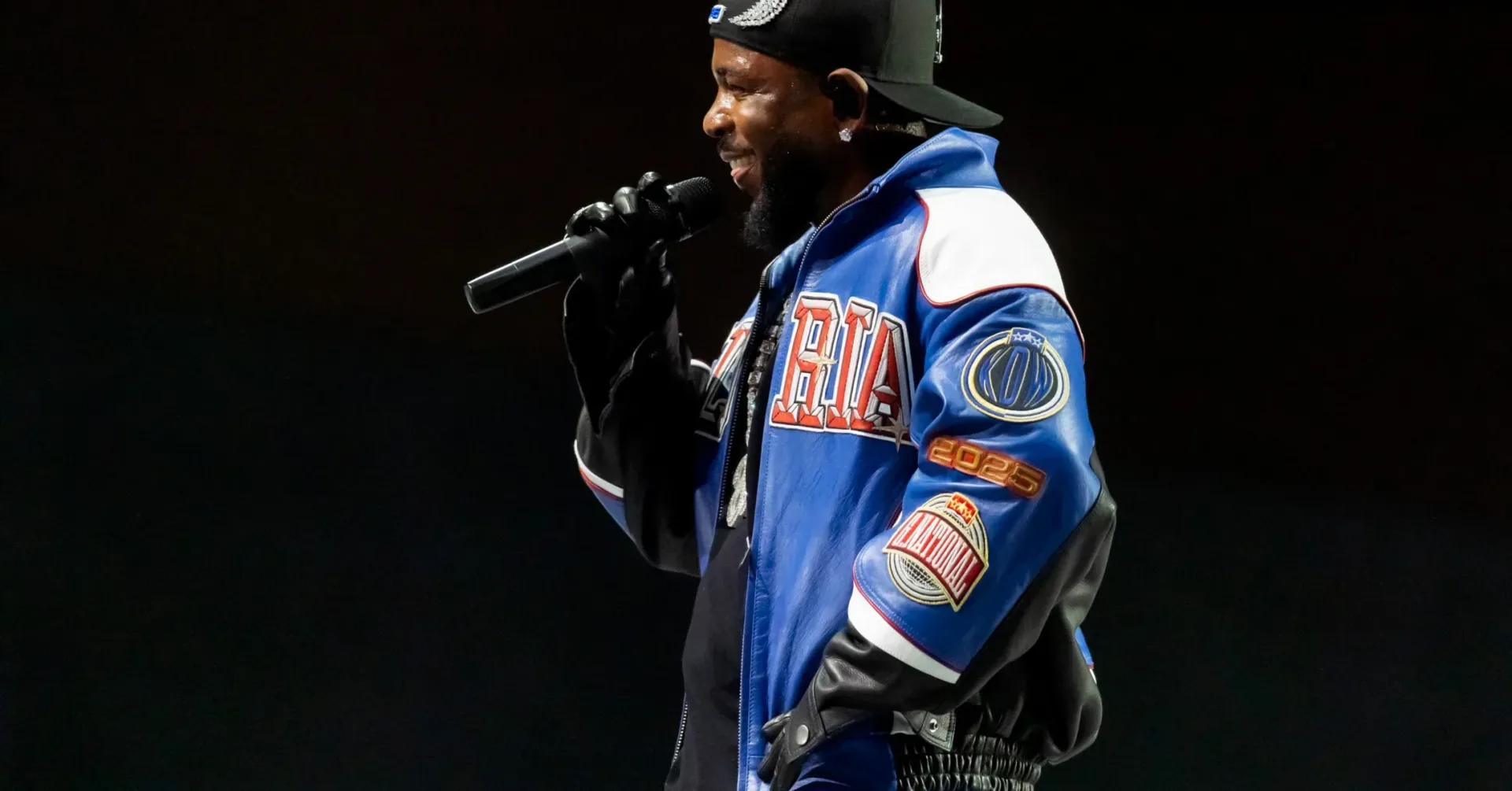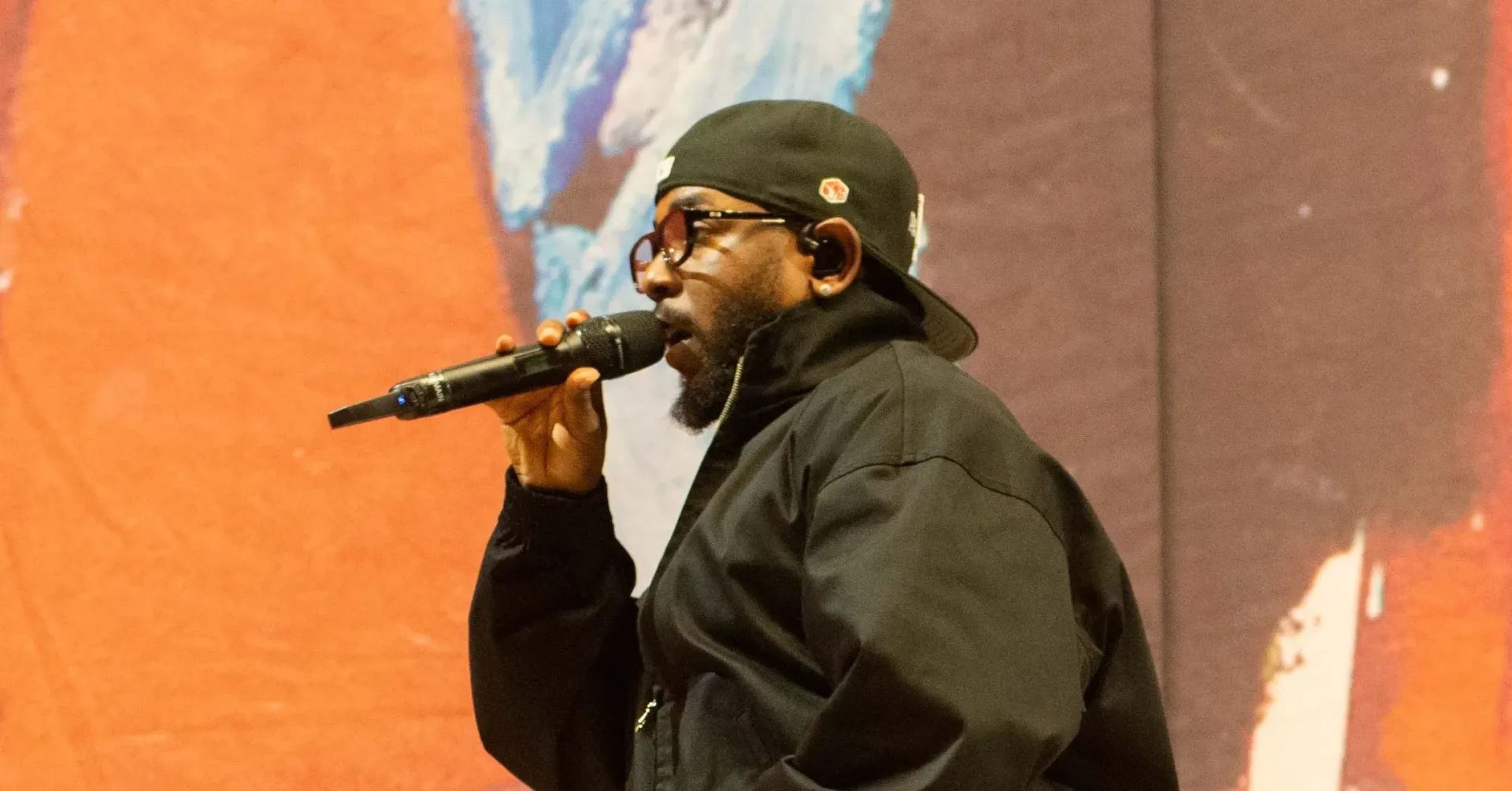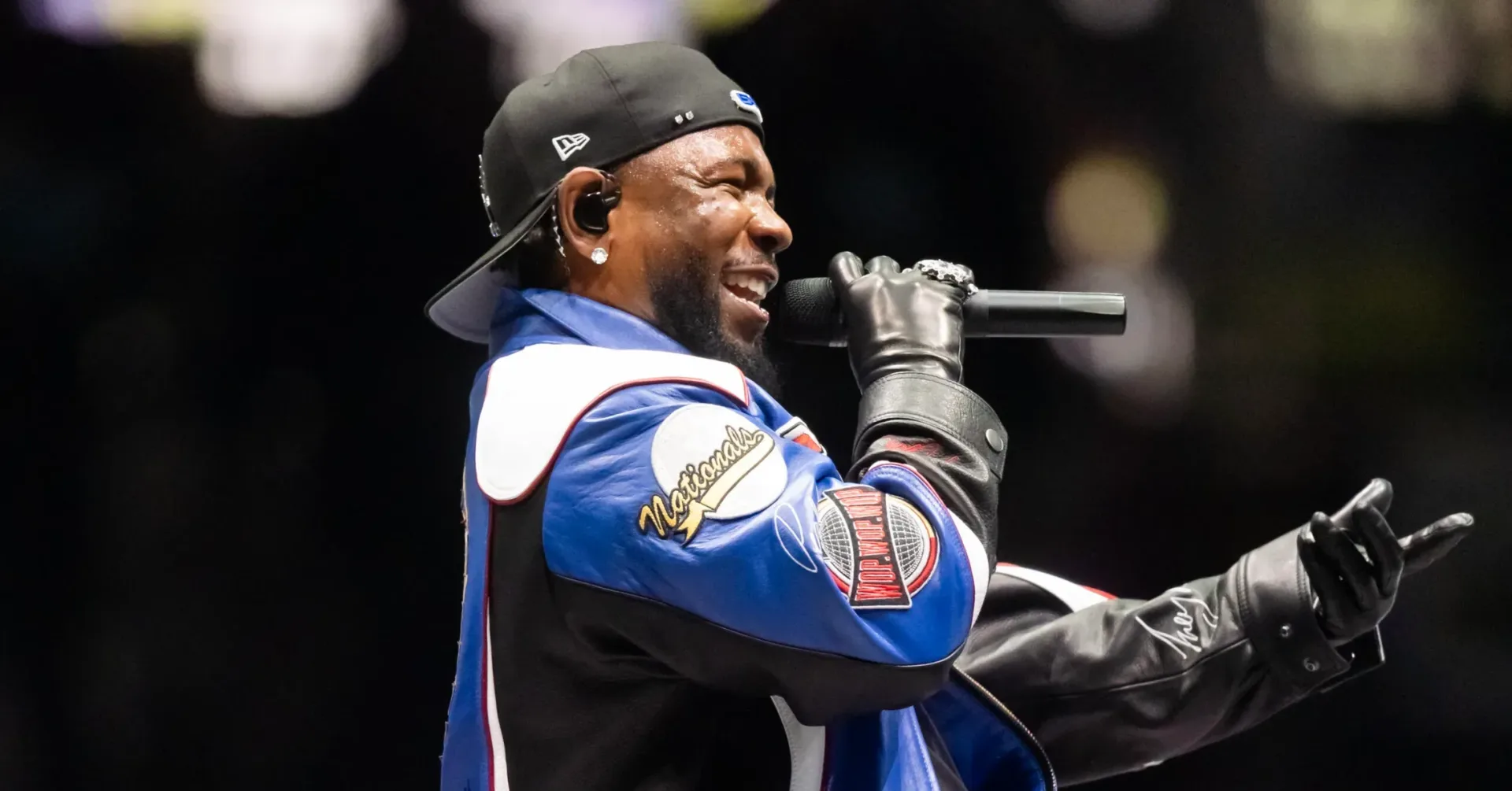
Speculation around Kendrick Lamar’s next album has picked up again, but the most important detail is also the simplest: there is no confirmed release date.
DJ Akademiks said during a recent stream that he thinks Lamar could put out an album near the end of 2026 or in early 2027. However, he made clear that the prediction was not based on information from insiders. It was his personal read on the moment, rather than a report of a completed project, a label plan, or an impending announcement.
That distinction matters. Fans can reasonably treat the comment as a conversation starter, not a countdown clock. Kendrick Lamar’s releases have not historically followed a transparent, lengthy promotional schedule, and the supplied evidence offers no concrete sign that a new record has been formally announced.
What is actually known about Kendrick Lamar’s next album?
The firm point of reference is GNX, Lamar’s 2024 album. Since then, there have been suggestions and fan discussion that more music could be on the way, but suggestion is not confirmation. No title, track list, release date, guest list, single, label statement, or official rollout has been established here.
Akademiks’ projected window—late 2026 or early 2027—therefore belongs in the realm of informed fan speculation. It may be plausible in the broadest sense, but it cannot tell listeners whether a release is finished, how far along it may be, or whether Lamar has even settled on an album-era plan.
The practical takeaway is straightforward: do not read an exact timetable into the prediction. Until Lamar or his team provides direct information, every proposed date remains uncertain.
Why listeners are watching so closely
Part of the interest is tied to the continuing cultural aftershock of Lamar’s dispute with Drake. The supplied material points to listeners discussing perceived subliminal shots—often called “sneak disses”—on Drake’s ICEMAN and FOMO. A sneak diss is an indirect lyrical jab: the target may be implied rather than named outright, leaving audiences to debate intent and meaning.
That debate naturally creates a question for Lamar’s next move. Will he answer any perceived references directly? Will he ignore them? Or will the next project head in an entirely different direction? There is no factual basis yet to declare that an album will be a response record. The interest exists because listeners are asking the question, not because a response has been confirmed.
There is also a less combative reason the prospect is compelling. Lamar’s work has been associated with notable shifts in approach. The supplied background contrasts the large-scale conceptual focus of Mr. Morale with the more direct, catchy framing attributed to GNX. That makes a follow-up difficult to predict: it could extend the immediate feel of his last release, take another stylistic turn, or do something that does not fit either description.
In that sense, the album discussion is not only about a possible Drake reply. It is also about artistic direction—what kind of record Lamar may choose to make after GNX, and whether listeners’ assumptions will prove useful at all.
His release style is a reason to be cautious
Lamar’s apparent willingness to keep release plans close to the vest is central to the uncertainty. The supplied account characterizes his approach as one where the public may hear little until the day an album arrives, or only a short time before it does.
GNX is presented as the clearest recent example. Lamar released a teaser on YouTube and then followed it with the album only minutes later. A teaser is brief promotional material intended to signal an upcoming release without necessarily disclosing the full details. In this case, the short runway meant that a traditional long campaign—weeks or months of staggered announcements, promotional singles, and visible scheduling—was not required.
That history cuts two ways for anyone trying to forecast the next record. On one hand, silence should not automatically be treated as proof that nothing is happening. An artist who has used a sudden-release approach can always choose to reveal plans very late. On the other, that same silence gives outsiders little dependable evidence with which to predict a date.
It is tempting to confuse a quiet period with a deliberate rollout. But those are different things. A rollout is a planned sequence of promotional activity around a project. A quiet period is simply a lack of public information. Without official signals, there is no reliable reason to assume one is secretly the other.
A less crowded release period could be attractive—but it is not proof
The timing theory behind Akademiks’ hunch has an understandable logic. The supplied material describes the period moving into October as one with relatively few major album releases, alongside label budget reductions. In a less congested release calendar, a major artist could face less immediate competition for attention.
For an artist at Lamar’s level, that could theoretically make a surprise drop especially effective. A release arriving with minimal warning can dominate online discussion because audiences have little time to spread their attention across competing campaigns. The format can turn the absence of advance information into part of the event.
Still, the market logic is analysis, not evidence of a Kendrick Lamar launch. A quieter schedule may be an opportunity; it does not demonstrate that he intends to use it. Nor does broader talk of changing label budgets establish anything specific about his own plans.
That difference is worth preserving because music-release speculation often gains momentum by stacking reasonable-sounding assumptions. A fan sees a quieter calendar, remembers a surprise album, notices renewed discussion of old rivalries, and arrives at a seemingly precise date. Yet each step can remain an inference rather than a fact.
How to read the “late 2026 or early 2027” prediction
The strongest way to interpret the forecast is as a broad possibility with clearly stated limits:
- It is a prediction, not a leak. Akademiks did not claim to have insider sourcing for the proposed window.
- It does not confirm an album exists in a releasable form. No official project details are supplied.
- It does not establish a Drake-focused concept. Curiosity about a possible lyrical answer is not confirmation of one.
- It fits Lamar’s surprise-release reputation without proving a surprise is coming. Past tactics can inform expectations, but they do not guarantee repetition.
There is one additional reason not to overcommit to the timetable: Lamar has previously gone five years between albums. That precedent does not mean another five-year wait is inevitable, but it does show why fans should resist treating a hopeful window as a promise. His release cadence is not presented as fixed or easily forecast.
For the moment, GNX remains the last confirmed album in this discussion. Anything beyond that—including a year-end release, an early-2027 arrival, or a sharply targeted response to Drake—should be held as possibility rather than fact.
What fans should watch for next
If Lamar does move toward another album, the most meaningful signs will be direct ones: material posted through his own channels, a formal release notice, a teaser tied to a verified date, or the music itself. Until then, the better approach is to separate the excitement of prediction from the certainty of an announcement.
That caution does not make the discussion less interesting. It simply keeps the story honest. Lamar’s 2024 surprise strategy showed that an album can arrive quickly after very little advance notice. His longer gaps between projects show that patience can also be required. Those two realities make him unusually hard to schedule from the outside.
Pop culture audiences are increasingly accustomed to sudden, technology-shaped entertainment reveals, a conversation also visible in reports around AI-generated television experiments. But a surprise-oriented release style is still not the same as a confirmed release plan. In Lamar’s case, the only responsible answer to “when?” remains: no date has been announced.