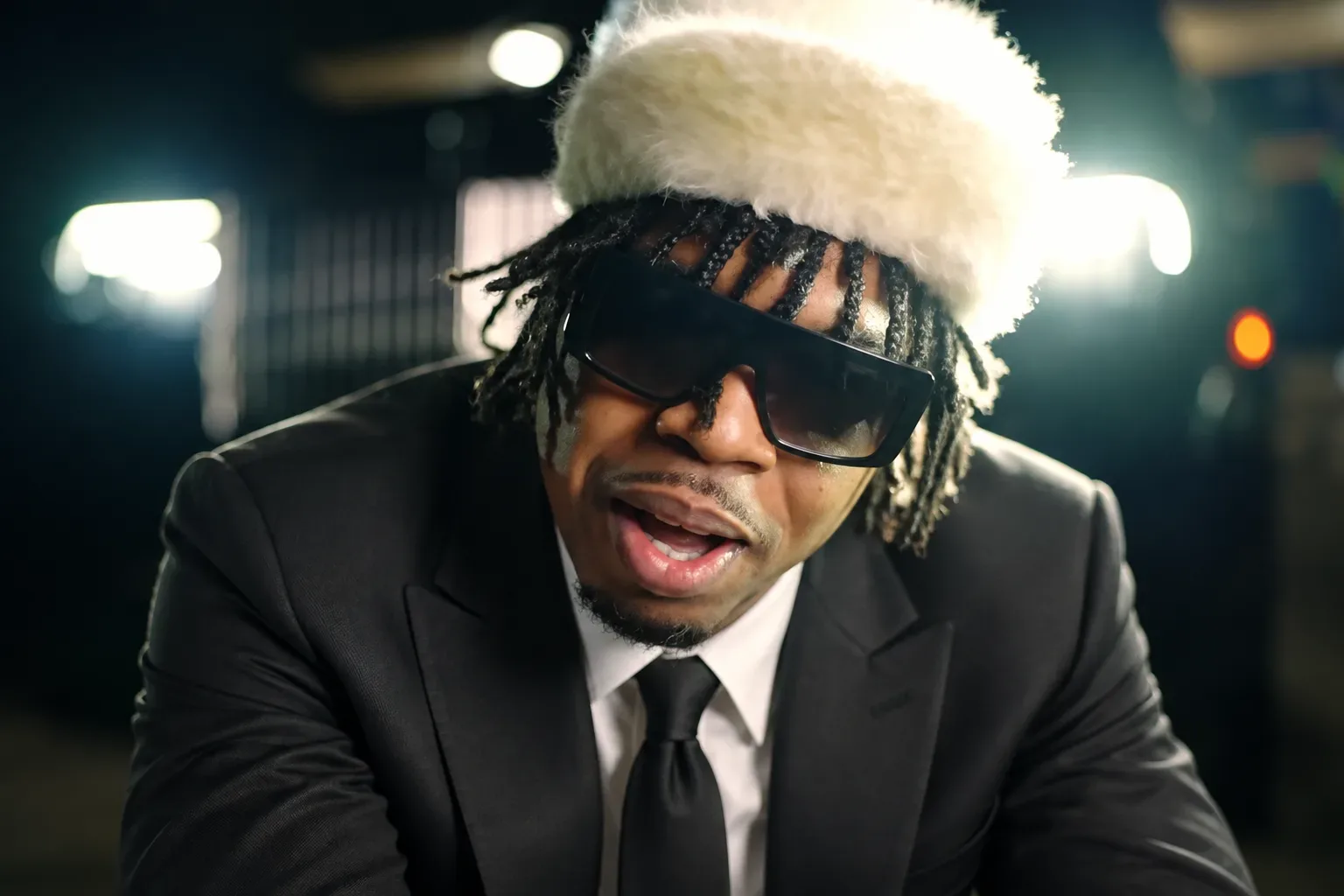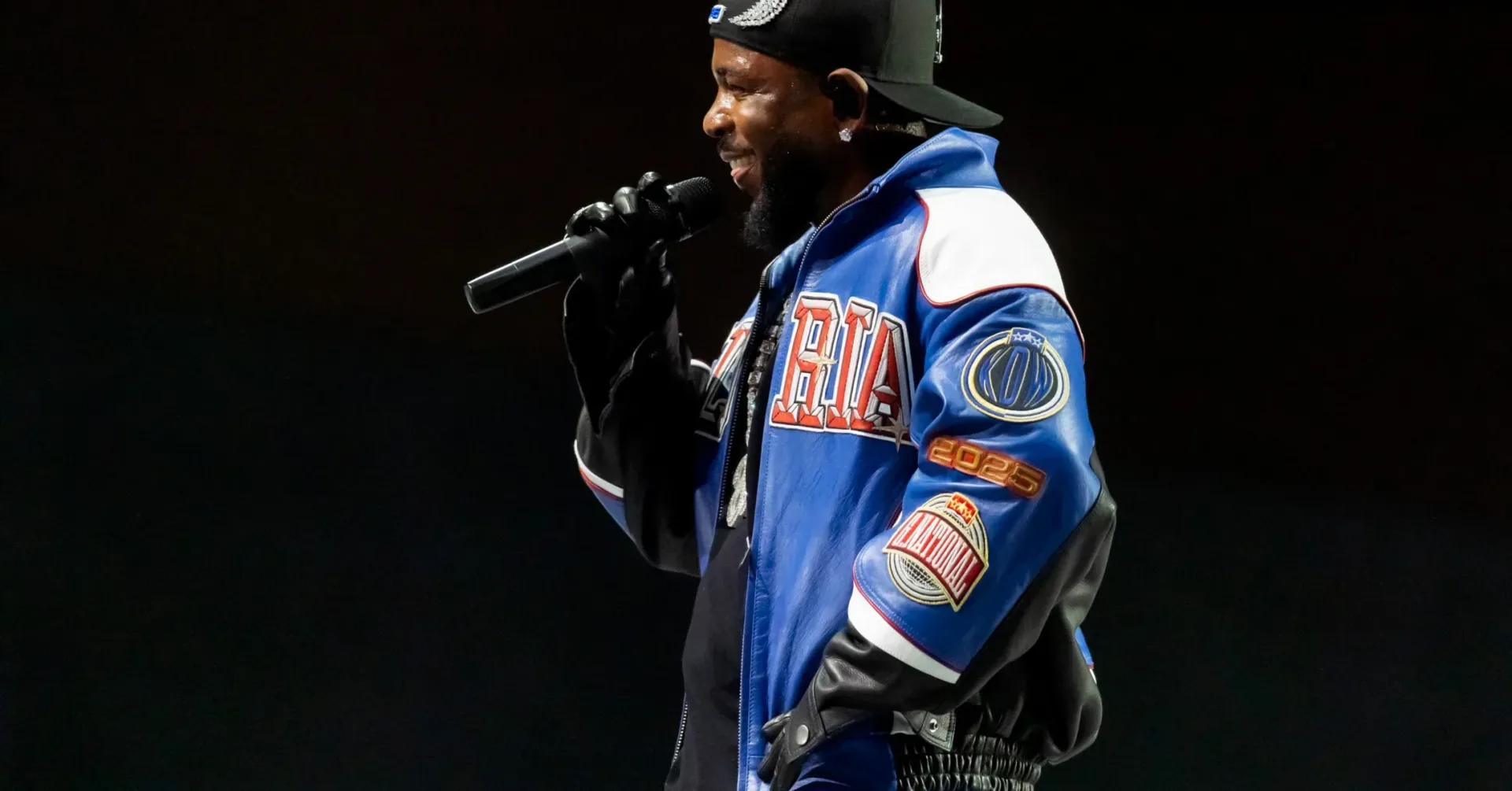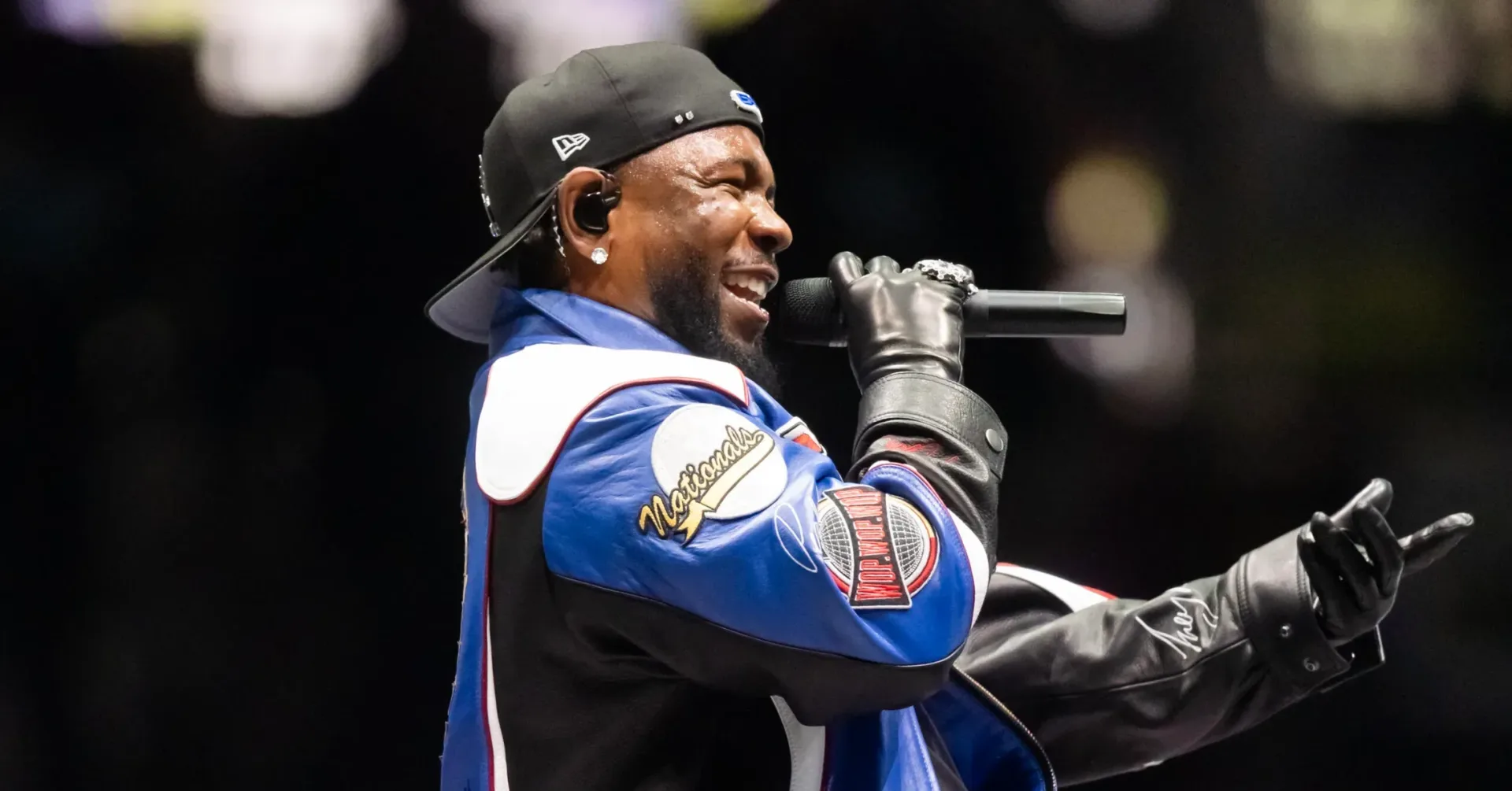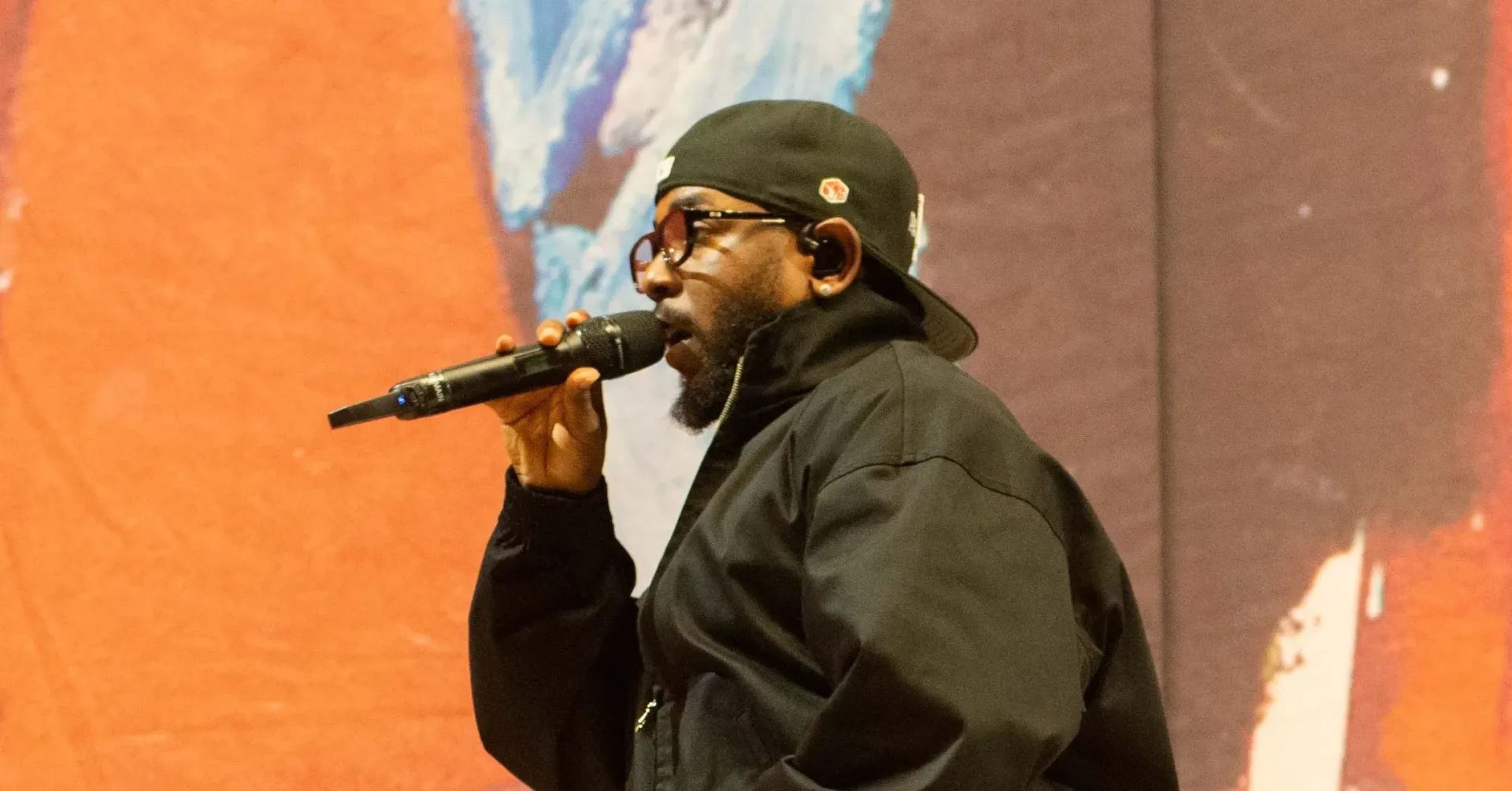
AZ Chike’s next album is on the calendar, and one set of studio photos has given its rollout an extra charge. No Rest For The Wicked is scheduled for September 18, and Chike recently shared images of himself alongside Kendrick Lamar while promoting the project. The post has prompted widespread anticipation that Lamar may appear on the album.
That possibility matters for more than the usual “two artists were in a room together” excitement. AZ Chike and Kendrick already have a recorded connection through “peekaboo,” a song from Lamar’s GNX. Chike was among the West Coast voices who received a major spotlight through that album, so the prospect of a follow-up is an easy one for listeners to latch onto.
Still, the important word here is prospect. The studio images are not the same thing as a confirmed feature list. No official track-by-track confirmation is included with the tease, and the pictures alone leave room for several possibilities. Lamar could have recorded a verse, offered creative input, visited during the sessions, or contributed in another capacity. Until credits or a tracklist settle the question, fans should treat a Kendrick feature on No Rest For The Wicked as strongly suggested rather than locked in.
That distinction may sound like the least glamorous part of an album rollout, but it is also what keeps expectations from sprinting ahead of the evidence. In hip-hop, studio photographs are a particularly efficient kind of fuel: they can signal a collaboration, celebrate a friendship, document a work session, or simply set the mood for a campaign. Sometimes the internet sees two microphones and immediately starts engraving plaques.
Why the teaser has so much momentum
Chike’s history makes the reaction understandable. He previously shared studio time with Tyler, The Creator, and the pair later released “Look Like My Mama.” That precedent does not prove that every studio post becomes a song, but it explains why people are reading the Kendrick photos as more than decorative rollout material.
The GNX connection also gives the speculation a clear narrative. “peekaboo” established that Kendrick and AZ Chike can occupy the same record without the pairing feeling like a random, algorithm-designed crossover. A second collaboration would be an opportunity to build on that foundation while putting Chike’s forthcoming project at the center of the moment.
For AZ Chike, that is the bigger angle. A high-profile guest appearance can bring attention, but a new album has to turn attention into interest in the artist leading the record. If Lamar is indeed present, the lasting question will not simply be whether the feature happened. It will be how No Rest For The Wicked frames Chike’s voice, choices, and momentum around it.
That is especially relevant when an established star’s name becomes the loudest part of the conversation before an album arrives. The best-case scenario for the project is not that listeners leave discussing only a rumored guest. It is that the guest, if confirmed, makes people more curious about what Chike does across the rest of the record.
What Kendrick Lamar’s recent features suggest — and what they do not
Lamar has already made several guest appearances in 2026, including two on Baby Keem’s Ca$ino: “Good Flirts” with Momo Boyd and “House Money.” Those appearances were not presented in the same mode. “Good Flirts” leaned tender and romantic, while “House Money” used Lamar more briefly, with a darker hook rather than an extended showcase.
He also appears on “How To Pray” from Dahi’s Black Boy (Alternative), a feature that takes a lighter, more restrained approach. Together, those records underline a simple point: the presence of Kendrick Lamar does not automatically tell listeners what kind of song they are getting. A guest slot can be a full rap performance, a refrain, a tonal accent, or something built to serve another artist’s record rather than dominate it.
That range is part of why fans are already debating what a possible AZ Chike reunion could sound like. Some are naturally hoping for a more forceful, rap-forward performance than Lamar’s recent quieter or shorter appearances. Others may prefer a track that does not try to recreate “peekaboo” at all. There is no confirmed song title, role, or sonic direction to point to yet, so each of those ideas remains fan expectation rather than album information.
What can be said is that the two artists’ existing collaboration gives this tease more context than a first-time pairing would have. They have already shared space on a Kendrick Lamar album; another joint record would arrive with an established reference point, even if it ultimately takes a very different shape.
A release date, a tease, and a useful dose of patience
The September 18 date gives the speculation a near-term answer. Listeners will not have to wait long to see whether the social post was effectively a feature reveal, a hint at behind-the-scenes involvement, or simply a reminder of a relationship that already produced “peekaboo.” For now, the release date itself is the firm piece of information: No Rest For The Wicked is due September 18.
That timing has also put the spotlight on how modern album rollouts work. A single image can be more efficient than a paragraph of promotional copy, particularly when it contains two artists whose prior work invites immediate theories. It creates a conversation without giving away too much — perhaps even without giving away anything definitive. The downside is that ambiguity can become its own kind of promise in the audience’s mind.
That is why it is worth separating what is known from what is being inferred:
- Known: AZ Chike is releasing No Rest For The Wicked on September 18.
- Known: Chike shared studio images with Kendrick Lamar while promoting the album.
- Known: The pair previously collaborated on “peekaboo” from GNX.
- Not formally confirmed: Kendrick Lamar’s placement on the new album’s tracklist.
- Not formally confirmed: the name, style, or extent of any possible contribution.
None of that dampens the potential appeal of the record. In fact, it makes the lead-up more interesting in a grounded way. Chike has a clear deadline, a new project, and a visual tease tied to one of rap’s most scrutinized artists. The final tracklist now has a built-in point of interest, but it also has a chance to demonstrate that the album is more than one speculative credit.
Music headlines can often resemble gaming rumor cycles: a screenshot, a silhouette, a file name, or a carefully cropped photo becomes a community-wide scavenger hunt. The good version of that energy is communal anticipation. The less useful version is when every clue is treated as a finished announcement. Fans waiting on No Rest For The Wicked can enjoy the detective work while leaving enough room for the album to reveal its own plan.
For a related item involving an artist’s onstage situation where the available details remain incomplete, see this report on Webbie’s Dallas set with Boosie BadAzz.
The “peekaboo” factor
Any possible new Kendrick-and-Chike song will inevitably be measured against “peekaboo,” because it is the pair’s existing shared credit and because it placed AZ Chike in a particularly visible setting. But a follow-up does not need to compete by copying the earlier song’s function. It could emphasize a different performance style, a different arrangement, or a different division of roles.
More importantly, the new album would be AZ Chike’s platform. That changes the stakes. On GNX, the context was Kendrick Lamar’s project and Kendrick’s world. On No Rest For The Wicked, the frame belongs to Chike. If a collaboration is there, it would be an opportunity for him to direct the encounter rather than merely arrive as part of another artist’s lineup.
Until September 18, the studio pictures will keep doing what good teaser material does: keeping people talking. A Kendrick Lamar appearance is plausible, the prior collaboration gives the idea substance, and the absence of a formal confirmation keeps the situation open. The only reliable next step is to watch for official album details — then let the music, rather than the zoomed-in studio-photo analysis, make the strongest case.