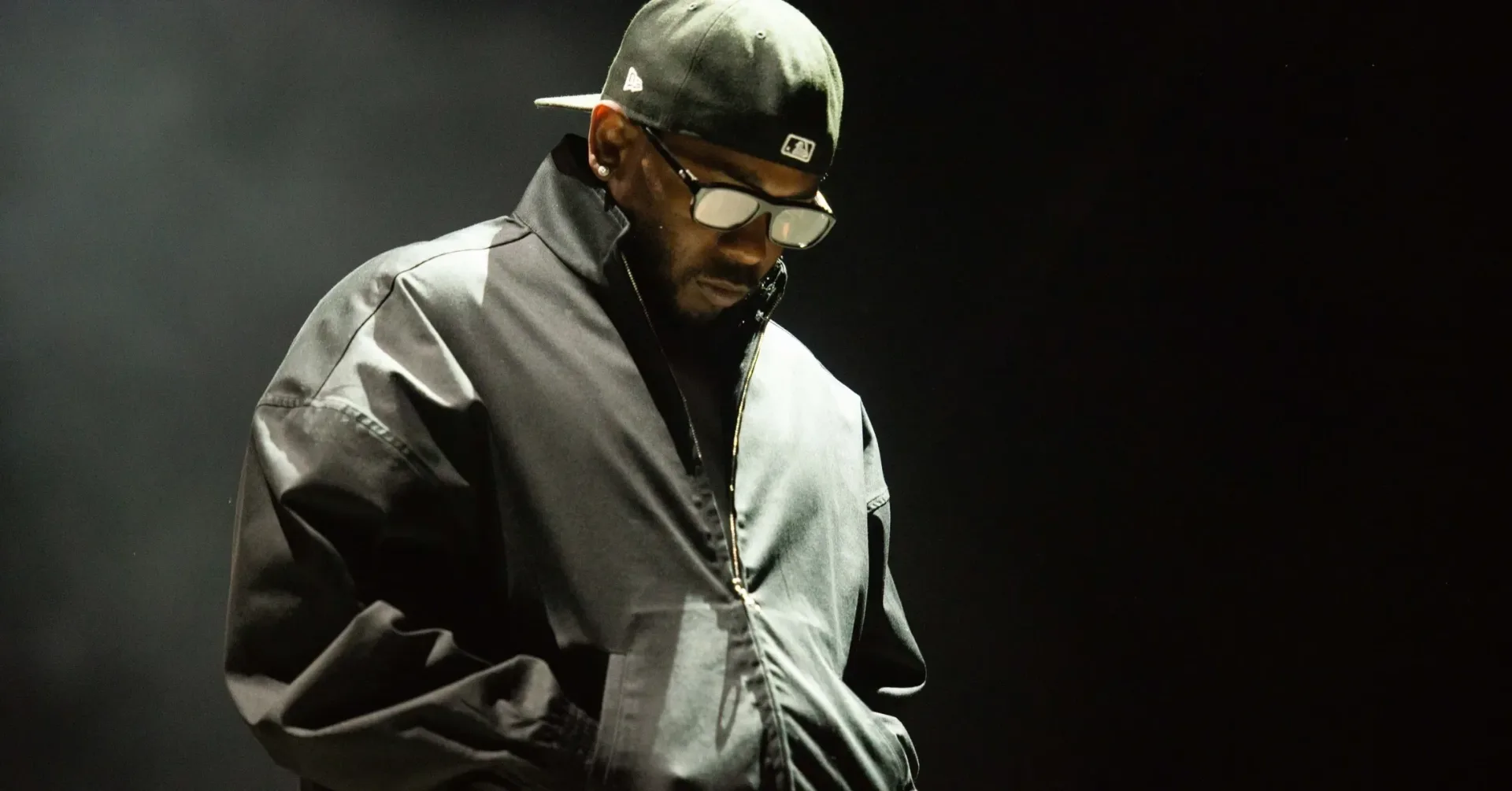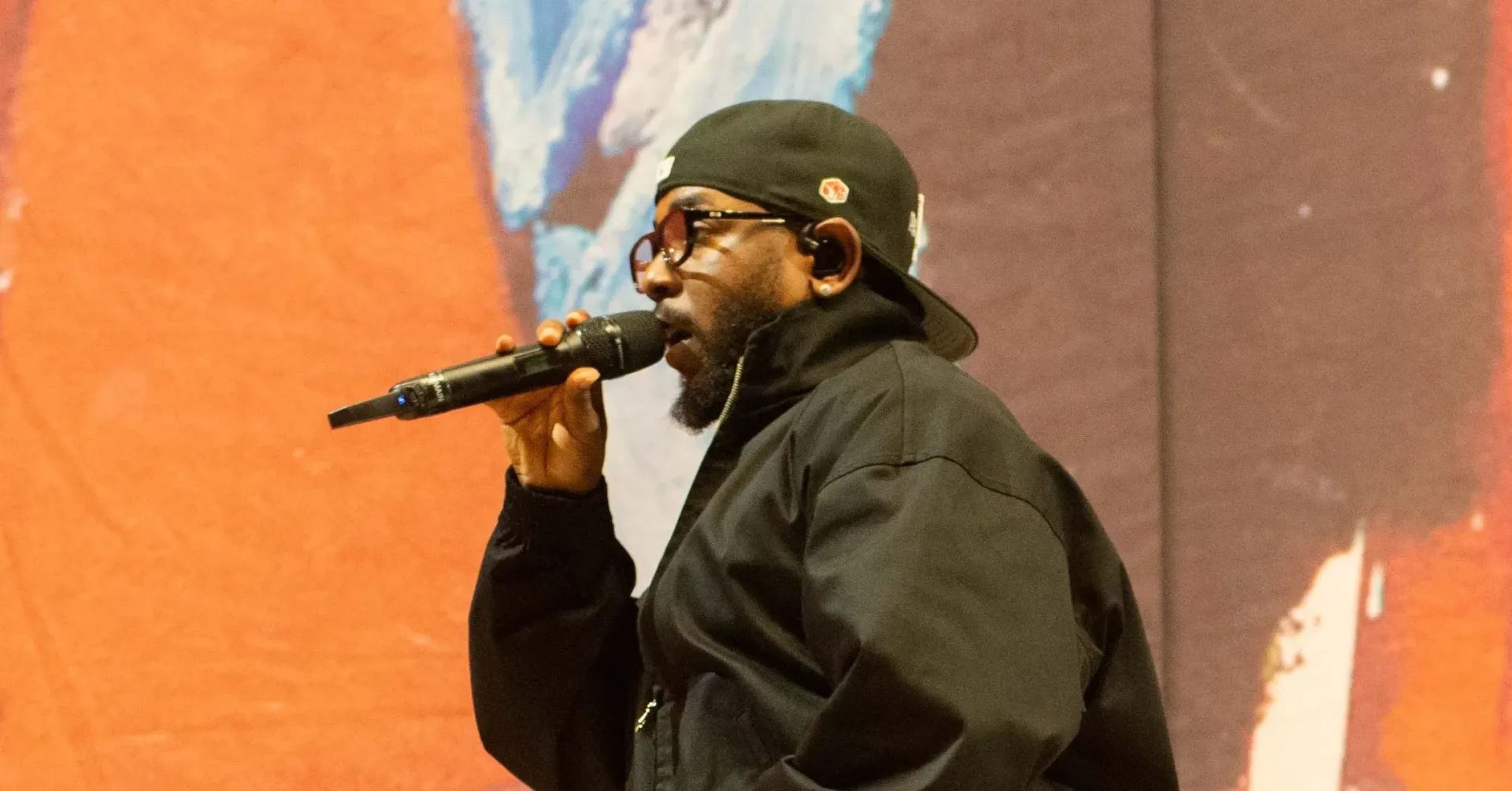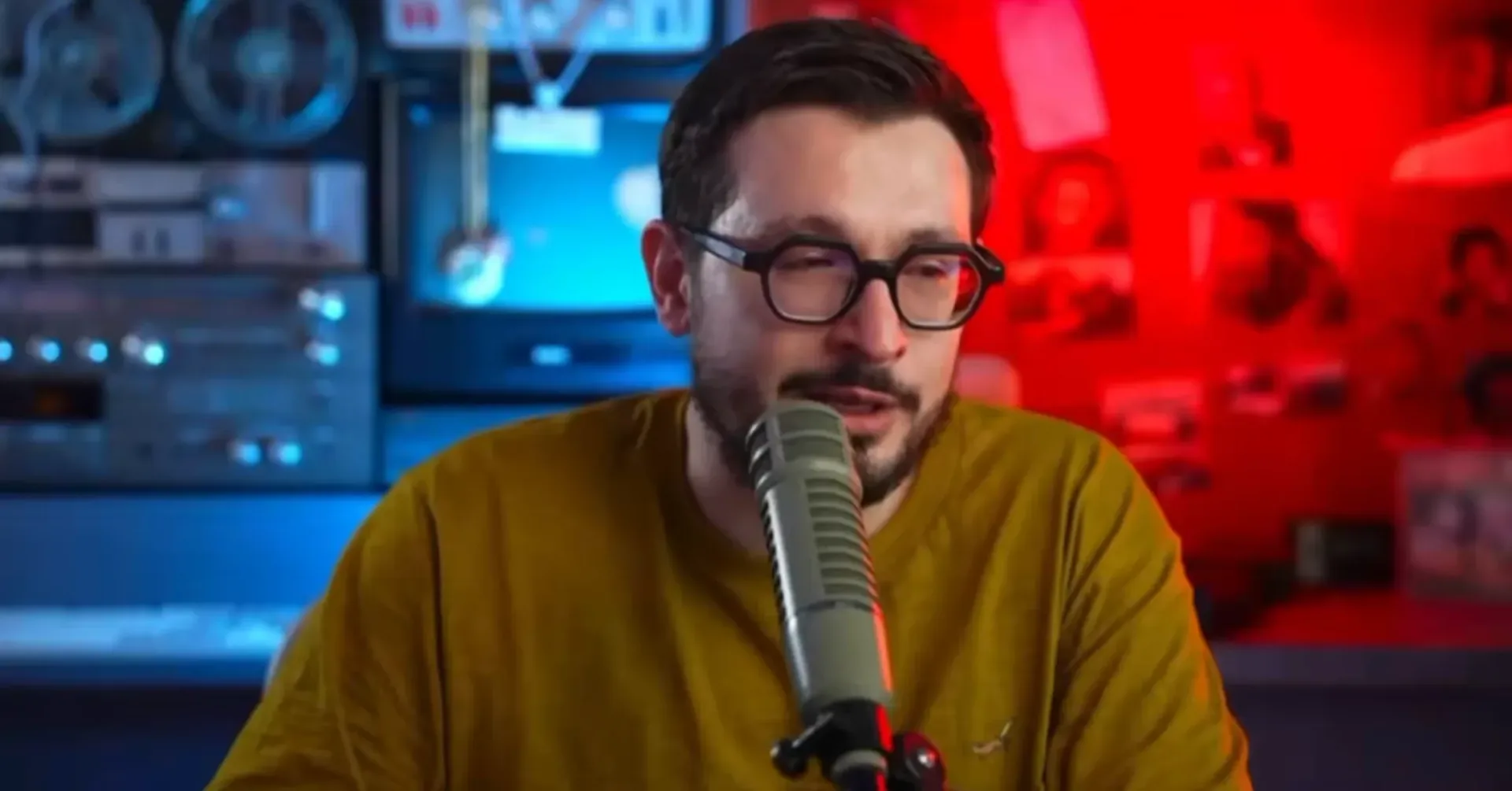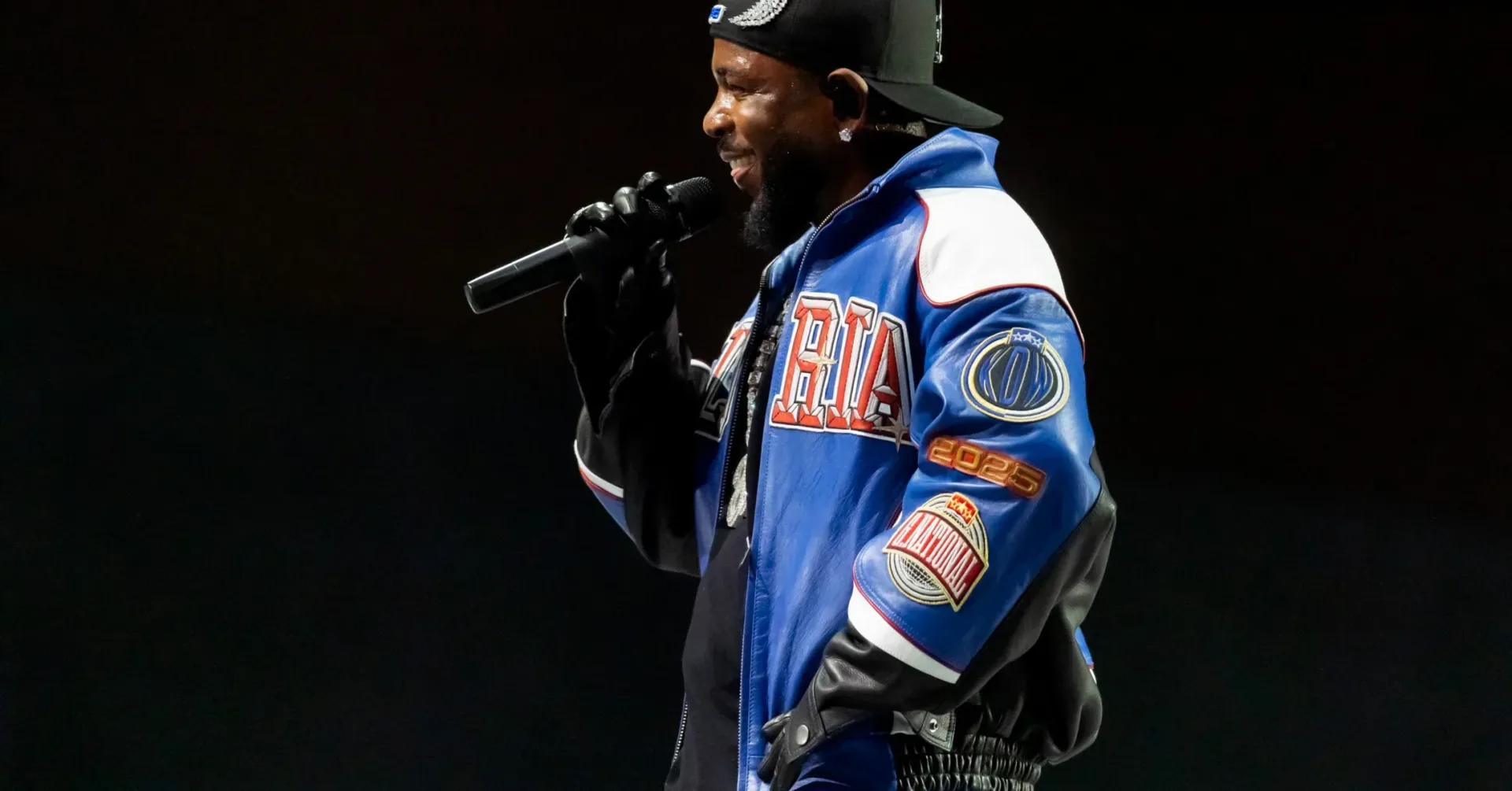
DJ Akademiks is once again weighing in on the long-running conversation around Kendrick Lamar and Drake, this time with a warning aimed squarely at Lamar’s possible next move. The commentator addressed reports that Lamar may appear on an upcoming AZ Chike album and may use the guest verse to deliver more confrontational bars. His advice was simple in principle, if complicated in practice: do not throw shots at Drake or The Game unless you are prepared to keep the exchange going.
That warning does not confirm the contents of any unreleased song. It instead reflects the familiar anticipatory stage of a hip-hop rivalry, where even a reported feature can become a canvas for predictions, alliances, old grievances, and arguments over what an artist ought to do next. Akademiks discussed the prospect on a livestream while speaking with What’s The Dirt?, framing a potential diss as something with consequences beyond one explosive verse.
For listeners, the immediate takeaway is not that a new Kendrick Lamar diss record has been announced. It is that the possibility of one has revived debate around two connected questions: whether the Drake-Kendrick conflict has actually reached its endpoint, and whether invoking The Game would open an entirely separate and potentially enduring dispute.
Why The Game Is Part of Akademiks’ Warning
Akademiks’ concern centered heavily on The Game’s reputation for keeping verbal disputes alive over long stretches. In his telling, The Game is not an artist someone can criticize and then simply ignore afterward. The implication is that a diss aimed in that direction could require Lamar to remain engaged rather than make one appearance and move onto a different creative cycle.
That is an important distinction. Hip-hop diss tracks are often treated as isolated events by spectators: one rapper says something sharp, the internet scores the moment, and the next release determines a winner. The reality can be much less tidy. A direct reference can create an ongoing series of responses, interviews, social posts, side comments, guest verses, and renewed scrutiny of old records. The music may start the confrontation, but the discourse around it can last far longer.
Akademiks also questioned whether Lamar would want to make that level of commitment. He has characterized Lamar as being too inactive for a lengthy back-and-forth, an assessment that is plainly opinion rather than a measurable fact. Still, it identifies the tension behind the warning: an artist’s selective release schedule can look like discipline to one audience and reluctance to another.
For Lamar, who has frequently been discussed as an artist willing to take long gaps between projects or major public statements, the issue is not necessarily whether he can write a damaging verse. It is whether he would see strategic value in regularly feeding a feud after making his point. Akademiks’ answer appears to be that sparring with The Game, especially, would not permit a clean exit.
Is There Really No Room for Another Drake Round?
On Drake, Akademiks argued that the battle should be considered finished and that there should be no second round. That position sits awkwardly beside the broader discussion surrounding ICEMAN, where Drake has been understood to include shots at Kendrick Lamar. In other words, the call for finality has not stopped listeners from hearing the rivalry’s echoes in subsequent Drake material.
The difference matters because fans rarely judge a rap battle solely on whether an artist names the other person directly. They listen for coded references, pointed images, delivery choices, release timing, and the way a line can be interpreted in the context of a public dispute. That interpretive culture makes declarations that a feud is “over” difficult to enforce. A rivalry can be officially closed in one person’s eyes while continuing to generate perceived responses in songs, reactions, and fan communities.
Akademiks has long been seen as favorable to Drake in this conversation, so his recommendation that Lamar leave the matter alone is likely to draw skepticism from listeners who see the commentary as uneven. A commentator is entitled to a point of view, of course, but audiences tend to notice when restraint is requested of one rapper more emphatically than another.
That imbalance is a central reason these debates never stay limited to the songs themselves. Fans are also assessing the people interpreting the songs: who they support, what they amplify, which bars they treat as consequential, and which they dismiss as old news. In a rivalry this large, the commentary ecosystem becomes part of the spectacle.
The Reported Kendrick Lamar Features
The discussion has arrived amid expectations of more Lamar guest material. Lamar is slated to appear on a Jhené Aiko project expected to arrive on September 11, 2026. He is also reportedly connected to AZ Chike’s forthcoming album. The AZ Chike appearance is the one tied to the present speculation, but neither a feature credit nor a rumored lyrical topic should be mistaken for a confirmed diss.
Guest verses often receive an unusual amount of attention when the artist involved has a history of major competitive records. Every phrase can be pre-litigated before the public has heard a note, which creates pressure for a song to deliver on expectations that may have come entirely from outside the studio. Sometimes the eventual verse contains the line everyone anticipated. Sometimes it takes a completely different direction. Until music is released, the responsible posture is to separate reports about participation from assumptions about subject matter.
There is also a more straightforward reason fans may be excited: a Kendrick Lamar appearance on projects from Jhené Aiko and potentially AZ Chike offers the prospect of high-profile collaborations regardless of feud mechanics. A guest verse can broaden the host artist’s reach, create a new stylistic pairing, and give audiences a reason to pay attention to an album as a whole rather than hunt only for a quotable jab.
That wider perspective can get lost when conflict dominates the timeline. The most productive result of a rumored appearance may be a memorable record, not another scoreboard update.
A Feud Is Not the Only Story Music Can Tell
The enthusiasm around Lamar’s possible next verse demonstrates how compelling rap competition remains, but it also shows how quickly a narrative can eclipse the music. Every major figure in this conversation has a body of work and a creative context larger than a single confrontation. AZ Chike’s album should ultimately be evaluated as AZ Chike’s project. A Jhené Aiko release deserves attention for its own artistic identity. Kendrick Lamar’s contribution, if and when it arrives, is one piece of that larger work.
That does not mean listeners should ignore lyrical tension. Competitive rap is a foundational part of the genre, and diss records can be artistically important, historically influential, and genuinely thrilling. It means only that uncertainty should remain uncertainty. A reported feature is not proof of a diss. A commentator’s warning is not confirmation that a battle is ready to restart. And a listener’s interpretation is not automatically an artist’s declared intent.
The same caution is useful whenever music and public disputes overlap with legal questions. Separate music-industry developments, including the proposed licensed AI music platform covered in this look at UMG and ElevenLabs’ remix plans, underline how many conversations now compete for attention around major artists. A bar can drive the social cycle, but the business, technology, collaborations, and album craft continue moving too.
For now, Akademiks has supplied a clear argument: Kendrick Lamar should avoid directing fresh lyrics at Drake or The Game unless he intends to sustain whatever follows. Whether Lamar shares that calculation is unknown. Whether the reported AZ Chike verse addresses either rapper is also unknown. What is certain is that the very possibility has already brought the Drake-Kendrick debate back into circulation, proving that even the prospect of one verse can reactivate an enormous cultural argument.