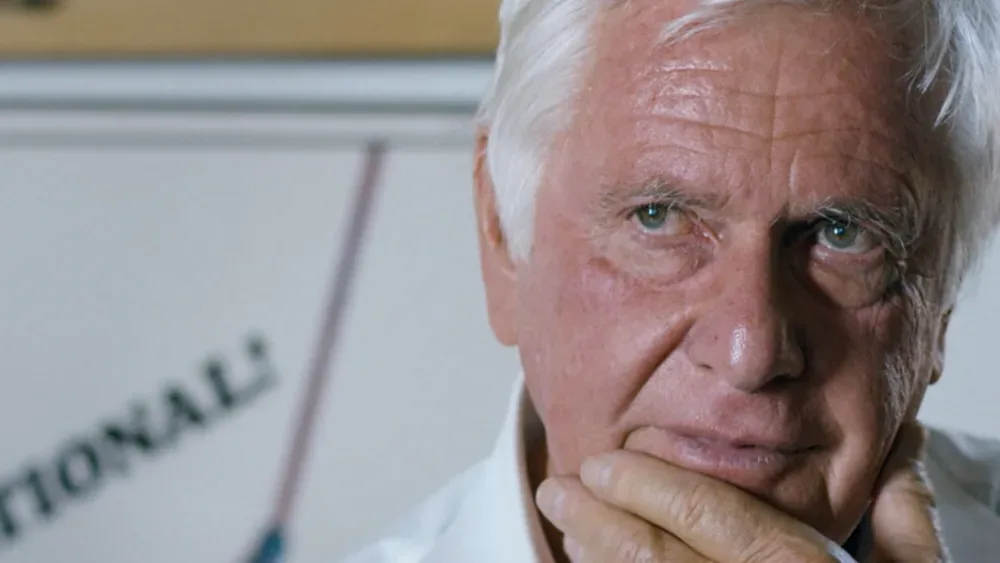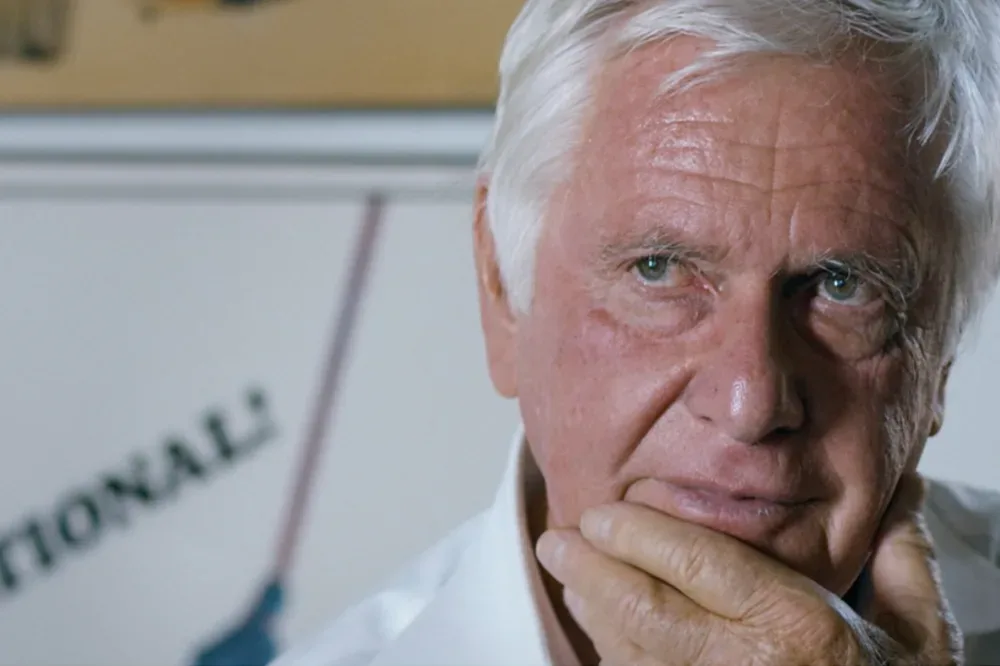
Peter Medak, the Hungarian-born director whose body of work included the supernatural thriller The Changeling, the crime drama The Krays and the satirical film The Ruling Class, has died in Los Angeles. He was 88.
Across a career that stretched for six decades, Medak directed 27 feature films and worked across markedly different registers: psychological horror, black comedy, crime stories and television drama. That range is a defining part of his legacy. Rather than being attached to one genre or one national cinema, he moved from British film work to Hollywood and television, directing material with distinct tones and demands.
For genre audiences, The Changeling remains among the key titles in his career. The 1980 supernatural thriller stars George C. Scott and earned eight Genie Awards, including best motion picture. The term supernatural thriller generally describes a suspense story in which forces beyond ordinary explanation drive the danger and mystery. In Medak’s case, the film stands as the best-known horror entry within a filmography otherwise filled with very different kinds of stories.
A filmmaker who moved between tones and formats
Medak’s credits show a director willing to work in forms that rarely overlap neatly. His 1972 film The Ruling Class, starring Peter O’Toole, is a satire: a work that uses comedy, exaggeration or absurdity to scrutinize social institutions and behavior. The film competed for the Palme d’Or at Cannes, while O’Toole received an Academy Award nomination for his performance.
For more context, explore Witchbrook Sets January 28 Release for PC, Switch and Current Consoles.
That context matters when looking at Medak’s career as a whole. A director capable of making a Cannes competitor built around satire, then later a widely recognized ghost story, was not simply changing assignments. He was working with the tonal tools appropriate to each project: unease and suspense for horror, sharpness for satire, and the harder edge expected of crime drama.
His 1990 British gangster film The Krays is another major marker. Medak received the Evening Standard Award for best director for the film. Gangster dramas focus on criminal organizations and the people surrounding them, but the label does not prescribe one particular approach; it can accommodate biography, tragedy, procedural tension or social observation. Medak’s career included that category alongside projects with much more stylized comic or supernatural premises.
Other feature credits include Negatives, his 1968 directorial debut starring Glenda Jackson; A Day in the Death of Joe Egg; Let Him Have It; and Romeo Is Bleeding, led by Gary Oldman.
From Budapest to the British film industry
Medak was born in Budapest in 1937. His early life was shaped by severe political and wartime disruption. During part of World War II, he and his family lived in hiding. Later, under Hungary’s Communist regime, his father was imprisoned and Medak was prevented from attending school.
He left Hungary for England during the 1956 Hungarian Revolution. There, he began building a life in the British film industry, first working his way up to assistant-director duties before becoming a feature director and later moving to Hollywood.
An assistant director is not usually the person responsible for a film’s artistic direction. The role is commonly centered on managing logistics around production, including organization and the practical coordination needed to keep filming moving. For an aspiring director, such work can provide direct exposure to the pressures and processes behind a set. Medak’s path from those responsibilities to a 1968 feature debut reflects a career built through the industry rather than outside it.
It is also difficult to separate the sheer span of Medak’s output from the breadth of the circumstances that preceded it. The available record does not claim a direct one-to-one connection between his childhood and the themes of any individual film, and it would be wrong to impose one. But his journey—from wartime hiding and repression in Hungary to a professional life in British and American screen production—is a striking framework for understanding how unusually wide-ranging that professional life became.
Television work alongside feature films
Medak’s career was not limited to cinema. He directed episodes of Homicide: Life on the Street, The Wire, Breaking Bad and House. These credits place him within several prominent television dramas that differ significantly in format and style.
Episode direction is a specialized form of screen directing. A television director must serve the needs of a continuing series—its established cast, visual language and story structure—while still delivering an individual installment with clarity and momentum. Medak’s appearances across police drama, medical drama and serialized crime storytelling speak to his ability to work within those frameworks as well as originate the tone of feature projects.
For viewers revisiting his work, those television credits provide a useful reminder that a filmmaker’s influence need not be confined to a small set of signature movies. Medak had a recognizable place in film history through titles such as The Changeling and The Krays, but his professional footprint also extends through series whose identities were shaped cumulatively by many directors, writers, performers and crews.
Looking back at a difficult production
In 2018, Medak released the documentary The Ghost of Peter Sellars. The film revisited his troubled production of the 1970s comedy Ghost in the Noonday Sun. The later documentary adds another layer to his career: not just the making of fiction, but a return to examine the experience of making an earlier film.
That kind of retrospective project can be especially valuable in a director’s filmography because it recognizes that production history is not always tidy. Finished films are often discussed as if they arrive fully formed. A documentary about a difficult production instead shifts attention toward the uncertainty, conflict and complications that can exist behind a film’s eventual release.
Medak leaves behind four children, Christopher, Joshua, Karen and Cornela, as well as five grandchildren.
His filmography resists an easy single-label summary. He directed an award-winning supernatural thriller, a celebrated British gangster drama, a Cannes-competing satire, later television episodes, and a documentary revisiting one of his own challenging productions. The connecting thread is not one genre but a durable willingness to take on different kinds of material across film and television.