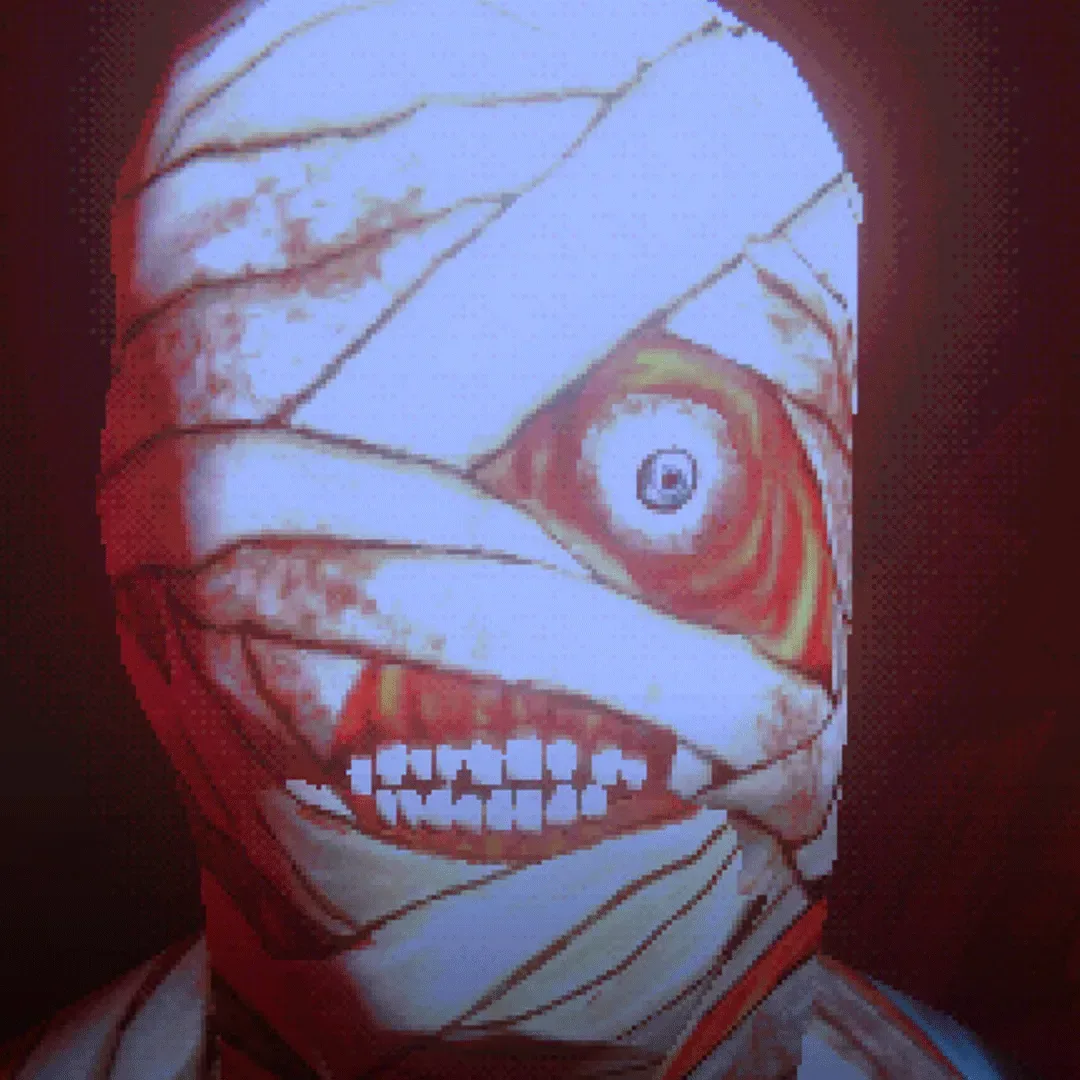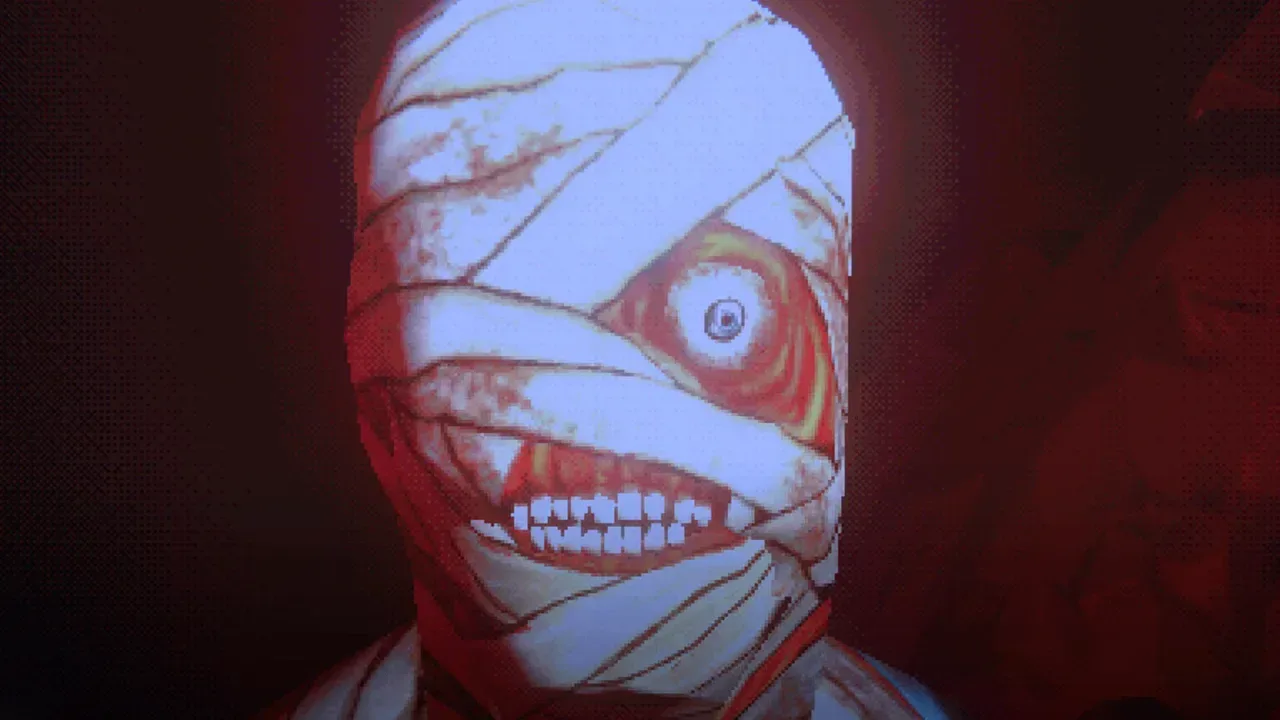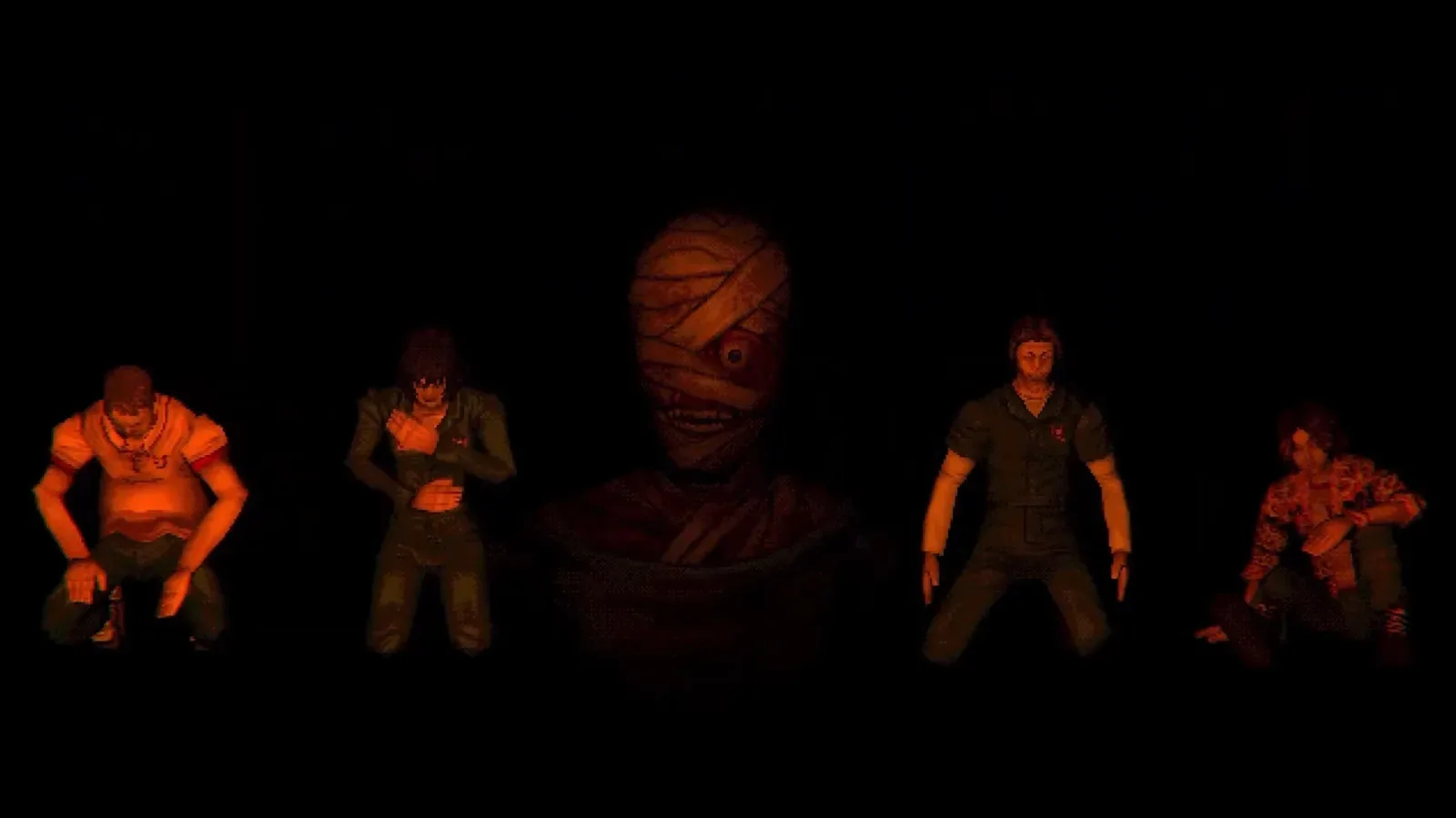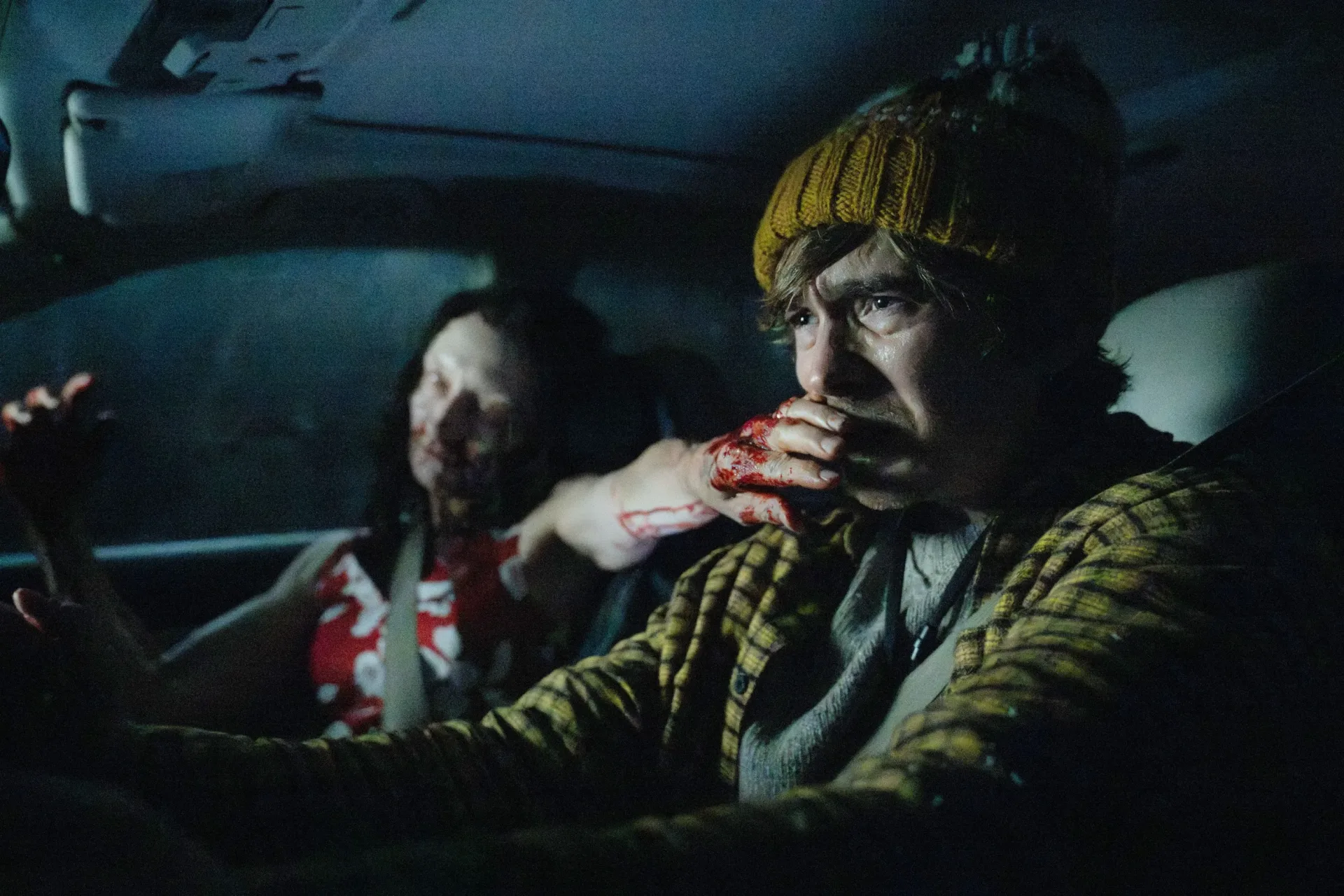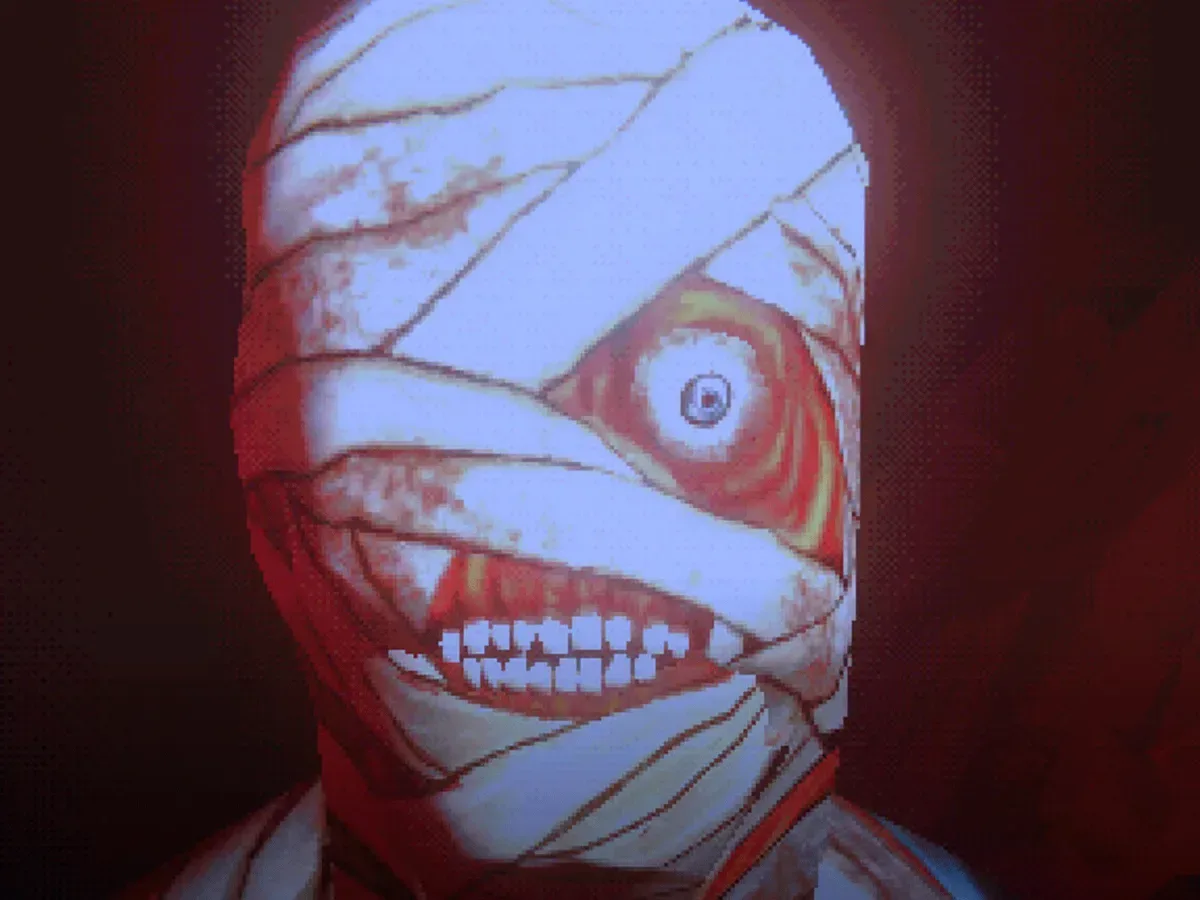
Mouthwashing, the indie horror game set aboard the doomed freight ship Tulpar, is being adapted as a live-action feature film. Karyn Kusama, whose directing credits include Jennifer’s Body and work on Yellowjackets, is attached to direct the project.
The adaptation brings a tightly contained, psychologically driven game premise to film: five crew members aboard a Pony Express freight vessel are stranded after the Tulpar goes off course. Starvation, isolation, paranoia and hallucinations shape the group’s struggle to survive, while distrust between the remaining crew becomes an immediate danger of its own.
Wrong Organ developed Mouthwashing, while Critical Reflex published it. The film is being made with Screen Gems, and Scott Derrickson is set to produce alongside C. Robert Cargill and Vince Cheng through Crooked Highway. Matt Manfredi and Phil Hay will write the screenplay.
What is confirmed about the Mouthwashing film
Several key creative roles have been announced, but much of the production remains under wraps. Kusama is directing, and Manfredi and Hay are handling the screenplay. Derrickson, Cargill and Cheng are producing.
There is no confirmed cast, release date, production timetable or detailed plot outline. That distinction matters for a game adaptation, especially one built around mood, perception and revelations. A director and writers being attached establishes the film’s creative team; it does not reveal how directly the finished screenplay will follow every event, character beat or structural surprise from the game.
For now, the most reliable expectation is that the movie will draw from the Tulpar setting and its core survival-horror conflict. The game’s premise already presents a cinematic pressure cooker: a small group, a closed spaceship, dwindling resources and no easy way to escape either the environment or one another.
Why the Tulpar is a strong fit for contained horror
Mouthwashing centers on five people assigned to the Tulpar, a freight ship operated under the Pony Express shipping company. Once the ship veers off course, the crew is forced to confront a set of overlapping threats: physical deprivation, emotional breakdown, paranoia and hallucinations.
That makes the story a form of contained horror. The term describes horror built around a limited setting and a closely focused group of characters, rather than a broad world-spanning crisis. The restriction is not merely a budgeting consideration. It can become the engine of the tension. A ship in space gives characters little privacy, few resources and no simple exit. Every room can carry history, suspicion or a new piece of bad news.
Related coverage includes Mouthwashing Live-Action Movie Announced With Karyn Kusama Set to Direct.
The game’s scenario also belongs to psychological horror, where fear is driven not only by an external monster or direct physical danger, but by instability in how characters interpret events. Hallucinations and paranoia make certainty difficult. In a film version, the central question may not simply be what is happening aboard the Tulpar, but whether the audience can trust any particular character’s understanding of it.
That is a particularly useful foundation for a live-action adaptation. Games can involve players through movement, interaction and environmental discovery. Film cannot reproduce that control, so an adaptation needs to create involvement through framing, editing, performances, sound and the careful release of information. A freight ship with a shrinking, fracturing crew offers a clear dramatic arena for those tools.
Karyn Kusama’s role and the screenplay team
Kusama’s attachment is notable because the material calls for horror that works on both character and atmosphere. Jennifer’s Body has become especially associated with horror shaped by relationships and personality as much as its supernatural threat, while Yellowjackets is also closely tied to survival, group tension and psychological strain. Those broad creative touchstones fit a story in which the crew’s relationships are inseparable from the danger surrounding them.
Manfredi and Hay are credited as the film’s writers. Their job is not simply to transfer game scenes onto a shooting script. A screen adaptation has to decide what information viewers receive, whose viewpoint anchors the story, what must be shown rather than played, and where character motivations need additional clarity for a feature-length structure.
That process is especially important with a game known for its unsettling atmosphere. In interactive fiction, players may absorb meaning from pacing, exploration and the uneasy act of continuing forward. In cinema, the screenplay has to turn those feelings into dramatic choices: what characters do under pressure, what they refuse to say and what they believe when the ship’s reality becomes harder to read.
Derrickson’s producing role adds another experienced horror filmmaker to the project’s creative group. Cargill and Cheng are producing with him through Crooked Highway. Producers can occupy different roles from project to project, but at this stage their announced participation signals that the film has a defined production team behind it alongside Screen Gems.
What remains unknown
Fans should be cautious about filling in blanks that the announcement has not addressed. No performers have been named for the Tulpar crew. The game’s characters include designs inspired in part by real-life actors, including Shelley Duvall, but that detail does not establish any casting for the feature.
Likewise, no release window has been announced. There is also no confirmation of whether the movie will preserve the game’s exact chronology, use the same narrative perspective, or expand on events beyond the original story.
- Confirmed: a live-action feature adaptation is in development; Kusama is directing; Manfredi and Hay are writing; Derrickson, Cargill and Cheng are producing.
- Not confirmed: cast, release date, filming dates, exact plot details and the degree of fidelity to the game’s structure.
Keeping those categories separate is useful because adaptations often develop publicly in stages. The director, writers and producers can be revealed long before casting, filming and distribution details are locked in. Until further information arrives, specific claims about performers or story changes should be treated as speculation rather than production news.
The game is also reaching consoles
The movie news arrives as Mouthwashing expands beyond its original PC release. The game first launched on PC in 2024 and is now available on consoles as of October 29.
That timing gives prospective viewers a straightforward way to encounter the original work while the film remains in development. It also means the adaptation announcement is arriving as the game becomes available to a wider platform audience, rather than after its availability has narrowed or ended.
For players deciding whether to start now, the key practical consideration is spoilers. The announced film has no confirmed plot breakdown, but the game’s premise depends on uncertainty, shifting trust and escalating distress. Going in with only the broad setup—the Tulpar is off course and its crew is trapped in an increasingly dire situation—preserves the basic mystery that the adaptation will likely need to navigate as well.
Anyone looking for the headline details in a shorter format can also read our earlier coverage of the Mouthwashing film adaptation and Kusama’s directing role.
What the adaptation could mean for the game’s horror
The most interesting creative challenge is not whether a spaceship setting can work on screen. It plainly can. The question is how a feature film can retain the game’s oppressive intimacy without treating its scenario as only a conventional space-survival story.
The Tulpar’s crisis has multiple layers. There is the practical problem of survival: the ship is off course and the crew faces starvation. There is the social problem: the people who must rely on each other are also capable of becoming threats. And there is the perceptual problem: paranoia and hallucinations make the line between truth, memory and fear unstable.
A successful film could use those layers to keep the audience unsettled in different ways. Early sequences might establish the practical rules of life aboard a freight vessel and the crew’s working relationships. As conditions worsen, the same confined spaces can take on a different meaning. A routine corridor, bunk or work area may become a place where a character expects danger, conceals information or questions their own senses.
This is analysis rather than a confirmed description of the screenplay. The announced team has not explained its approach, and viewers should not assume a particular scene, interpretation or ending. Still, the underlying setup supplies an unusually direct bridge between a focused indie game and a feature horror format: the central environment is finite, the stakes are immediate, and the human conflict is already embedded in the premise.
A growing slate of game screen adaptations
Mouthwashing joins a broader run of video-game projects moving toward film and television. A live-action PUBG series is in development for Netflix with Donald Glover attached to write, direct, produce and star. A Battlefield film is being helmed by Michael B. Jordan, while a Street Fighter film recently reached theaters.
Those projects vary widely in scale and genre, which is precisely why Mouthwashing stands apart. Its appeal is not predicated on translating a huge map, a massive roster, or a long chain of missions into a franchise blueprint. Its core is much narrower: five people on a damaged course through space, confronting the collapse of their environment and their trust in each other.
For an indie game adaptation, that specificity can be an advantage. The film has a defined location, a small central ensemble and a horror premise that can be communicated without extensive world-building. The unanswered questions—especially casting and narrative details—are now the ones to watch as the Tulpar prepares for its live-action trip.