Filmmaker Jeremiah Kipp, who directed the screen adaptation of the indie horror game The Mortuary Assistant, has died. His partner, Lindsay Katt, shared the news, and it was subsequently confirmed by the Long Island International Film Expo.
Kipp’s death has prompted an outpouring of remembrance from collaborators and members of New York’s horror-film community. The Film Expo described him as a gentle, generous presence who readily shared his cinematic knowledge and advice, while emphasizing the friends and legacy he leaves behind.
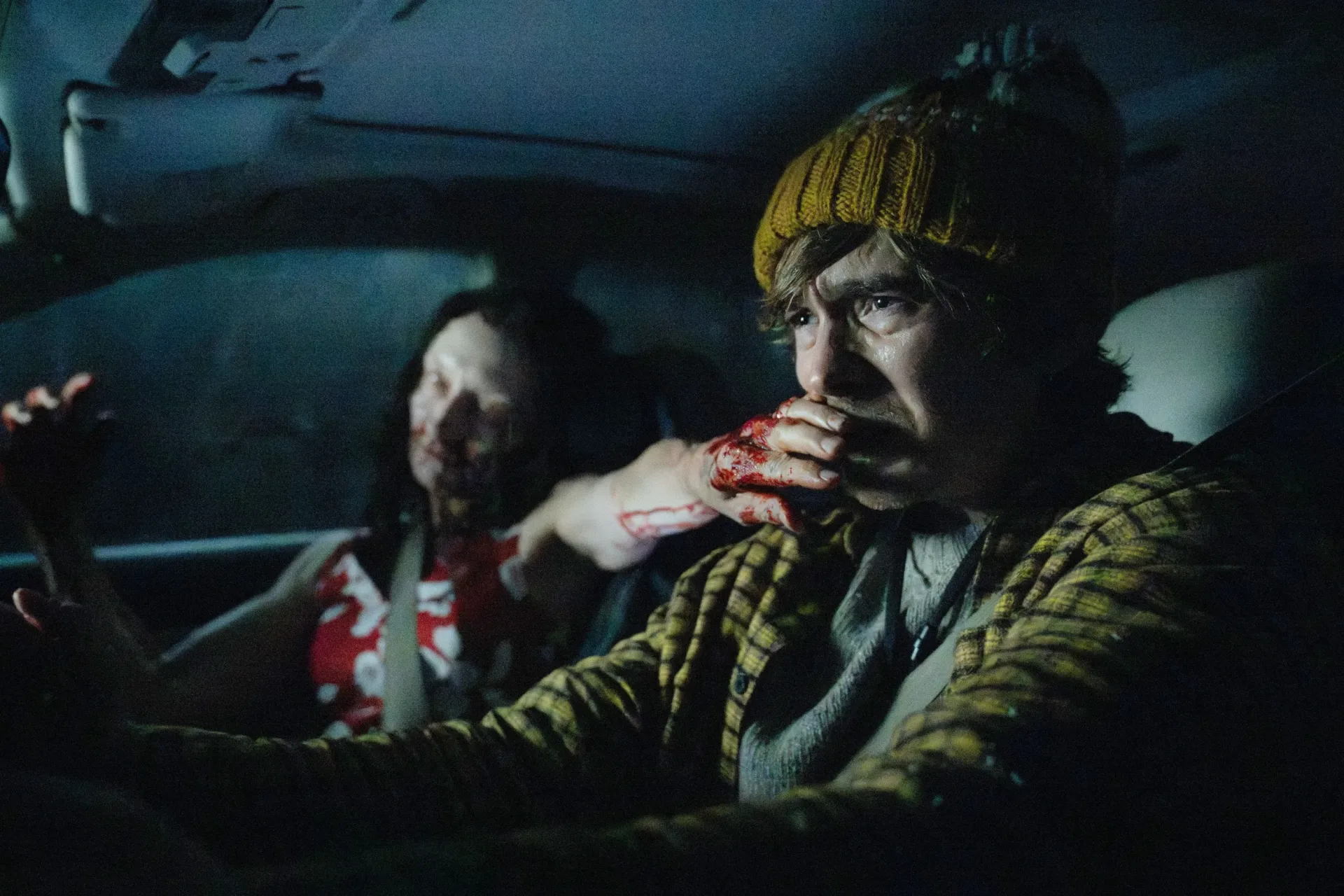
The loss arrives in the same year as the release of The Mortuary Assistant, the largest film of Kipp’s career. The feature brought a particularly unnerving independent game premise to a different medium: a worker at a morgue must confront visions, a malevolent entity connected to a body, and a sequence of rituals needed to drive that entity away.
A filmmaker whose work reached game-horror audiences
The Mortuary Assistant film adapts the 2022 game of the same name. In the story, Rebecca, played by Willa Holland, is a woman hoping that a new morgue job can offer a route back to stability. At first, the work appears grim but ordinary. The situation turns supernatural when Rebecca experiences frightening visions.
Her employer Raymond, played by Paul Sparks, eventually explains the threat: a demonic spirit has attached itself to one of the cadavers. Rebecca’s task is not simply to survive the night, but to carry out specific rituals that can identify and remove the presence.
That setup matters because it preserves the core tension of the game’s horror framework. A morgue is a workplace defined by routine, procedure and care; the horror comes from something fundamentally uncontrollable intruding on that order. In this case, the rituals are not decorative occult lore. They are the characters’ practical response to danger and the engine that moves the story forward.
Holland is also known for work in the Kingdom Hearts franchise, while Sparks has appeared in Boardwalk Empire. Their casting connected the adaptation to both game and television audiences without changing the central focus: Rebecca’s escalating encounter with the supernatural in a contained, highly unsettling workplace.
What an adaptation changes—and what it needs to retain
Video-game adaptations face a basic creative challenge. A game can make tension interactive: the player performs tasks, follows rules, makes decisions and experiences uncertainty firsthand. A film cannot give its audience control over those actions. Instead, it must turn that same tension into character, performance, pacing and visual storytelling.
Related coverage includes Jeremiah Kipp, Director of The Mortuary Assistant Film, Has Died.
For The Mortuary Assistant, the supplied premise offers a clear route for that translation. The morgue environment provides a concentrated setting, while the ritual-driven threat gives the film a concrete structure. Rebecca has a job to do, information to uncover and a danger that cannot be resolved through ordinary workplace competence alone.
That is also why adaptations of smaller horror games can be appealing beyond the size of any one game’s audience. They often begin with a focused concept rather than a sprawling fictional universe. A single location, a vulnerable protagonist and a defined supernatural rule set can make for a direct horror narrative. The game’s identity is not only its plot, but the feeling of being placed inside an awful situation and having to keep going.
For people interested in how games endure beyond their original release, cross-media work is one meaningful marker of cultural reach. A screen adaptation does not replace the game, nor does it need to be approached as a substitute for playing it. It is a separate interpretation that can introduce the premise to viewers who may never sit down with the original. It can also give existing players another lens through which to consider its setting and characters.
That broader relationship between games and physical media remains worth considering for fans who want to preserve the works that inspire these adaptations. Physical editions can still matter in a digital age, particularly when players value ownership, preservation and the tangible history around a game’s release.
Kipp’s horror work
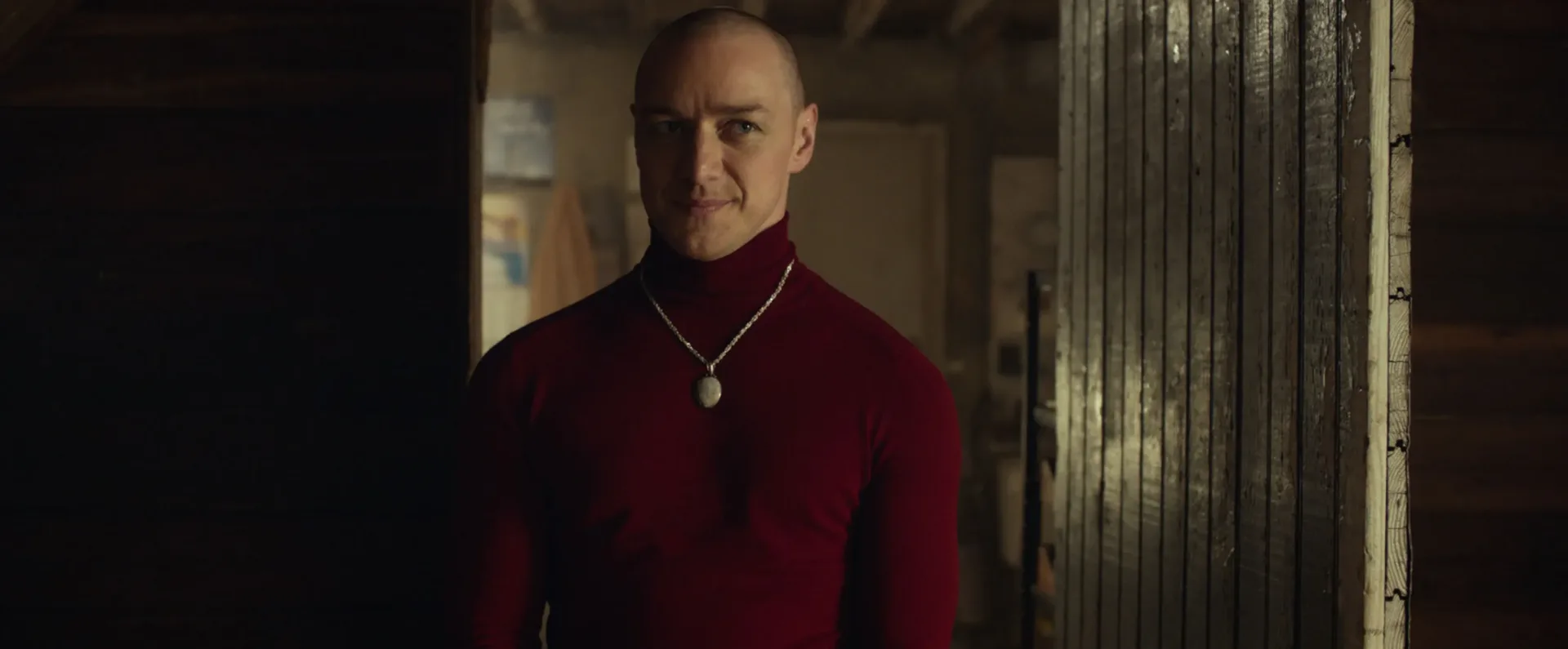
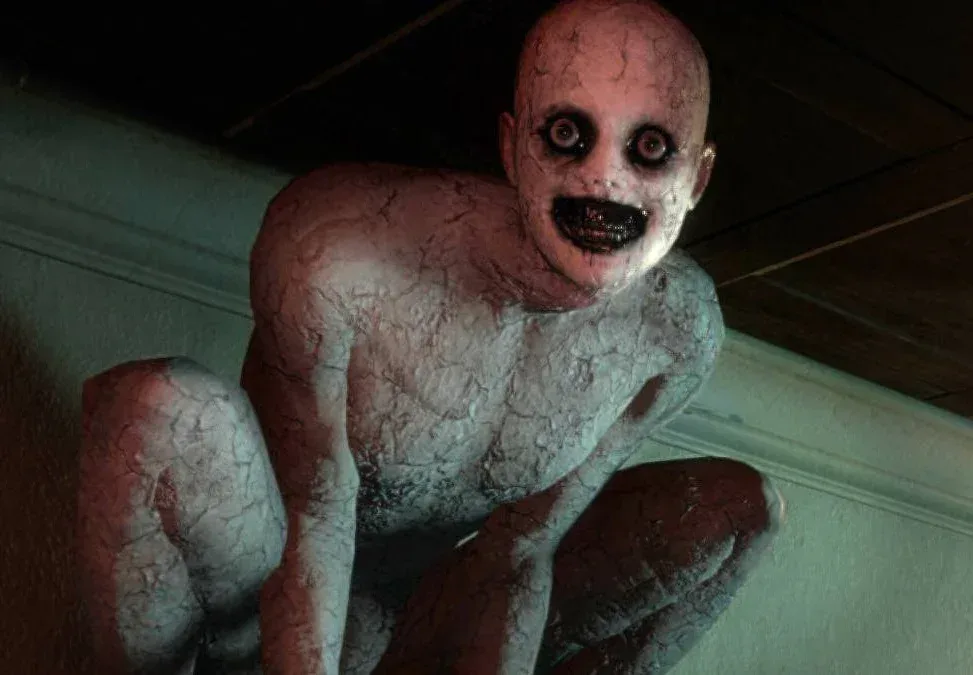
Before directing The Mortuary Assistant, Kipp made a range of independent horror projects, including short films and the 2021 feature Slapface. The studio behind both Slapface and The Mortuary Assistant paid tribute to Kipp’s distinctive voice and passion, extending condolences to his family, friends and collaborators.
“Jeremiah brought his singular voice and passion to Dread through SLAPFACE and THE MORTUARY ASSISTANT.”
Descriptions from people mourning Kipp emphasize not only his finished work, but his willingness to foster others through his time, enthusiasm and know-how. That kind of contribution can be difficult to measure from a filmography alone. Independent filmmaking depends heavily on creative networks: collaborators share specialized skills, exchange advice, connect projects with people who can help make them possible, and create spaces where emerging artists can develop their voices.
In that context, the tributes point to an influence that extended beyond directing credits. The praise for Kipp’s generosity suggests that colleagues viewed him as someone who helped make the local horror community stronger as well as someone who made genre films within it.
An unfinished next chapter
Kipp had reportedly completed production on Faceless, an upcoming horror feature based on Cambodian folklore. The available information does not establish a release date or further production details. Its reported completion nevertheless underscores that Kipp was continuing to create work after The Mortuary Assistant reached audiences.
It is important not to overstate what is known about the project. “Wrapped production” means filming has concluded; it does not necessarily mean post-production, release planning or distribution is complete. Post-production can include editing, sound work, music, visual effects and color finishing. Those stages can substantially shape a horror film’s final atmosphere, particularly when folklore and supernatural imagery are central to its premise.
The place of The Mortuary Assistant in DreadXP’s expansion
The original game was a notable success for DreadXP, a publisher previously associated with the Dread X collections. The company’s move into film adaptation reflects a wider creative interest in carrying horror-game ideas across formats. Alongside The Mortuary Assistant, DreadXP is expanding its cross-media plans through an agreement involving Blumhouse and online creator MatPat to adapt Amanda the Adventurer.
“Cross-media” simply means a property or company’s work moves between different forms of media—in this case, from games toward film. It can mean more than placing a game’s title on a movie poster. At its best, it requires identifying which elements make the original compelling and then rebuilding those elements for a new audience. For horror games, atmosphere, vulnerability, sound, confined environments and a set of rules around the threat are often more transferable than a player’s literal actions.
The Mortuary Assistant was positioned well for that approach because its premise already combines occupation-based detail with supernatural dread. Its central horror is not abstract: Rebecca is confronting a specific entity in a specific workplace, using particular rituals while the familiar process of her job becomes threatening. The film’s existence demonstrates how a game with a sharply defined concept can become a foundation for a feature-length narrative.
Remembering a director’s contribution
Kipp’s passing is being felt across the horror community that knew him as a filmmaker, collaborator and mentor-like presence. His career included independent shorts, Slapface, and the adaptation of a modern indie game whose nightmare premise reached beyond its original format. His reportedly completed work on Faceless also points to a creative path that was still actively unfolding.
For fans of game horror, The Mortuary Assistant now carries an additional significance as a record of Kipp’s work in adaptation. For the people who worked with him, the testimonials describe something more personal: a filmmaker remembered for sharing what he knew, encouraging others and bringing commitment to the stories he made.