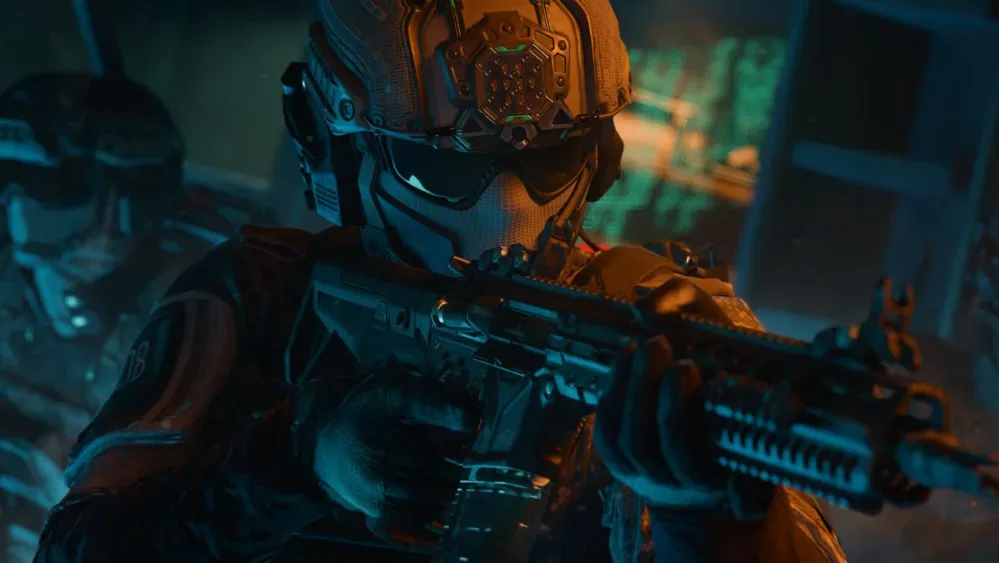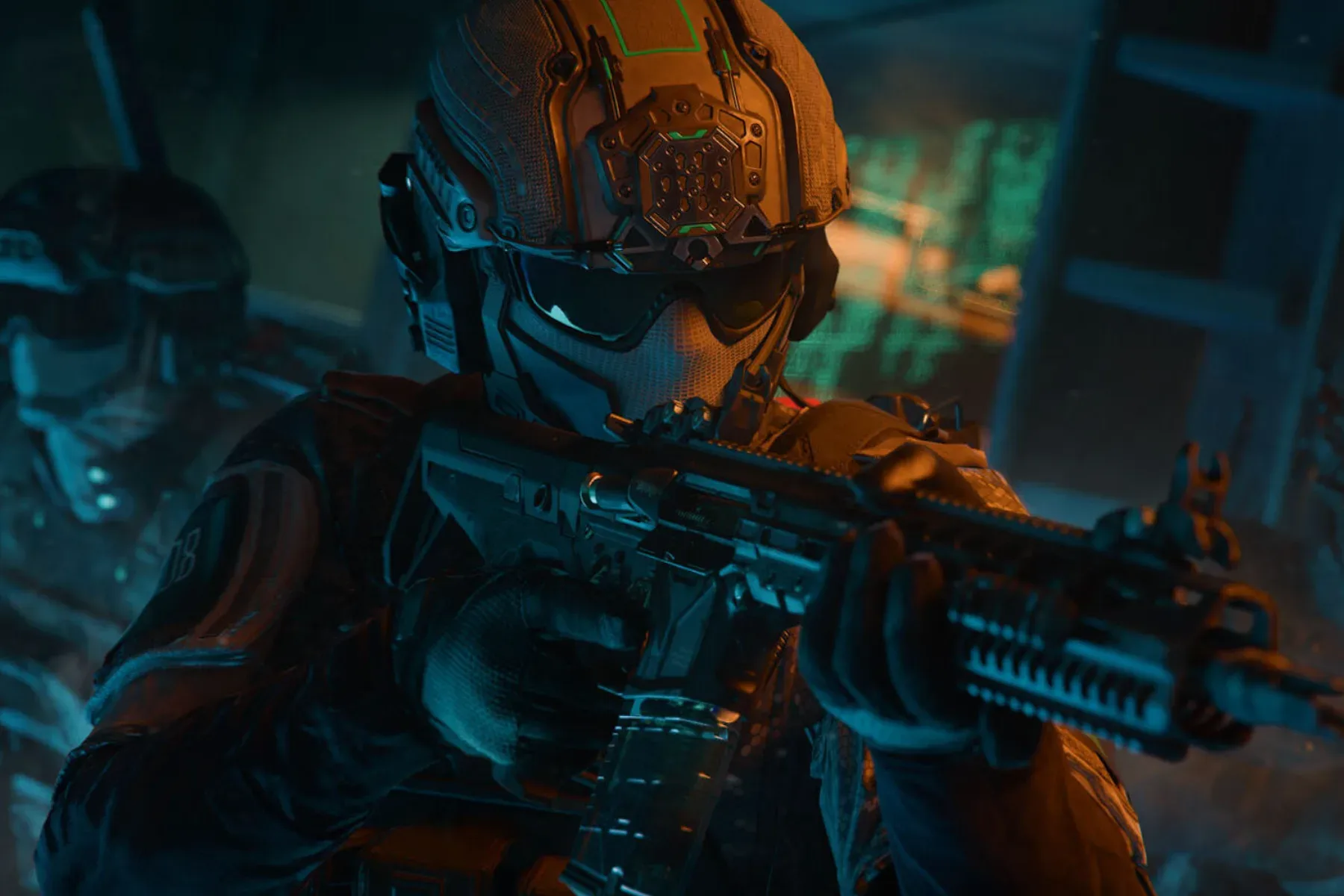
Paramount’s Call of Duty movie is taking shape around the franchise’s Modern Warfare branch, but director Peter Berg is setting expectations beyond the usual promise of guns, explosions and recognizable military gear. His stated aim is to treat the central soldiers as complicated people carrying the consequences of their work—not as invulnerable action icons or superhero-style figures.
Berg is directing the adaptation from a script by Taylor Sheridan. The film remains light on public specifics: Paramount has not disclosed its plot, its cast or which exact missions and events from the games may be used. What is known is that the project is scheduled for June 30, 2028, and that its inspiration comes from Call of Duty: Modern Warfare.
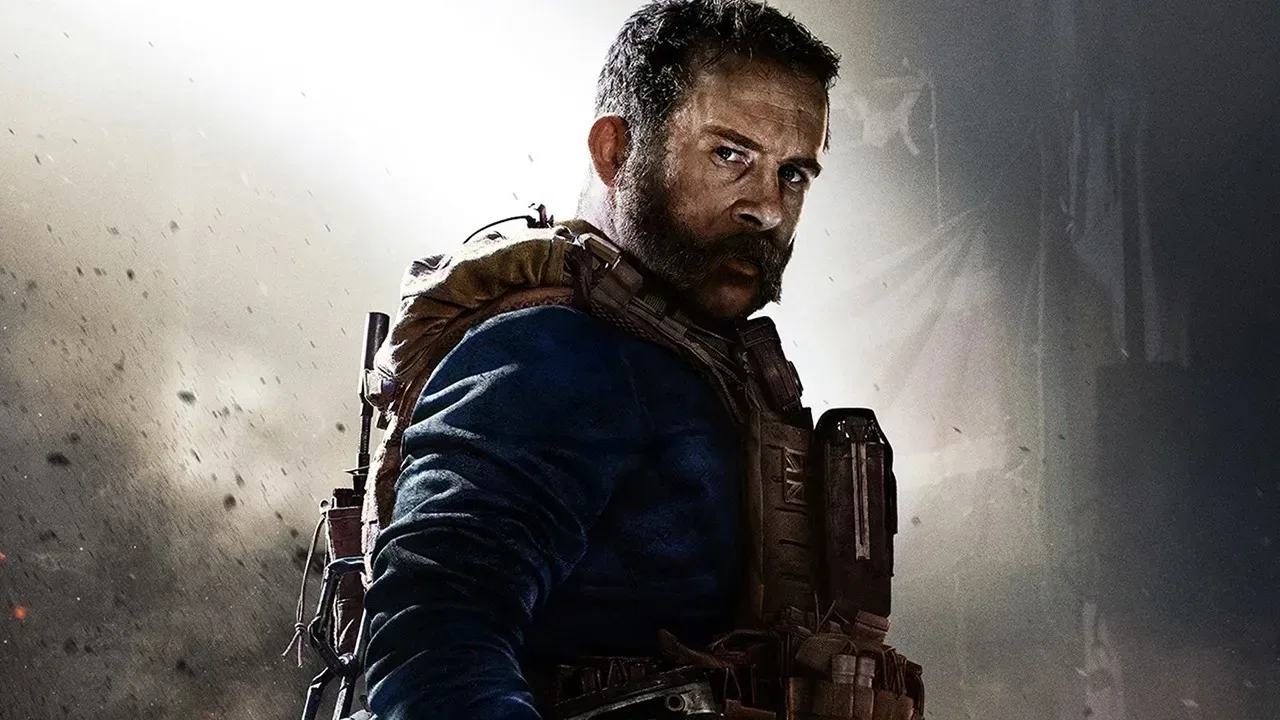
That leaves plenty of room for questions, but Berg’s creative framing offers an early indication of what the production wants to protect in translation. In his view, characters including Captain Price, Soap, Ghost and Alex are not simply military-game avatars. They are people shaped by danger, responsibility, violence and the burden of serving between a threat and civilians.
A Modern Warfare adaptation, not a generic military spectacle
“Modern Warfare” is a particularly meaningful label within Call of Duty. The storyline began with Call of Duty 4: Modern Warfare in 2007, marking the franchise’s first move away from its original World War II setting. That shift gave the series a different dramatic vocabulary: contemporary conflict, special-operations missions, advanced equipment and an emphasis on soldiers navigating high-stakes scenarios that feel closer to the present than the franchise’s earlier historical battlefields.
For more context, explore iPhone Duo Repair Math Makes AppleCare Hard to Ignore.
For a film, drawing inspiration from that material does not automatically identify a plot. It does, however, establish the kind of world Berg and Sheridan are approaching. The focus is not being described as a bright, costumed franchise model in which extraordinary individuals effortlessly save the day. Berg has instead highlighted the emotional price of warfare and the pressures placed on people asked to confront real danger.
That distinction matters because military action can be framed in vastly different ways. A movie can use weapons, vehicles and tactical operations as pure visual spectacle. Or it can place those elements inside a story about decisions, fear, duty and aftermath. Berg’s comments point toward the latter without suggesting the film will abandon the action associated with the games. He specifically acknowledged the violence, hardware, equipment and killing within the material; his argument is that those surface elements are not all Modern Warfare contains.
The challenge will be balance. A Call of Duty movie still carries the expectations attached to one of gaming’s largest brands. Yet a film concerned with the human cost of war needs the characters’ emotional stakes to register alongside the scale of its set pieces. That means action cannot only communicate capability. It also has to communicate consequence.
Who are the characters Berg singled out?
Berg named Captain Price, Soap, Ghost and Alex while discussing the depth he sees in the games’ characters. The mention is useful as a statement of emphasis, but it should not be taken as casting confirmation or proof that each character will appear. Paramount has not announced any cast, and it has not provided story details.
Still, those names clarify the creative territory being discussed. Rather than talking in broad terms about a military unit, Berg is pointing toward established Modern Warfare figures and their individual burdens. It suggests that character identity, relationships and personal stakes are central considerations as the adaptation is developed.
That is especially important in a move from interactive games to film. In a game, players participate directly in missions, frequently viewing events from the perspective of a soldier on the ground. A movie cannot reproduce player control, so it needs other ways to create investment. Character writing, performance, pacing and the lasting impact of events become especially important tools.
What “grounded” means here
In this context, “grounded” should not be confused with a promise that every element will be documentary-like or that the film will avoid large-scale action. Berg’s stated contrast is about how soldiers are portrayed. His intended approach rejects the idea that they should be treated as superheroes: people whose exceptional skills erase doubt, pain or moral strain.
A grounded approach instead makes room for the cost of duty. The soldiers can be capable and highly trained while still being vulnerable, conflicted and affected by the tasks they undertake. That framing also helps distinguish the movie from an adaptation built solely around franchise iconography. Familiar masks, weapons and mission setups may be part of the appeal, but they are not a substitute for character perspective.
Berg and Sheridan bring a stated connection to the material
Berg previously said that he and Sheridan are both deeply connected to the special-operations community. The statement does not reveal particular story beats or production details, but it helps explain why their public comments have centered on soldiers as people rather than as simplified symbols.
The director has described the source material as having a real soul beneath its action. That is a significant claim for an adaptation of a franchise known for combat scenarios and military hardware. It frames the movie’s core opportunity as dramatic as much as logistical: to find a feature-length story that recognizes the strain carried by people sent into danger.
It also sets a standard that viewers can use when more details emerge. A story that invokes the costs of war needs to give that idea meaningful dramatic weight. The film’s future choices around protagonists, mission structure and tone will show how literally it intends to follow through on Berg’s stated principle.
A massive franchise, with one movie currently in focus
The commercial scale behind the adaptation is clear. A presentation reel has highlighted 1 billion players and $35 billion in lifetime revenue for the franchise. Those figures help explain why a film adaptation has such a wide potential audience—and why the project must serve viewers with different relationships to Call of Duty, from longtime players to people encountering its characters for the first time.
Paramount announced the movie in September 2025. The agreement is focused on making one Call of Duty movie, while also allowing for potential expansion of the universe across film and television. That potential is not confirmation of sequels, spinoffs or television projects; it simply means the arrangement was designed with room to grow if the first film warrants it.
For now, the June 2028 release date is the firm public marker. It gives the production time, but it does not fill in the unknowns around cast, characters, setting or the specific conflict that will drive the screenplay. Any assumption that the movie will directly adapt one particular game campaign would go beyond what has been confirmed.
For a complementary look at the production’s stated emphasis on the people inside the conflict, see this discussion of the film’s Modern Warfare focus.
What fans can reasonably take from the update
- Confirmed: Peter Berg is directing the Call of Duty movie, and Taylor Sheridan wrote the script.
- Confirmed: The film draws inspiration from the Modern Warfare games and is on Paramount’s schedule for June 30, 2028.
- Confirmed: Berg wants the soldiers to be treated as nuanced people and has stressed warfare’s human cost.
- Not yet confirmed: The story, cast, specific playable-game missions being adapted, and the on-screen appearances of Captain Price, Soap, Ghost or Alex.
- Possible, not promised: A broader film-and-TV universe beyond the initial movie.
The most useful takeaway is that the adaptation is declaring a tonal position early. It wants to be recognizably Call of Duty, with the modern military world and action associated with Modern Warfare, while resisting a version of the material that turns its soldiers into uncomplicated comic-book-style champions. Whether the finished film achieves that balance cannot be judged until substantially more is revealed. But Berg’s comments make the intended lens clear: the action matters, and so does what it asks of the people carrying it out.