The planned Call of Duty movie appears to have found its thematic target: not merely the noise, weaponry and spectacle associated with the series, but the personal burden behind the mission. Director Peter Berg has described the live-action adaptation as a Modern Warfare-focused story with “a very strong soul,” centered on what war demands of the people sent into danger.
That is a meaningful early statement of intent for a franchise whose public identity has long been inseparable from first-person combat. Berg’s comments suggest the film is looking past the basic question of how to turn a shooter into a movie and toward a harder one: how do you make a military-action story feel consequential when its game source material is also built around player agency, set pieces and rapid-fire missions?
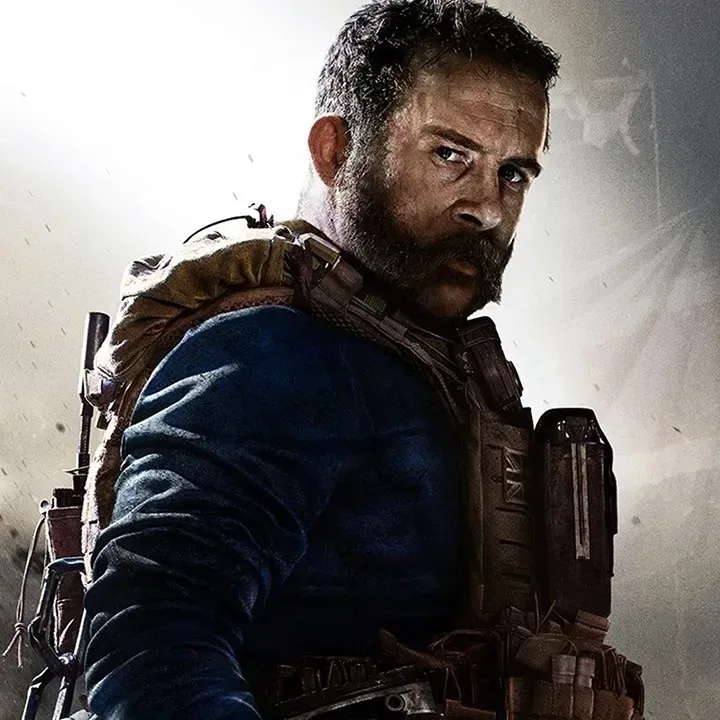
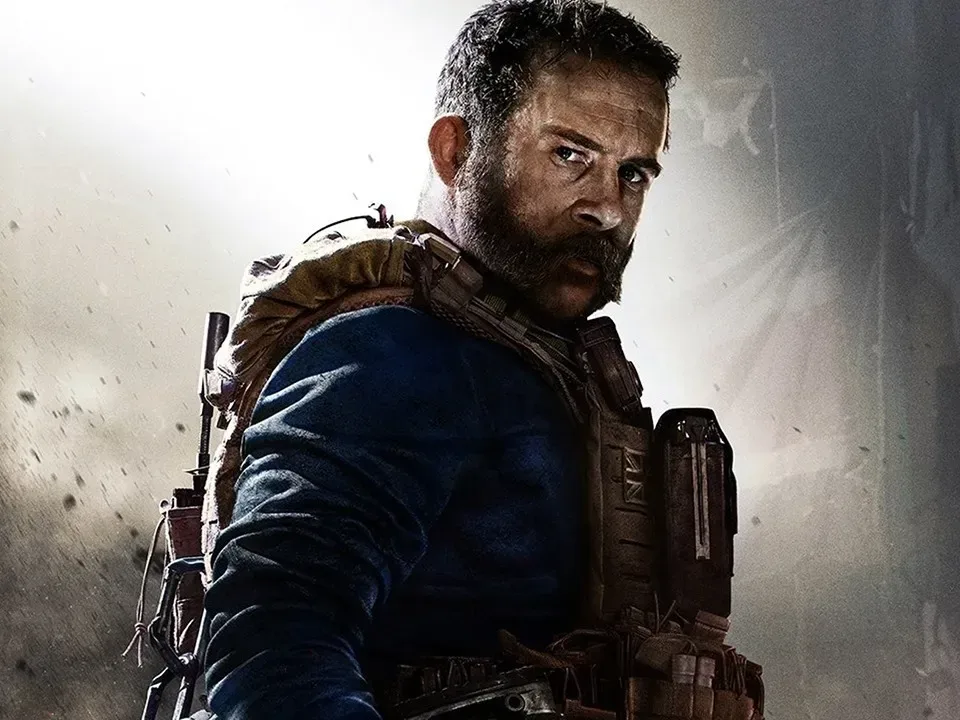
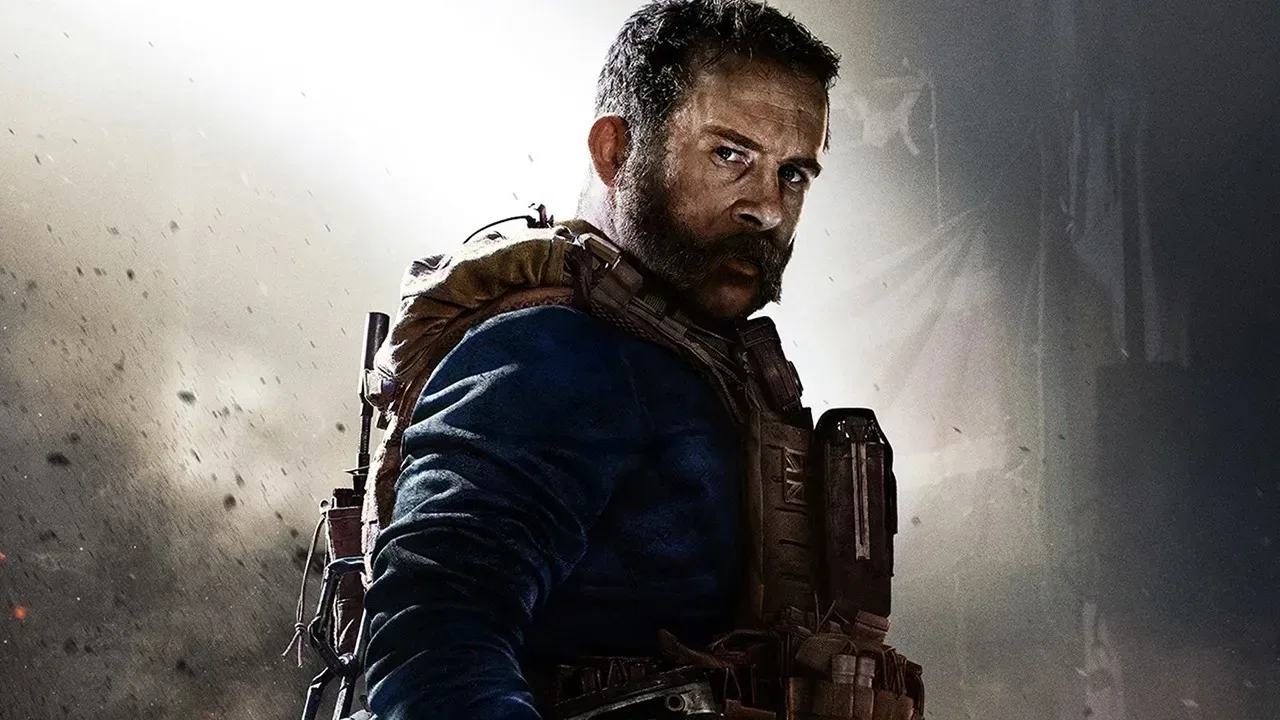
The answer, at least in Berg’s framing, lies in the characters. He singled out Captain Price, Soap, Ghost and Alex as people with complexity rather than simple action-game archetypes. None of those characters has been confirmed for the film, and no casting or detailed plot information has been revealed. But their mention makes clear where Berg and writer Taylor Sheridan see the useful dramatic material within Modern Warfare: the pressures, loyalties and compromises surrounding soldiers and operators, rather than hardware alone.
A Modern Warfare adaptation, not a confirmed character roll call
The movie is set to draw from the Modern Warfare side of the wider Call of Duty universe. That distinction matters because the franchise covers a broad range of eras, conflicts and tones. Berg’s comments narrow the stated creative lane to the portion of the games associated with contemporary military operations and recurring figures such as Price, Soap and Ghost.
Still, fans should separate a director’s examples from official story confirmation. Berg praised those characters as evidence of the universe’s emotional range, but that does not establish that each will appear, which version of any character could be used, or whether the film will adapt a specific campaign. The project has not disclosed those details. Discussion around who might play familiar faces is therefore expectation and fan speculation, not a cast list.
That restraint is particularly important with a property that has multiple eras and interpretations. “Modern Warfare” is a recognizable banner, but it is not, by itself, a synopsis. At this stage, the firm information is that Berg is directing, Sheridan is writing, the film will take inspiration from Modern Warfare, and its intended focus includes the consequences of war.
What “the cost of war” means in this context
Berg’s language puts the planned movie’s emphasis on the weight carried by people who place themselves between danger and civilians. In narrative terms, “the cost of war” does not automatically mean a film must avoid action or portray no violence. Berg explicitly acknowledged that the games contain violence, equipment and killing. His argument is that those surface elements should not be the whole point.
For an adaptation, that creates a potentially productive tension. Call of Duty is an action franchise, so a movie that ignored its operational stakes would risk feeling disconnected from its own name. But a film that treated combat only as a string of crowd-pleasing escalations could flatten the very characters Berg identifies as the foundation. The stated objective is to make the action carry a moral and personal aftermath.
Related coverage includes Call of Duty Film Director Peter Berg Promises a Modern Warfare Story About War's Human Cost.
That does not mean the movie’s approach is fully known. Berg said the film is likely to be less graphically violent than his upcoming The Mosquito Bowl, a sports-war film due later this month, while maintaining a strong sense of war’s consequences. A lower level of graphic content, however, would be a tonal choice rather than proof of a lighter subject. Consequence can be conveyed through character decisions, grief, responsibility, injury, fractured trust or the difficult outcomes of a mission; the film has not said which of those tools it will use.
Why the character emphasis is a practical adaptation choice
Games and films tell stories differently. A first-person shooter gains much of its force from participation: players move through environments, respond to threats and occupy the perspective of a combatant. A movie cannot reproduce that interaction. It must instead build investment through performance, scene construction and a clear point of view.
That is why the attention to Price, Soap, Ghost and Alex is more than name recognition. They represent possible human anchors in a setting that can otherwise become abstracted into gear, briefings and explosions. Berg’s assessment is that the Modern Warfare games already have layered people and storylines to work from. If the film follows that premise, its challenge will be to identify whose experience is central and make the consequences of their choices visible.
There is also a key distinction between depicting war and endorsing it. Berg is positioning the film around duty, danger and burden, rather than presenting combat as consequence-free entertainment. Whether the completed movie achieves that balance will remain an open question until it arrives. But it is a more specific creative promise than simply pledging faithful weapons, uniforms or familiar call signs.
Berg’s past gaming comments remain part of the conversation
The director’s current appreciation for Modern Warfare comes with an unavoidable point of friction. In 2013, Berg criticized people who spent hours playing video games, using dismissive language about war games and “keyboard courage.” Those remarks have shaped skepticism among some fans now watching him take on one of gaming’s most prominent franchises.
His recent comments present a notably different perspective. Rather than treating the games as empty combat fantasies, he is discussing their characters as complicated people and their stories as material with emotional substance. That evolution will not erase the earlier remarks for everyone, and it should not be mistaken for a finished film’s earned credibility. Yet it does identify a shift in how he publicly talks about the medium and this series in particular.
For audiences, the useful standard is likely the work itself rather than either the old criticism or the new promise in isolation. A respectful adaptation will need to understand why people connected with the game’s missions and characters while also functioning for viewers who have never picked up a controller. The film must communicate who these people are, what binds them together and what their work costs them without assuming the audience already knows every piece of franchise lore.
Modern Warfare’s newest campaign closes a reboot story
The timing of the movie discussion coincides with another major point for the game series. Call of Duty: Modern Warfare 4 launched on October 23, 2026, concluding Activision and Infinity Ward’s reboot storyline. Its campaign has been described as one of the franchise’s darker recent entries, making Berg’s interest in consequence and emotional fallout especially aligned with the current conversation around the Modern Warfare universe.
The game’s release does not reveal the movie’s plot, and it should not be treated as a direct blueprint for the film. The available details do not say whether Berg and Sheridan will adapt material from that campaign, draw selectively from the reboot continuity or tell a distinct story using the same broader setting. What it does show is that the screen project is being developed while Modern Warfare remains an active, evolving part of the game franchise.
That can be an advantage and a complication. It gives the film a current body of character and world material, but it also raises the stakes for clarity. A movie should not require viewers to have completed a new campaign to understand its drama. At the same time, longtime players will reasonably look for a recognizable emotional logic in any portrayal of the universe.
Release date and the growing adaptation calendar
The Call of Duty movie is scheduled to reach theaters on June 30, 2028. Beyond its Modern Warfare focus and Berg’s broad thematic description, key details remain unannounced, including the cast, the exact storyline and which recognizable figures, if any, will be part of the final ensemble.
It is also heading toward a crowded moment for game adaptations. An Elden Ring film is also being positioned as a major project for that period, while a Battlefield movie is in development. The shared presence of military-action and fantasy game properties on film does not make them interchangeable, however. Call of Duty will be judged on whether it can translate its own particular mix of operational action and character conflict into a coherent standalone movie.
For now, Berg’s most consequential promise is not a confirmed cameo or a recreated mission. It is that the film intends to treat “duty” as more than a title word: as an obligation with a human price. There is a long road between that intention and a 2028 theatrical release, but it is a direction that gives the adaptation a clearer dramatic purpose than spectacle alone.