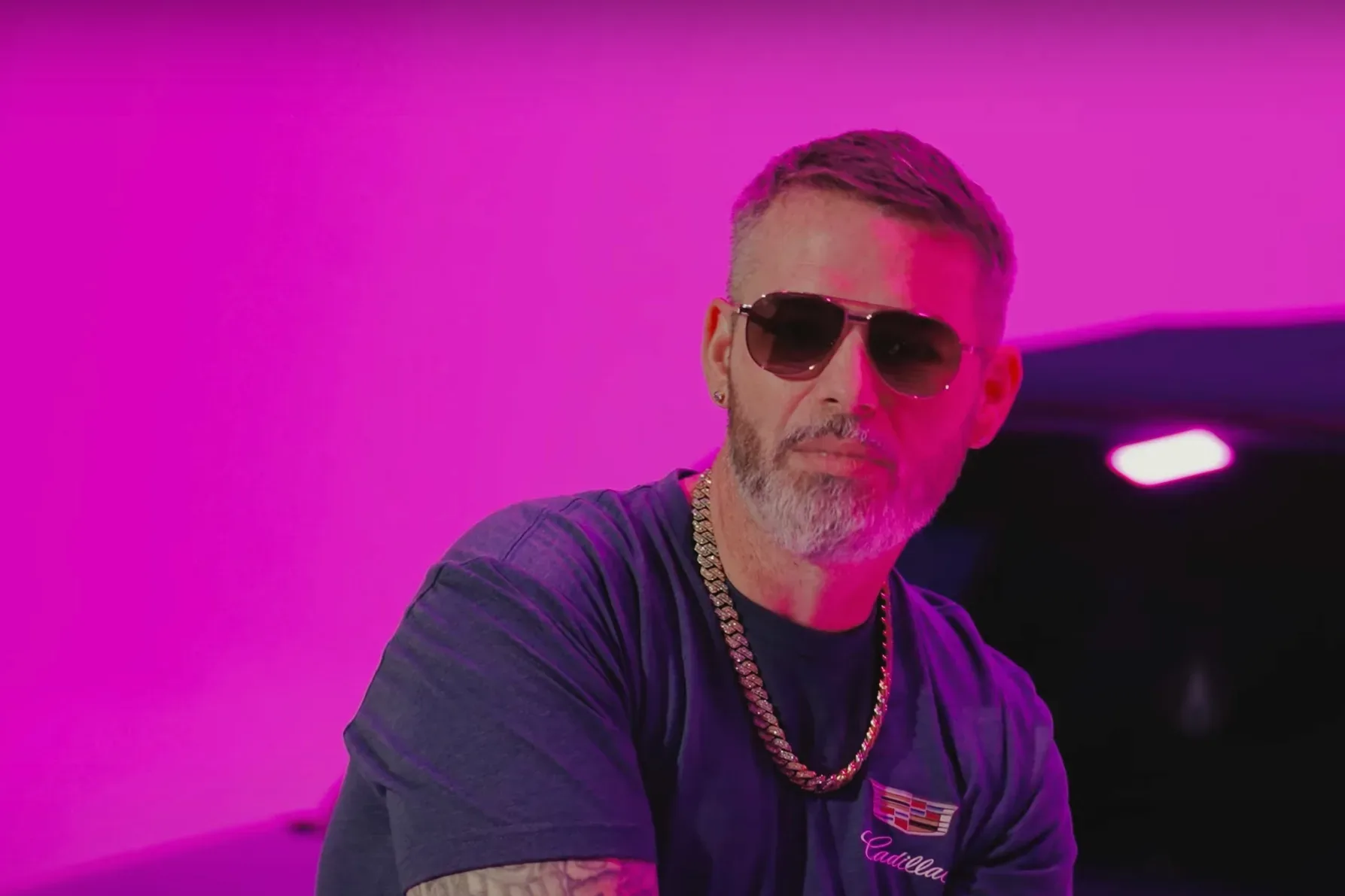
Paul Wall performed at the Texas State Fair after learning, while on the way to the event, that his mother had died. In a message shared on Facebook, the rapper explained that the loss left him heartbroken, but that his mother’s pride in the opportunity to perform at the fair helped him decide to take the stage.
The appearance was billed as the Paul Wall Fall Ball, a main-stage concert scheduled after the Texas-Oklahoma football game in Dallas. The fair’s game-day guide listed the performance for 7:45 p.m. at the Chevrolet Main Stage inside Fair Park Coliseum.
A performance shaped by a personal loss
Paul Wall described the decision as one made with a heavy heart. He said he still wanted to deliver the show fans had come to see while also honoring his mother and making her proud.
“On the way to the State Fair show, I received the heartbreaking news that my mother had passed away. 💔 She was so proud of me to get the opportunity to perform at the State Fair, so with a heavy heart, I still wanted to show up for my fans and give them the performance they came for, and at the same time make my momma proud,” Paul Wall wrote.
There is an important distinction in that statement: this was not framed as business as usual or as a performer minimizing a family tragedy. Paul Wall directly connected the choice to continue with the concert to his mother’s feelings about the booking. The show became both a public commitment to the crowd and a private act of remembrance.
Public performances can create unusual pressures when personal emergencies occur. An artist may have a scheduled slot, an audience already gathered and an event operating on a fixed timetable. Yet none of those circumstances erase the human weight of bad news. Paul Wall’s post made clear that the performance happened in the immediate shadow of grief, not apart from it.
What the State Fair booking involved
The Texas State Fair included the Paul Wall Fall Ball in its main-stage concert series. Admission to the fair covered the concert series, meaning attendees at the fair could take in the set without a separate concert ticket being specified for the event.
The 2026 fair runs through October 18. Paul Wall’s Saturday appearance followed the Texas-Oklahoma game, placing the performance within one of the fair’s prominent game-day settings. The listed venue, Fair Park Coliseum, and the 7:45 p.m. start time provided a clear event structure, but Paul Wall’s message gave the evening a far more personal context.
“Main stage” is an event-programming term for a featured performance space rather than a description of a particular musical format. In this case, it identifies the concert as part of the fair’s central entertainment lineup. The Paul Wall Fall Ball name likewise functioned as the event’s billing, tying the artist’s performance to the fair and football-weekend atmosphere.
Why his statement resonated
Paul Wall did not present the choice to perform as easy. His wording emphasized the heartbreak of the moment, then explained why he felt compelled to continue. That clarity matters: it avoids turning grief into a spectacle while allowing fans to understand the significance behind the appearance.
He also thanked people who contacted him with prayers and condolences, saying their support meant more than he could express during a difficult time. His tribute ended with a direct message to his mother: “Rest peacefully, Mom. I love you forever.”
For audiences, news of a loss after a performance can change how they understand an event that may otherwise have looked like a regular festival or fair set. The scheduled time, venue and booking can tell people where an artist is supposed to be. A personal statement can explain what it took to be there.
That is especially true at a fair performance, where music is one part of a larger public gathering. People may arrive for the game, rides, food, exhibits or a full slate of entertainment. Paul Wall’s decision meant that attendees who came for the concert received the performance as planned, even as he was confronting a devastating family loss.
Separating the facts from the interpretation
The confirmed details are limited but significant: Paul Wall said he learned of his mother’s death en route to the Texas State Fair show; he performed; he said his mother had been proud of the booking; and he thanked supporters for their condolences. The fair listed the concert as Paul Wall Fall Ball, scheduled for 7:45 p.m. at the Chevrolet Main Stage in Fair Park Coliseum after the Texas-Oklahoma game.
Anything beyond that—such as how long he had to process the news, what occurred backstage, what songs he performed, or how the audience responded—has not been established here. It is better not to fill that silence with assumptions. The account’s meaning is already evident in Paul Wall’s own explanation of why he went forward with the appearance.
His post also puts a familiar idea about live entertainment into human terms. A booked performance is often discussed through logistics: time slots, stages, attendance and scheduling. But the people onstage are dealing with lives outside the program. In this instance, a fair date that was meaningful to his mother became the reason Paul Wall gave for honoring the commitment despite the circumstances.
A message of thanks and remembrance
Paul Wall’s follow-up was directed toward the people who reached out to him and his family. He expressed gratitude for prayers, condolences and the support offered in the aftermath of his mother’s death. The tone was not promotional; it was a message of mourning and appreciation.
That response provides the appropriate frame for the concert: the performance was an expression of love for his mother and respect for fans, while the public message afterward asked for space to acknowledge a profound loss. It is a reminder that an artist’s decision to appear can carry a meaning the schedule alone cannot show.
For more music-and-pop-culture coverage, see this report on Blueface and Chrisean Rock’s livestream engagement.