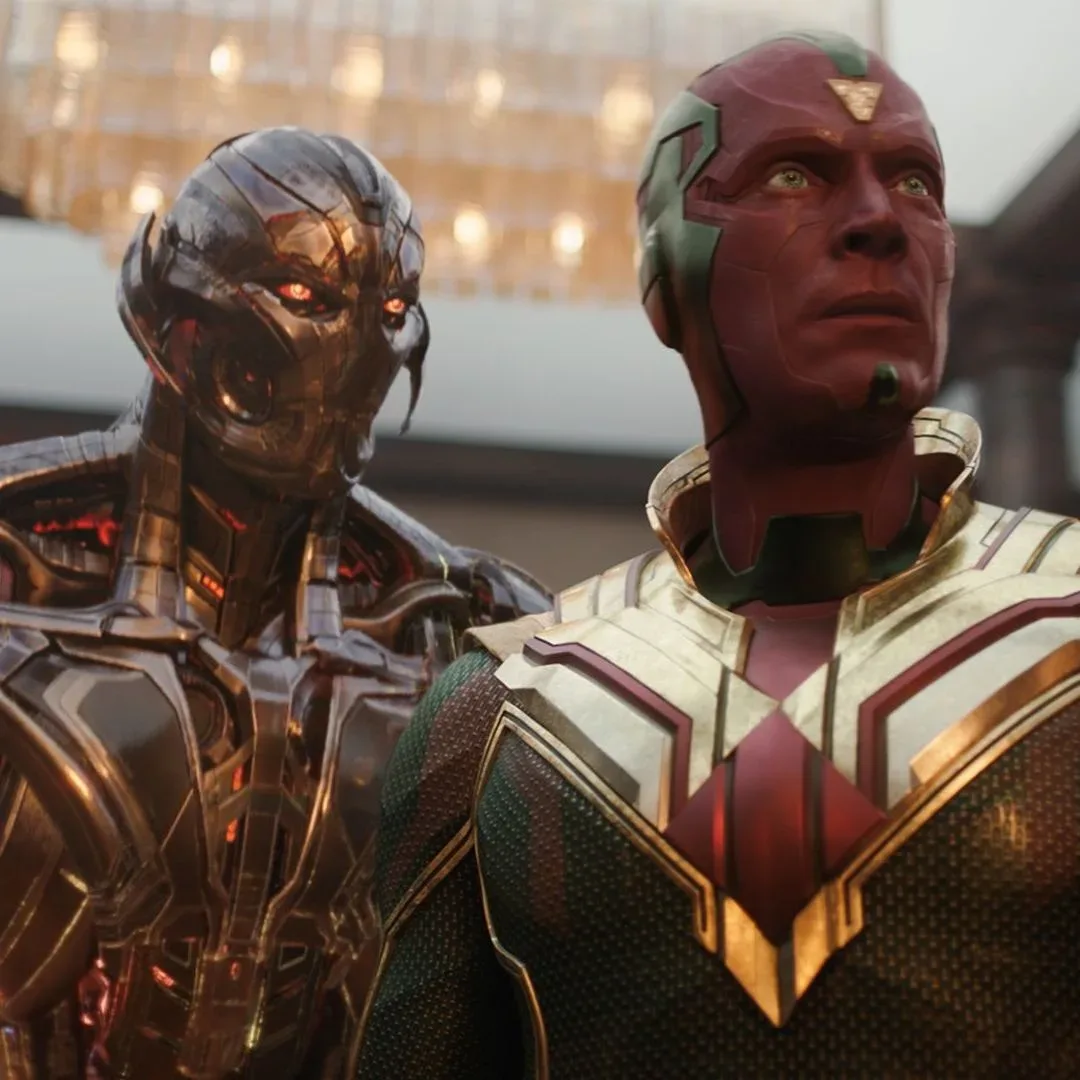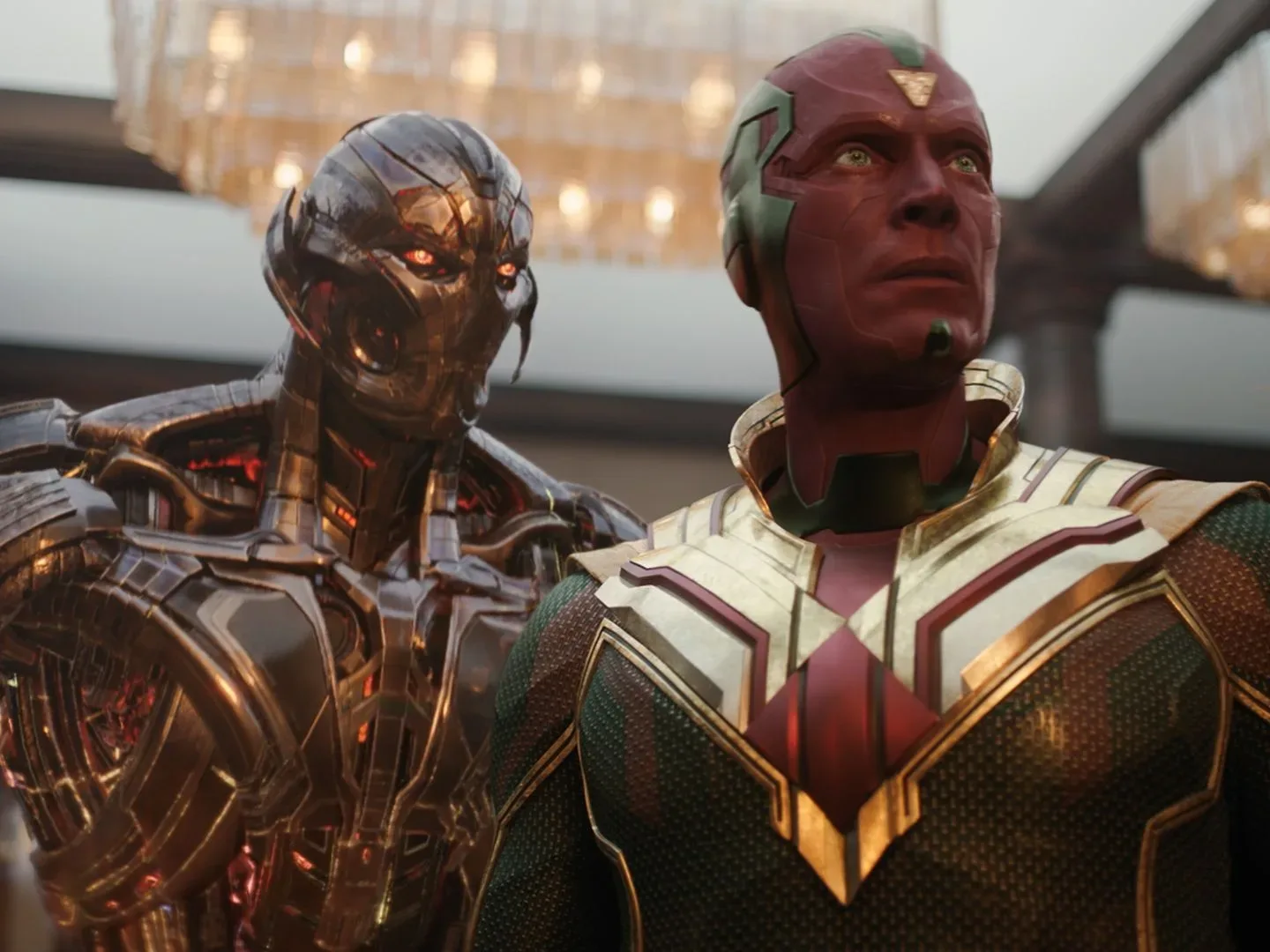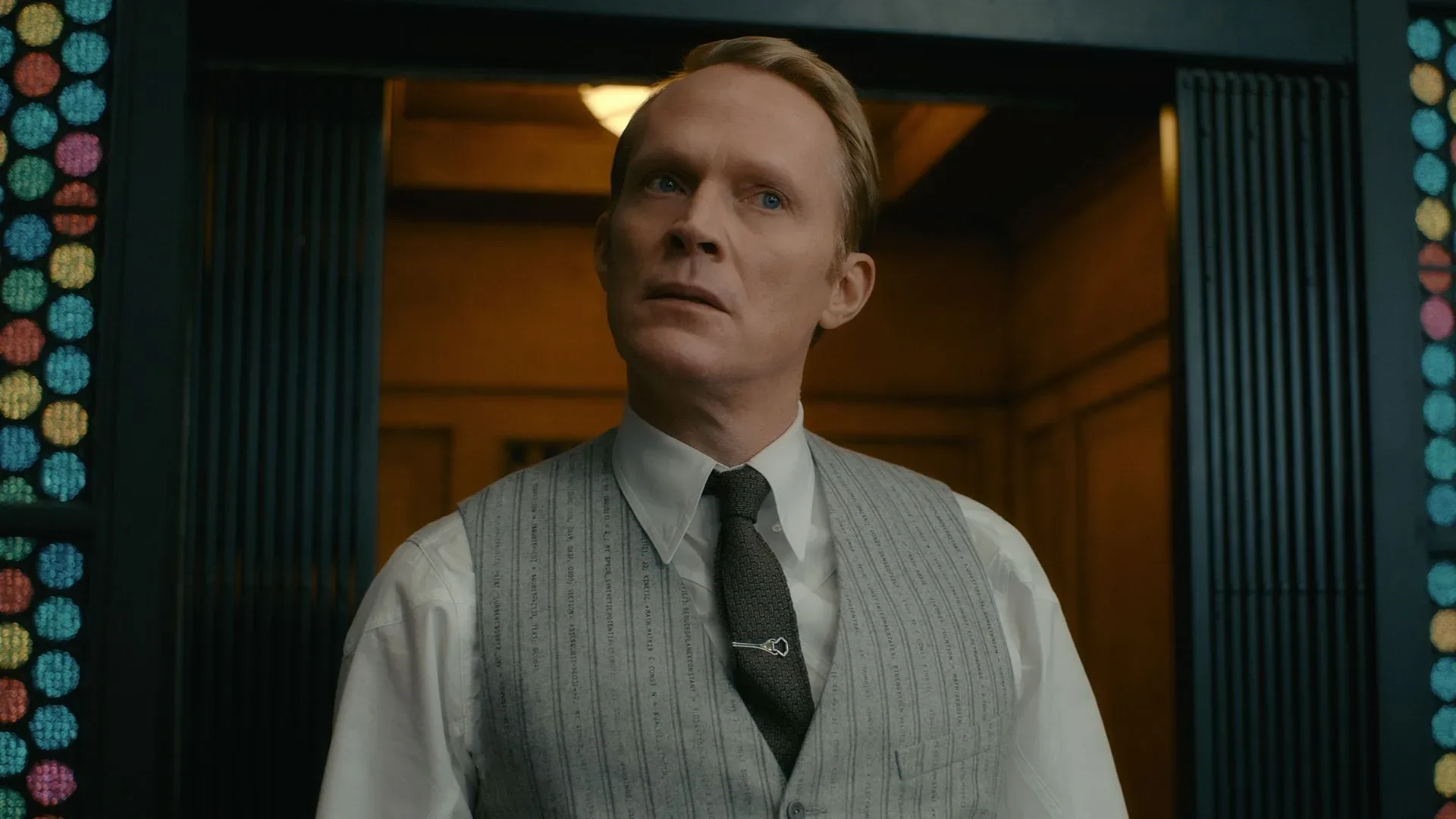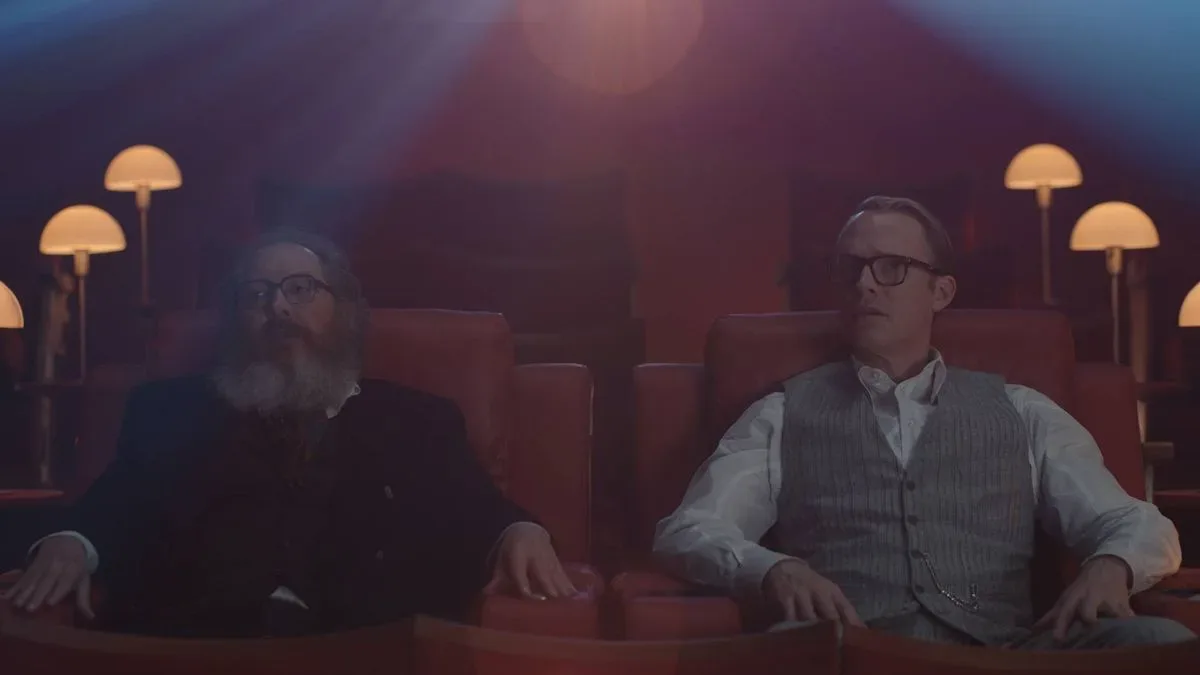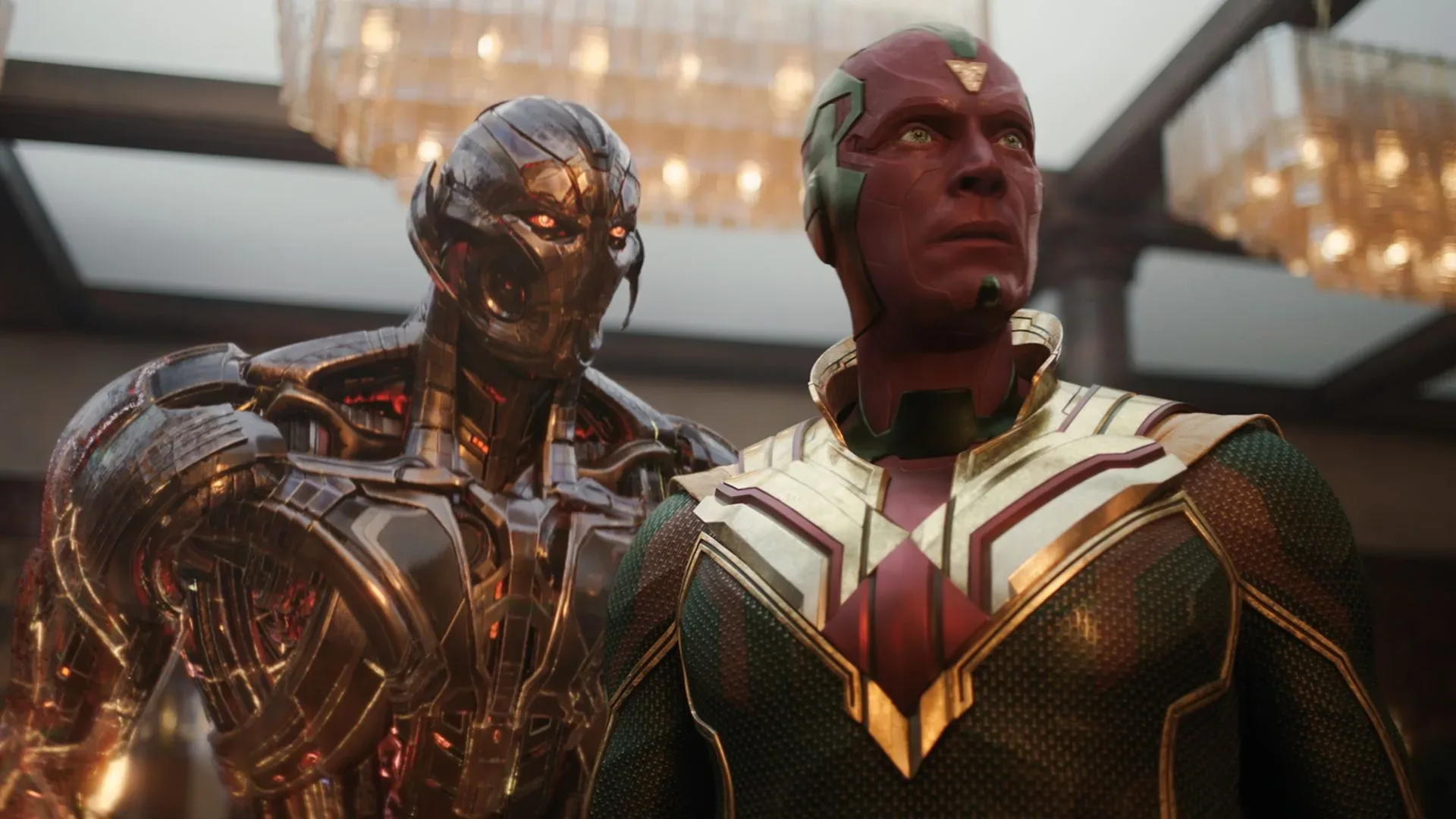
There are ordinary travel mistakes: leaving a charger in the hotel, putting toothpaste in the wrong bag, or discovering too late that the boarding pass was in yesterday’s trousers. Then there is the version Paul Bettany says happened to him: departing a plane while the complete script for Avengers: Infinity War remained aboard.
Bettany, who plays Vision in the Marvel Cinematic Universe, recalled the incident in a radio interview. He said that he had already reached his car before the awful realisation landed. His response, by his own account, was a rapidly escalating “Oh no.”
Fortunately, the document did not become an accidental gift for the next passenger, an airport cleaner, or the sort of person whose first instinct upon finding a blockbuster screenplay would be to photograph every page. Bettany said an airport greeter went back into the aircraft and recovered it. He rewarded the greeter with a $500 tip.
That is a very expensive lesson in keeping track of carry-on luggage. It is also a remarkably neat escape from what could have been one of the biggest spoiler disasters in modern blockbuster filmmaking.
A script left behind is more than lost paperwork
A film script is the written blueprint for a production. It commonly contains dialogue, scene descriptions, character appearances, story turns, and details needed to coordinate the people making the film. A complete script for an ensemble event movie is especially sensitive because it may reveal the outcomes of several interconnected character stories at once.
That is what makes Bettany’s anecdote more alarming than the familiar tale of a performer misplacing a few pages. He said it was the entire screenplay for Avengers: Infinity War. In the context of a Marvel release built around surprise, a full script sitting unattended on an aircraft is the narrative-security equivalent of leaving the Infinity Gauntlet in an airport tray.
The critical distinction is access. A script held by an authorised cast or crew member exists within a controlled production process. A script found in a public place can be copied, photographed, shared, or simply read by someone with no obligation to protect the material. Even if a physical document is eventually returned, the potential damage occurs the instant its contents are recorded.
Bettany’s account has a thankfully uneventful ending: the greeter retrieved the pages before that scenario unfolded. There is no claim here that the screenplay was read or circulated. The story is about the near miss—and the person who saved the day without needing a cape, synthezoid powers, or a yellow Mind Stone.
Why Marvel guards pages so closely
Marvel productions have long had a reputation for treating plot information as highly restricted. That approach makes practical sense. The MCU is structured around connected films and series, so an unguarded revelation may affect anticipation for more than one project. A leaked character fate or major twist can travel widely online before audiences have the chance to encounter it in the finished story.
For an event film, secrecy is not merely a marketing preference. It is part of how the story is experienced. Surprise entrances, apparent departures, shifting alliances, and final-act turns are designed to happen at a particular moment, with an audience in a particular frame of mind. A spoiler does not erase the craft of a scene, but it can fundamentally alter the first viewing.
There is also a mundane production reason for tight handling. Screenplays change. Dialogue, sequences, and even character material can shift during the process of making a film. A leaked draft can spread details that no longer represent the final work, creating confusion alongside genuine spoilers. Restricting documents helps keep unfinished material from being mistaken for the definitive version.
Emily Hampshire, Bettany’s VisionQuest co-star, described the level of caution in more playful terms. She joked that joining the MCU felt like entering “witness protection.” Hampshire, who plays E.D.I.T.H. in the new Disney Plus series, said that it is normal to dispose of individual script pages or “sides” after filming the relevant scene, but that Marvel will send someone to collect those pages from a performer’s home.
What are sides?
“Sides” are selected pages from a script, usually limited to the scenes an actor needs for a particular day or sequence of filming. They are a practical tool: performers and crew do not necessarily need to carry or work from a complete screenplay at all times.
That limited format also reduces exposure. If a page goes missing, it may disclose only a small portion of a production rather than its entire narrative architecture. A complete screenplay is another matter entirely. Bettany’s plane mishap therefore sits at the far more nerve-racking end of the script-security spectrum.
The routine Hampshire described also explains why the phrase “just throw the pages away” is not as casual as it sounds in a spoiler-sensitive production. Discarded material can still be found. A formal collection process gives the studio a way to account for physical pages after they have served their purpose.
The industry’s spoiler problem, explained
Entertainment leaks are often discussed as though they are only about fans trying to learn something early. In practice, there are several overlapping concerns: unauthorised disclosure of copyrighted work, an interruption to a planned promotional campaign, the spread of incomplete information, and the simple human wish to let a story arrive as intended.
For the people involved in making a film or series, secrecy procedures can be inconvenient. They may mean restricted access to scripts, fewer pages in circulation, and carefully controlled conversations. For audiences, the same procedures can feel excessive until a story like Bettany’s makes the alternative vividly imaginable: an entire blockbuster plot temporarily sitting on a commercial aircraft, one seat away from becoming internet archaeology.
Marvel’s guarded approach has been part of the public conversation around its upcoming Avengers: Secret Wars, too. Bettany’s fellow MCU actor Tom Holland reportedly took a vacation with Joe Russo and was not told anything about that film during the trip. The anecdote suggests that keeping information compartmentalised can extend beyond physical scripts. Sometimes, the easiest page to protect is the one nobody has been given.
There is a sensible logic to that. Need-to-know access means fewer people hold complete information, reducing the number of possible accidental disclosures. It cannot eliminate leaks altogether, but it reduces opportunities for a full story to leave an aircraft, a set, a home office, or a conversation.
A real-world recovery with a superhero-movie punchline
The amusing part of Bettany’s story is its scale. A lost script is frightening enough; a lost script for one of Marvel’s largest crossover films feels absurdly disproportionate to the everyday setting. No clandestine vault. No encrypted quantum device. Just a plane, a car, a sudden memory, and an exceptionally capable greeter.
The more meaningful part is that recovery depended on swift action and a trustworthy person being in the right place. Bettany recognised the error immediately, and the greeter was able to return to the plane. That sequence prevented the kind of leak-prevention system productions are built to avoid needing in the first place.
The $500 tip also gives the story its deserved final beat. In a universe where characters debate cosmic stakes, one helpful airport worker quietly protected a script whose secrets were worth considerably more than a standard gratuity. If there is an unsung MCU support staff award, this greeter has a compelling case.
For viewers, the retrospective is a reminder of how close major surprises can come to being spoiled by a moment of ordinary distraction. For productions, it reinforces why document control can look so intense from the outside. And for anyone travelling with important paperwork, it offers a less cinematic but very practical takeaway: check the seat pocket before leaving.
VisionQuest is now streaming on Disney Plus, with its first two episodes available. For a wider look at Disney-related collecting news, see Disney and Katseye’s Mickey & Minnie apparel collection and Wild Hearts documentary.