Paapa Essiedu’s Severus Snape is intended to make an immediate visual statement. The first image from HBO’s forthcoming Harry Potter series presents a markedly different silhouette from the one many viewers associate with the character: shoulder-length dreadlocks, a zip-up leather jacket and a large black cloak with a gothic edge.
Essiedu says that difference is not simply a bid to make the Potions master look cooler. In comments made ahead of the show’s Christmas premiere, the actor explained that a character’s clothes and appearance can communicate both inner identity and deliberate self-presentation. The costume department’s work, he said, has been carefully considered and developed collaboratively.
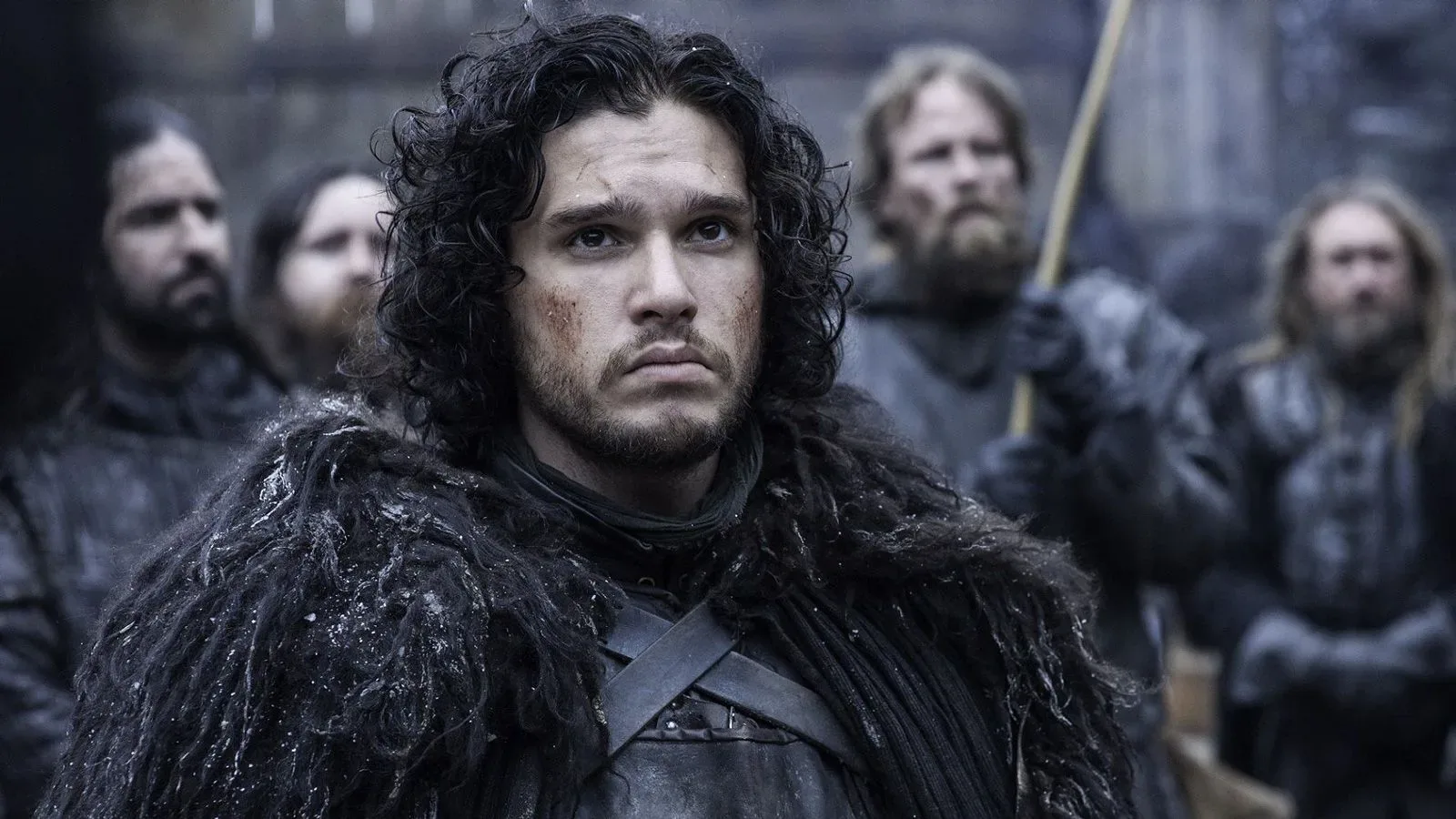
That distinction matters for an adaptation of a property with such an established screen legacy. Snape was played by Alan Rickman in the earlier film series, where the character’s severe, buttoned-up black robes became a defining part of his screen image. The new production is plainly not treating that wardrobe as a fixed rule. Instead, it is using costume to introduce Essiedu’s interpretation as its own version of the character.
A costume is character storytelling, not just a reference check
In television production, costume design is one of the tools used to establish character before dialogue has had time to do the work. Fabric, movement, fit, color and silhouette can suggest status, personality, emotional distance or a desired public persona. Essiedu’s comments point to that broader function: Snape’s look is meant to say something about who he is, but also about the impression he wants to create around other people.
For more context, explore Betty and Veronica’s Valentine’s Spectacular Brings Little Archie, Katy Keene and K.O. to a January One-Shot.
The leather jacket and oversized cloak create a different visual vocabulary from rigid formal robes. That does not, by itself, reveal how the new Snape will behave, what scenes will be emphasized, or how closely individual plot beats will match previous adaptations. It does establish that the production sees the character’s exterior as an active part of its storytelling rather than a museum-piece reproduction.
For fans, that is a useful boundary to keep in mind when looking at a first-look photograph. A publicity image can reveal casting, hair, makeup and wardrobe direction. It cannot settle questions about performance, writing, tone, pacing or the emotional arc of a character across a season. Essiedu has urged people to engage with what the team has made, rather than allowing the conversation to end at advance reactions to a single image.
Essiedu addresses the backlash around his casting
The discussion around the new Snape has not been confined to artistic choices. Essiedu has previously spoken about receiving racially motivated death threats following his casting. He has said that the abuse fueled his resolve to make the part his own.
Asked about the response as the premiere approaches, Essiedu emphasized that his focus remains on the work. He also said he accepted the role with an awareness that reactions would vary widely. At the same time, he described receiving considerable support, goodwill and excitement, and praised colleagues across the production for standing behind him.
There is an important difference between disagreement about an adaptation and harassment aimed at a performer. Audiences can discuss whether a costume choice suits their idea of Snape, compare adaptations, or wait to see the completed series. Racially motivated threats are not criticism of a creative decision; they are abuse directed at a person. Essiedu’s comments place the work itself at the center while acknowledging the reality of entering a globally recognizable role under intense scrutiny.
The actor’s position is also a practical reminder of how casting discourse unfolds online. Familiar franchises often generate immediate comparisons with earlier portrayals, especially when an actor inherits an iconic character. Those comparisons may be unavoidable. But they do not make a performer responsible for abusive responses to decisions made by a wider creative production.
Why this particular role carries so much attention
Snape is one of the most closely watched parts in any new screen interpretation of Harry Potter. The character’s appearance, authority and reserve are central to how viewers first read him. Because the earlier films are so prominent in popular memory, Essiedu’s version will be evaluated against Rickman’s performance even as the television series develops a separate take.
That is why Essiedu’s focus on appearance is revealing. A new costume does not erase the audience’s memory of prior screen imagery, but it can signal that the show wants to reset expectations. The first-look image does not promise a carbon-copy recreation. It frames the new production as an adaptation willing to use a distinct visual interpretation from the outset.
It is also worth being precise about what has been confirmed. The first season is based on Harry Potter and the Philosopher’s Stone. The supplied details identify a December 25 debut on HBO Max, but do not establish further season-by-season plans, episode counts, or how specific scenes will be treated. The sensible takeaway is limited: viewers will soon be able to assess Essiedu’s performance in the context of the finished program rather than through stills and online argument alone.
Essiedu arrives with a notable stage and screen record
Though the series may introduce Essiedu to an even broader international audience, he brings substantial experience to the role. In 2016, he became the first Black actor to play Hamlet for the Royal Shakespeare Company. That performance earned him the Ian Charleson Award. He later received two BAFTA nominations for his work in I May Destroy You and The Lazarus Project.
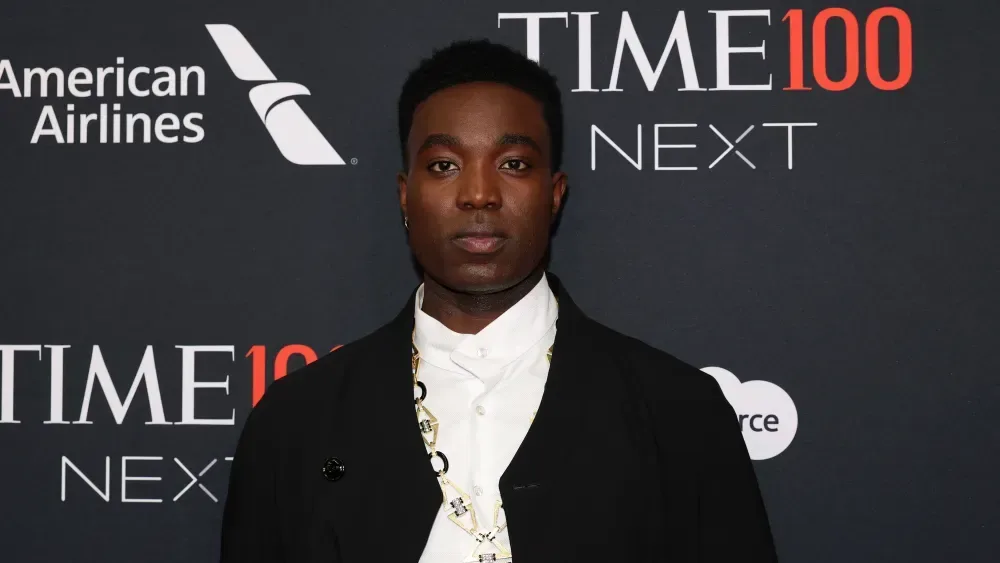
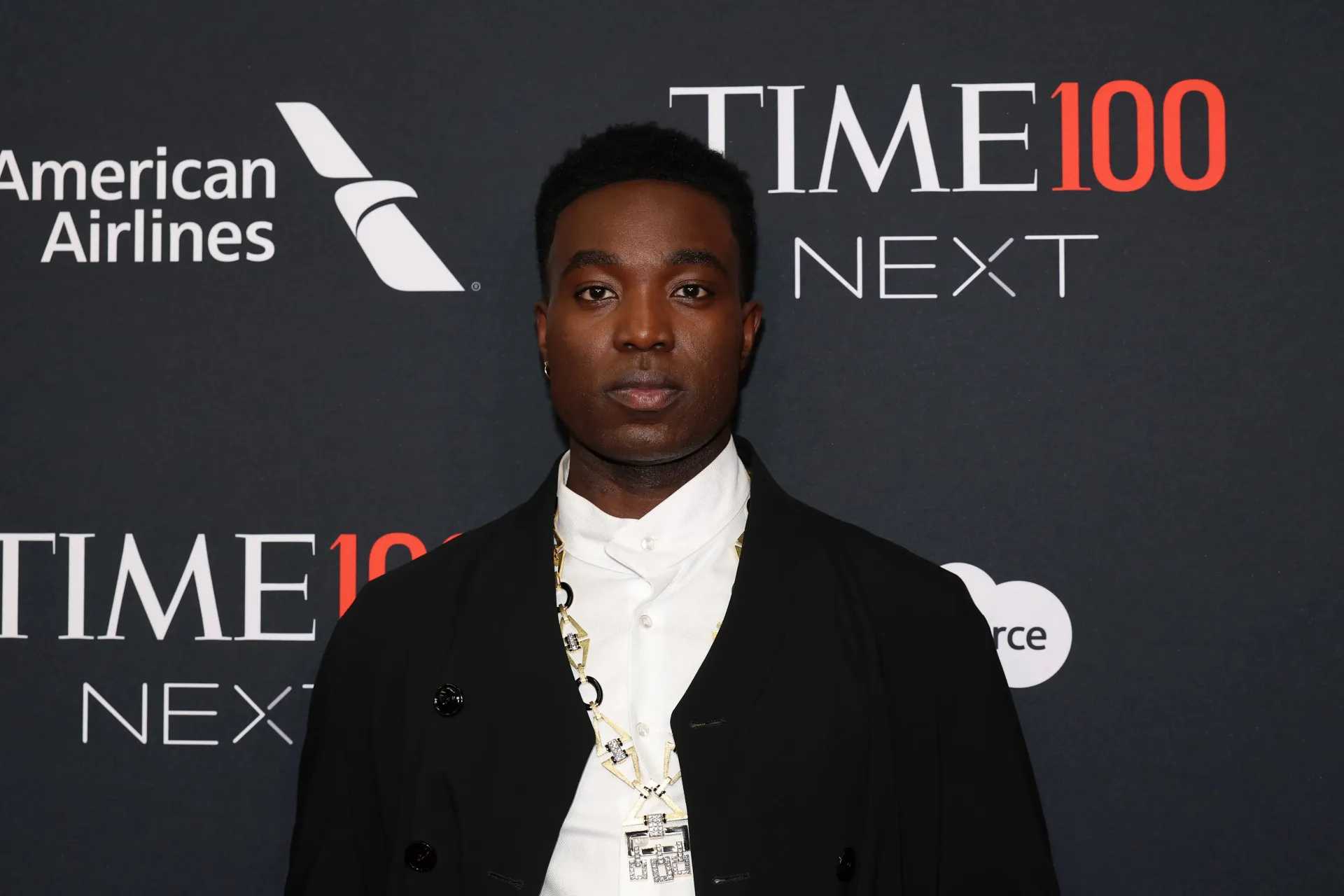
He was also recognized among Time’s 100 rising stars in New York City. Taken together, those milestones explain why the part is being viewed as a potentially major global showcase rather than a debut-level leap into a famous franchise.
His background is relevant without predetermining the outcome. Shakespearean work, contemporary drama and genre television all demand different things, while an adaptation’s final result depends on writing, direction, editing, design and the full ensemble as well as any one actor. Still, Essiedu’s previous roles provide a clearer context for the casting than the controversy alone: this is an actor with a track record in demanding material stepping into a role that will attract enormous attention.
What the first image does—and does not—tell fans
- It confirms a new visual interpretation: Essiedu’s Snape has dreadlocks, leather outerwear and a flowing black cloak rather than reproducing the earlier film wardrobe.
- It highlights the costume team’s narrative intent: Essiedu says the aesthetic was designed to convey character and self-image.
- It does not reveal the full performance: A still cannot show delivery, relationships, story emphasis or long-form character development.
- It does not justify abuse: Creative disagreement is separate from the racist threats Essiedu has said he received.
Essiedu says he is proud of what he has seen from the production and stresses the large number of people who have invested effort in it. For a franchise accustomed to instant judgment, that is a straightforward invitation: let the actual series provide the evidence. The image has done its job by making the new Snape impossible to mistake for an exact repeat of the old one. What matters next is how that design supports the character once Harry Potter reaches HBO Max on December 25.