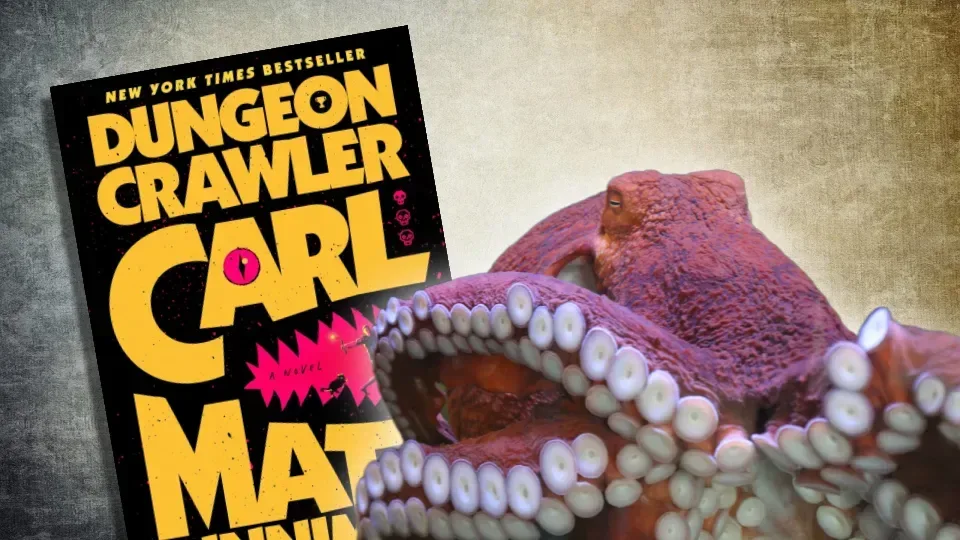
Dungeon Crawler Carl has gained an unusually literal new mascot. The Oregon Coast Aquarium in Newport has named a newly welcomed giant Pacific octopus Juicebox, after the shapeshifting changeling from Matt Dinniman’s book series. It is not the aquarium’s first nod to the books, either: Juicebox will share the aquarium with Donut, a 22.5-pound male octopus named for Princess Donut.
The pairing makes this more than a one-off pop-culture name. Two animals at the same aquarium now carry names tied to the same series, and both choices have an identifiable connection to the characters. Donut points directly to Princess Donut, while Juicebox reflects the character’s defining ability to change form. For readers who know the books, that makes an octopus an especially fitting namesake rather than simply a recognizable word on an animal enclosure.
Why Juicebox is a particularly apt name
A changeling, in the context established by the series, is a character capable of shifting into different forms. Juicebox is such a character. Octopuses can alter their appearance to blend into their surroundings, which is why aquarium staff selected the name for the new resident.
That connection is stronger than a loose visual gag. It links the real animal’s appearance-changing behavior with the fictional character’s transformative identity. The books also provide an additional, if spoiler-adjacent, bridge: Juicebox at one point takes the form of Ursula from The Little Mermaid. An octopus being named Juicebox therefore lands as a layered reference, joining the character’s central trait with a form the character has already assumed.
It is worth keeping the two ideas distinct. Juicebox the fictional character changes forms at will; Juicebox the octopus has appearance-changing abilities associated with blending in. The name is a thematic tribute, not a claim that the animal is reenacting the character’s exact powers. But that thematic match is precisely what makes the choice more memorable than a conventional marine-animal pun.
Donut and Juicebox turn a reference into a small aquarium tradition
Donut’s presence gives the new name useful context. The male octopus weighs 22.5 pounds and takes his name from Princess Donut, making him the earlier Dungeon Crawler Carl-inspired resident. With Juicebox now joining him, visitors familiar with the novels have two references to spot rather than one isolated Easter egg.
For an aquarium, animal names can do more than label an individual. They give staff and guests a shared shorthand, and a recognizable name can be an approachable entry point for visitors who might not arrive with detailed knowledge of a particular animal. In this case, the reference is also character-specific. Princess Donut and Juicebox are separate figures from the same fictional world, so the names create a small, coherent theme without requiring the aquarium to turn the exhibit into a fictional setting.
That is likely the most practical appeal of the pairing. A fan has a reason to smile at the names and perhaps make a trip to Newport. A visitor unfamiliar with the books can simply meet Donut and Juicebox as individual animals, then discover the references if they are curious. The names work at both levels.
What visitors should expect from Juicebox’s stay
Juicebox is available to visit at the Oregon Coast Aquarium in Newport. The octopus is expected to remain there for about a year before being released back to the reef. That planned duration matters: this is a temporary opportunity to see the animal, not a permanent addition being presented as a lifelong mascot.
The release plan also puts the naming story in a better perspective. The fandom angle may make Juicebox immediately shareable, but the animal’s time in the aquarium is framed around an eventual return to the reef. The character-inspired name is a public-facing detail attached to a limited stay, not a reason to lose sight of the fact that Juicebox is a living animal with a destination beyond the exhibit.
Visitors drawn in by the books should therefore treat the name as a fun bonus rather than assume it signals a larger franchise installation. The information available establishes an octopus named Juicebox, an existing octopus named Donut, and a roughly year-long stay for the newcomer. It does not establish special events, merchandise, book tie-ins, or any other Aquarium programming tied to the series.
Dungeon Crawler Carl’s expanding 2026 footprint
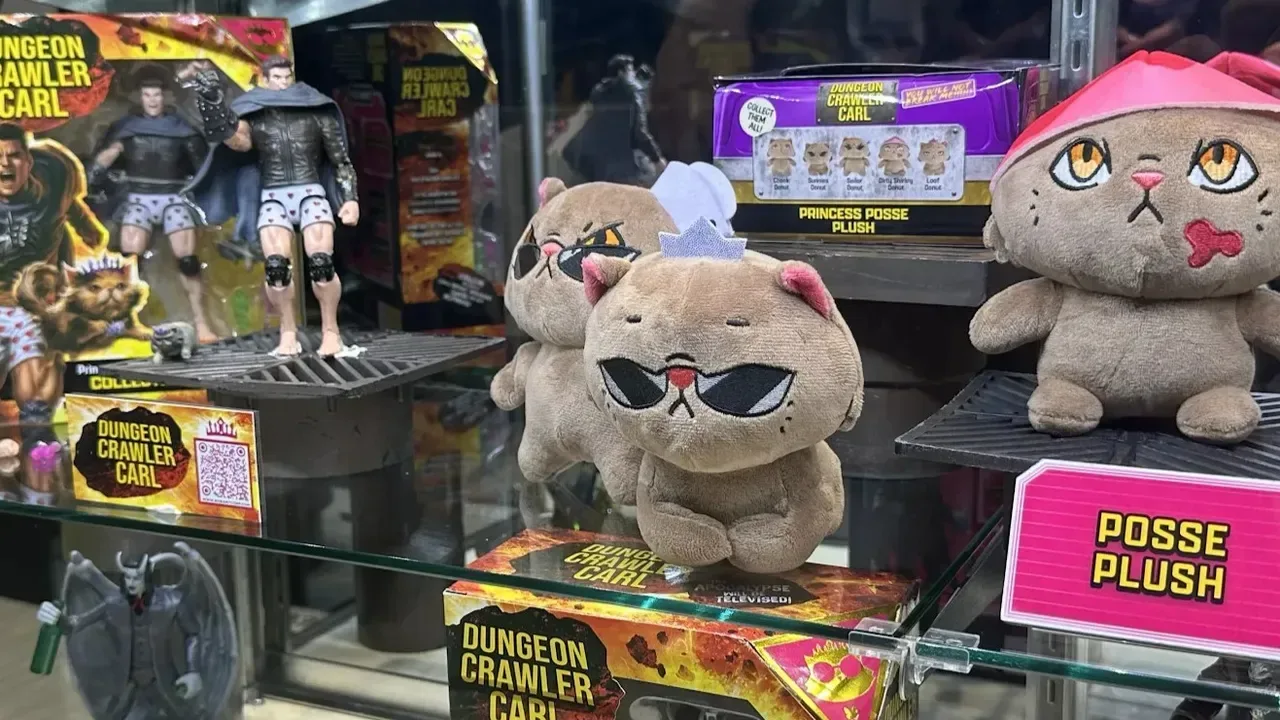
The aquarium connection arrives during a notably active period for Dungeon Crawler Carl. An eighth book is due this year, while tabletop games and a toy line are also part of the series’ expanding slate. A television adaptation has additionally been confirmed for Peacock, with Seth McFarlane attached to lead it.
Those projects place the Juicebox naming in a wider moment for the property. A fictional character becoming the name of an aquarium octopus is not the same kind of expansion as a new book, a tabletop game, toys, or a television production. Still, it illustrates a different form of cultural reach: fans and institutions borrowing character names in settings that sit outside the usual shelves, screens, and gaming tables.
LitRPG is short for literary role-playing game, a label used for fiction that draws on role-playing-game language or structures. The supplied information identifies Dungeon Crawler Carl as a popular LitRPG book series. That genre label helps explain why the property can move naturally toward tabletop games, but the aquarium story is something else entirely: a character-driven reference selected because its underlying idea fits the animal.
It also demonstrates the advantage of a well-defined supporting character. Juicebox’s name was chosen because the changeling concept overlaps with an octopus’s ability to alter its appearance. That is a much more specific connection than naming an animal after a title or a lead protagonist merely because the franchise is popular. The name rewards people who understand it while retaining a clear explanation for everyone else.
A small crossover that does not need to oversell itself
There is an understandable promotional benefit to a recognizable name. Fans sharing the news can introduce other people to the aquarium, and the aquarium in turn gives the books a charming real-world association. But calling the name a marketing move does not make it empty. A good promotional hook has to be intelligible, and Juicebox has one: an appearance-changing animal named for an appearance-changing character.
The timing gives the story an extra bit of amusement. Juicebox arrived as another octopus, Anakin, was released. The juxtaposition invites an obvious comparison between a newer fandom reference and one drawn from the enduring orbit of Star Wars, but it does not need to suggest that the two franchises occupy the same scale. The fun is in the succession of names, not in making a serious measurement of their cultural standing.
There is also no need to turn the news into a contest between properties. The Donut and Juicebox names show that the series has an engaged enough following for its character references to travel into unexpected places. That is notable on its own. The aquarium did not merely choose a generic fantasy-themed name; it chose one rooted in a character trait that has a direct thematic parallel with its new resident.
Why this kind of reference travels well
Successful pop-culture naming tends to work best when it gives newcomers an immediate explanation and longtime fans an additional layer. Juicebox checks both boxes. Someone can hear that an octopus changes its appearance and understand the name’s logic. A reader can recognize the changeling, remember the character’s transformations, and appreciate the Ursula connection. Donut follows the same general principle by giving Princess Donut a real-world counterpart alongside Juicebox.
That accessibility is important because aquarium visitors are not a single fandom audience. They may be local regulars, travelers, families, marine-life enthusiasts, or readers making a deliberately nerdy detour. The names do not demand expertise from any of them. They simply offer a little more character around the visit.
For people tracking adaptations of game-adjacent stories into other media, the confirmed Peacock project is another reminder that the series is reaching beyond its original literary format. That broader movement resembles the interest around other screen projects based on games and internet-native stories, including the planned Amanda the Adventurer movie slate. Juicebox, however, is a far smaller and more whimsical expression of fan recognition: no adaptation required, just an aquarium animal with a name that fits.
Ultimately, Newport visitors have a limited window to meet Juicebox before the planned return to the reef. For Dungeon Crawler Carl readers, that visit comes with the uncommon pleasure of seeing a changeling’s name attached to an animal whose natural ability supplied the perfect rationale. And with Donut already there, it is a two-character tribute rather than a solitary nod.