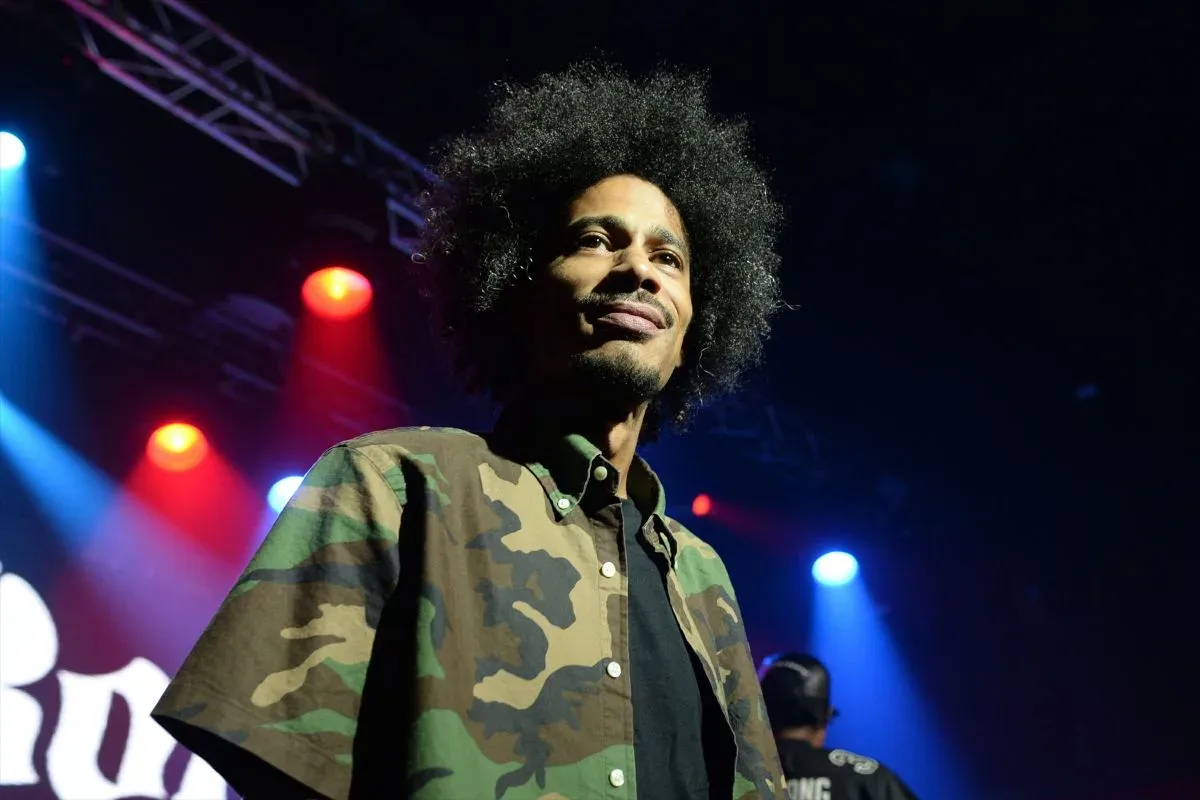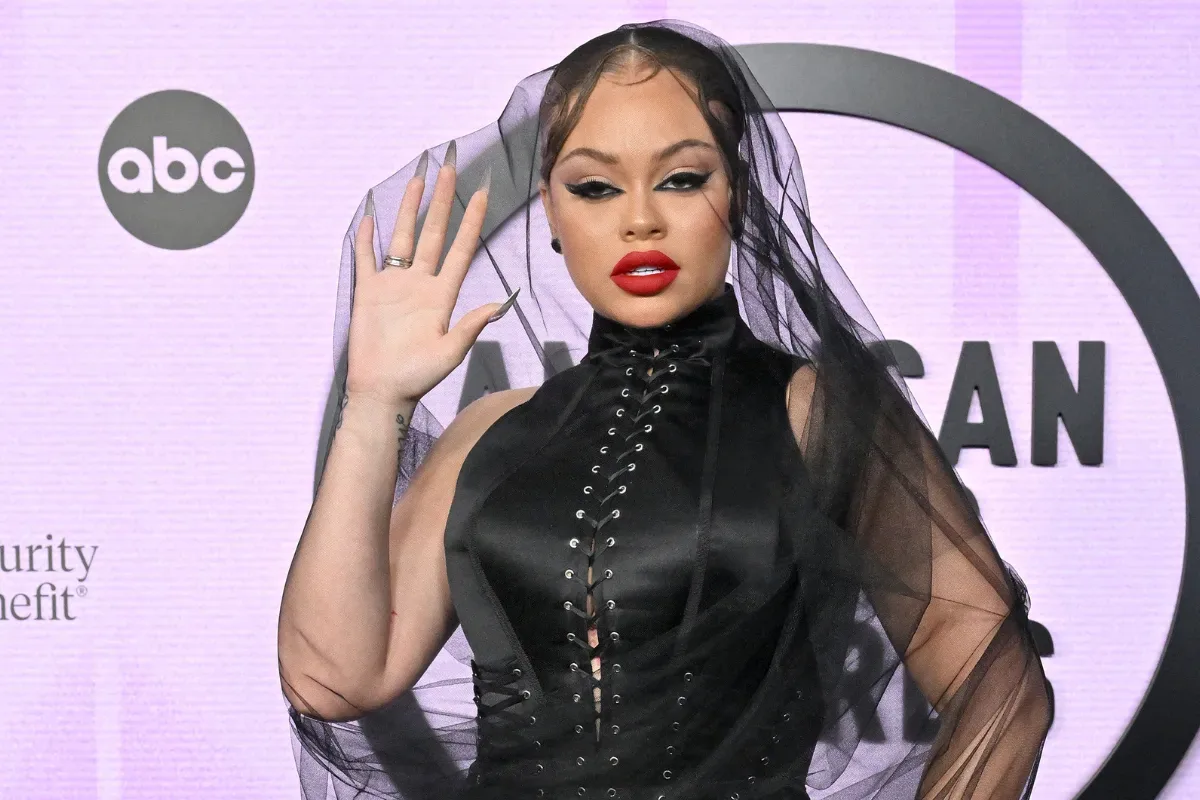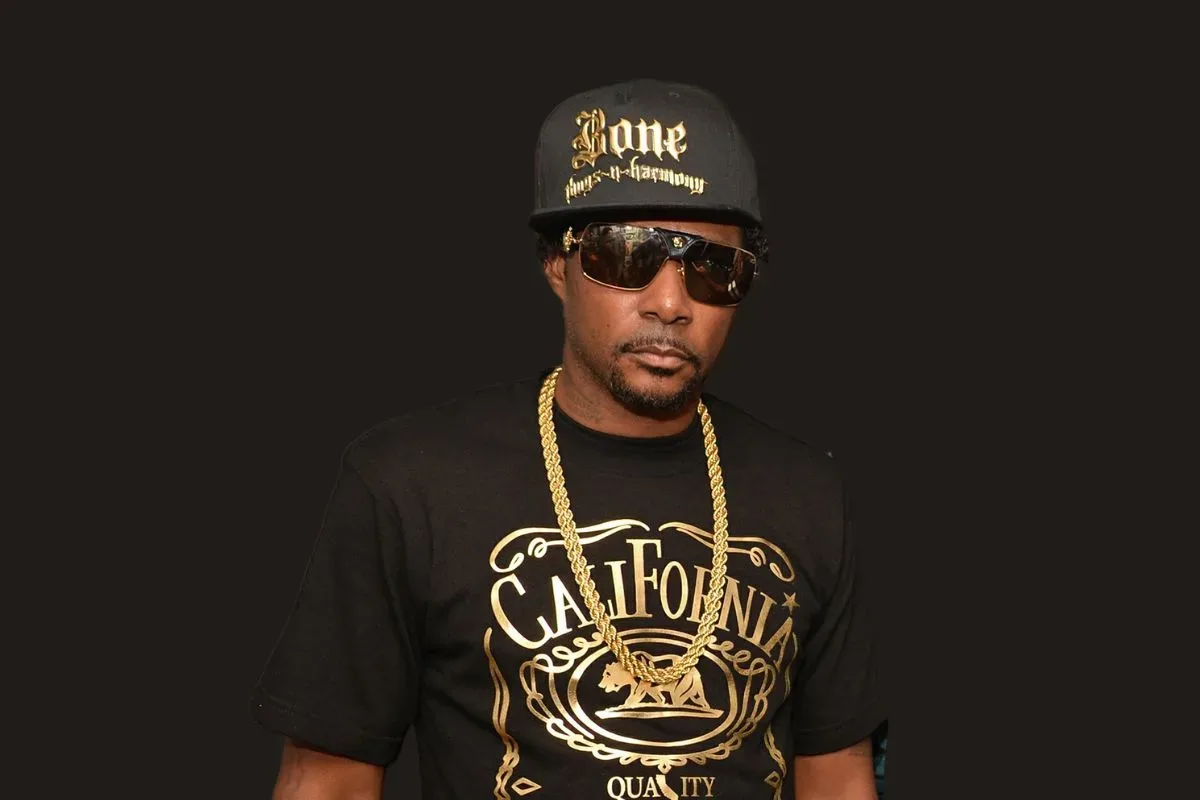
The Ohio Hip Hop Awards will revisit its history in Cleveland while putting part of the night’s proceeds toward music-focused youth development. A 20th-anniversary reunion dinner on Sunday, November 1, will support Krayzie Bone’s Spread the Love Foundation and DJ Johnny O’s Nerve DJ Institute.
The event is scheduled for Music Box Supper Club, 1148 Main Avenue, Cleveland. Doors and the red carpet open at 4 p.m., followed by the main program at 6 p.m. Shugabooga will host, and DJ Iceburg Pimpin’ is set to provide music. Organizers have requested chic cocktail attire.
Reserved tickets are listed at $25, $50 and $100. A portion of the proceeds is intended for each nonprofit, connecting an anniversary event built around Ohio hip-hop memories with organizations centered on training, mentoring and career pathways for emerging music talent.
Two organizations, a shared emphasis on preparation
Spread the Love Foundation focuses on youth career training and arts education. The Nerve DJ Institute is designed to help aspiring DJs and other young music professionals develop skills through training and mentorship. The shared idea is bigger than a spotlight moment: young people interested in music need opportunities to learn how creative work is made, organized and turned into a viable professional direction.
For more context, explore Dragon Ball Rights Reportedly Became the Leverage That Cleared the Way for Yu-Gi-Oh! Duel Monsters.
That matters because “working in music” is often used as shorthand for being an artist or performer. The training described by Spread the Love takes a wider view of the field. Its youth track, for participants ages 13 to 17, introduces roles on both the creative and business sides of music.
For students, that can mean identifying a contribution that suits their interests without treating the stage as the only destination. A songwriter shapes the material performers bring to an audience. An audio producer helps guide recorded sound and the creative decisions around it. A sound engineer works with the technical side of capturing, balancing and refining audio. Each role is connected to music-making, but each involves a different set of skills and responsibilities.
The practical takeaway is that a music education program can have value even when its participants do not intend to become recording stars. It can expose them to creative disciplines, technical literacy, teamwork and entrepreneurial basics that are relevant across a range of creative pursuits.
Interest 2 Income at the Cuyahoga County Juvenile Detention Center
Krayzie Bone’s foundation has already brought its Interest 2 Income program to the Cuyahoga County Juvenile Detention Center. The program teaches residents about creative work and potential music careers, with instruction that includes sound engineering, audio production and songwriting.
The course also includes financial skills, entrepreneurship and personal development. Those areas are an important part of the program’s stated approach. Financial skills can cover the basic ability to understand money decisions; entrepreneurship concerns building and organizing a venture or professional opportunity; and personal development points to the broader habits and self-management needed to pursue goals. The supplied details do not set out a full curriculum, but they show an effort to pair artistic work with skills that help participants understand how work functions beyond the studio.
There is a concrete outcome attached to the introductory program. On October 18, 2024, eight detention center residents completed the course. They performed songs they had written and recorded, as well as a group song, for family members.
That presentation is meaningful in a straightforward way: it gave participants a finished piece of work to share rather than limiting the experience to classroom discussion. Writing and recording songs requires ideas to be developed into a form others can hear. A group recording also asks participants to contribute to a shared result. The available information does not establish long-term outcomes for the eight graduates, and it would be wrong to claim that it does. What it does document is a completed introductory course and public presentation of participant-created music.
Why the career-training focus is distinct
Arts programs are sometimes discussed as if their sole purpose is talent discovery. The stated design of Spread the Love’s youth work suggests something more practical. Sound engineering, production and songwriting are real creative specialties, while money management and entrepreneurship acknowledge that creative work also involves decisions about resources, planning and professional direction.
That distinction is particularly clear in the detention-center setting. A program cannot promise a particular career outcome simply by introducing young people to music. It can, however, offer structured instruction, vocabulary for possible jobs and the chance to complete creative work. The foundation’s emphasis on a range of music-industry roles avoids reducing success to celebrity and instead highlights skills behind the songs listeners eventually encounter.
The Nerve DJ Institute’s mission fits that wider framework. DJs and other young professionals can benefit from both instruction and mentorship, which means guidance from people with relevant experience. Training may help build a particular skill; mentorship can help a learner better understand the professional culture surrounding that skill. The reunion dinner’s decision to benefit both organizations creates a link between youth arts education, technical music work and career-oriented guidance.
A reunion built around Ohio hip-hop history
The fundraising component arrives alongside an anniversary program focused on the Ohio Hip Hop Awards’ legacy. The awards began in 2006 and ran through 2017. For the reunion, organizers plan to screen previously unseen clips, tell backstage stories and revisit memories from the OHHA Showcase Tour.
That format makes the dinner more than a conventional awards revival. It is positioned as a retrospective, giving attendees a chance to look back at footage and accounts from a period in Ohio’s hip-hop scene. The event’s fundraising purpose also gives that reflection a forward-facing role: proceeds are set to help organizations working with the next generation of music participants.
There is a natural connection between preserving a local scene’s memories and funding access to the knowledge behind the music. Archival clips and backstage stories can underscore that a music community is built by more than its most visible names. It also depends on the people developing songs, recording them, presenting them and creating professional networks around them. That is analysis of the event’s structure, not a claim about any individual attendee or program result.
What attendees should know
- Date: Sunday, November 1
- Venue: Music Box Supper Club, 1148 Main Avenue, Cleveland
- Doors and red carpet: 4 p.m.
- Main program: 6 p.m.
- Host: Shugabooga
- Music: DJ Iceburg Pimpin’
- Ticket tiers: $25, $50 and $100 reserved tickets
- Dress request: Chic cocktail attire
For people following how entertainment communities can mobilize support, the core detail is that only a portion of proceeds is slated for the two nonprofits; the available event information does not specify an amount or percentage. Attendees looking to support the organizations should therefore view the dinner as a benefit component within a broader reunion and retrospective program, rather than assume that every ticket dollar is a direct donation.
The November 1 gathering gives the Ohio Hip Hop Awards’ history a new purpose: celebrating a past chapter while backing youth training and mentorship intended to help young people explore the creative, technical and business work that keeps music moving.