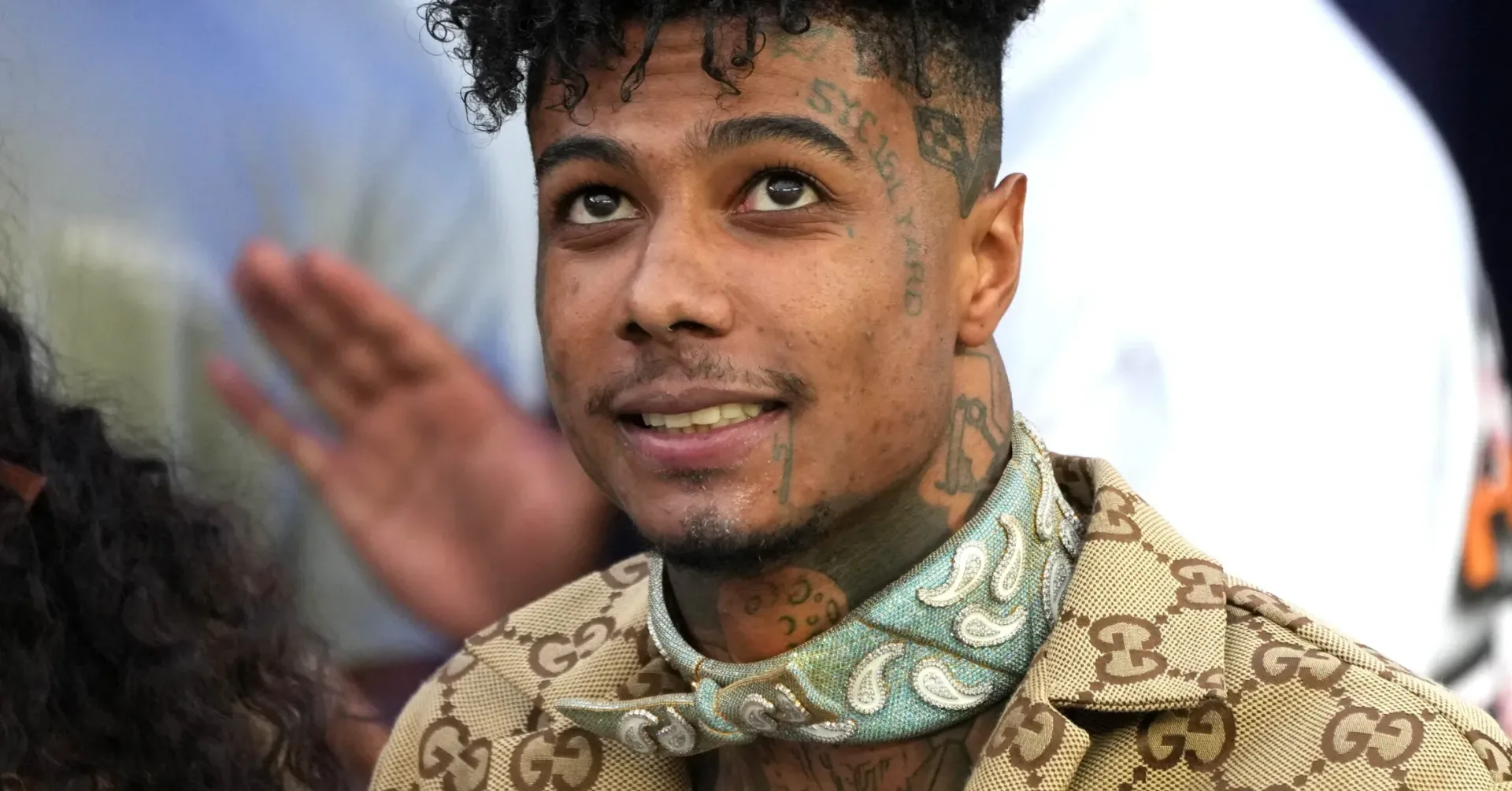
Former boxer and streamer Adrien Broner was detained during a Beverly Hills traffic stop while he and DeenTheGreat were livestreaming. Footage from the stream showed Broner dancing for the camera before he was handcuffed, turning a police encounter into an instantly shareable live-media moment.
The key facts established by Beverly Hills police are narrower than the dramatic clips may suggest. Broner was detained as officers investigated a large street gathering in a residential area. He was released at the scene, was not formally arrested and did not receive a citation.
“Broner was detained during a traffic stop as part of an investigation into a large street gathering in a residential area. He was released from the scene, and a citation was not issued.”
Detained is not the same as arrested
The distinction matters, especially once a short video begins circulating without its surrounding context. A detention is a temporary restriction of a person’s movement while officers conduct an investigation. An arrest is a separate legal step that ordinarily involves taking someone into custody based on an alleged offense. The police statement says Broner was detained and released, not arrested.
Likewise, no citation was issued. A citation is a formal notice alleging a violation and typically requiring a response, such as paying a fine or appearing in court. The absence of one does not explain every aspect of the broader inquiry into the gathering, but it does establish that Broner left the encounter without a citation tied to this traffic stop.
That is why the handcuffs seen in the video should not be treated, by themselves, as proof of an arrest or a criminal charge. Restraints can be used during a detention; the official account of the outcome is that Broner was released on scene.
When the audience is present in real time
Broner and DeenTheGreat continued streaming as the situation unfolded. That changes the texture of what might otherwise have been a private and short-lived interaction. A livestream has no editorial delay: viewers watch the uncertain middle of an event before anyone has confirmed its reason or result.
That format rewards immediate reactions. The footage of Broner dancing is visually clear, memorable and easy to repost. The more consequential details—what police were investigating, whether a person was arrested, and whether a citation was issued—are less obvious from the video itself. They need confirmation after the fact.
This is a basic challenge of live online entertainment: the clip can arrive before the explanation. A viewer may see flashing lights, handcuffs and an animated response, then infer an outcome that the available facts do not support. In this case, the official statement supplies the important update: detention, release and no citation.
The practical risk of treating livestreams as complete evidence
Livestream video can document part of an encounter, but it is not automatically a complete account. A creator’s camera may start late, stop early, point in a particular direction or capture only what is being said nearby. It also cannot independently establish why officers initiated a stop, what information was available to them, or what happened once the stream ended.
For viewers, a useful way to read events like this is to separate three layers:
- What is visible: Broner was on a livestream, was stopped, danced for the camera and was handcuffed.
- What officials have confirmed: Beverly Hills police said the stop was part of an investigation into a large residential street gathering and that Broner was released without a citation.
- What remains unconfirmed: Any wider conclusions about wrongdoing, charges or the full circumstances beyond the information provided by police.
That separation is not about draining the spectacle from a viral clip. It is about refusing to let the spectacle create facts that have not been established. A handcuff moment can be an arrest in some cases, a detention in others, or merely one fragment of a more complicated scene.
Streaming makes personal security and public safety harder to separate
Live creators face a different set of pressures from people who record and upload later. An edited video lets the person publishing it decide what to include after an incident is over. A live broadcast gives the audience a front-row seat while the creator is still working out what is happening—and while law enforcement or emergency personnel may be trying to manage a situation.
That gap can become serious when viewers know where a broadcast is occurring or can identify the people involved. False emergency reports aimed at creators, commonly called swatting, are especially dangerous because they can send police to a location under false pretenses. No such claim has been established regarding Broner’s detention, and this incident was described as a traffic stop connected to a street-gathering investigation. Still, the broader live-media environment makes it important not to blur separate events together.
Privacy also becomes complicated when speech and behavior meant for a small circle are broadcast to a large, distributed audience. That issue extends beyond video platforms. Gaming communities are dealing with related questions as online messages and public activity can become easier to find beyond their original audience; Discord’s proposed web-search visibility for some public server messages is one example of how discoverability can reshape expectations around online spaces.
What this incident does—and does not—show
The available record supports a straightforward account. Broner was livestreaming with DeenTheGreat when he was detained during a Beverly Hills traffic stop. Police connected the stop to their investigation of a large gathering on a residential street. He was released at the scene and was not cited.
It does not support describing the outcome as a formal arrest, a charge or a citation. Nor does a lively reaction on camera resolve the underlying reason for the police activity. Broner’s dancing may be what spreads furthest, but the official outcome is the more useful detail for anyone trying to understand the encounter.
For streamers, viewers and clip accounts alike, the takeaway is simple: live footage is immediate, not necessarily complete. Wait for a verified outcome before turning a few seconds of video into a definitive narrative.