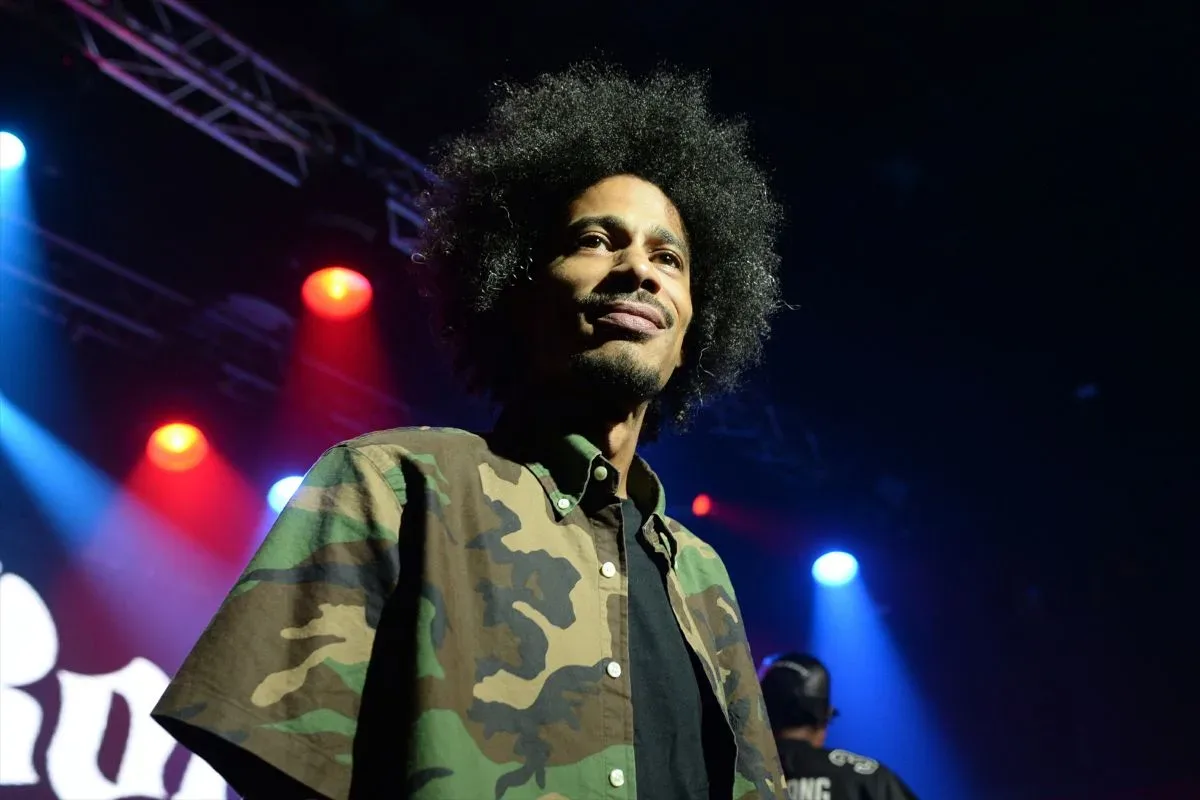
Layzie Bone has addressed his absence from Bone Thugs-N-Harmony appearances on Wu-Tang Clan tour dates, saying he was ready to take part before being told he would not be going. His comments put a difficult spotlight on a group whose harmony has always been both its defining musical achievement and, at times, its most complicated real-world challenge.
The rapper described preparing for the run in a practical, fan-facing way: his luggage was ready, and he had ordered merchandise including shirts, hats, CDs and albums with the expectation that he would perform and meet supporters. But Layzie says the trip never materialized for him, despite his willingness to meet the conditions requested of him. The dates have instead featured Krayzie Bone, Wish Bone and Flesh-n-Bone, while Layzie and Bizzy Bone have not been part of the lineup.
That basic fact is likely to matter enormously to longtime listeners. Bone Thugs-N-Harmony is not a group built around interchangeable parts. Its individual voices, rapid-fire cadences and tightly layered arrangements made the collective’s identity, so any configuration missing multiple members will inevitably invite questions from fans who associate the name with all five core performers.
A major moment that became a painful absence
Layzie framed the lost tour opportunity as especially frustrating because of the time he has invested in the group’s history. He said he has spent more than 35 years helping build Bone Thugs-N-Harmony and viewed an outing connected to Wu-Tang Clan as the kind of landmark occasion that career-long work is supposed to make possible.
He also connected the communication breakdown to the period after the group’s Hollywood Walk of Fame ceremony in July. The ceremony should stand as a public marker of longevity and cultural impact. Instead, Layzie says, contact among the five members broke down afterward. He has not offered a detailed explanation for the decision, and the account does not establish why the other members chose to proceed without him.
That distinction is important. Layzie’s comments explain his understanding of the situation and the disappointment it caused, but they do not settle the internal dispute. He has encouraged people with questions to ask the other members for their perspective, saying the fuller explanation should come from them. Until that happens, there is no confirmed shared account of how the touring arrangement was reached.
Layzie’s core message is that he did not opt out: he says he was prepared, accepted the requested terms and was ultimately told he would not be joining the dates.
For an act with a large legacy catalog and a multigenerational audience, the difference between choosing not to appear and being excluded is substantial. The former is a scheduling or creative decision; the latter can feel like a challenge to a member’s place in a group’s continuing story. Layzie’s remarks make clear that he sees this as the latter.
Related coverage includes Layzie Bone Says He Was Left Off Bone Thugs-N-Harmony’s Wu-Tang Tour Dates.
Three members onstage, five members in the legacy
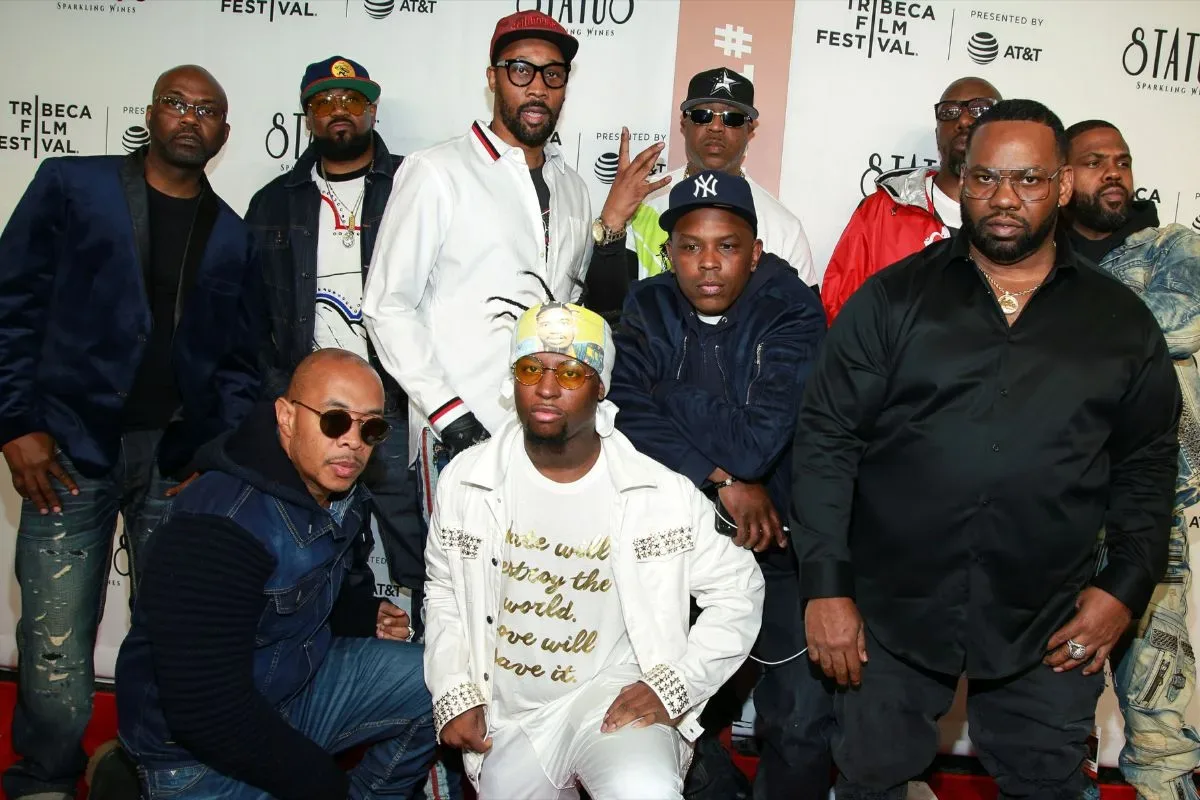
Wu-Tang Clan and Bone Thugs-N-Harmony represent distinct, enduring schools of hip-hop group artistry. A bill linking their worlds carries obvious historical weight, even before considering the practical appeal of hearing veteran performers in front of audiences that know the records. That is why Layzie’s absence has become more than a routine touring-lineup note.
On the current dates, Krayzie Bone, Wish Bone and Flesh-n-Bone are carrying the Bone Thugs-N-Harmony banner. It is still a lineup containing voices central to the group’s sound and history. At the same time, Layzie’s statement highlights a tension familiar to many long-running music acts: a touring version of a group can be workable on a given night while still leaving audiences to wonder about the people who are missing.
There is no indication in Layzie’s remarks that he wants to abandon Bone Thugs-N-Harmony. Quite the opposite: he repeatedly emphasized his affection for the other members and his desire not to damage the name they created together. He said he had remained quiet because he did not want to disrespect or undermine the brand. In his telling, protecting the group’s legacy and expressing hurt over the decision are not contradictory impulses.
That restraint is notable because public disputes around veteran groups can easily become a cycle of accusations and counterclaims. Layzie has voiced his version of events, but he has stopped short of turning his disappointment into a declaration that the collective is finished. His position is closer to a demand for clarity than a public farewell.
Old strains, newly visible
Internal conflict is not a new topic in Bone Thugs-N-Harmony’s history. The group has weathered long-running divisions and periods when the full lineup did not record or perform together. Those earlier fractures are part of the backdrop to the present moment, rather than a complete explanation for it.
Bizzy Bone’s past struggles with substance abuse and unpredictable behavior contributed to tensions that, at one point, led the group to work as a trio. One notable result was Bone 4 Life, a 2005 EP released online. Flesh-n-Bone also spent more than eight years in prison after being convicted of assault with a deadly weapon connected to a neighborhood dispute. Those events affected how and when the group’s members could work together, and they illustrate the pressures that have followed the act through different eras.
Still, history should not be used as a shortcut to fill in missing details about the current situation. The available account confirms that Layzie and Bizzy are off these Wu-Tang dates while Krayzie, Wish and Flesh are performing them. It does not confirm that the same causes behind past disagreements are responsible now. Fans can recognize the familiar pattern of instability without pretending the present disagreement has already been fully explained.
The situation also underlines the unusual burden of an iconic group name. A solo artist can change direction without having to negotiate five decades of shared memories, credits, expectations and personal relationships. A collective must manage all of that at once. Every absence becomes meaningful because fans have invested in the chemistry between specific performers, not merely in a logo on a tour poster.
Why Layzie’s merchandise detail resonates
Among Layzie’s comments, the detail about ordering merchandise may be the most revealing. It suggests that he had planned not only to appear onstage but to participate in the full ecosystem surrounding a tour: signing items, meeting fans and representing the group directly. In other words, he says he was planning for an active role rather than waiting on the margins for a possible invitation.
That is also why the dispute has an emotional dimension beyond a missed set. Merchandise, meet-and-greets and travel preparations are mundane evidence of commitment. They turn an abstract claim of readiness into a picture fans can understand. Layzie says he had already taken those steps when he learned he would not be included.
For collectors, this is a reminder that physical music items are often tied to a particular moment and lineup. A signed CD or tour shirt can become a snapshot of who was present, who promoted the event and how an act represented itself at that point in time. It does not resolve the disagreement, but it helps explain why Layzie’s reference to albums and apparel carries more meaning than a simple packing-list complaint.
Joking Joystick’s wider pop-culture coverage often follows how major franchises manage history, identity and changing personnel; similar questions surface in this look at uncertainty surrounding the future of The Matrix. Music groups operate under different circumstances, but the audience instinct is recognizable: people care deeply about who is participating in the next chapter of something they have followed for years.
What remains unresolved
Layzie’s public account leaves several key points unanswered. There is no stated reason from the other Bone Thugs-N-Harmony members for why he was left off the dates. There is also no indication that the current three-member configuration is permanent, nor is there confirmation of whether Layzie and Bizzy might participate in future performances. The only clear facts are the present lineup and Layzie’s contention that he was willing to go.
His remarks ultimately balance grievance with loyalty. He says he feels excluded from a significant moment, believes he has helped hold the group together through years of adversity, and wants answers. But he also insists his love for his fellow members remains intact and does not want to tear down the legacy he spent decades building.
For now, Bone Thugs-N-Harmony’s story continues on two tracks at once: a three-member live configuration performing alongside Wu-Tang Clan, and an unresolved internal question involving two absent members. That contrast is uncomfortable precisely because the group’s enduring appeal has always depended on the force of its combined voices.