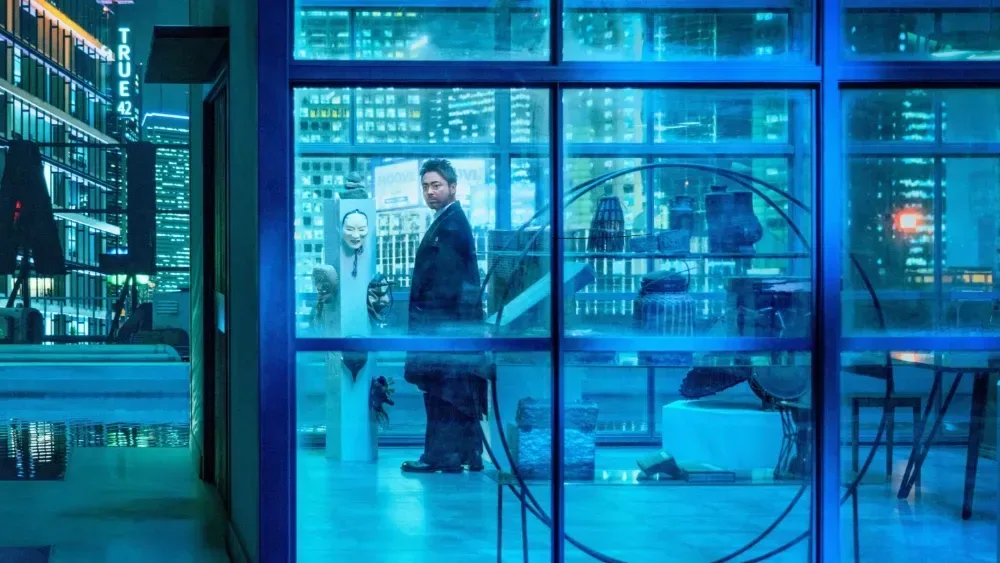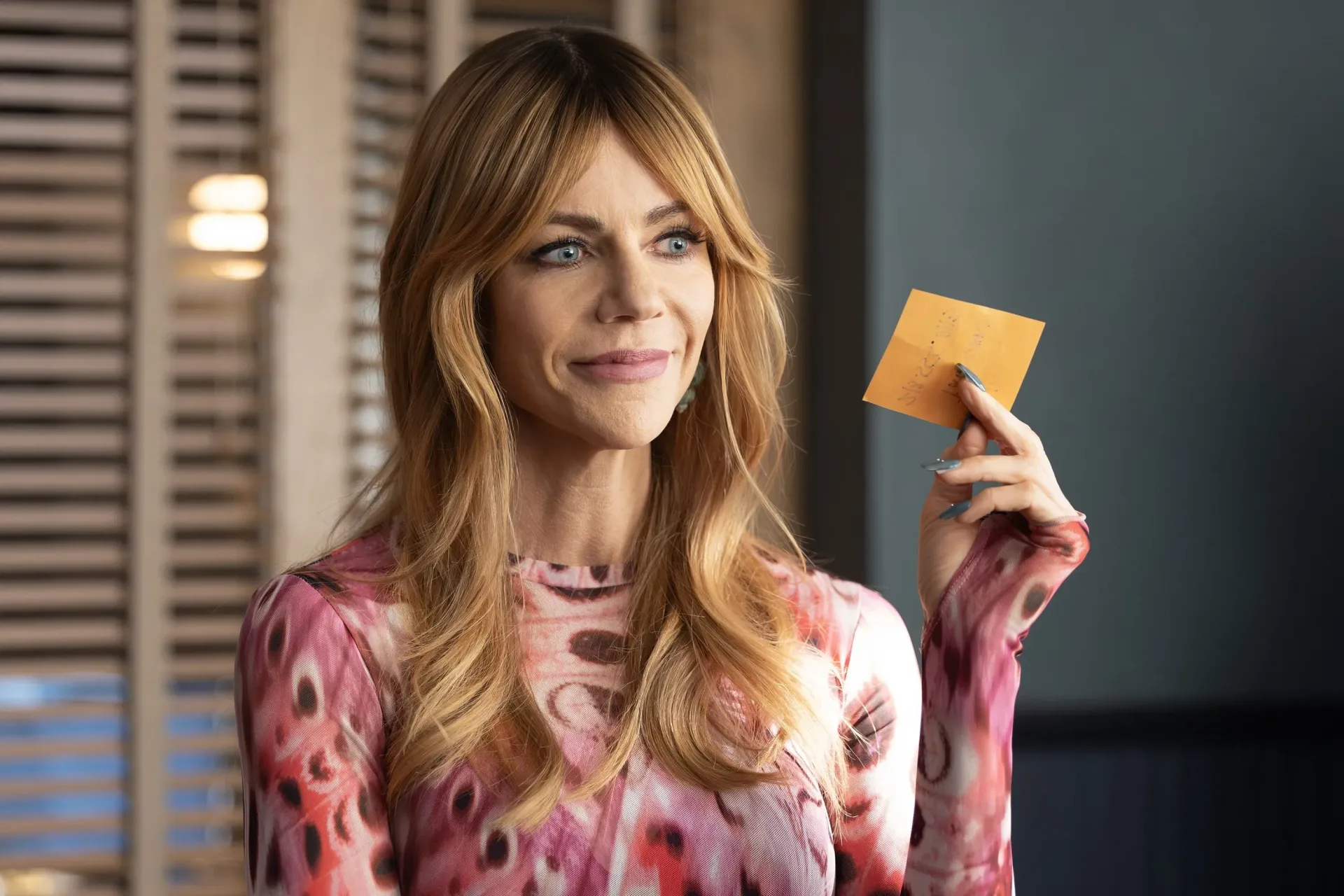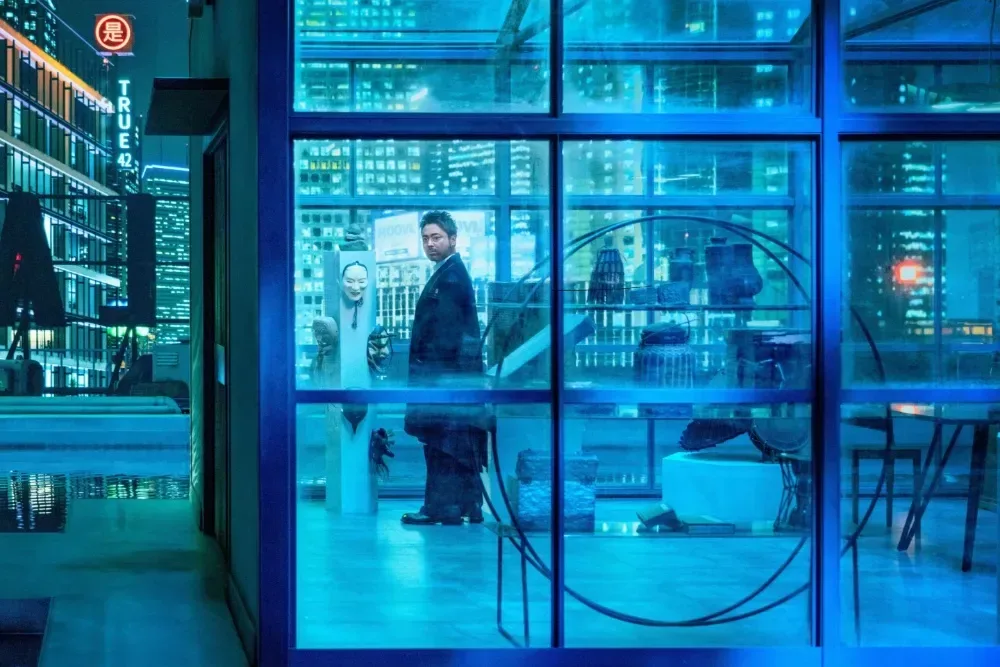
Night Tales Club, a six-part Japanese supernatural anthology, is set to premiere on Disney+ and Hulu in January 2027. The series brings together seven directors, including Cure filmmaker Kiyoshi Kurosawa and Ju-on director Takashi Shimizu, with Takayuki Yamada starring as its central storyteller, Hojo.
The premise puts a conspiratorial spin on the classic fireside-ghost-story setup. Hojo is a successful businessman obsessed with unexplained events, but he does not treat ghosts, curses or hauntings as merely supernatural phenomena. He views them as “bugs”: glitches in reality that could expose a much larger hidden conspiracy.
To investigate, Hojo convenes the Night Tales Club and offers JPY20 million in gold, described as roughly $126,000, to anyone who can supply a firsthand paranormal experience and evidence to support it. The six accounts brought to that gathering form the series’ six episodes, while Hojo’s attempt to connect their implications provides the ongoing thread.
A horror anthology with a shared mystery
An anthology is a series built from distinct stories rather than one uninterrupted plot. In television, that can mean a new cast, setting and conflict each episode. Night Tales Club appears to use a hybrid form: every installment adapts a different short horror story, but Hojo and the club framework give the collection a continuing center.
For more context, explore Why When an Autograph Was Signed Can Matter More Than the Ink Itself.
That distinction matters for prospective viewers. The individual cases can pursue different kinds of fear—ghosts, curses and other paranormal disturbances are all part of the stated setup—without requiring every episode to use the same tone or scenario. At the same time, Hojo’s belief that these incidents are connected means the show has an overarching question: are the strange experiences isolated events, or evidence of the conspiracy he suspects?
The JPY20 million reward also gives the framing device an unusual practical tension. A storyteller is not simply invited to share a creepy memory; they are being asked to make a claim, bring proof and potentially win gold. That makes credibility part of the drama. Hojo wants witnesses, but his theory creates an obvious reason to question what is being presented, how it is being interpreted and whether the evidence can bear the weight he puts on it.
For an anthology, this is a useful storytelling engine. It creates a reason for six separate tales to occupy the same series while leaving room for uncertainty. The available details do not establish how conclusively the show will answer its central mystery, but Hojo’s investigation gives each account consequences beyond its own episode.
Seven directors, six stories and Hojo’s connecting scenes
Kurosawa and Shimizu will each direct an episode. They are joined by Shinzo Katayama, Yukiko Sode, Yuichiro Sakashita and Yosuke Nakamura, who also each direct an installment. Kenji Nakajima directs the Hojo sequences that bind the tales together.
- Kiyoshi Kurosawa — Cure and Wife of a Spy
- Takashi Shimizu — Ju-on and The Inugami Family
- Shinzo Katayama — Gannibal and The Human Vapor
- Yukiko Sode — Aristocrats and All the Lovers in the Night
- Yuichiro Sakashita — I Can’t Cry With Your Face and Blonde
- Yosuke Nakamura — Higuma!! and Poison Girl
- Kenji Nakajima — the Hojo material, with prior credits including The Naked Director and Tokyo Swindlers
The format makes the director lineup more than a credits-list curiosity. A single-director serial usually benefits from a consistent visual and dramatic approach across a season. Here, the design appears to actively accommodate variation: six stories may receive six distinct directorial perspectives, while Nakajima’s Hojo segments are positioned to preserve continuity between them.
That separation can be particularly valuable in supernatural horror. Some tales may depend on ambiguity, withholding confirmation of what happened. Others may emphasize a curse, an apparition or a more overtly uncanny occurrence. The premise does not promise a particular style of horror, but assigning separate stories to separate filmmakers gives the anthology permission to shift its approach from case to case.
It also means the club scenes will carry a substantial structural burden. They need to establish why these disparate witnesses have arrived, what Hojo considers proof and how the stories feed his broader theory. Nakajima’s role is therefore central even though the individual horror stories are divided among the other directors.
Sawamura Ichi adapts his own short stories
Each episode is based on a different story from a short-horror collection by Sawamura Ichi, who has also adapted the material for the screen. That gives the project a direct connection between the original fiction and its television version.
Short stories and episodes do not function identically. A prose story can end at the most unsettling revelation, linger on an implication or leave a key detail unexplained. Screen adaptation has to turn that material into scenes, performances and an episode-length dramatic shape. Since Sawamura is handling the adaptation, the series has the opportunity to retain the core ideas of the stories while tailoring them to the shared Night Tales Club framework.
The available information does not identify the six stories or describe their individual plots. It does, however, make clear that the show is not a single narrative stretched across six episodes. Its basic unit is the self-contained tale, with Hojo’s pursuit of a larger answer linking those tales together.
“As the original author of these stories, I feel an enormous sense of surprise and joy that they will soon be available on screen to scare audiences around the world,” Sawamura said.
Wakabayashi Yusuke and Yamamoto Teruhisa are producing the series.
What is confirmed—and what viewers should not assume
There is already enough information to define the project clearly: it is a six-part Japanese supernatural-horror anthology, it will debut in January 2027 on Disney+ and Hulu, Yamada plays Hojo, and seven directors are attached across the story episodes and framing material. The show’s central device is a club where witnesses offer accounts and evidence in pursuit of a gold reward.
Several details have not been specified. No episode titles, individual casts, release-day schedule or precise launch date have been provided in the material available. Nor is there a description of how much of each episode occurs at Hojo’s gathering versus inside the account being told. Those are meaningful differences for a series that could range from a largely self-contained anthology to a more serialized mystery with standalone horror chapters.
For now, the most accurate expectation is that Night Tales Club will balance two modes. One is the immediate appeal of six separate supernatural stories. The other is the accumulating investigation driven by a protagonist who regards the paranormal as evidence of a malfunctioning world. The show’s key creative test will be whether those cases feel satisfying on their own while also making Hojo’s bigger theory more compelling.
Where Night Tales Club sits in the streamer’s Japanese slate
Night Tales Club joins an expanding Japanese lineup that already includes Gannibal, a series about a police officer uncovering something disturbing in a remote village, and Land of Tanabata, which follows a college student with a seemingly useless ability investigating a murder. The service’s Japanese programming also includes the cross-cultural romantic comedy Merry Berry Love and the comedy-variety program The One Shot.
The immediate overlap is strongest with Gannibal, not because the shows share a stated plot or format, but because Katayama is part of the Night Tales Club directing team and both projects sit in darker territory. Night Tales Club, however, is defined by its anthology design and its evidence-driven club premise rather than a single investigator entering one isolated community.
Its arrival also illustrates how a global platform can present Japanese genre work in a format accessible to newcomers. An anthology allows audiences to sample individual stories without first learning a large fictional universe, while the Hojo material offers a recurring hook for those who want a season-long puzzle. Whether the separate accounts ultimately support or undermine his “bugs” theory remains the show’s central unanswered question.
January 2027 is the only announced release window at present. Viewers looking for a concise overview of the confirmed platform timing can also see the January 2027 Disney+ and Hulu debut details.