Nicolas Cage has offered a typically vivid assessment of the Marvel Cinematic Universe, describing it as a “well-funded and glorified WWE” while speaking at Fan Expo Dallas. It is a sharp line, but not quite a dismissal. Cage prefaced it by saying he meant it “with love,” and his wording is aimed less at superhero fiction as an idea than at the machinery of blockbuster spectacle: famous performers in elaborate costumes, positioned for another major fight sequence.
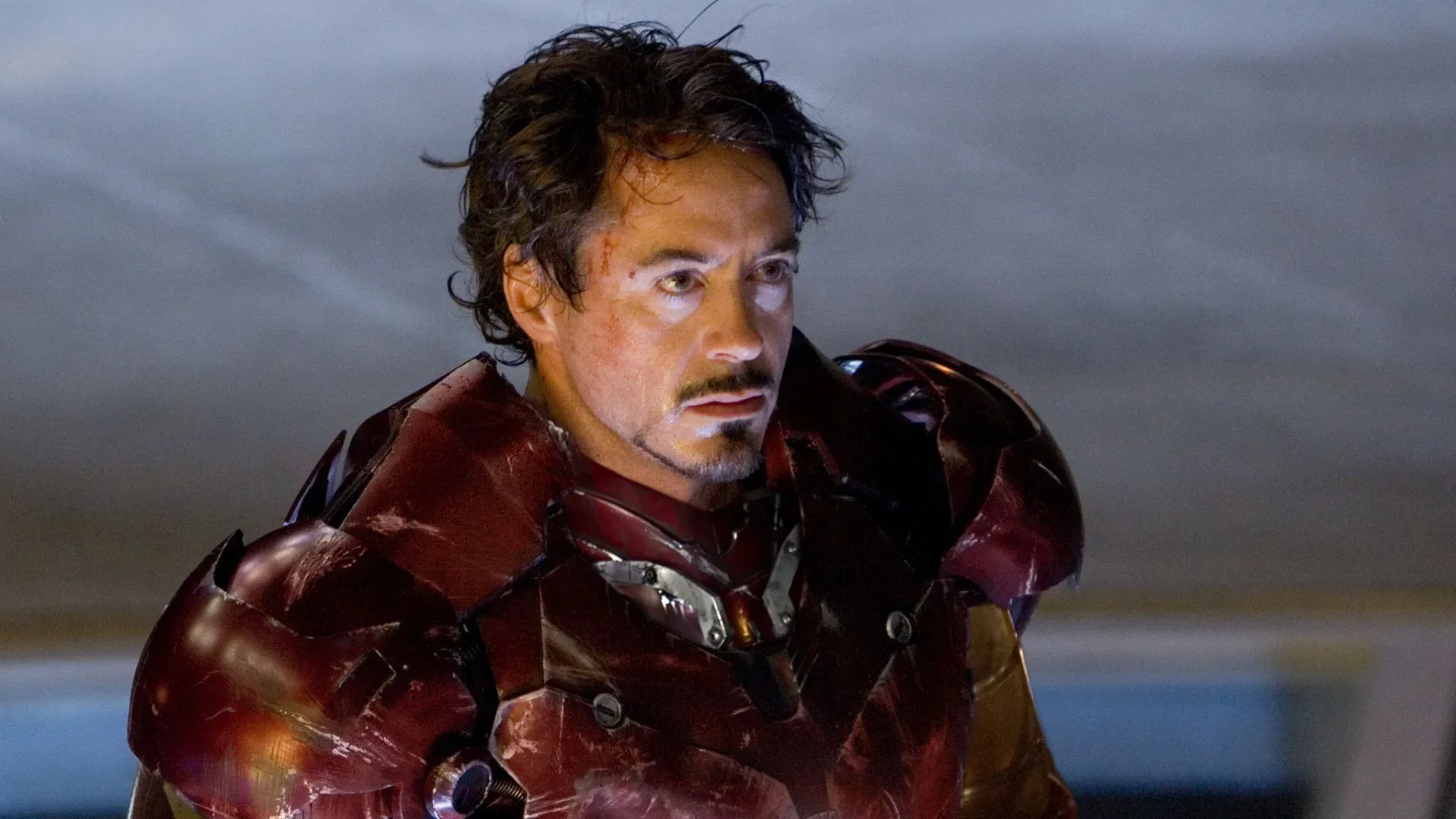
“When I see these 50-plus, otherwise intelligent, remarkably gifted thespians putting on these ridiculous outfits and getting ready for the fight — and let’s face it, it’s cutting all to the fight — it’s hard for me not to be reminded that the MCU is becoming a well-funded and glorified WWE,” Cage said.
The observation has particular bite because Cage is not an outsider throwing rocks at capes from a safe distance. His screen history includes Marvel-adjacent characters, DC characters, comic-book adaptations and animated superhero work. That gives the remark an amusing contradiction, certainly, but also makes it a more interesting criticism. Cage knows that a ridiculous outfit can be part of the job. His objection, if his phrasing is taken seriously, is not simply that costumes are silly. It is that the costume-to-fight pipeline can overwhelm what gifted actors might otherwise bring to a role.
What Cage appears to mean by the WWE comparison
The WWE reference should be read as a metaphor, not as a literal claim that Marvel movies and professional wrestling are the same medium. Cage is pointing to a shared language of heightened performance: recognizable personas, visually unmistakable gear, physical confrontations treated as marquee events, and the sense that an audience is being invited to cheer a larger-than-life entrance before the bell rings.
In that comparison, “well-funded” does a lot of work. Cage is acknowledging scale. The MCU is Hollywood’s largest-grossing franchise, and its productions can place major acting talent inside meticulously designed action sequences. “Glorified,” meanwhile, is the barb. It suggests prestige dressing applied to a fundamentally fight-forward format: expensive suits, celebrated casts, effects-heavy staging and enormous cultural visibility, all pointed toward the next showdown.
There is also a complaint about emphasis. Cage says the work is “cutting all to the fight,” which can be understood as criticism of a storytelling rhythm where scenes are ultimately organized around combat payoff. In film editing terms, a cut is the transition from one shot to another. Cage is not delivering a technical lecture about editing; he is describing a narrative impulse. However emotional, comic or character-driven the material begins, he sees it being steered back toward the action set piece.
That is a fair subject for debate without requiring a blanket verdict on every Marvel project. A shared cinematic universe can contain different tones, characters and approaches. But Cage’s point is plainly about what he perceives as the dominant public-facing image: star performers, conspicuous costumes and battles with the weight of headline attractions.
The Ghost Rider factor makes this more than a drive-by critique
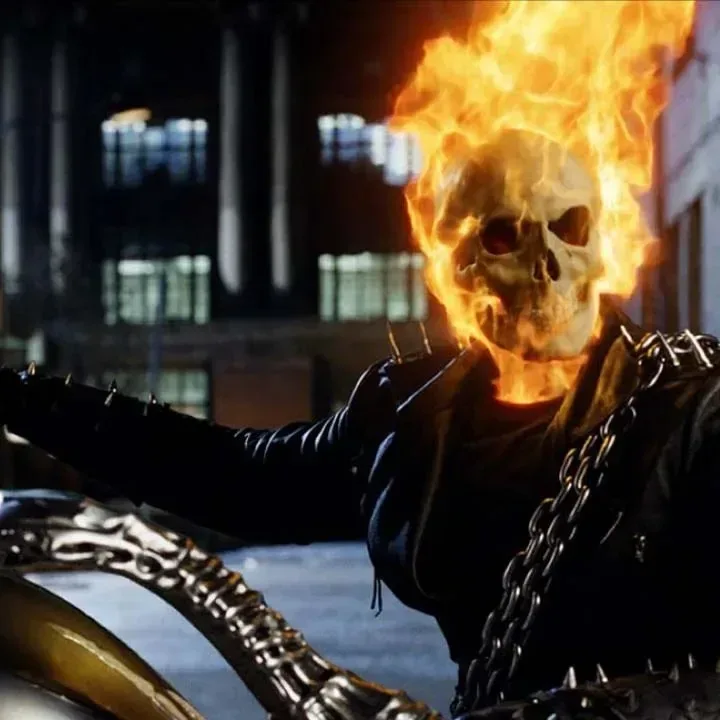
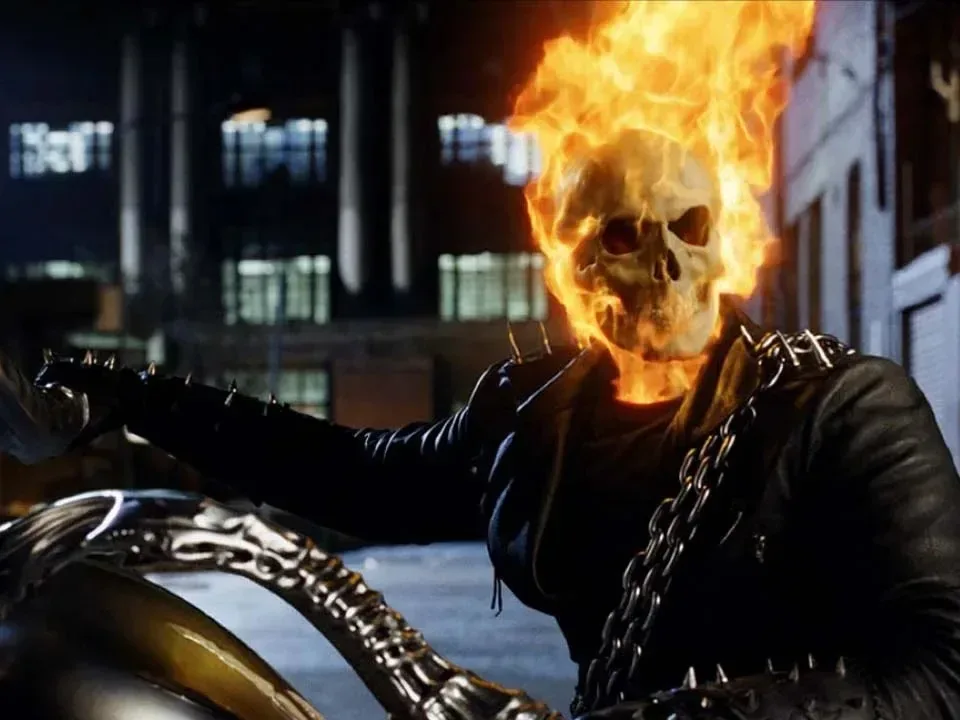
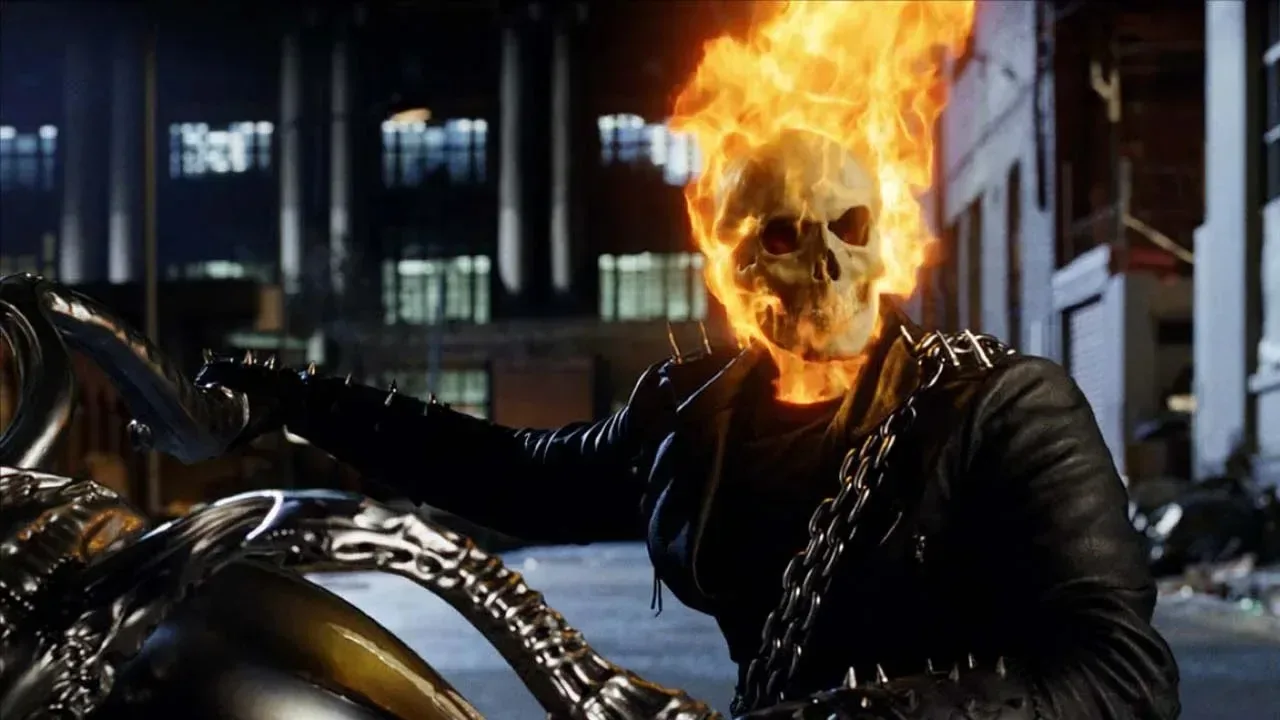
Cage’s comic-book résumé makes it hard to frame these remarks as straightforward superhero fatigue. He played Johnny Blaze in Ghost Rider and returned for Ghost Rider: Spirit of Vengeance. He also played Big Daddy in Kick-Ass, a comic-book adaptation whose heightened violence and stylized costuming are very much part of its identity.
Those credits matter because they show an actor comfortable with extremes. Cage has not avoided strange wardrobes, pulp intensity or broadly theatrical characters. On the contrary, those qualities have often fit his screen persona. The funniest reading of his MCU line is therefore obvious: a performer who has worn some memorably outlandish comic-book gear has noticed that other performers are wearing outlandish comic-book gear.
But the contradiction does not make the point meaningless. Someone with direct experience in superhero adaptations is positioned to recognize both the pleasures and limitations of the form. Cage’s comment can coexist with affection for it. His “with love” qualifier is important precisely because he has participated in the spectacle he is describing.
His superhero history also includes one of the genre’s most famous unrealized casting stories. Cage was set to play Superman in Tim Burton’s ultimately scrapped Superman Lives. He later appeared as Kal-El in an episode of The Flash. That combination has long made him a compelling alternate-history figure in comic-book cinema: an actor deeply associated with a Superman project that never reached audiences, yet still connected to the character in a later appearance.
Calling the MCU a polished wrestling-style attraction, then, does not signal that Cage has spent his career positioned against mainstream comic-book entertainment. His career has repeatedly intersected with it.
Animation complicates the picture further
Cage’s work in animation adds another layer to the story. He voiced Superman in Teen Titans GO! To the Movies, Dr. Tenma in Astro Boy, and Spider-Man Noir in Spider-Man: Into the Spider-Verse. The Spider-Man Noir role is especially notable because Cage later reprised it for this year’s live-action Spider-Noir, a project he has spoken positively about.
That matters because it points away from a simple “superheroes are beneath me” interpretation. Cage has continued to engage with comic-book-derived material, including one of its more stylized characters. Spider-Man Noir is not a retreat into realism; the name itself signals a deliberately heightened version of the character. Cage’s interest in that role is evidence that he can still see creative appeal in comic-book worlds even while questioning an industrial preference for perpetual battle spectacle.
It may be more accurate to separate two things that are often bundled together: superhero characters and superhero-franchise presentation. The first can support wildly different moods, from animation and parody to horror-inflected revenge stories, noir and broad family comedy. The second is the repeatable blockbuster package Cage is describing—big names, signature costumes, escalating stakes and action as a central event.
Why the comment lands now
Superhero discourse often defaults to a false choice: either defend every major franchise release as pure entertainment or declare the entire form exhausted. Cage’s remarks are more useful than that binary because they identify a specific sensation: the feeling that an actor’s presence is being folded into a promotional machine built around gear, poses and fights.
Whether viewers agree will depend on what they want from these films. Some audiences regard the recognizable suit and climactic confrontation as essential pleasures, not evidence of creative compromise. Wrestling itself is an especially loaded comparison because its theatricality is its point. A larger-than-life character entering in iconic attire to settle a conflict through physical performance is not an accident of the format. It is the attraction.
Others may recognize the concern that this framework can flatten performers into brand-compatible combatants. Cage’s use of “otherwise intelligent” and “remarkably gifted” makes the contrast explicit: he sees a gap between the actors’ capabilities and the limited kind of spectacle he believes the MCU increasingly asks them to serve.
Neither side needs to pretend that spectacle and acting are mutually exclusive. A costumed role can require emotional precision, comic timing, physical discipline and a clear understanding of character. The question raised by Cage is one of proportion. When the next fight becomes the organizing destination for the movie, do the performances retain room to be surprising?
A Cage quote that invites disagreement, not a casting rumor
The immediate practical takeaway is modest. Cage has voiced a memorable criticism of the MCU, but he has not announced retirement from comic-book projects, nor has he ruled out every future superhero role. His continuing connection to Spider-Man Noir alone makes a definitive anti-superhero reading difficult to support.
It also does not provide grounds to expect a Marvel cameo. Speculation around a possible appearance in Avengers: Secret Wars remains speculation, and Cage’s comments should not be converted into a casting report. If anything, the quote encourages restraint: an observation about franchise spectacle is not the same thing as news of negotiations, an offer or a role.
For fans, the enduring value of the moment is its precision and its irony. Cage is a performer whose comic-book history stretches from Ghost Rider’s flaming skull to Superman possibilities and Spider-Man Noir’s shadowy stylization. He understands the attraction of going big. His WWE comparison says that Hollywood’s biggest superhero franchise may be going big in a way he finds unmistakable—and perhaps a little too eager to ring the bell.
That kind of blunt creator commentary remains part of the fun of pop-culture conversation. For another example of a major filmmaker taking aim at a familiar genre legacy, see our coverage of John Carpenter’s criticism of 2011’s The Thing.