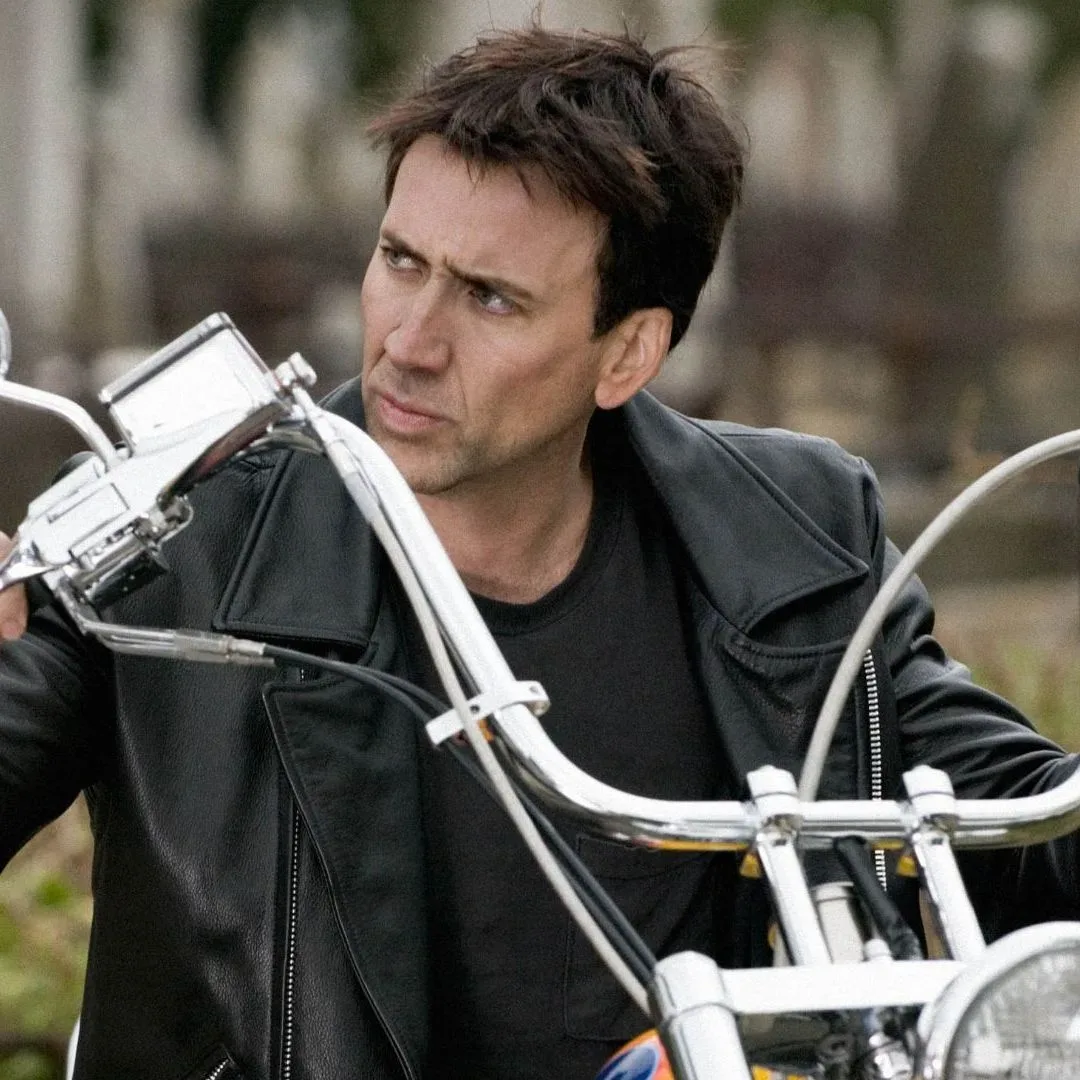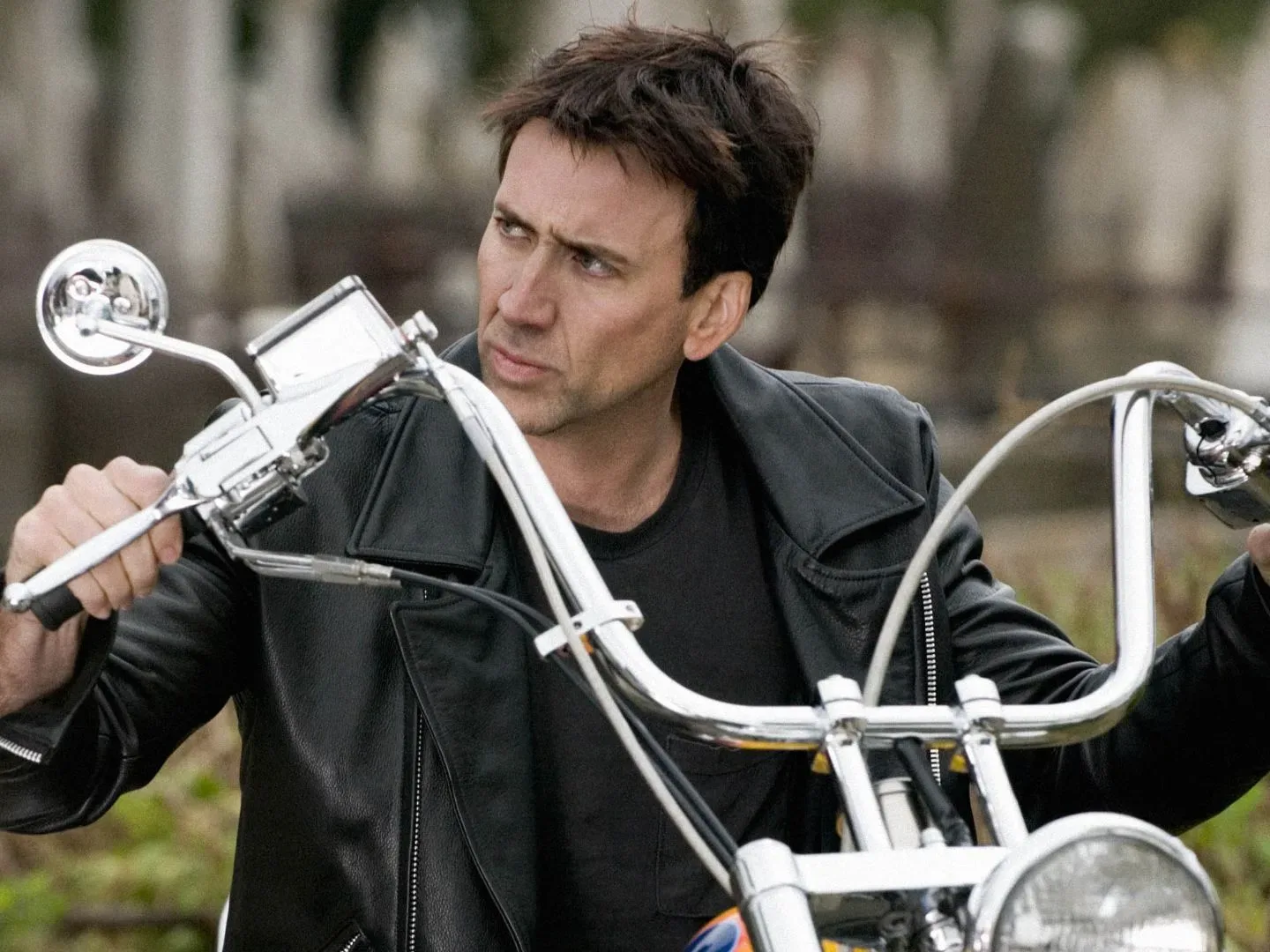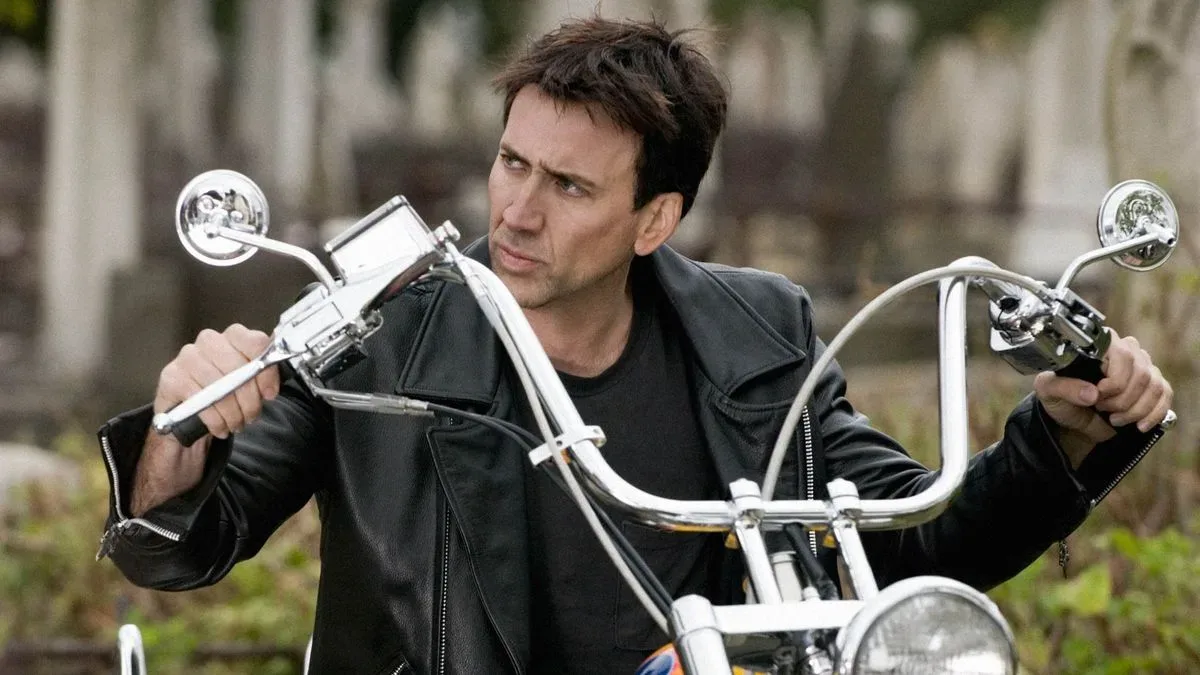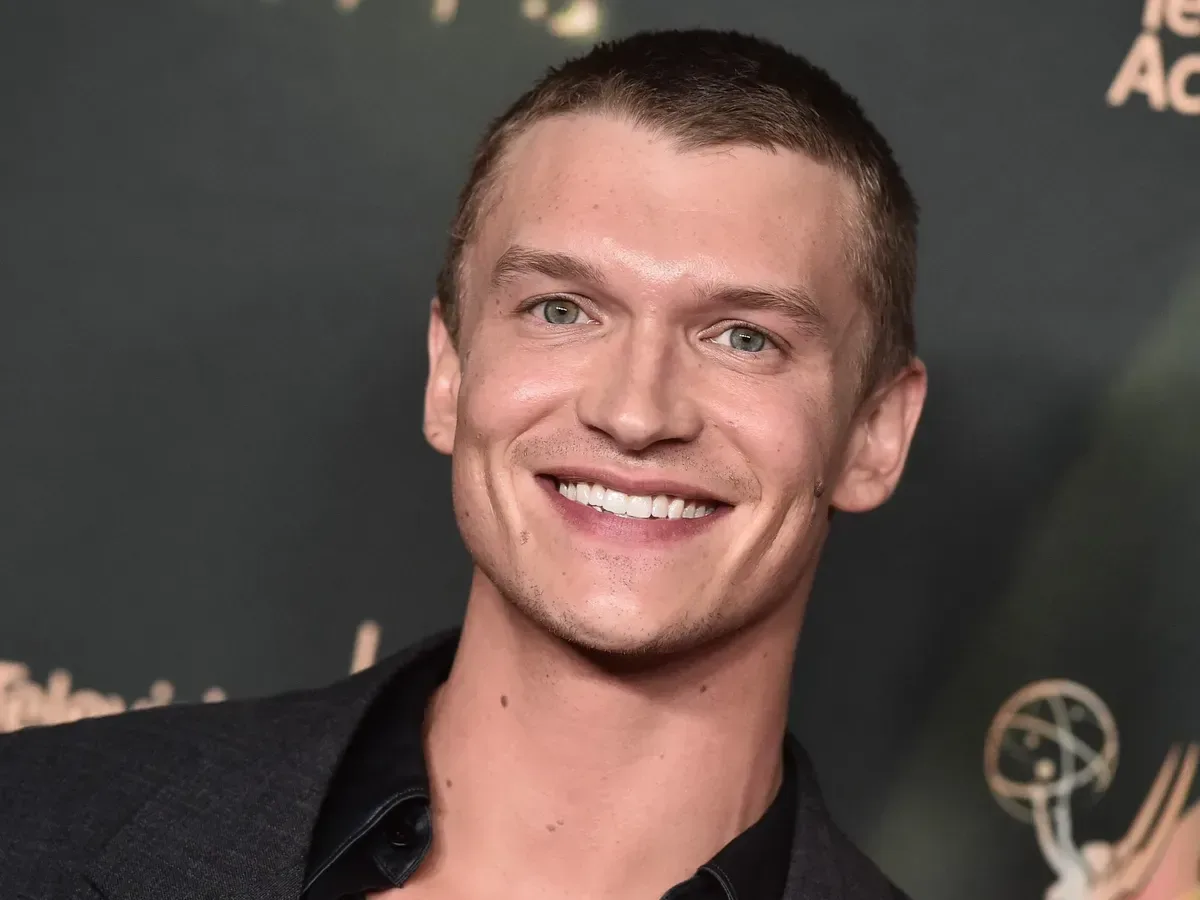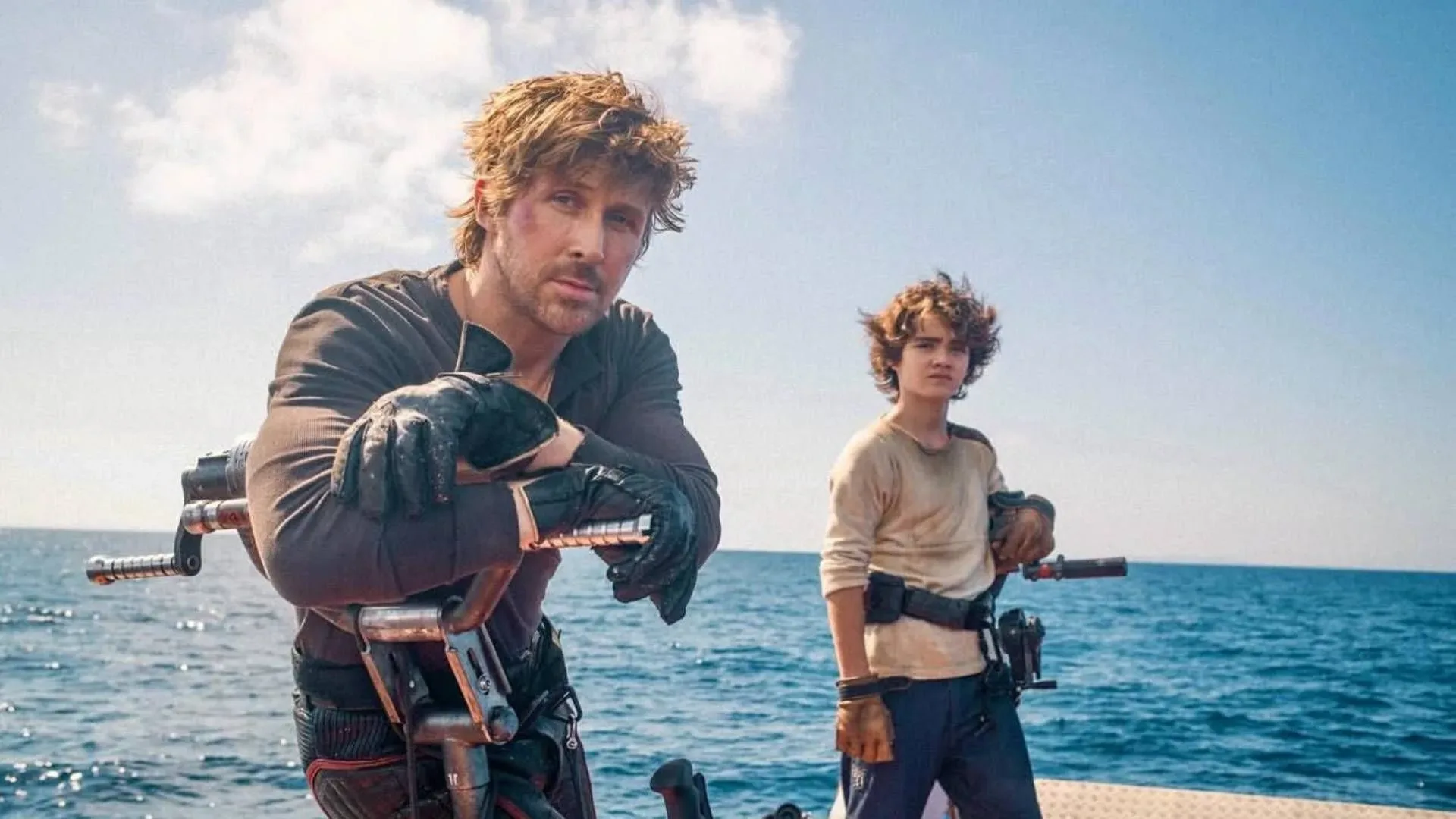
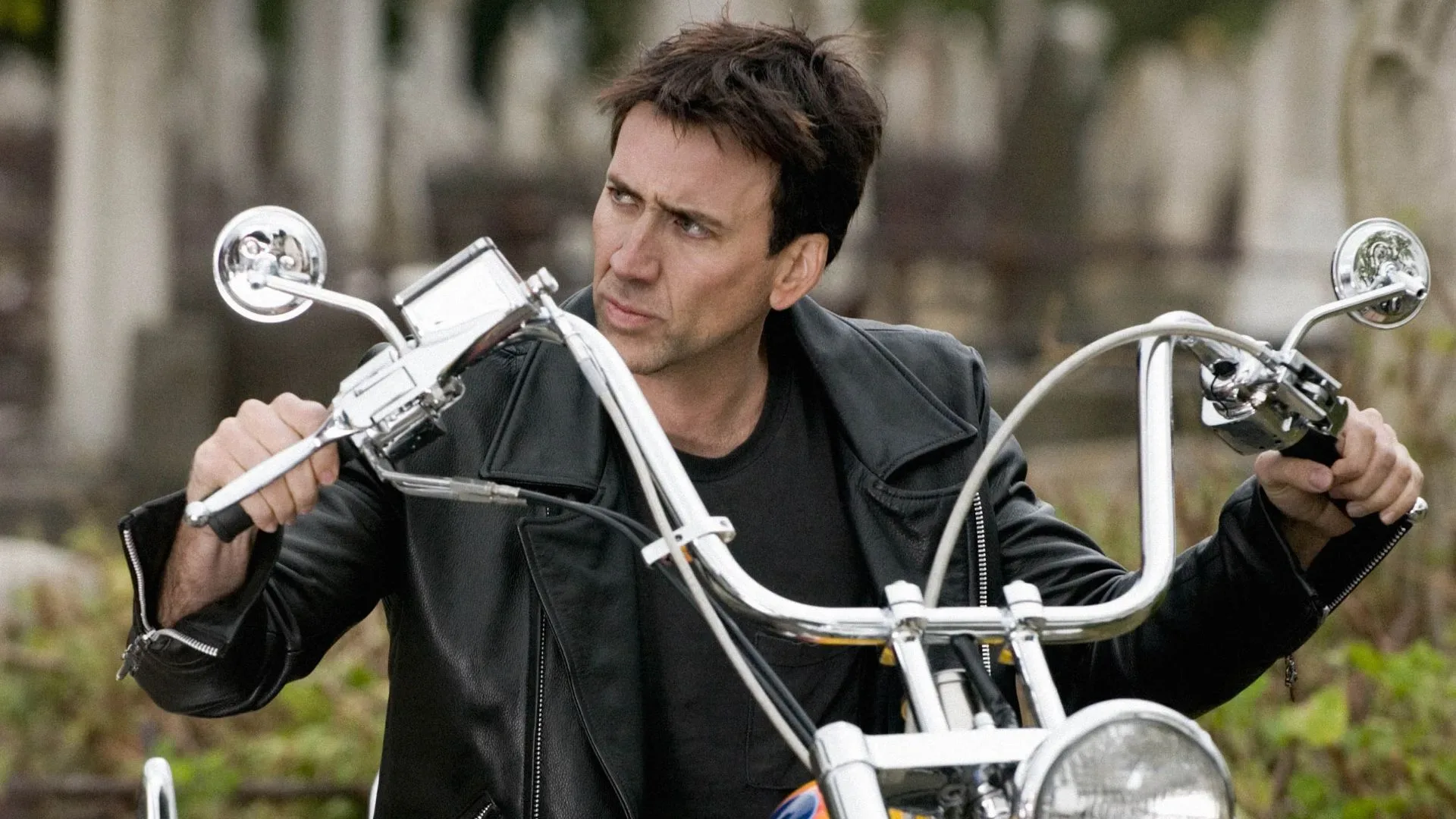
Nicolas Cage has given Ryan Gosling a gracious handoff of the flaming skull. Cage, who played stunt motorcyclist Johnny Blaze in Ghost Rider and its sequel, says he is happy for Gosling and is eager to see what the actor does with Marvel’s next big-screen take on the character.
“Ryan’s going to do his thing with it, and I’m looking forward to seeing it,” Cage said. He added that he had already congratulated Gosling, describing their relationship as one built on good conversations and mutual admiration. Cage said he wished Gosling luck with the new adventure and looks forward to the eventual film.
It is a notably warm response from an actor whose version of Ghost Rider is still inseparable from the character’s modern film identity. The new movie does not erase those earlier movies, nor has Marvel revealed how directly it will connect to any previous screen version. Still, the public endorsement establishes the simplest possible message: Cage sees Gosling’s performance as a new interpretation, rather than a contest over who owns the chain, leather, motorcycle and combusting cranium.
A new rider, with a long cinematic shadow
Cage starred in 2007’s Ghost Rider as Johnny Blaze, a stunt rider who makes a deal with the Devil to save his father. Years later, Blaze gains supernatural abilities and is drawn into a battle involving the Devil’s son, Blackheart. The film framed Blaze’s transformation as an origin story: a human bargain carries a terrible supernatural cost, and a flaming-skulled avenger becomes the consequence.
He returned in 2012’s Ghost Rider: Spirit of Vengeance. Blaze has not appeared on movie screens since then, making Marvel’s forthcoming project the first major big-screen Ghost Rider film in a long stretch. That gap gives the new production room to establish its own visual language and dramatic focus, while also ensuring audiences will compare Gosling’s performance to Cage’s deliberately heightened take.
There is also a small real-world connection between the old and new eras. Eva Mendes played Blaze’s love interest in the 2007 film; Mendes is Gosling’s wife. It is an unusual overlap, but it should not be mistaken for evidence of a story connection. No plot details have been announced for the forthcoming movie, and there is no confirmation that any character or event from the Cage films will return.
What Marvel has actually confirmed
Marvel announced a new Ghost Rider film at San Diego Comic-Con 2026. Shawn Levy is set to direct, with Jonathan Tropper attached as writer. The film is scheduled to arrive in theaters on July 28, 2028, and is expected to begin production in New York next year.
Those are the central facts available so far. Everything else that viewers may want to know—who exactly Gosling is playing, the story’s place in the wider Marvel Cinematic Universe, its rating, the supporting cast, the villain’s identity and whether this is a full reboot or a new continuity—remains unannounced.
That distinction matters with a property such as Ghost Rider. “MCU” is shorthand for Marvel’s shared screen universe, where stories can potentially intersect with other films and series. It does not automatically explain whether a character’s older films are being carried forward, replaced or simply left separate. Until Marvel outlines the movie’s premise, calling it an origin story, a continuation or a legacy sequel would be speculation.
Comic-book movie scheduling is also fluid by nature. A theatrical date and intended production window offer an outline of the plan, but they are not a substitute for a confirmed cast list or story synopsis. For now, the most useful read is narrow: the project has named creative leadership, a star identified with the role, a targeted production start and a release date.
Johnny Blaze is only one part of Ghost Rider’s comic-book legacy
Johnny Blaze first appeared in Marvel Comics in 1972. The character’s basic iconography is instantly readable: a skull engulfed in flame, a blazing motorcycle and supernatural power turned against criminals. His methods are violent, and the horror-adjacent imagery is a meaningful part of why Ghost Rider occupies a different space from many conventional cape-and-mask heroes.
That foundation presents a useful creative choice for the new film. Ghost Rider can be approached as a supernatural action story, a tragic tale about a cursed man, a road-bound revenge movie, or a blend of those elements. The available information does not reveal which direction Levy and Tropper are taking. But the character’s design naturally invites questions about tone: how frightening should the transformation be, how much emphasis should sit on the human behind it, and how much should the motorcycle-driven spectacle lead the experience?
Those questions are not answered simply by putting a recognizable actor in the lead. Gosling’s casting signals a fresh screen face for the franchise, but it does not itself settle the creative approach. Cage’s statement is useful precisely because it avoids trying to define that approach for him. “Ryan’s going to do his thing with it” acknowledges that a new actor should be allowed to find a different rhythm for a character with a very unusual premise.
Danny Ketch talk is just talk, for now
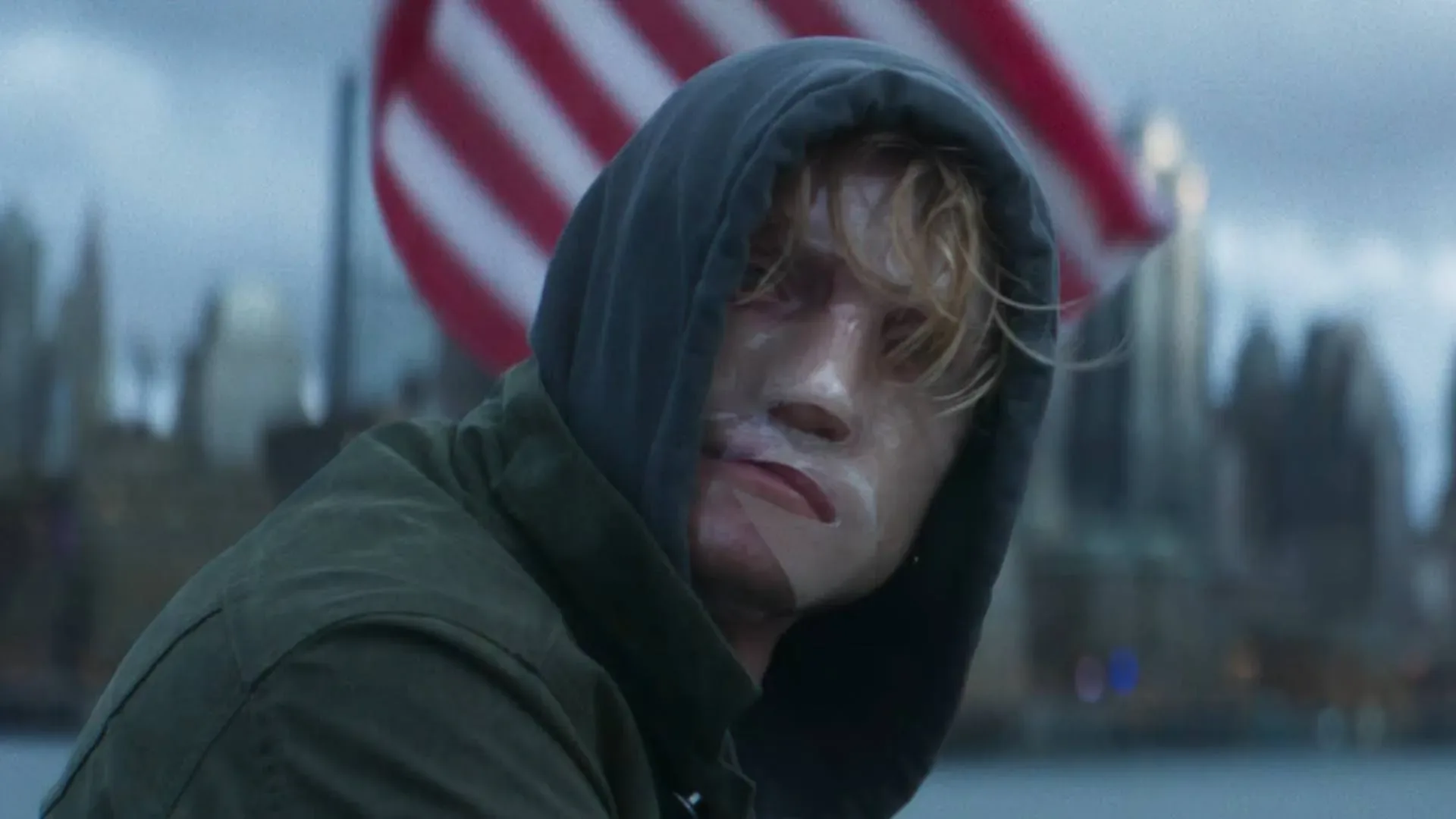
Connor Storrie is in talks to play the film’s villain. Some fans have suggested that he could be Danny Ketch, a figure connected to Johnny Blaze in the comics and also a Ghost Rider. That possibility has not been confirmed.
“In talks” is an important term here. It means a performer is being discussed for a part, not that Marvel has announced a completed deal. Likewise, fan theories can be a fun way to trace comic-book possibilities, but they are not casting confirmation or plot evidence. The same caution applies to any assumption that the movie will adapt a particular comic storyline just because it uses a familiar name.
There is a practical reason audiences are latching onto the Ketch idea. Ghost Rider’s history is not restricted to a single host or a single interpretation of the supernatural mantle. Introducing another rider could immediately broaden the film’s mythology. Yet it could just as easily complicate a movie that might instead want to introduce Gosling’s version of the central character cleanly. With no synopsis available, both readings remain possible, not established.
The value of a clean creative handoff
Franchise transitions can attract a predictable cycle of argument: whether a new actor should imitate what came before, discard it entirely, or find an uneasy midpoint. Cage’s response cuts through that tension. His support neither promises a cameo nor indicates that Marvel will incorporate his films. It simply gives the incoming lead room to make an individual performance.
That approach fits a character who has repeatedly been reimagined across media and eras. A recognizable premise is not the same thing as a locked template. The flame, the bike and the curse offer continuity; the personality, emotional stakes and world around them can change considerably. For audiences, that means Cage’s films remain their own reference point without becoming a checklist Gosling must reproduce.
The wider comic-book movie landscape is already full of projects that are redefining familiar characters on their own timelines. For a separate example of how placement and continuity can become part of the conversation before release, DC’s announced placement for Clayface has generated similar interest in what a date and setting imply. Ghost Rider currently offers far fewer story specifics, so claims about its universe placement should be treated with particular restraint.
What to watch as production approaches
The next meaningful Ghost Rider updates will be the ones that sharpen the movie beyond its headline casting. A formal confirmation of Gosling’s specific role would be significant, particularly because the current information does not explicitly establish whether this is Johnny Blaze or another incarnation of Ghost Rider. Confirmation of Storrie’s involvement and character would similarly resolve the Danny Ketch speculation—or redirect it entirely.
A synopsis will matter most. It can clarify whether Marvel is revisiting the kind of bargain-and-transformation structure used in the 2007 film, or starting with a Ghost Rider who already understands the curse. It may also show how much the story foregrounds the character’s horror roots, criminal targets and demonic powers.
Until then, Cage’s comments are the clearest human note in a project still defined by broad strokes. The former Johnny Blaze has reached out to the actor following him, expressed confidence in his ability, and said he wants to watch the result. For a series built around a curse passed through fire, that is about as close to a friendly blessing as it gets.