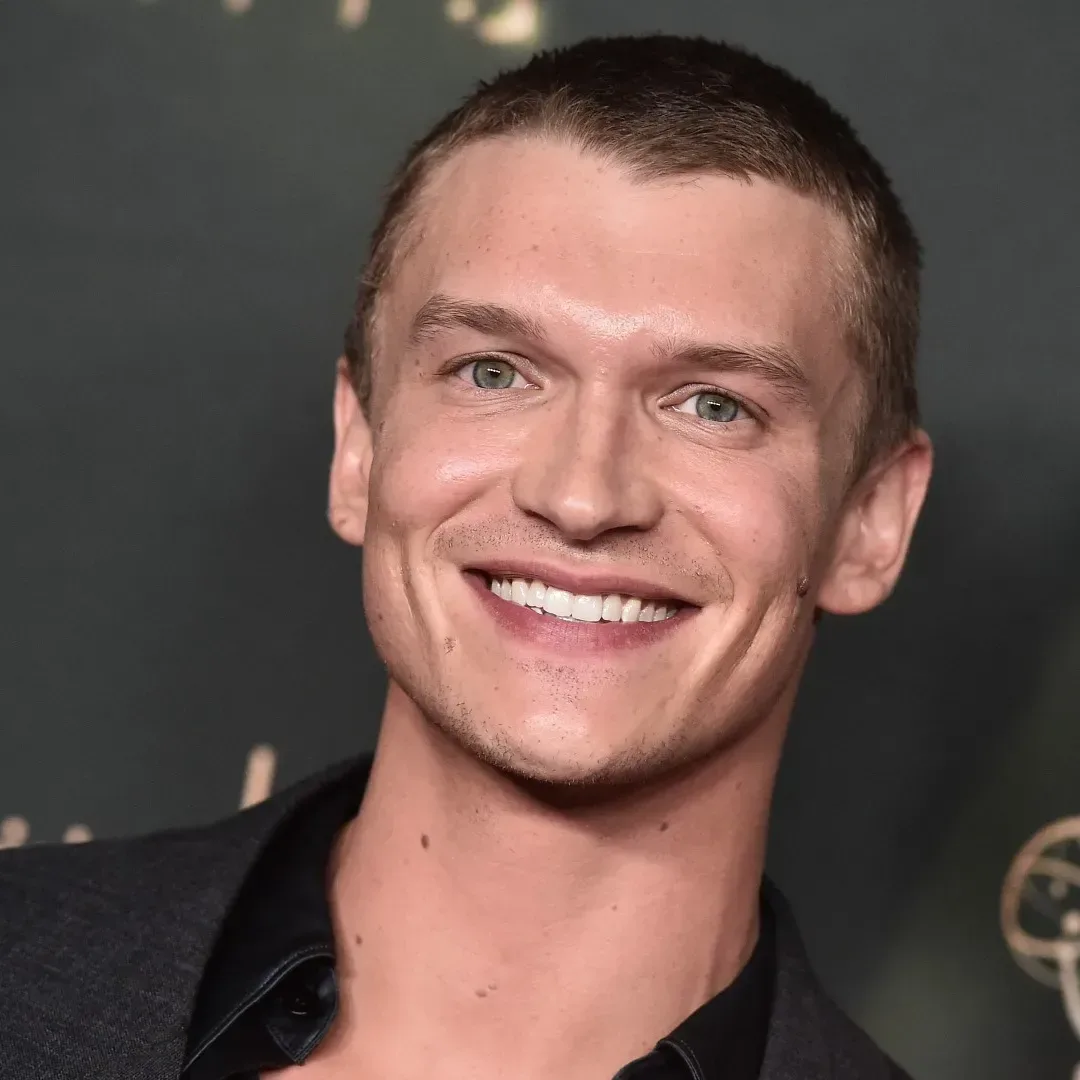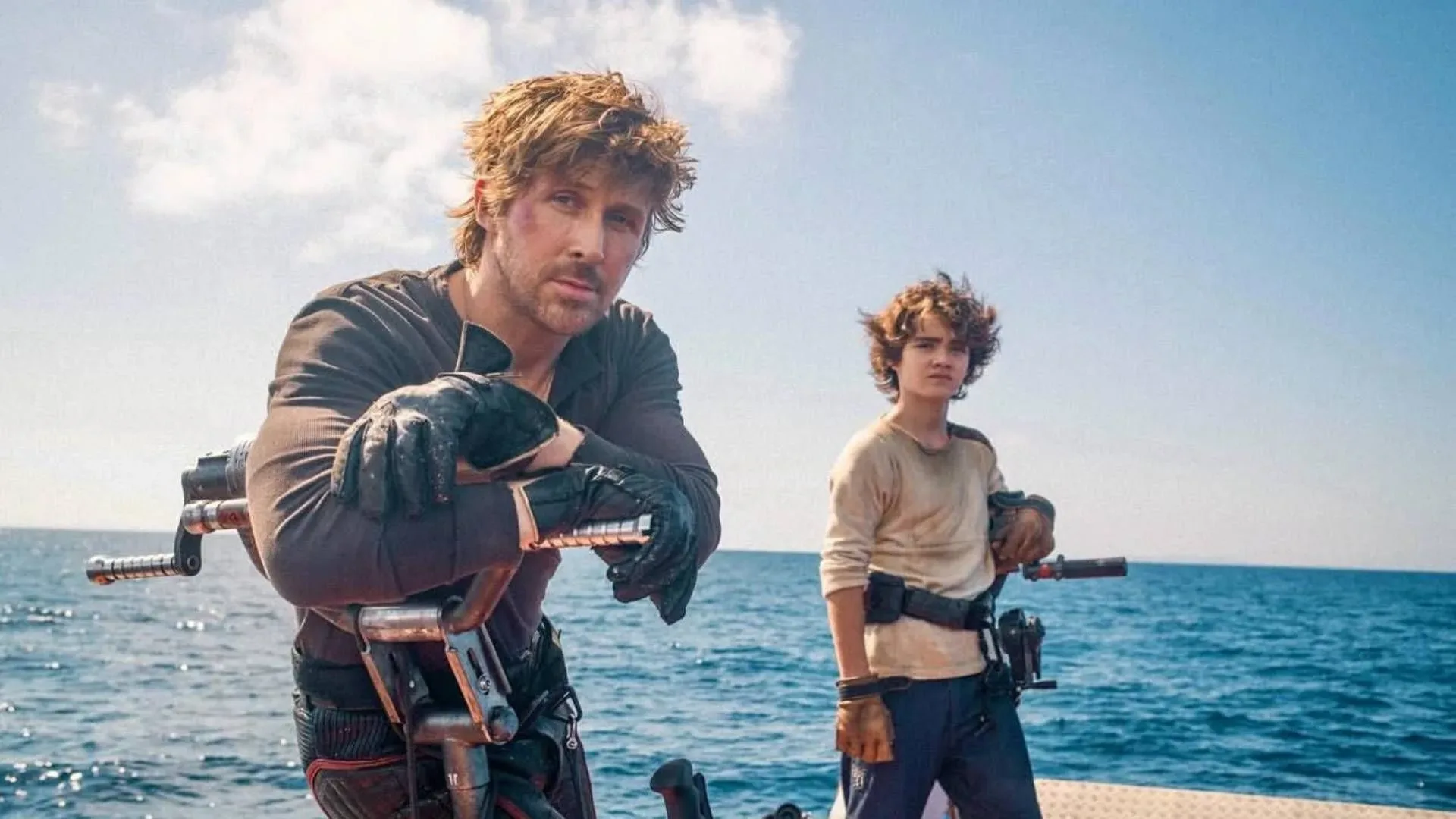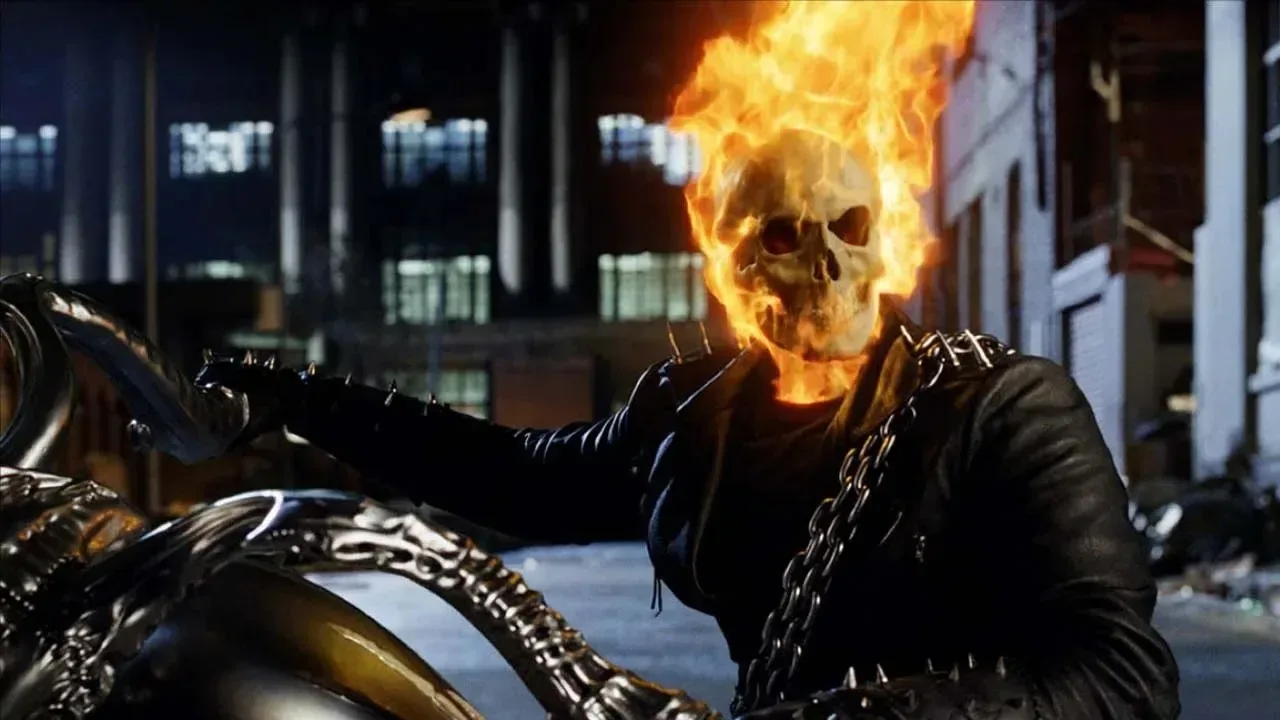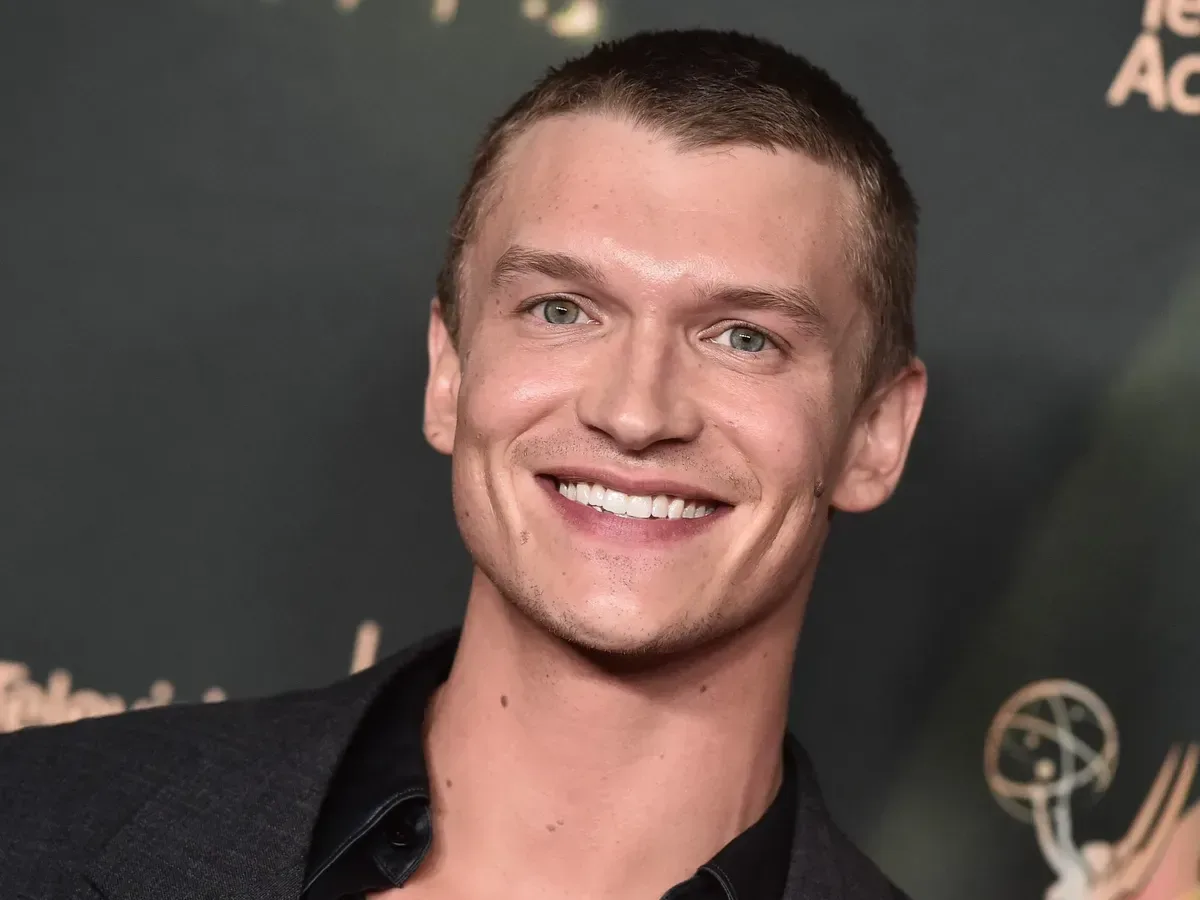
Connor Storrie is reportedly in talks to join Marvel Studios’ Ghost Rider as its villain, lining him up opposite Ryan Gosling’s Johnny Blaze. The reported role is not confirmed, and neither the character Storrie may play nor the terms of any deal have been disclosed.
That uncertainty matters. “In talks” means discussions are underway, not that casting is final. Until Marvel Studios or the filmmakers formally confirm the performer and character, the practical details remain open: Storrie could be playing an established adversary from the Ghost Rider corner of Marvel, a new character created for the film, or a role whose precise place in the story is being deliberately withheld.
Still, the report provides one major piece of apparent clarity around the project: Gosling is expected to play Johnny Blaze. Questions had circulated over whether the actor might instead portray another person to hold the Ghost Rider mantle, but the current reporting points to Blaze—the character most immediately associated with the name—as the film’s central Rider.
What is known about Marvel’s Ghost Rider movie
The MCU’s Ghost Rider film was confirmed at San Diego Comic-Con earlier this year. It is expected to begin shooting next year and is targeting a July 2028 release. Shawn Levy is set to direct, while Linus Sandgren has been tapped as director of photography.
Levy’s involvement connects the movie to an established Marvel working relationship after Deadpool and Wolverine. He also has a separate professional connection with Gosling through the forthcoming Star Wars: Starfighter. Those prior collaborations do not reveal anything concrete about Ghost Rider’s story, but they indicate a creative team that is not being assembled entirely from strangers.
Sandgren’s role is equally notable because the film is expected to shoot on film. In basic production terms, a director of photography, often abbreviated to DP, is responsible for the movie’s photographic approach: the choices around cameras, lenses, lighting, framing and exposure that shape what audiences see. Shooting on film refers to capturing images on physical photochemical stock rather than solely through digital cameras.
That format decision should not be treated as a promise of any particular tone, visual texture, or story direction. It does, however, establish an early production preference in a project where most creative specifics have yet to emerge. Film capture has become less common than digital acquisition, even as prominent filmmakers including Christopher Nolan and Ryan Coogler have continued to champion its use.
Why the Johnny Blaze detail is consequential
Ghost Rider is a mantle, meaning the heroic identity can be associated with more than one character. That makes the name alone less specific than it may initially appear. Identifying Gosling’s anticipated character as Johnny Blaze narrows the immediate focus of the movie without revealing its plot, supporting cast, supernatural rules, or links to other MCU characters.
It also gives the reported antagonist role a clear dramatic anchor. If Storrie does sign on, the available information says he would oppose Blaze directly. What “opposite” ultimately means is unknown: it could describe the movie’s principal villain, a major supporting threat, or an adversary whose role changes during the story. At present, it is safer to say only that the part is being described as villainous and connected to Gosling’s protagonist.
That distinction is important in franchise coverage. A character’s identity can affect expectations around powers, mythology and future appearances, but none of those details have been made public here. There is no character name, no synopsis, no indication of whether the adversary is supernatural, and no basis to identify the part with any specific comic-book villain.
Storrie’s potential step into a much bigger role
Storrie broke through earlier this year in the hockey romance series Heated Rivalry. He also appeared in Joker: Folie à Deux as an inmate who fatally stabs Arthur Fleck, in a brief but narratively important appearance that strongly suggested the character could be the film’s “real Joker.”
A role in Ghost Rider would therefore mark a substantial increase in scale and visibility, especially if the villain part proves to be a central one. The project is positioned within one of the largest ongoing film franchises, and it is currently expected to arrive after Avengers: Secret Wars, placing it near the start of a new MCU phase rather than amid its current run of releases.
That scheduling context tells audiences very little about the story itself. “Post-Secret Wars” is a release-window description, not a confirmation that the Ghost Rider film will directly continue any particular event, introduce a new shared-universe rule, or rely on prior viewing. Marvel has not disclosed those narrative details.
For Storrie, the potential casting is also a reminder of how a short performance and a breakout television role can place an actor in contention for more prominent franchise work. It is not, however, confirmation of a finished contract or a completed casting process. The distinction may sound procedural, but it is the difference between a reported negotiation and a finalized credit.
What audiences should and should not infer right now
The confirmed or reported picture is still relatively lean. Gosling is expected to lead as Johnny Blaze. Levy is attached to direct. Sandgren is attached as cinematographer. The production is expected to use film, begin shooting next year, and target July 2028. Storrie is reportedly negotiating for an undisclosed villain role.
Beyond that, much of the exciting stuff is still genuinely unknown. There is no announced title beyond Ghost Rider, no revealed supporting cast, no disclosed writer in the information available, no villain identity, and no official story summary. That makes speculation understandable but premature—particularly when a hidden antagonist can be one of the most consequential pieces of a superhero movie’s marketing plan.
The immediate item to watch is whether the Storrie discussions result in a formal announcement. If they do, the character name may reveal much more about the direction of the film. If it remains secret, that silence could simply reflect an effort to preserve the story’s surprise rather than a sign that the report was inaccurate.
For now, the project’s most tangible creative signal is a combination of personnel and approach: Gosling as Johnny Blaze, Levy in the director’s chair, Sandgren behind the camera, and a plan to shoot on film. Storrie potentially entering the picture as Blaze’s adversary would add another intriguing piece, but it remains a reported possibility rather than settled fact. For more franchise and production news, see our report on Capcom’s long-term Resident Evil plans.