Nicki Minaj has shared a prayer in response to reports of funerals and renewed deadly violence in Nigeria’s Plateau State. Posting material concerning the Rev. Ezekiel Dachomo, Minaj wrote: “Lord, if we hear from you, then we will know what to do.”
Her post followed a violent stretch in communities south of Jos, including reported attacks in Gassa and nearby Chit on September 24. The material Minaj shared did not identify the people responsible for the attacks, and she did not propose a particular policy or security response. Instead, the message was a brief appeal for direction amid accounts of loss and mourning.
The situation described in the reports is both grave and still partly unresolved. Local groups and news reports cited different casualty figures in several incidents, while authorities had not issued definitive totals in every case. That distinction matters: the underlying accounts point to real, immediate danger, but the complete scale of individual attacks should not be treated as settled where official confirmation is absent.
What has been reported in Plateau State
Three members of Gassa’s community watch were reported killed during the September 24 violence. They were identified as Ishaya Pam Dung, Barnabas Gyang Jack and Manasseh Luka Mushwer. The Berom Youth Moulders Association also reported four additional deaths in nearby communities between September 23 and 24, as well as damage to more than 20 hectares of farmland.
Security authorities had not independently confirmed those wider figures at the time they were reported. That does not erase the reports or the named deaths; it means the broader count remained provisional. In coverage of conflict, a provisional toll is an early figure provided by residents, local organizations, witnesses or security contacts before officials complete verification. It can change as more people are located, identities are confirmed, or separate incidents are clarified.
Accounts described the Gassa assault as the fifth attack in the area within a week. Dachomo was seen at a grave for three victims on September 25, while deaths were also being reported in neighboring villages. Residents had already mourned a pastor and a church worker who were killed on September 20 while traveling to church.
Violence was also reported at a mining site in Marit on September 26. One account, based on local sources, put the toll at five dead and two wounded. Another, citing security sources, reported six deaths. Officials had not published a settled count for that attack. The variation illustrates why caution around numbers is essential, especially when events unfold across multiple communities and information travels through grieving local networks.
Curfews and the questions they raise
Plateau State imposed a dusk-to-dawn curfew in Barkin Ladi, Bokkos and Mangu. A curfew is a restriction on movement during specified hours, generally intended to limit opportunities for violence and help security personnel monitor an area. But the reported deaths in Gassa came after the curfew had taken effect, intensifying residents’ concerns about whether the measures were providing sufficient protection.
The state government condemned the killings and said security agencies would pursue the gunmen. Further patrols were announced around Dorowa, Babuje, Marit and Lajam after the attack at the mining site. Those steps signal an official security response, but they do not themselves resolve the uncertainty around casualty totals, identify the attackers, or answer the broader concerns voiced by bereaved communities.
Dachomo has characterized attacks on Christians in the area as genocide. That is a serious allegation with a precise meaning in international law, and it should not be used casually as a synonym for widespread violence. The supplied reporting does not establish a legal finding on that claim. It also notes that violence in Plateau State has killed Muslim herders as well as Christians, a crucial fact for understanding that the region’s insecurity cannot be reduced to a single uncomplicated narrative.
Minaj’s continuing public stance
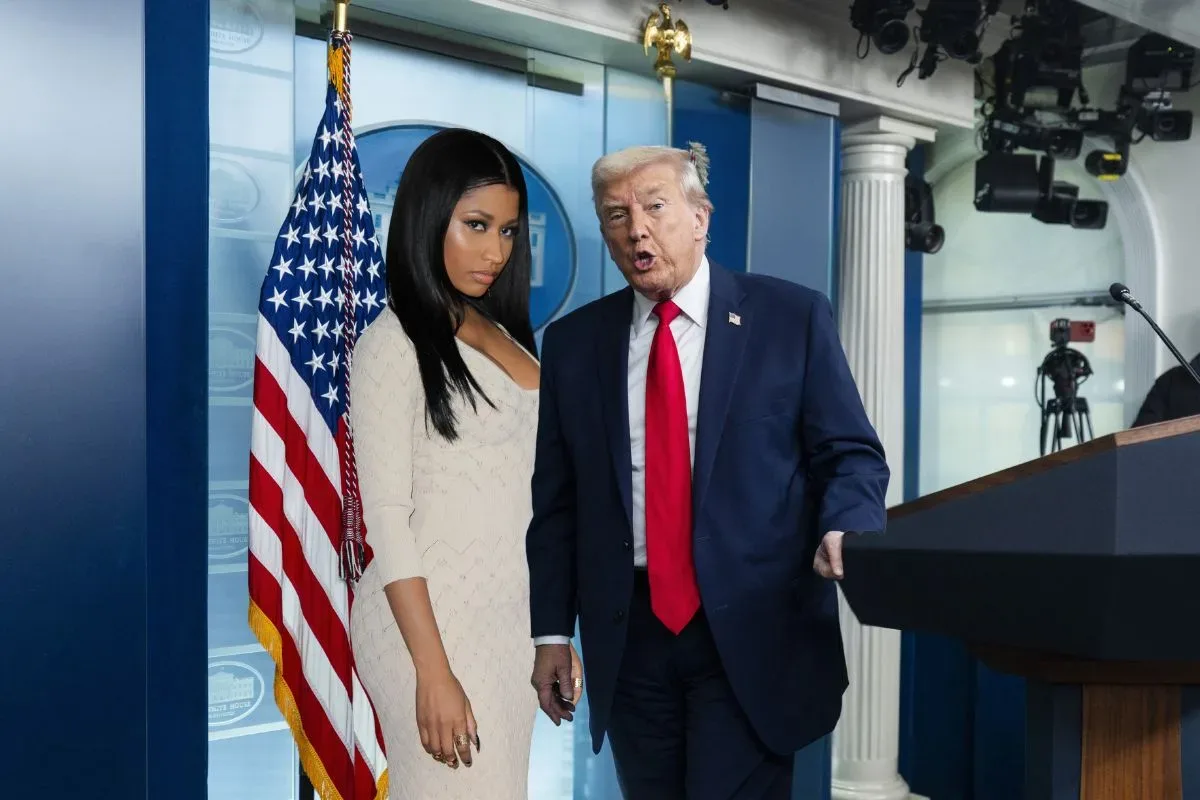
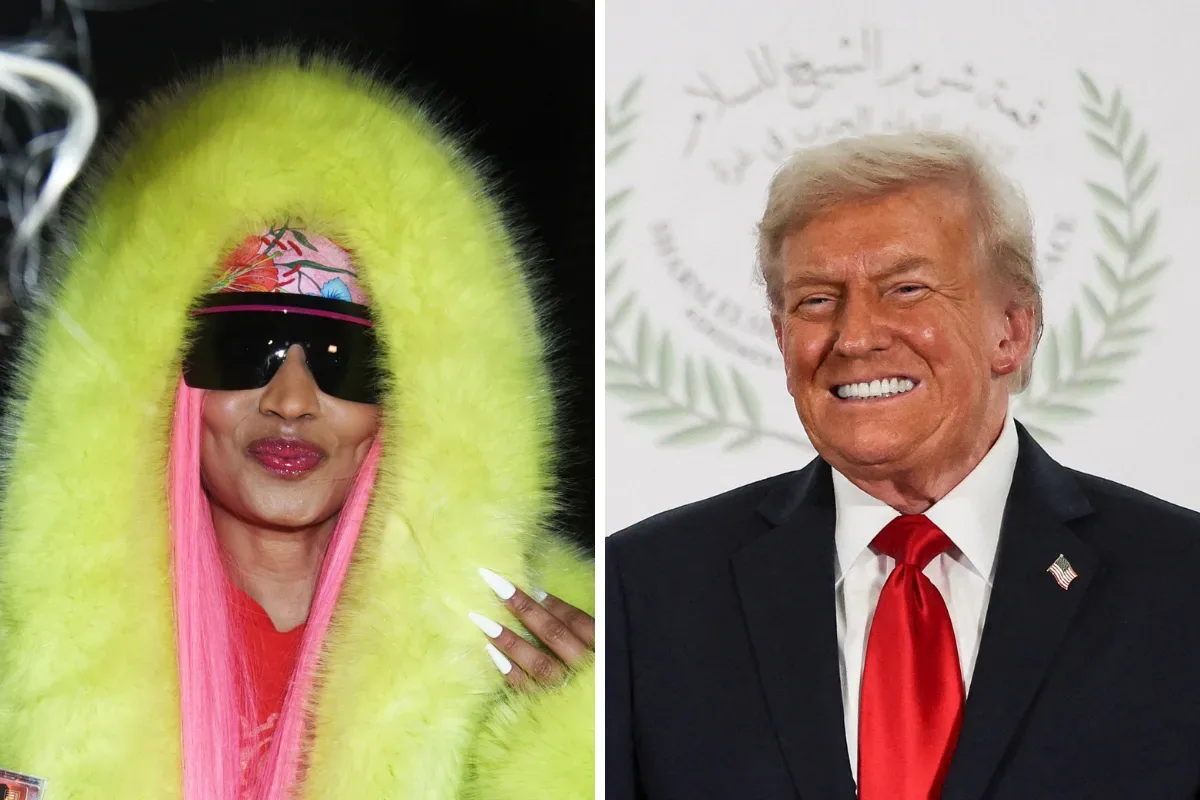
Minaj began speaking publicly about the issue in November 2025, after President Donald Trump accused Nigeria of failing to protect Christians. At that time, she thanked Trump for raising the subject and stressed the importance of being able to worship freely.
Her engagement later moved to an international stage when U.S. Ambassador Mike Waltz invited her to speak at a United Nations event. Minaj said she and her audience would stand against injustice. At the November gathering, she again thanked Trump, called for action against extremism and violence connected to religious belief, and said Christians in Nigeria were being targeted, displaced and killed.
Importantly, her comments at that event also extended the principle beyond one faith. She said respect was due when anyone’s church or mosque was destroyed. In the context of Plateau State, where the supplied reporting says Muslim herders have also been killed, that broader framing is significant. Concern for threatened Christian communities and recognition of other victims are not competing ideas; both are necessary for a complete account of religiously connected violence.
Minaj’s latest post is therefore not an isolated celebrity reaction. It continues a public position she has maintained since 2025, one centered on religious freedom, opposition to extremism and attention to attacks affecting Christian communities. Readers looking for more on her recent public tributes can also see Minaj’s remembrance of calypso icon Mighty Sparrow.
Why the language around this story needs care
Stories involving faith, ethnicity, land, security and political rhetoric can become distorted quickly when early reports are repackaged as final facts. This case contains several points that deserve to be kept separate:
- Confirmed reporting versus disputed totals: named victims and individual incidents have been reported, but several overall death counts were still not settled by authorities.
- Local testimony versus legal determination: Dachomo’s genocide characterization reflects his stated view; it is not presented here as an adjudicated legal conclusion.
- Public advocacy versus a security plan: Minaj’s prayer and prior speeches bring visibility to the issue, but her latest post did not set out a specific response to the attacks.
- Protection of Christians versus exclusion of others: the reporting records Christian victims and a pastor’s advocacy, while also noting Muslim herders killed in the broader violence.
That care is not an attempt to soften the human cost. It is the opposite: accuracy respects the people who died, the families attending funerals, and communities trying to assess what happened. It also prevents uncertainty from being filled with claims that the supplied accounts cannot substantiate.
Minaj’s words were short, but they arrived amid continuing grief, competing casualty reports and demands for greater safety. The immediate factual picture remains incomplete in places. What is clear from the reported events is that communities in and around Plateau State were mourning multiple deaths, while officials promised patrols and an investigation into the attacks.