Nicki Minaj has paid tribute to Mighty Sparrow following the death of the pioneering calypso performer at age 91. The Trinidad-born rapper shared a message of remembrance alongside a tribute from Trinidad and Tobago Prime Minister Kamla Persad-Bissessar, writing: “What a legacy. Icon. Rest in peace.” Her post also included a Trinidad and Tobago flag and a heart.
Mighty Sparrow, born Slinger Francisco, died in New York on Sunday, September 27, after a brief illness, his family said. He was surrounded by loved ones. The family did not provide a more specific cause of death.
The loss has particular resonance in Trinidad and Tobago, where Sparrow’s recordings, stage presence and lyric-writing helped define the possibilities of calypso across generations. Persad-Bissessar called him a cultural ambassador whose songs brought the country’s stories to audiences around the world, describing a national sense of mourning for an artist whose legacy remains deeply embedded in its cultural life.
Minaj’s brief post was not a lengthy career retrospective, but its focus on Sparrow’s stature is notable. She has repeatedly celebrated her Trinidadian roots during her Hip-Hop career, including through work with performers from the country. Her tribute connects a contemporary global music figure with a performer whose body of work helped carry Caribbean storytelling to international stages long before today’s social-media music ecosystem.
A career built in calypso tents
Sparrow was born in Grenada in 1935 and moved to Trinidad as a small child. He grew up in Port-of-Spain, where he developed as an artist in the city’s calypso tents.
Calypso tents are performance spaces associated with Carnival culture in which singers present songs for audiences. In Sparrow’s formative environment, the format gave performers room to combine melody, humor and observations about politics and everyday experience. That mixture matters to understanding why Sparrow’s reputation was not built simply on vocal performance. The songs were also vehicles for commentary: lively and accessible, but capable of addressing events and social tensions directly.
His breakthrough arrived in 1956 with “Jean and Dinah.” The song addressed the departure of American servicemen and won both Calypso King and Carnival Road March. Those achievements established Sparrow as a major force early in his career and demonstrated the reach of a song that could marry a memorable musical hook with a sharply observed subject.
Road March is a Carnival distinction tied to the music that becomes especially prominent during the festivities, while the Calypso King title—now commonly associated with the Calypso Monarch tradition—recognizes a leading calypso performer. The two honors point to different but complementary strengths: impact in the public Carnival experience and command as a calypsonian. Winning both for a breakthrough song underscored Sparrow’s broad appeal.
Humor, provocation and political commentary
Sparrow’s catalogue became known for its range as well as its scale. His work included “Obeah Wedding,” “Congo Man,” “Federation,” and “Dan Is the Man.” Together, those titles illustrate an artist who could shift between comic performance and pointed commentary rather than treating those approaches as opposites.
That ability is central to calypso’s cultural force. Humor can make a song immediately entertaining, but it can also sharpen criticism and make difficult subjects part of a shared public conversation. Sparrow’s career was built on memorable melodies and direct storytelling, as well as a willingness to challenge listeners. The result was a repertoire that could be festive without being empty of meaning.
It is important not to reduce that legacy to a single political label. The supplied record emphasizes both comedy and commentary, and Sparrow’s enduring stature rests on how fluently he worked across that spectrum. A song could draw listeners in through wit and rhythm while also reflecting public life. That blend helps explain why he became synonymous with a form that is at once musical entertainment, oral storytelling and cultural expression.
The scale of Sparrow’s legacy
Trinidad and Tobago’s culture ministry credits Sparrow with more than 500 songs and 70 albums across seven decades. The ministry also lists eight Calypso Monarch crowns and eight Road March titles among his accomplishments. In 2014, Trinidad and Tobago awarded him the Order of the Republic, the nation’s highest honor.
Numbers alone cannot capture an artist’s influence, but they offer useful context. More than 500 songs across 70 albums suggests a sustained creative output rather than a reputation resting on a small cluster of celebrated recordings. Eight Calypso Monarch crowns and eight Road March titles similarly indicate repeated success within Carnival’s major musical traditions, not a single moment of recognition.
The Order of the Republic adds a different dimension. It frames Sparrow’s contribution as national cultural significance, not merely commercial or competitive achievement. Persad-Bissessar’s description of him as a cultural ambassador follows naturally from that history: his performances took music rooted in Trinidad and Tobago’s local traditions to wider audiences while retaining its storytelling character.
His impact also reached beyond listeners who identify primarily as calypso fans. Caribbean music has often traveled through live performance, recordings and diaspora communities, and Sparrow’s work became one of the major channels through which international audiences encountered the form. His songs helped make clear that calypso could be playful, technically expressive and socially observant in the same breath.
Why Minaj’s tribute carries weight
Minaj’s response places Sparrow’s passing in a broader intergenerational context. Her career exists in a very different musical marketplace, but her public embrace of Trinidadian identity has consistently made that connection visible. Her work with Trinidadian performers Machel Montano and Destra on “Shake the Place” is one example of her maintaining ties to the country’s musical scene.
There is no need to claim a direct musical lineage where none has been stated. Hip-Hop, calypso and the other Caribbean genres represented by contemporary artists have distinct histories and styles. Still, Minaj’s tribute recognizes something broader and more concrete: Sparrow was a defining cultural figure from the place with which she identifies. Her use of the word “icon” speaks to a legacy that reaches beyond genre boundaries.
For audiences who know Minaj chiefly through rap and pop, the tribute can also serve as a useful prompt to look more closely at the cultural foundations around Trinidad and Tobago’s music. Sparrow’s story begins in Port-of-Spain’s calypso tents, not in the modern global release cycle. Yet the qualities associated with his work—distinctive voice, an ear for memorable songwriting, cultural specificity and readiness to engage an audience—remain recognizable measures of lasting popular music.
A public celebration is being planned
Sparrow’s family has said that plans are underway for a public celebration of his life. No date has been announced.
That forthcoming event will give fans and fellow artists an opportunity to honor a performer whose career extended across seven decades and whose catalogue is credited at more than 500 songs. Until details are released, the confirmed picture is clear: a major calypso artist has died, and tributes are arriving from figures across Trinidad and Tobago’s cultural and musical communities.
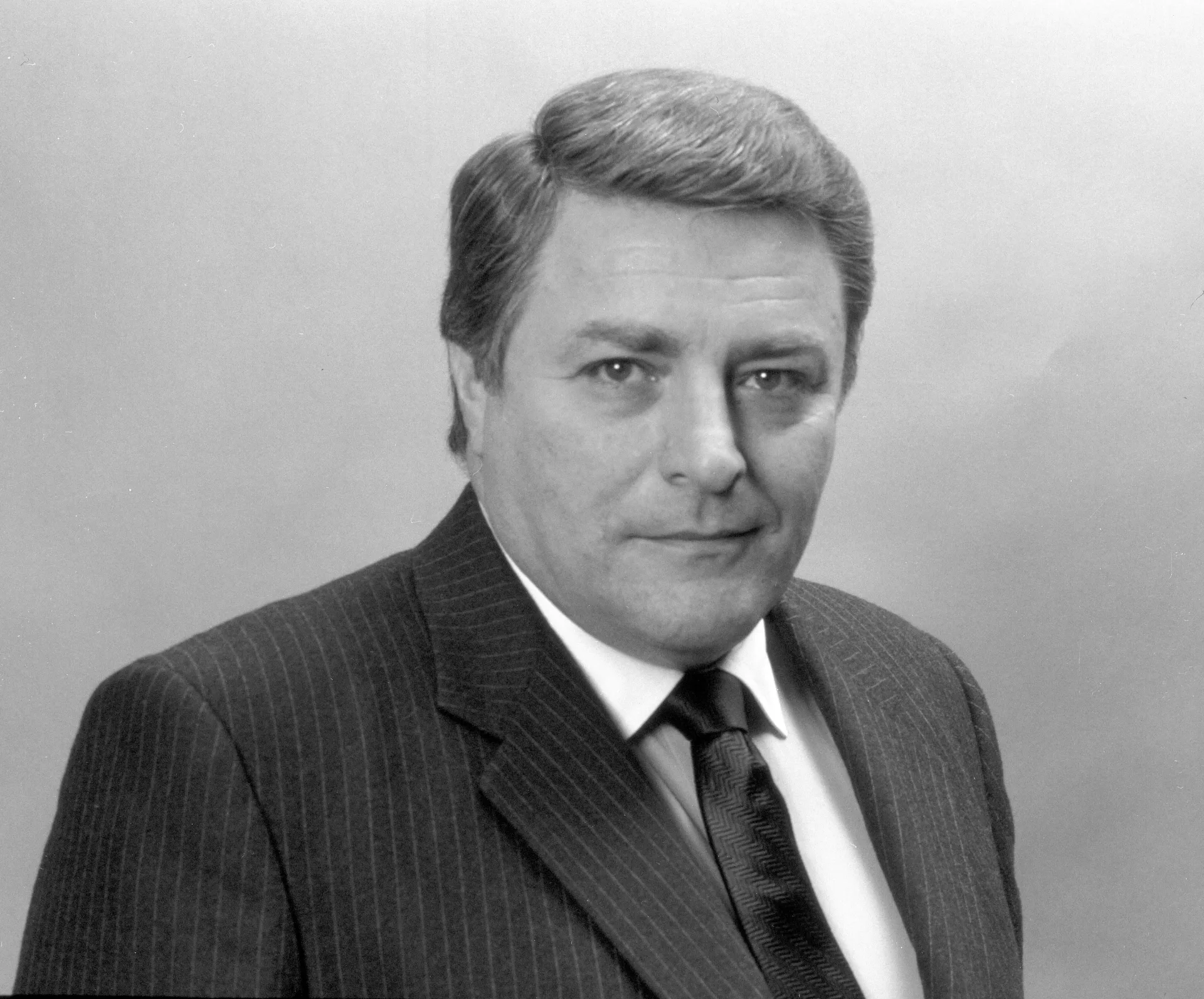
The entertainment world is also marking the lives of influential figures in other fields, including broadcast executive James H. Rosenfield Sr. Sparrow’s remembrance, however, is inseparable from the specific traditions he represented: the calypso tent, Carnival competition, sharp lyricism and Trinidad and Tobago’s voice on the world stage.