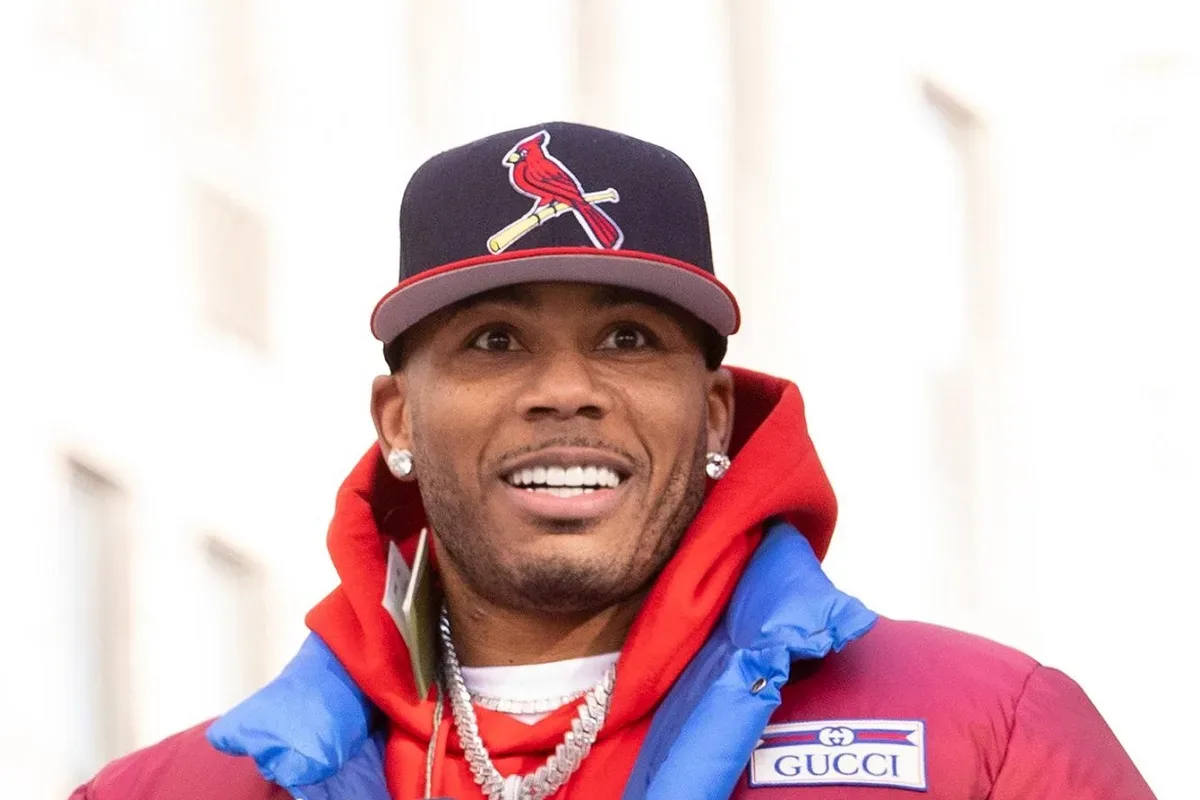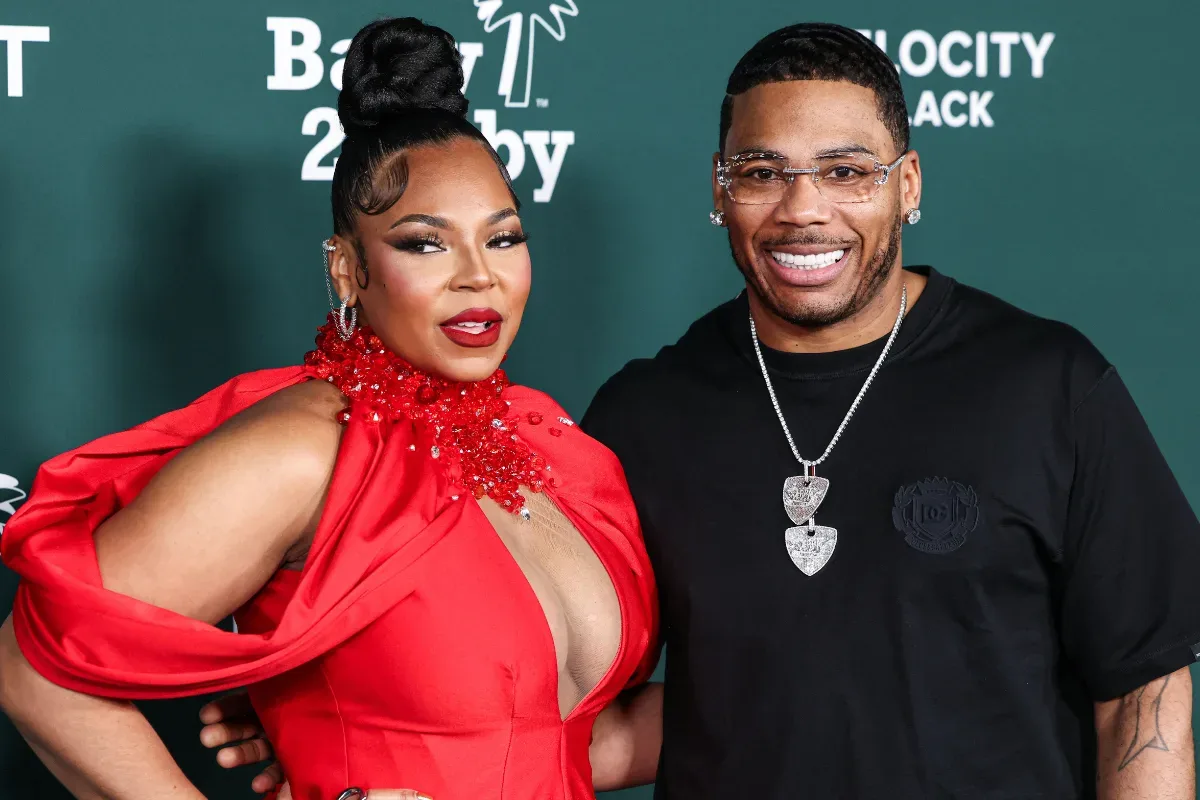
Nelly has recalled a spades game against Michael Jordan and Charles Oakley that began with confidence and ended with him asking Ashanti for money. The rapper shared the story during an appearance on 7PM in Brooklyn with Carmelo Anthony, alongside Carmelo Anthony, Monica and Kaz, in an episode released October 30 in the United States.
The setup was formidable: Nelly and his younger brother were partners at the table, facing Jordan and Oakley. Nelly said his side was winning early. That fast start evidently brought out the talker in him, especially with Ashanti present. But the momentum changed, the early lead disappeared, and the eventual loss carried enough stakes that he found himself looking to his wife for financial backup.
“He did it in front of my woman,” Nelly said, recalling the defeat and his request to Ashanti: “Babe, what you got in that pocket?”
An early lead became a costly lesson in table talk
The memorable part of Nelly’s account is not simply that Jordan won a card game. It is the social escalation around it. Nelly remembered getting ahead, talking trash, and then having the comeback unfold in front of Ashanti. Oakley, he said, later reminded him that he had cautioned Nelly about talking too much.
In competitive card games, “table talk” is the conversational side of the contest: confidence, needling, boasting and attempts to rattle an opponent. Nelly’s story frames it as a lesson in restraint rather than a grievance. He described the night warmly despite the loss, emphasizing how much it meant to be welcomed into that group.
That distinction matters. The anecdote lands as a self-own, not a claim of bad blood. Nelly openly identifies the factors that made the result sting: the money at stake, the early advantage, the trash talk, and the fact that Ashanti was there to see the reversal. Jordan and Oakley emerge as the experienced pair who waited for the game to shift; Nelly becomes the narrator who knows exactly where the boastful play went wrong.
Why spades is a particularly effective setting for the story
Spades is a partnership card game, meaning each player’s result is tied to a teammate as well as to individual decisions. That basic structure gives an account like Nelly’s extra drama: an early lead is shared, a reversal is shared, and a loss affects both sides of the table. Nelly’s younger brother was his partner, while Jordan and Oakley played together.
The available account does not specify the game’s score, the wagers, individual hands or the decisive play. It would be a mistake to invent those details. What Nelly did make clear is the emotional arc: he felt comfortable enough to boast while winning, then came up short after Jordan and Oakley turned the match around.
For listeners, that is probably more revealing than a play-by-play could be. The story is built around the universal danger of celebrating before the game is over. It just happens to feature a basketball icon and a former NBA player on the other side of the cards.
Nelly and Jordan also shared a Charlotte franchise connection
The card-table story has another layer because Nelly and Jordan have both been connected to the Charlotte Bobcats ownership group. In July 2004, Nelly became a part-owner alongside Bob Johnson. Jordan later entered the ownership group and then pursued control of the franchise.
The NBA approved Jordan’s purchase of a controlling interest on March 17, 2010. A controlling interest is ownership sufficient to direct a company or organization’s major decisions. In a sports-franchise context, it means far more than holding a small investment: the controlling owner has the principal authority over the team’s business direction, subject to league rules and approvals.
Nelly had previously described his Bobcats stake as one of the biggest accomplishments of his career. That shared franchise history helps explain why a competitive night involving the two has a larger cultural resonance than a random celebrity card game. Their connection crossed music, basketball and team ownership, even if the spades table itself produced a much more personal—and expensive—memory for Nelly.
It also puts Nelly’s positive recollection into perspective. He did not reduce the experience to losing money or being embarrassed in front of Ashanti. Instead, he stressed the value of being included in that circle. The loss remains the punchline, but the access and camaraderie are the larger point.
A story about Nelly and Ashanti’s public life, told on a small scale
Ashanti’s presence is central to the anecdote because Nelly says it emboldened his early-game talk. Her role after the loss—being asked what she had in her pocket—turns the tale into a relationship story as much as a celebrity-sports story.
That public glimpse arrives ahead of the second season of Nelly & Ashanti: We Belong Together, which premieres November 19 on Peacock. The series follows the couple as they raise their toddler son, Kareem, who is known as KK, while handling careers that regularly put them in different places.
Nelly says in the season trailer that the pair are often touring at different times. The new season is also set to cover their choices about sharing their son on social media and the wider responsibilities of a blended family. Ashanti is working on new recordings and balancing motherhood, music and performances, including travel between St. Louis and New York City. Nelly, meanwhile, is dealing with the physical toll of touring.
Those are more consequential pressures than a card-game loss, but the spades memory fits the same broader picture: a couple navigating a visible life without every moment becoming overly polished. Ashanti is not presented merely as an observer in Nelly’s story. She is part of why he felt motivated to talk, part of the reason the loss was embarrassing, and the person he turned to when the game was over.
The moment is also a useful reminder that celebrity narratives often become more interesting when they retain ordinary mechanics. A couple can be managing television production, travel, recording sessions and family decisions—and still have a night where one partner gets carried away at a card table and has to ask the other for cash.
What is confirmed—and what the story leaves open
Nelly has confirmed the broad essentials of his account: he and his younger brother played against Jordan and Oakley; his side started well; he talked trash; the other team recovered; and he ultimately needed to ask Ashanti for money after losing. Oakley’s warning about Nelly’s talk is also part of the recollection.
But the story leaves several things deliberately undefined. No amount of money has been disclosed. There is no stated final score, no description of the hands that swung the result, and no suggestion that the game was anything other than a competitive night that Nelly now looks back on fondly. The absence of those details keeps the emphasis where Nelly put it: the reversal, the embarrassment and the fun of being there.
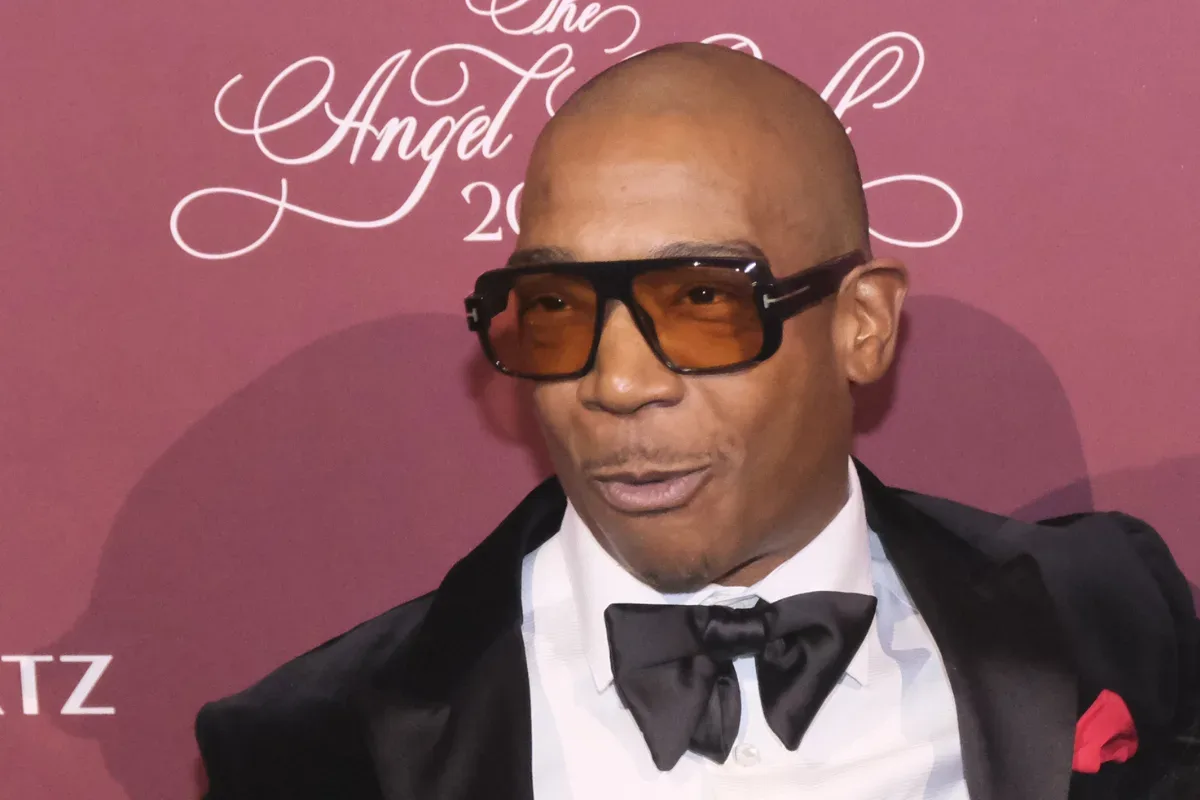
For fans following Ashanti’s work as well as the couple’s series, the anecdote offers a lighter complement to the busier family-and-career material ahead. It also arrives amid continued attention around veteran artists weighing the pace of their careers, as Ja Rule recently discussed rethinking the idea of slowing down.
Nelly’s version of events has a simple moral, even if he does not spell it out: enjoy the lead, but do not assume it will last—particularly when Michael Jordan and Charles Oakley are sitting across the table. And if the trash talk gets ahead of the cards, it may be wise to know whether Ashanti has some cash in her pocket.