Warning: this article discusses story developments through episode 6 of Lanterns.
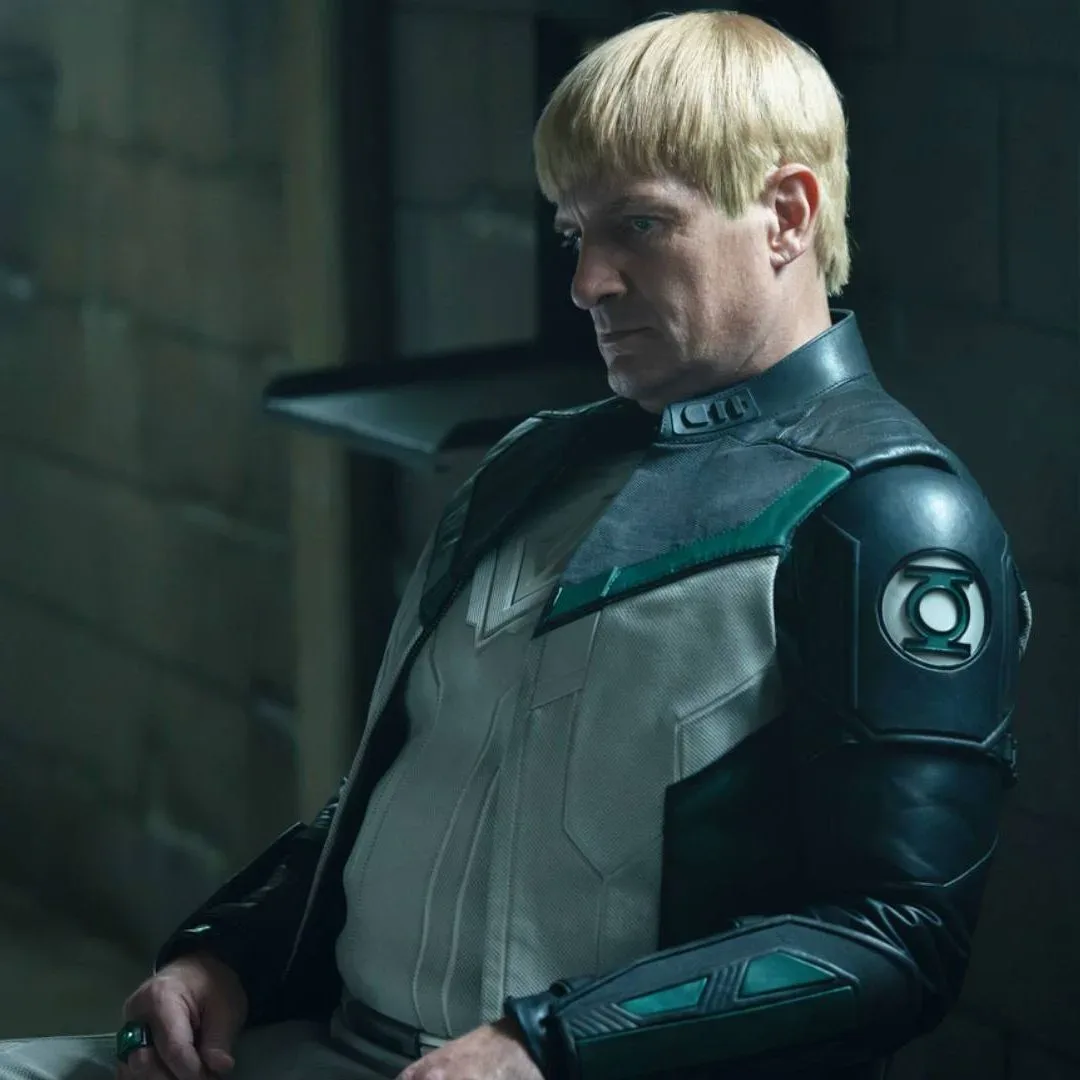
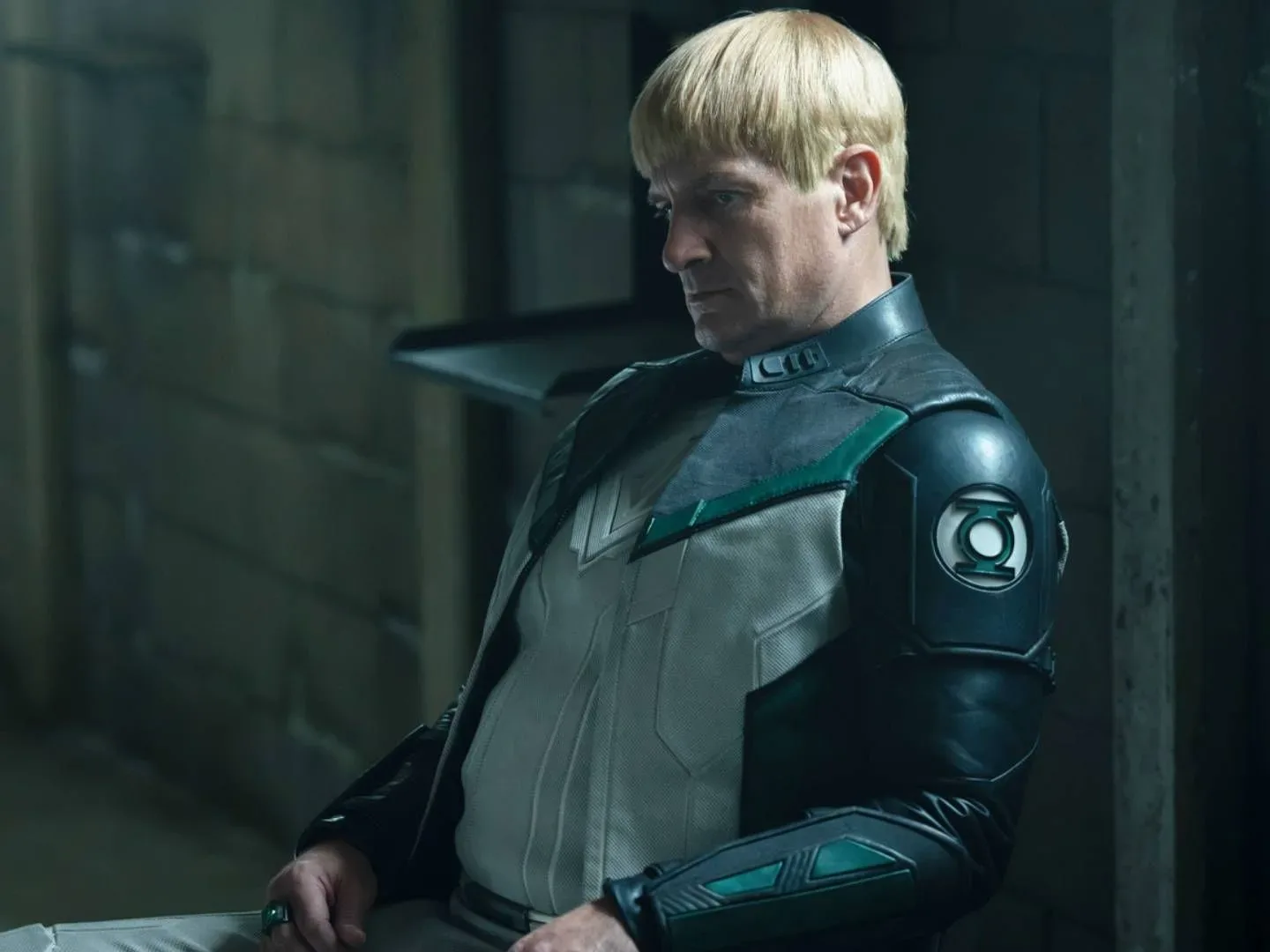
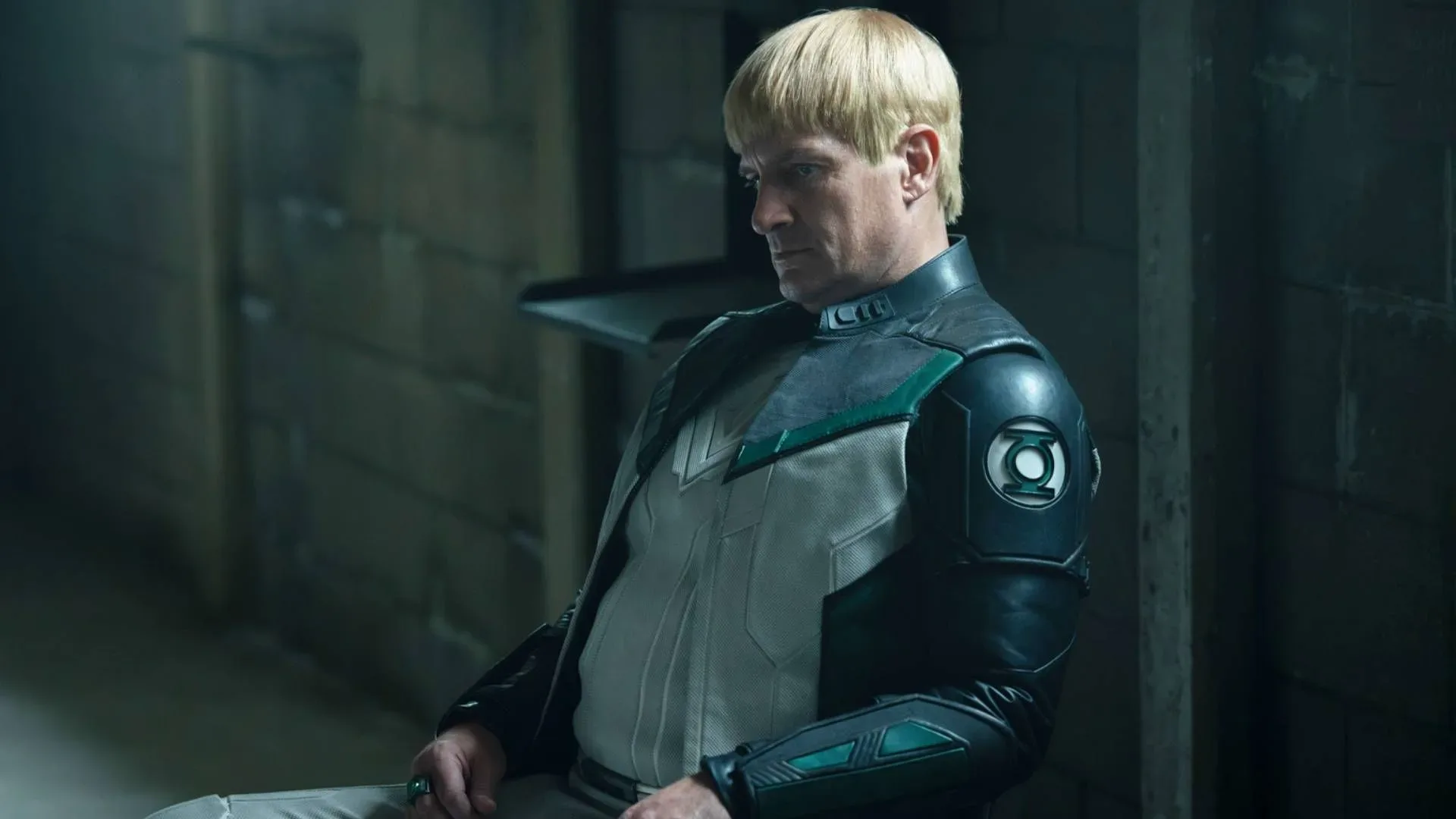
Guy Gardner has finally landed in Rushville, and Nathan Fillion says the hardest part of bringing the character into Lanterns was not the cameo itself. It was making sure a move from the buoyant world of Superman to a substantially grimmer mystery did not turn Guy into someone else.
Fillion first appeared as Gardner in 2025’s Superman, part of DCU Chapter One. The character’s arrival in episode 6 of HBO’s Lanterns follows five episodes without him physically on screen. That delay establishes Guy as an event within the series, but it also puts a familiar shared-universe challenge in sharp focus: a character has to carry across projects with contrasting genres, visual moods and stakes while remaining recognizably himself.
For Fillion, the central issue was character consistency. He knew the tone would change, but did not want that tonal shift to become a rewrite of Guy Gardner’s personality. It is a useful distinction. A shared universe can ask characters to react differently when circumstances change; it risks losing them when it changes the traits that define them merely to fit a new production’s mood.
The same Guy, a very different weekend
Lanterns is framed as a gritty, True Detective-style series, a pronounced contrast with the lighter presentation surrounding Guy’s Superman introduction. Fillion’s explanation for reconciling the two settings is straightforward: a person spending a weekend in Metropolis and a weekend in Gotham would still be the same person, but their experiences would be very different.
That analogy gets at the difference between tone and characterization. Tone is the emotional and stylistic atmosphere of a story: whether its scenes play as hopeful, heightened, comedic, threatening or investigative. Characterization is the collection of motives, habits, values and flaws that makes an individual feel consistent from scene to scene.
A tonal change does not require every character to adopt the exact same emotional register. In fact, preserving some friction between a character and a darker environment can make both more legible. Guy’s existing bravado and comic vanity are not automatically at odds with a bleak case in Rushville. They can instead become traits tested by a less forgiving situation.
That is especially relevant to an ensemble superhero setting. Shared-universe continuity is often discussed in terms of timelines, cameos and future crossovers. Those details matter, but emotional continuity is just as important. Viewers must be able to see how one version of a character grows into the next, even when the stories around that character are built in different genres.
Guy Gardner’s arrival was seeded with a cardboard cutout
Before Gardner appeared in person, Lanterns used a grocery-store cardboard display as his first on-screen introduction. The gag preserves an essential piece of the character’s comic side: Guy does not merely want to be Green Lantern; he wants to be a famous Green Lantern.
It is a small but effective way to establish the trait without demanding that the series pause its larger mystery for a broad comedic detour. The prop functions as a character beat and a signal to the audience. Guy’s public profile, ego and desire to be noticed are part of the package coming into Rushville. The show can carry those traits forward while allowing its plot to remain tense.
That pre-arrival beat also means episode 6 is not the first time the series has asked viewers to think about Gardner. His full entrance pays off an earlier, deliberately sillier image. In a show with a darker investigative identity, the setup gives the comedy a place rather than making it feel accidentally imported from another project.
What episode 6 confirms about the Lantern timeline
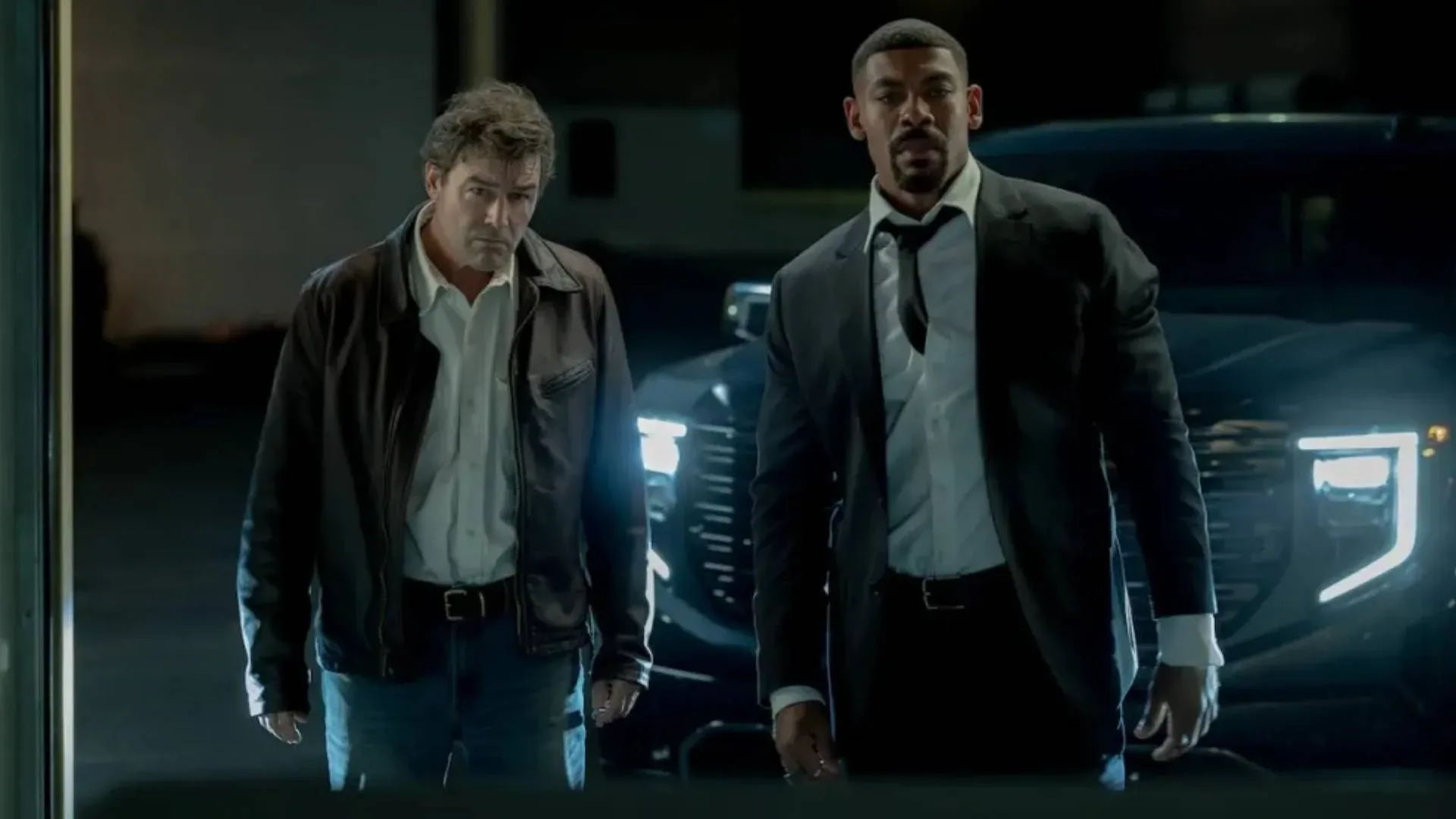
Guy comes to Rushville after detecting its distress signal. Once there, he visits John Stewart, played by Aaron Pierre, who is imprisoned, and frees him. The episode also provides a significant piece of DCU chronology: Gardner takes up the Green Lantern mantle after Stewart turns away from the ring for good.
The broader timeline had already pointed in that direction. Superman is set around nine years after the principal 2016 setting of Lanterns, so Guy’s eventual status as Green Lantern was already visible from the later-set film. Episode 6 turns that implication into a concrete succession point connected directly to John Stewart’s choice.
For anyone keeping track, that makes the timeline easier to parse:
- Lanterns primarily takes place in 2016.
- John Stewart is central to the Rushville story and later leaves the ring behind permanently.
- Guy Gardner becomes Green Lantern after Stewart’s departure from that role.
- Superman, set roughly nine years later, shows Gardner as a Green Lantern.
This is more than a continuity footnote. Stewart’s decision gives Guy’s future role a personal and narrative context. Gardner is not simply present as a familiar comic-book name positioned for a later crossover. His place in the future is now tied to a decisive change in Stewart’s life.
It also adds a measure of dramatic tension to the series’ structure. When a story has a later installment set years afterward, the audience may know some broad outcomes in advance. The suspense shifts away from asking only what happens and toward asking why it happens, what it costs, and how the people involved reach that point. Stewart abandoning the ring is one such outcome; its full emotional and plot significance belongs to the unfolding story.
Why the John Stewart and Guy Gardner connection matters
Episode 6 places two Lanterns with different positions in the DCU’s future into the same immediate crisis. Stewart is jailed when Gardner reaches Rushville, while Gardner arrives in the capacity of the hero viewers know he will become. Their encounter makes the franchise’s inter-project design tangible rather than abstract.
Guy’s rescue of Stewart does not erase the difference in their circumstances. It underscores it. One character is moving toward leaving the ring behind; the other will inherit the mantle. That handoff gives their meeting a built-in dramatic charge, even with the later timeline already established.
The situation also presents an opportunity for Lanterns to demonstrate the flexibility Fillion described. Guy can bring his established self-regard into a serious setting, but the story now has a reason to focus on responsibility, legacy and the consequences surrounding the ring. The series does not need to flatten Guy into a grim figure to make him relevant, nor does it need to dissolve the stakes in order to accommodate his more comic tendencies.
Man of Tomorrow will bring the Lanterns together again
The next confirmed major meeting point is 2027’s Man of Tomorrow. Pierre’s John Stewart is set to appear in the Superman sequel alongside David Corenswet’s Superman, Milly Alcock’s Supergirl and Fillion’s Guy Gardner. Adria Arjona is also set to join the cast in an undisclosed role.
That lineup makes Man of Tomorrow an important point of contact between the separate DCU tracks. Lanterns is telling a story centered on Rushville and its 2016 mystery, while Superman operates around nine years later. The sequel is positioned to reunite characters shaped by those different contexts on the big screen.
There is still a great deal the supplied details do not establish: how large Stewart’s part will be, what has changed for him in the years following Lanterns, or how the film will address the fact that Gardner eventually becomes the Green Lantern after Stewart’s departure. Those are future-story questions, not answers episode 6 supplies. But the shared cast makes the connection meaningful well before the sequel arrives.
For the moment, the more immediate payoff is in Lanterns. Fillion’s concern reflects a broader challenge for a franchise trying to tell distinct kinds of stories under one continuity: difference should come from the place, the case and the stakes, rather than from quietly replacing the people viewers have met before. Guy Gardner’s cardboard-cutout introduction and his eventual Rushville arrival suggest the DCU is trying to hold onto his particular brand of self-promotion while putting it under a far darker spotlight.
Lanterns continues with weekly episodes on HBO and HBO Max. For another look at how television series can build their identity around a procedural framework and a central ensemble, see our coverage of NBC’s Line of Fire.