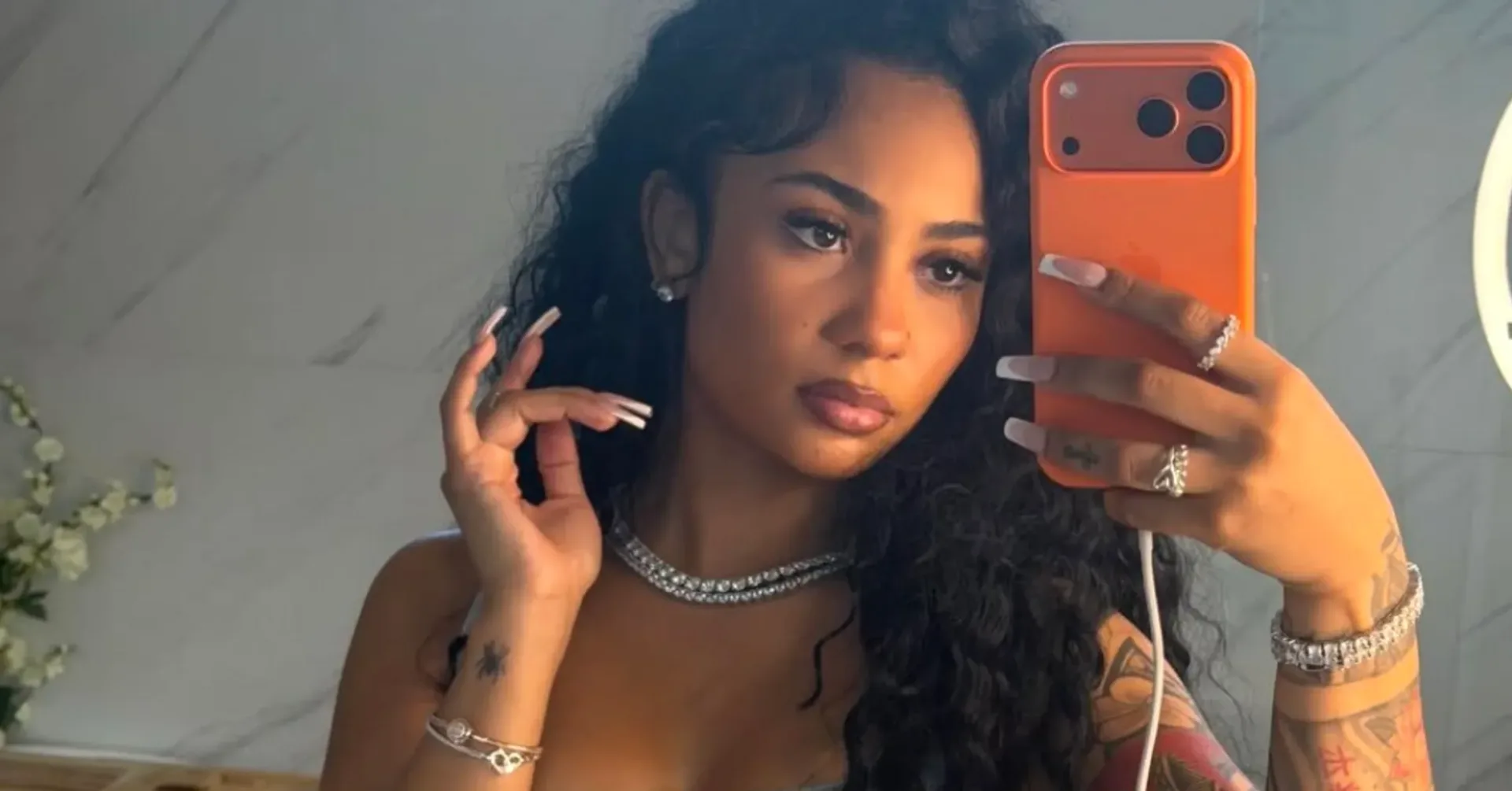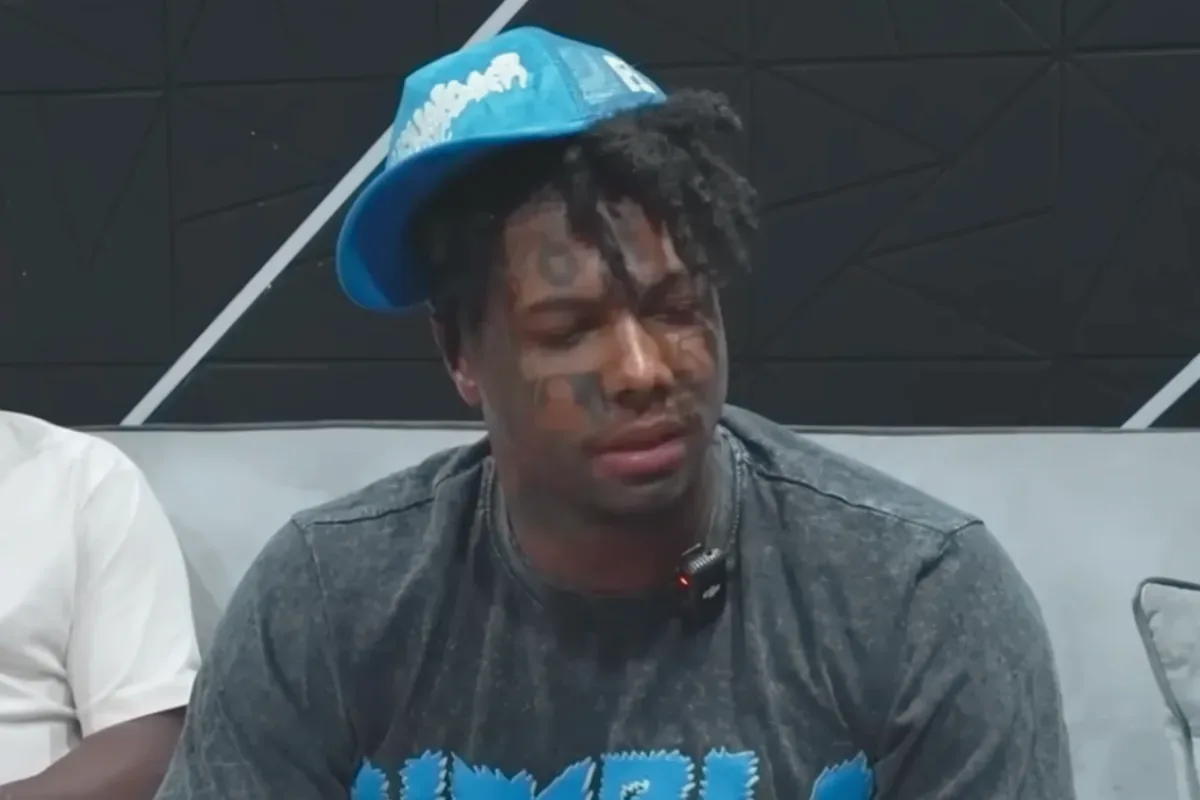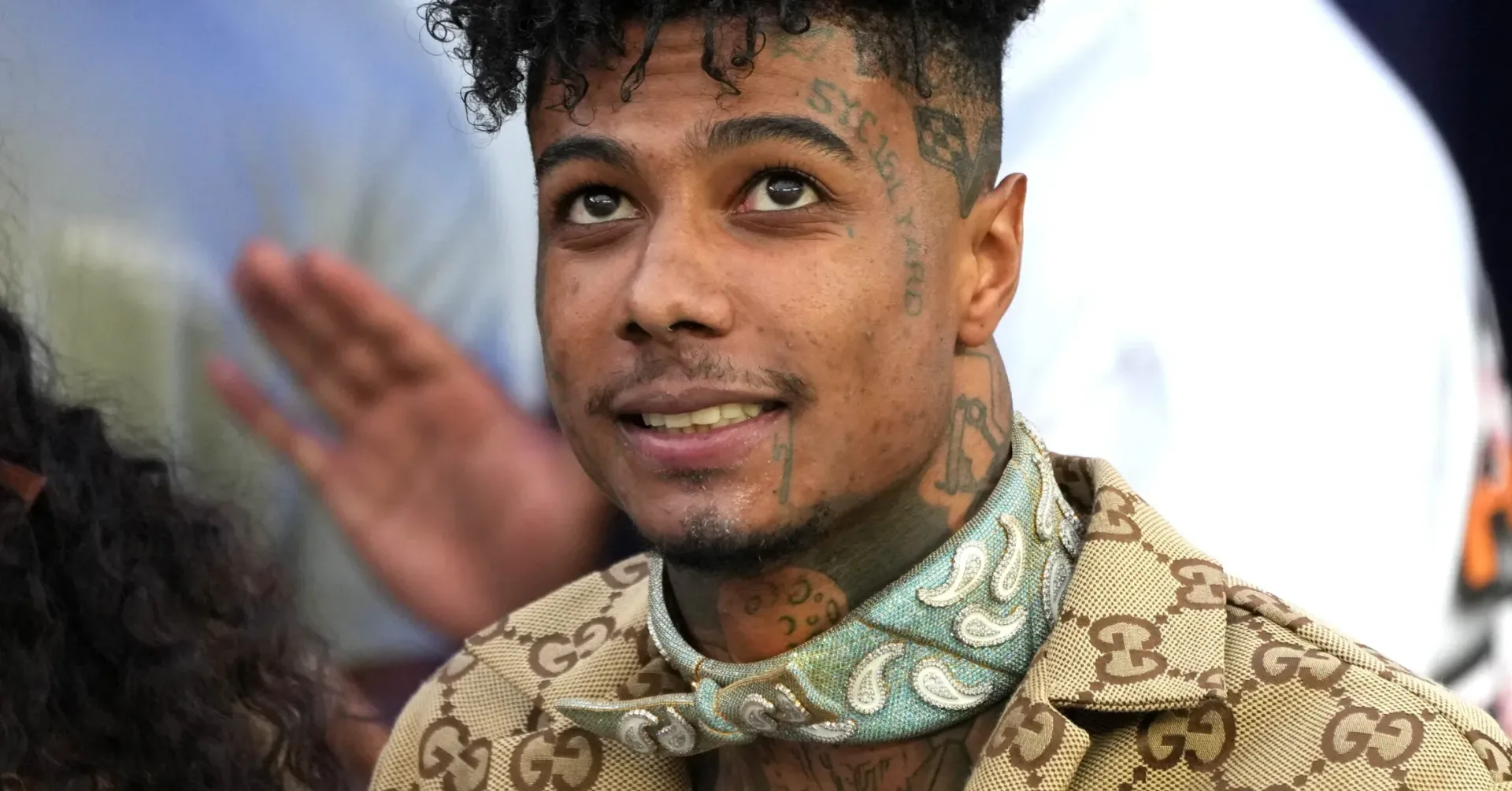
A reported dispute over a planned Baddies appearance has widened into a public clash among Natalie Nunn, Blueface and Nevaeh Akira. The central allegation is straightforward but remains contested: Nunn says Akira agreed to take part in a Baddies-related opportunity and then opted out roughly a day later because the situation felt like too much.
Nunn aired her frustration during a stream with PlaqueBoyMax, saying that she has many people eager to appear on her show and that a late change of mind was unacceptable. She also said she had documentation of the exchange. Those comments amount to Nunn’s version of the proposed booking and its collapse; no contract, payment record, or recording has been made available in the material at hand.
The disagreement is notable less because the underlying claim is complicated than because it has quickly become entangled with an already volatile relationship story. Blueface joined the conversation by calling Nunn and arguing that Akira should not be involved with future Zeus Network shows. Akira then responded publicly, disputing the idea that Nunn had meaningfully compensated her and criticizing Blueface for turning their private circumstances into content.
The immediate practical outcome appears limited but clear: a Baddies appearance connected to Akira now looks unlikely. Beyond that, the public record described so far is a sequence of competing livestream remarks and social-media-style responses—not independently verified proof of what was agreed, what was offered, or why the proposed appearance ended.
What each person is claiming
Nunn’s position is that Akira committed to an appearance and backed away at the last minute. Her criticism focuses on reliability and the impact a withdrawn participant can have on a production. In entertainment casting, a late cancellation can matter even when no episode has been filmed: schedules, promotions, travel, other participants and planned story lines can all depend on someone’s participation. But none of those production details have been established here, so they should not be assumed.
Blueface supported Nunn’s side of the argument during their call. He characterized Akira as someone who takes on opportunities before she is prepared for them, and he advocated barring her from future Zeus Network programming. That is an opinion voiced during the dispute, rather than confirmation that any formal ban has been issued. The available information does not show a statement from Zeus Network or a finalized decision about Akira’s future eligibility.
Akira’s response challenged both the compensation narrative and the way the situation was being publicly discussed. She mocked the suggestion that Nunn had simply provided her with a check, and she accused Blueface of using their relationship drama as entertainment. Her criticism goes to the heart of the conflict’s public nature: whether a failed or uncomfortable professional opportunity should be handled behind the scenes rather than used as material for streams and callouts.
That distinction matters. A booking dispute concerns whether a participant accepted, declined or withdrew from a project. A relationship dispute concerns the people involved, their history and the motivations they ascribe to one another. Once those issues collide in public, it becomes easy for commentary to treat accusations as settled facts. The available accounts do not justify that leap.
Related coverage includes Natalie Nunn, Blueface and Nevaeh Akira Trade Claims Over ‘Baddies’ Dispute.
Why the ‘Baddies’ angle changed the story
Baddies is the focal point because it adds a professional opportunity to a personal dispute. Nunn framed the alleged withdrawal as a problem for her show, while Blueface treated it as a reason to exclude Akira from future opportunities. Akira framed the episode differently, as another instance of personal conflict being made into content.
Those are incompatible frames. Under Nunn’s account, the key issue is a commitment that was abandoned after arrangements had begun. Under Akira’s response, the key issue is the public performance of authority and financial leverage around a situation she did not accept. Without records of the agreement or a fuller account from the parties who organized it, neither interpretation can be presented as definitive.
There is also a difference between a proposed appearance and a completed deal. People often use terms such as “gig,” “booking,” “appearance” and “signed up” loosely in public disputes, but they can cover very different stages: an informal conversation, a tentative invitation, a verbal agreement, a formal contract or a scheduled production commitment. The material available calls this a planned Baddies gig and attributes the “signed herself up” language to Blueface. It does not establish which stage the arrangement had reached.
That uncertainty is especially important when the conversation turns to blame. If someone is merely considering an opportunity, backing out is different from withdrawing after contracts, travel or production plans are locked. Conversely, a participant may have reasons to reconsider an opportunity even after initially expressing interest. The public statements in this dispute do not fill in those details.
Blueface and Akira’s wider breakup dispute
The Baddies disagreement arrives amid a renewed split between Blueface and Akira. Their recent reconciliation did not hold, and the current exchange has returned their interactions to a combative public posture. That backdrop helps explain why a programming disagreement became a larger spectacle so quickly: each fresh claim is being interpreted through the existing relationship conflict.
Jaidyn Alexis, another of Blueface’s former partners and the mother of his two children, also entered the discussion. She claimed that she recently slept with Blueface during his split from Akira. At the same time, she said that she and Blueface would not reunite, citing their own long and difficult history. Her claim is part of the surrounding social-media conflict and has not been independently substantiated in the supplied material.
For audiences, the result is a fast-moving mix of personal allegations, professional consequences and real-time responses. It can be tempting to read the loudest response as the most conclusive one. Yet livestream disputes reward immediacy, not documentation. The most responsible reading is narrower: Nunn says Akira withdrew from a planned opportunity; Blueface sided with Nunn and called for her exclusion from future shows; Akira rejected the framing and objected to the treatment of their personal lives as content.
A familiar public pattern, but no confirmed resolution
This is not the first time Nunn has publicly criticized someone over an alleged failed Baddies collaboration. She previously called out Kai Cenat over a project she said did not materialize, though there were few reported updates after her initial remarks. That earlier situation is not evidence of what happened with Akira; it simply shows that Nunn has used public platforms before to voice frustration about collaborations that she believes fell through.
For now, there is no confirmed resolution to the latest dispute. Nunn says she has a recording. Blueface has stated his preference that Akira not return to Zeus Network shows. Akira has issued her own rebuttals. There is no supplied evidence of an official network ban, an announced replacement appearance, a settlement, or a mutually agreed explanation of the alleged cancellation.
The safest conclusion is therefore also the most useful one: the alleged Baddies booking is in doubt, and the people involved sharply disagree about what that means. Until documentation or a formal statement clarifies the status of the arrangement, claims about payment, commitment and future participation should remain clearly labeled as claims.
For another recent example of how online accusations can spread faster than verification, see this examination of an Instagram dispute where key claims remained unverified.