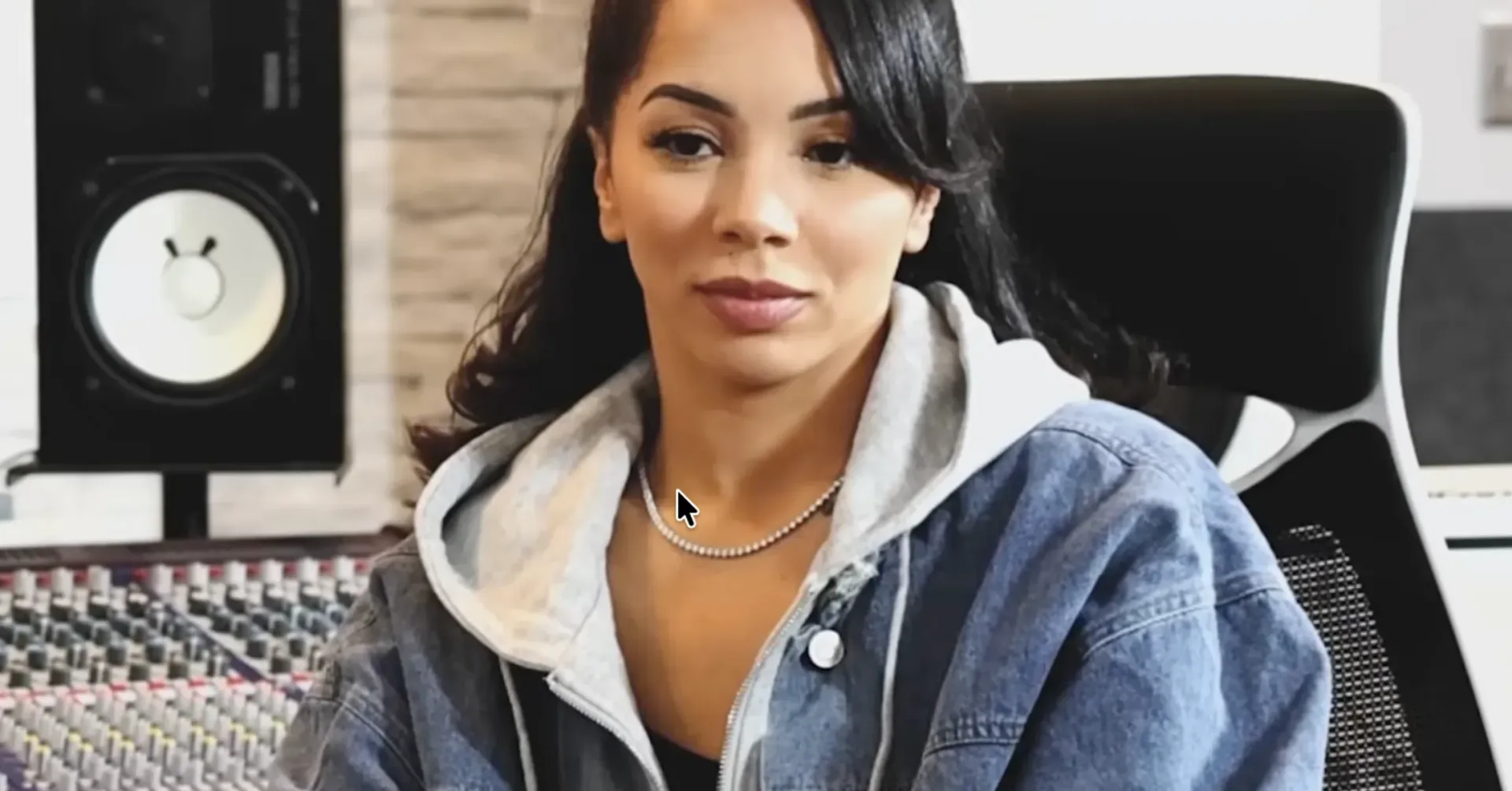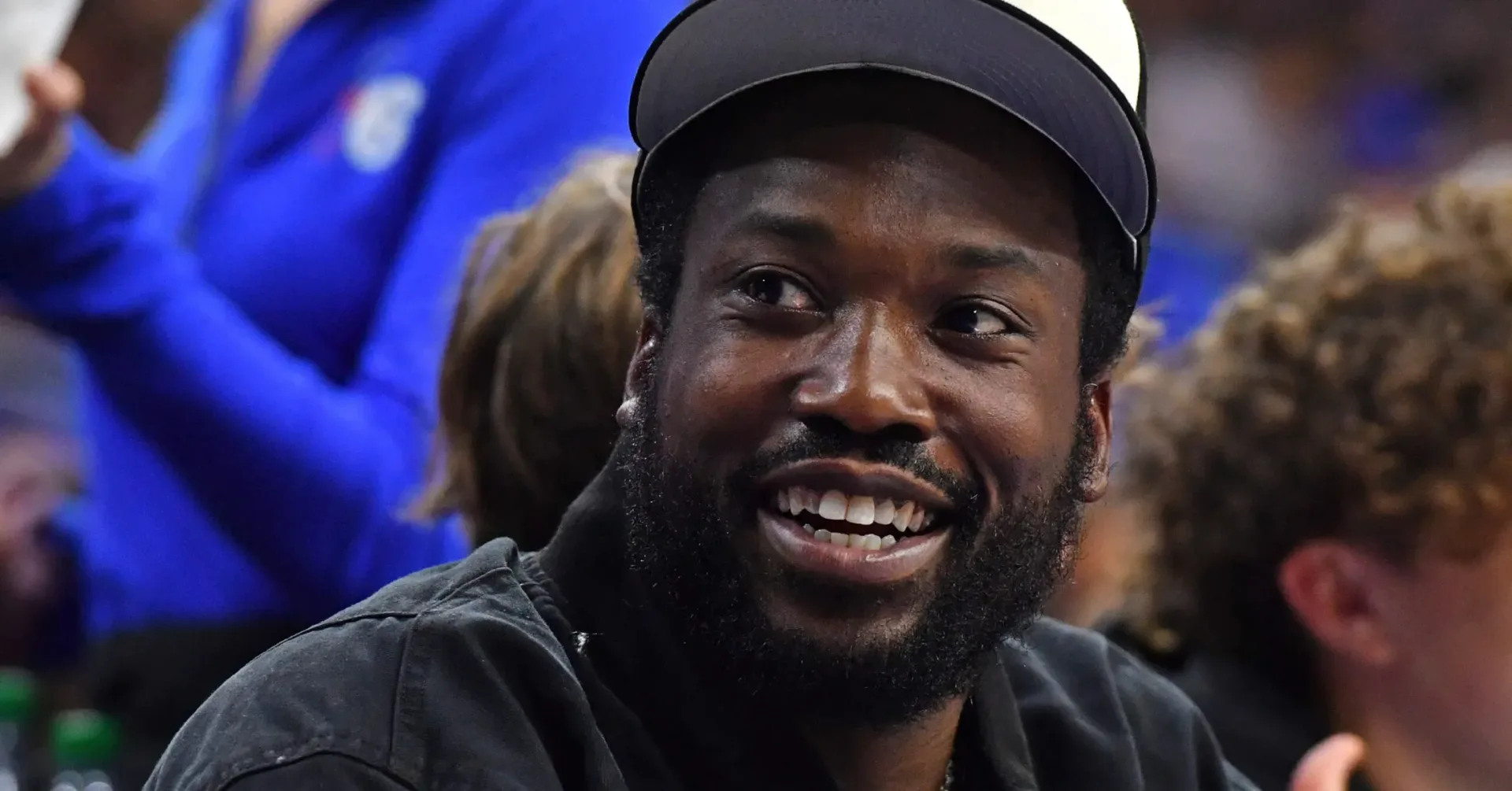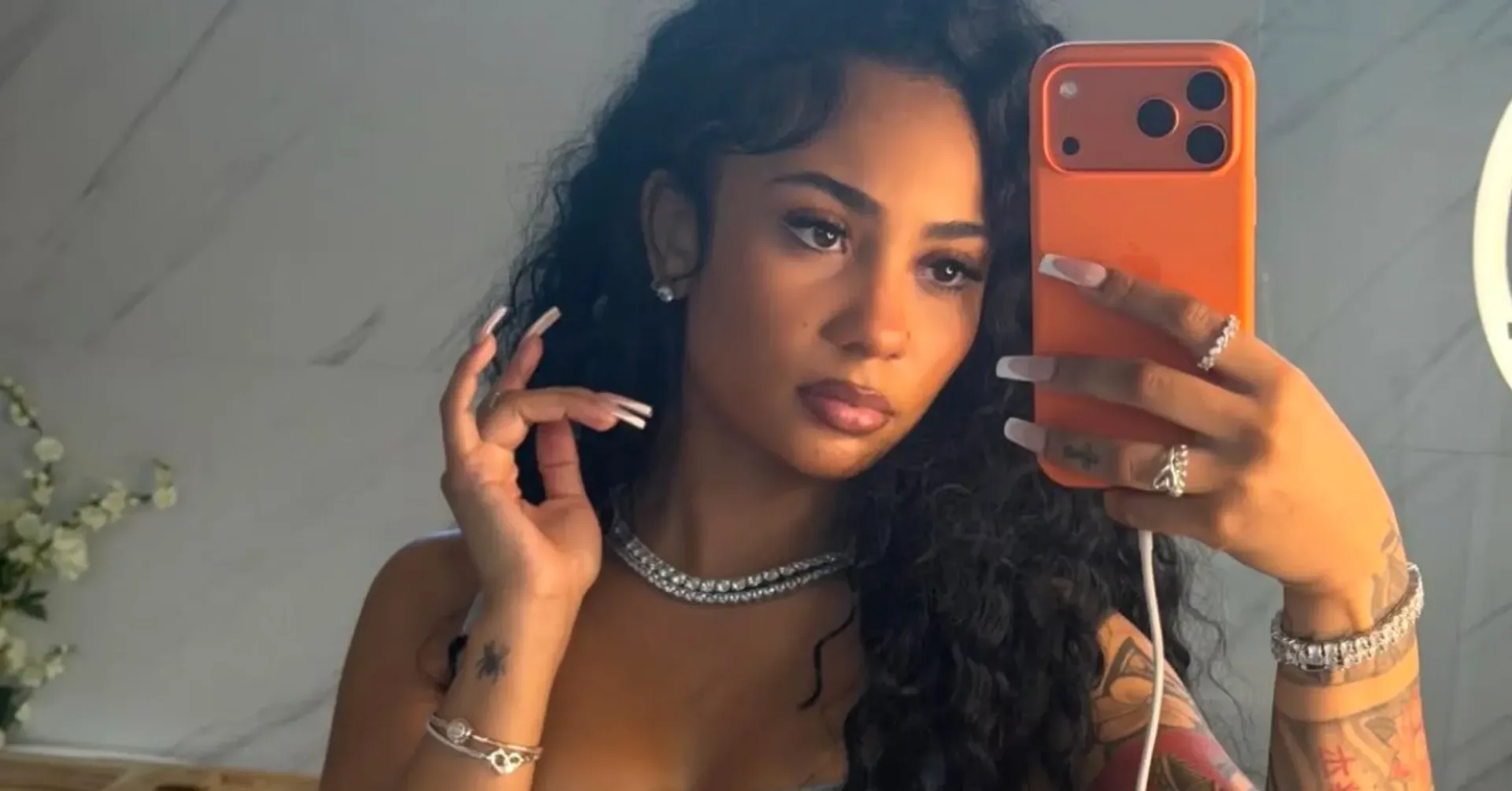
A public dispute between content creators Summyah and Tatiana Chanell has intensified across Instagram Stories and related social-media reposts. What began around an interaction involving rapper NoCap has become a wider exchange of highly personal accusations, references to former partners and mutual challenges to fight.
The most important point is also the easiest to lose in the speed of an online pile-on: the claims traded by the two women are allegations, not established facts. The people named or alluded to in the exchanges have largely not publicly addressed the matter, and the supplied material does not substantiate the sexual or financial allegations now being repeated across social platforms.
That distinction matters. A viral Story screenshot, a reposted direct-message image or a forceful caption can spread rapidly, but none of those things alone verifies a claim about someone’s private life. The dispute is newsworthy as an example of a very public online fallout; it is not a basis for presenting unverified accusations as biography.
How the dispute appears to have started
The escalation appears connected to NoCap, who had previously dated Summyah. After he posted that he was single, Chanell liked the post. Material described as leaked direct messages later circulated, allegedly showing NoCap asking Chanell for her number.
For more context, explore Neil Patrick Harris Will Lead ‘Damn Yankees’ Broadway Revisal With MLB as Partner.
Chanell said her reaction to the post was tied to learning that Summyah had allegedly been involved with Chanell’s former partner, rapper Real Boston Richey. Chanell had previously made serious accusations against Real Boston Richey, including allegations of grooming and abuse. Those allegations are separate from the current conflict and should not be treated as resolved by this new round of social-media argument.
From there, Summyah and Chanell began making broad claims about each other’s alleged relationships with prominent entertainers and athletes. Some statements named public figures, while others referred only to unidentified professional players or locations. Repeating that roster would add little verified information and would amplify personal claims that have not been independently established.
What is actually known—and what is not
The available account supports a narrow set of facts: Summyah and Tatiana Chanell, formerly friends, are engaged in a visible online feud; NoCap’s single-status post and Chanell’s like were part of the dispute’s early public context; alleged direct messages circulated; and both creators used social posts to accuse the other of private conduct.
It does not establish whether the accusations are true. It also does not establish the authenticity, completeness or context of any screenshots described as leaked messages. Digital material can be cropped, selectively presented, edited or circulated without the surrounding conversation. Even authentic messages may not prove the broader conclusions people attach to them.
There is also no indication in the supplied information that the celebrities and athletes pulled into the exchange have confirmed the accusations. Silence is not proof in either direction. It simply means the public does not have a verified statement from those people within the material available here.
Why “alleged” is not a formality
Alleged means a claim has been made but has not been proven or independently verified. It is not a decorative word that turns rumor into a safe fact. In a feud built around claims of private sexual and financial arrangements, the distinction protects readers from treating social-media combat as reporting.
Likewise, “went viral” describes reach, not reliability. A post can be popular because it is provocative, funny, shocking or useful to participants in a feud. None of those qualities demonstrates accuracy.
The incentive structure behind a public feud
Summyah and Chanell are described as streamers, entrepreneurs and content creators, meaning their public identities are closely linked to online attention. That does not prove either person’s motive, and it should not be used to dismiss genuine conflict. But it does explain why a personal disagreement can quickly become a content event: Stories create an immediate channel for response, repost accounts package the dispute into a running narrative, and viewers are encouraged to interpret every like, caption and promotional post as part of the contest.
The conflict reportedly has extended to trolling through brand promotion as well as direct challenges to fight. That blend can make a dispute hard to separate from performance. A promotional post may be business as usual, a deliberate jab, or both. Outsiders usually cannot know without reliable context, yet online audiences often reward the most certain interpretation.
That dynamic can be especially damaging when third parties are brought in by name. Famous people may have large audiences and extensive media coverage, but public recognition does not reduce their right to be described accurately. It also does not turn unverified statements about their intimate lives into fair game for casual repetition.
A practical way to read viral interpersonal drama
Readers who encounter clips, screenshots or reposts from this situation can use a few simple checks before sharing them:
- Separate the event from the accusation. It is reasonable to say two creators are publicly feuding. It is not responsible to state a private-life claim as fact without corroboration.
- Check whether a post is primary material. A repost account may omit a prior Story, a reply, a deletion or an entire conversation that changes the apparent meaning.
- Ask what confirms the claim. A second account repeating the same screenshot is not independent confirmation.
- Be cautious with named third parties. Search traffic and fan speculation can magnify harm even when no one involved has substantiated the statement.
- Do not equate nonresponse with admission. People often ignore online feuds for personal, legal, professional or practical reasons.
Those habits are useful beyond celebrity gossip. They apply whenever private allegations are converted into public entertainment through short-form posts and fast-moving commentary.
The current picture
For now, the story is an ongoing rift between two creators who once had a friendship and are now airing grievances in public. The apparent trigger involves NoCap, a like on his post, and claims about a former relationship. The dispute has since widened into a chain of unverified allegations involving multiple recognizable names, plus references to unnamed athletes.
As the exchange continues, the clearest responsible framing is also the most limited one: Summyah and Tatiana Chanell are disputing each other online, and the more sensational personal claims have not been verified. Readers can follow the public discussion around the Instagram Story dispute without treating rumors as settled record.