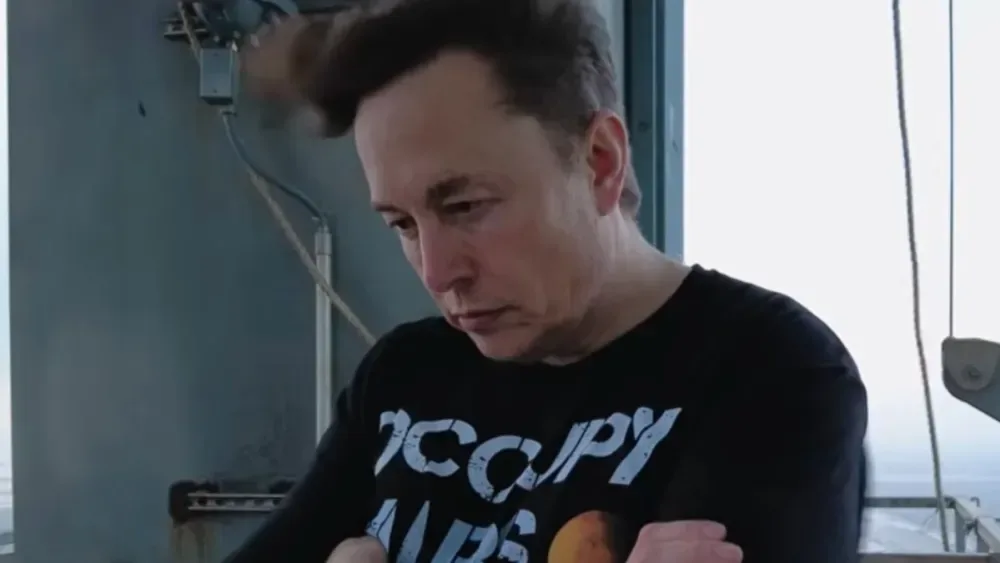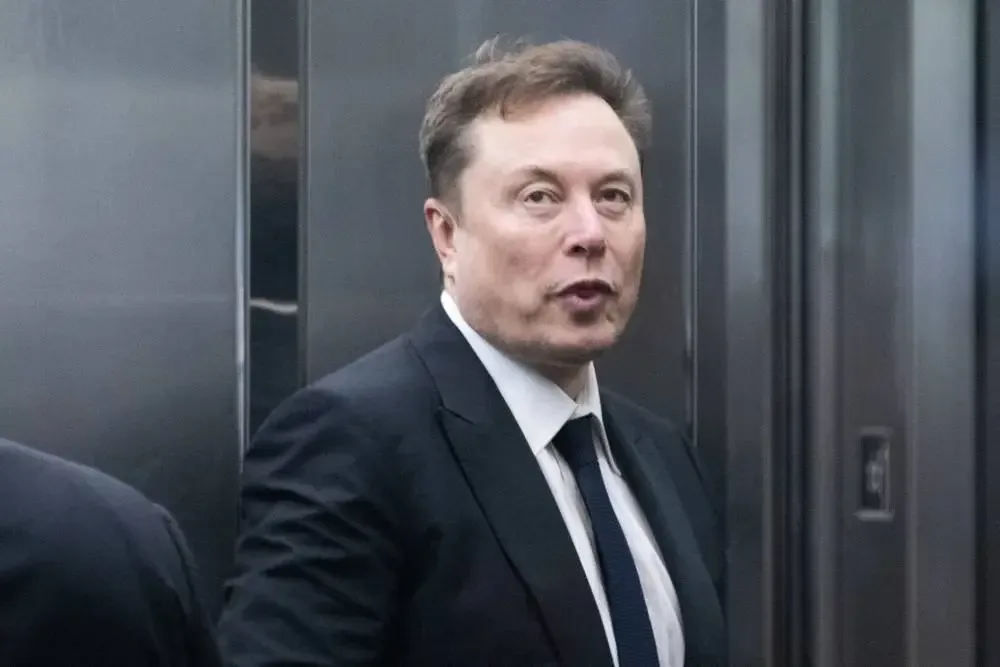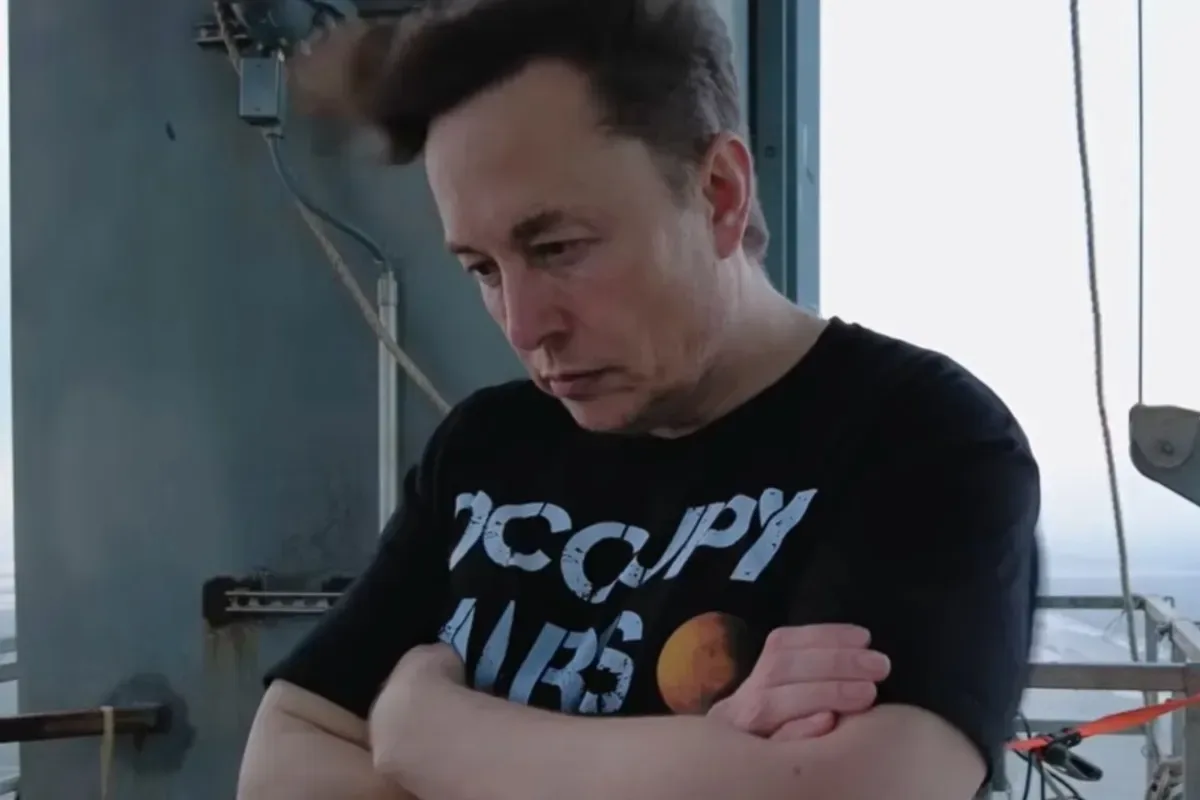
Bleecker Street has released a trailer for Musk, Alex Gibney’s documentary centered on Elon Musk. The film is scheduled to open in theaters on Oct. 9 and arrives after festival screenings in Venice and Toronto.
The basic facts make this a notably outsized nonfiction release: Musk runs for almost four hours, focuses on one of popular culture’s most polarizing public figures, and comes to cinemas without Musk’s participation. That last point is especially significant because Musk has already publicly condemned Gibney and the film’s apparent approach in posts on X, the platform he owns.
A long documentary about an unusually large public subject
A runtime approaching four hours is a serious commitment for a theatrical documentary. It signals that the film is positioned as an expansive examination rather than a brief profile or a tightly limited account of one event. The supplied details do not identify the specific subjects, interviewees, claims, or chronology in the documentary, so those elements should not be assumed from the trailer announcement alone.
Still, the scale is easy to understand in broad terms. Musk is described as the world’s richest man and a technology mogul, while also being one of the most divisive people in popular culture. A film built around a figure with that degree of visibility will inevitably encounter competing narratives: the public story told by supporters, the critiques raised by detractors, and the documentarian’s own editorial choices about what belongs in the final cut.
That is where the word exposé, used to characterize Musk, matters. An exposé is a work designed to investigate or reveal information and behavior that its makers believe deserves scrutiny. It is not a neutral synonym for “biography.” The term describes an investigative posture, but it does not by itself establish the accuracy of every conclusion a film may make. Viewers should distinguish between documented material presented in the documentary, testimony from participants, the filmmakers’ interpretation, and Musk’s responses.
Festival route and theatrical date
Musk premiered out of competition at the 83rd Venice International Film Festival on Sept. 8. It received a four-minute standing ovation there before going on to screen at the Toronto International Film Festival.
“Out of competition” is a festival-programming designation. It means a selected film is shown as part of the event but is not in the running for that festival’s main competitive awards. The status does not mean the film was a secret screening or an unfinished production; it simply describes how it was placed in the festival lineup.
The Venice reception offers one early measure of audience response, but applause at a premiere should not be treated as a verdict on the film’s argument or an indication that all viewers will react the same way. A standing ovation reflects the response in that room at that moment. The more consequential next step is the Oct. 9 theatrical opening, when audiences can evaluate the complete work rather than infer its contents from promotional material and online reactions.
The festival calendar has been busy more broadly, with honors and premieres continuing to put film culture in focus; for another current festival item, see John Malkovich’s Santa Barbara Film Festival performer honor.
Musk’s public objections
Musk was not involved in making the documentary. He has also made clear that he strongly objects to Gibney’s work. Replying on X beneath video of the director at a press conference for Musk, Musk wrote that “dogshit is worth more respect” than Gibney.
In another reply, Musk alleged that Gibney had assembled a “hit list” of people who either had grievances against him or did not know him but still had grievances. Musk added that Gibney had “ZERO integrity” and called him a “Horrible human.”
Those remarks are Musk’s personal assessment of the director and film, not independently established findings about its methods. Conversely, the description of the project as an exposé indicates an adversarial or critical framing, but the available information does not provide enough detail to verify what individual assertions the finished film makes or how each is supported. The clearest account at this stage is that the central subject did not participate and has forcefully rejected the project in public.
Why non-participation changes the viewing context
A subject’s refusal to participate does not prevent a documentary from being made, nor does participation automatically make one definitive. It does, however, shape the context in which an audience should watch. When the central subject is absent, viewers may reasonably look for clarity about the evidence on screen, the identity and relevance of interviewees, the sourcing of archival material, and whether contested claims are presented with enough context.
In this case, Musk’s stated objection includes a criticism of prospective contributors’ motives. That is a familiar point of dispute around documentaries involving contested public figures: critics may argue that participants carry grudges, while filmmakers may regard people with direct experience as essential witnesses. Neither proposition can be resolved merely by knowing that a contributor appears in a film. Relevance, corroboration, documentation, and whether viewers can understand a speaker’s relationship to the subject are the more useful questions.
Gibney’s film will therefore be entering theaters with a dispute already attached to it. That conflict may draw added attention to the release, but it should not substitute for engagement with the documentary itself. A trailer is marketing material, and Musk’s X posts are a response from a party who says he had no role in the production. They offer context, not a complete evidentiary record.
What the trailer release does—and does not—confirm
The trailer confirms that Bleecker Street is now promoting the film ahead of its theatrical release. It also places the project firmly in the public conversation after its Venice and Toronto screenings. The announcement confirms the nearly four-hour runtime, the Oct. 9 theater date, and Musk’s lack of involvement.
It does not, based on the information available here, specify a rating, ticketing details, cities, streaming plans, a digital release window, or a full breakdown of the film’s content. It also does not provide a direct response from Gibney to Musk’s comments. Those distinctions matter because a long, high-profile documentary can quickly become the subject of claims beyond what its release information actually establishes.
For now, Musk is best understood as a major-length documentary profile with an explicitly investigative reputation, a festival path through Venice and Toronto, and an already hostile reaction from the person at its center. Its theatrical opening on Oct. 9 will give audiences their first broad opportunity to assess how Gibney builds that case across its almost four-hour running time.