The next Resident Evil movie is bringing a piece of Raccoon City’s emergency equipment to the concession stand—although this particular survival item appears designed to carry snacks rather than save anyone from a Tyrant.
Regal has revealed a themed popcorn bucket tied to the film’s September 18 theatrical release. Rather than taking the usual route of making a tub shaped like a character head, monster maw, or miscellaneous piece of franchise architecture, the collectible is styled as an insulated medical courier bag. Its visual hook is immediately recognizable to players familiar with the remake-era games: it resembles the “Insert First Aid Kit” container seen in Resident Evil.
That gives the item a delightfully strange identity. It is a popcorn vessel, certainly, but one with a form factor that could plausibly be useful after the credits roll. The insulated bag can hold popcorn at the theater, then potentially move on to a park trip, a beach day, or the everyday task of hauling a water bottle. The apocalypse-chic presentation means every normal errand can briefly feel like a supply run through a city that has made several catastrophic municipal health decisions.
A concession collectible with an actual second job
The branded popcorn container has become a familiar part of big-screen fandom, and the more memorable designs increasingly aim to become keepsakes instead of disposable packaging. A conventional bucket is straightforward, stackable, and perfectly capable of holding popcorn. It is also, once emptied, a very specific kind of plastic cylinder. A compact insulated carrier at least makes a case for remaining in circulation.
That practicality is the clever part of the Resident Evil design. The medical courier bag look is not just a graphic wrapped around a standard tub; it connects the object’s apparent use with its fiction. First aid, field supplies, temperature-sensitive cargo, and a crisis-delivery aesthetic all fit a series where inventory management has often mattered almost as much as accuracy under pressure. In this instance, the collector item understands that a good reference can do more than simply display a logo.
There is, of course, comedy in the mismatch. A bag that suggests medical urgency will be asked to transport popcorn. It could later carry a drink, picnic items, or other ordinary supplies. Anyone imagining more grisly cargo has wandered past the recommended use case, though the insulation does invite a certain amount of black humor. This is Resident Evil; a mildly unsettling joke is part of the package.
For collectors, the appeal may lie in that crossover between recognizable game iconography and a function that does not demand a dedicated display shelf. The best promotional objects tend to have a clean answer to two questions: does it evoke the property, and would anyone use it once? This bag has a credible answer to both. Its visual language is tied to a well-known in-game medical item, while its insulation gives it a purpose beyond sitting empty beside a stack of ticket stubs.
That does not mean every fan will want to convert a movie souvenir into a lunch-adjacent accessory. Some will prefer to keep it clean, dry, and display-ready. Others will use it until it accumulates the honorable scratches of actual service. Either choice is defensible. The important thing is resisting the temptation to fill it with loose inventory items and insist that it is all perfectly organized.
Collectors dealing with themed theater gear also face the usual small dilemma: buy the silly thing because it is a silly thing, or buy it because it is unexpectedly useful. Often, those are merely two phases of the same decision. The collector’s familiar cycle of buying one small thing is especially relevant when that “small thing” is an insulated tribute to emergency medicine and biohazard-adjacent survival.
The movie’s Raccoon City premise suits the bag
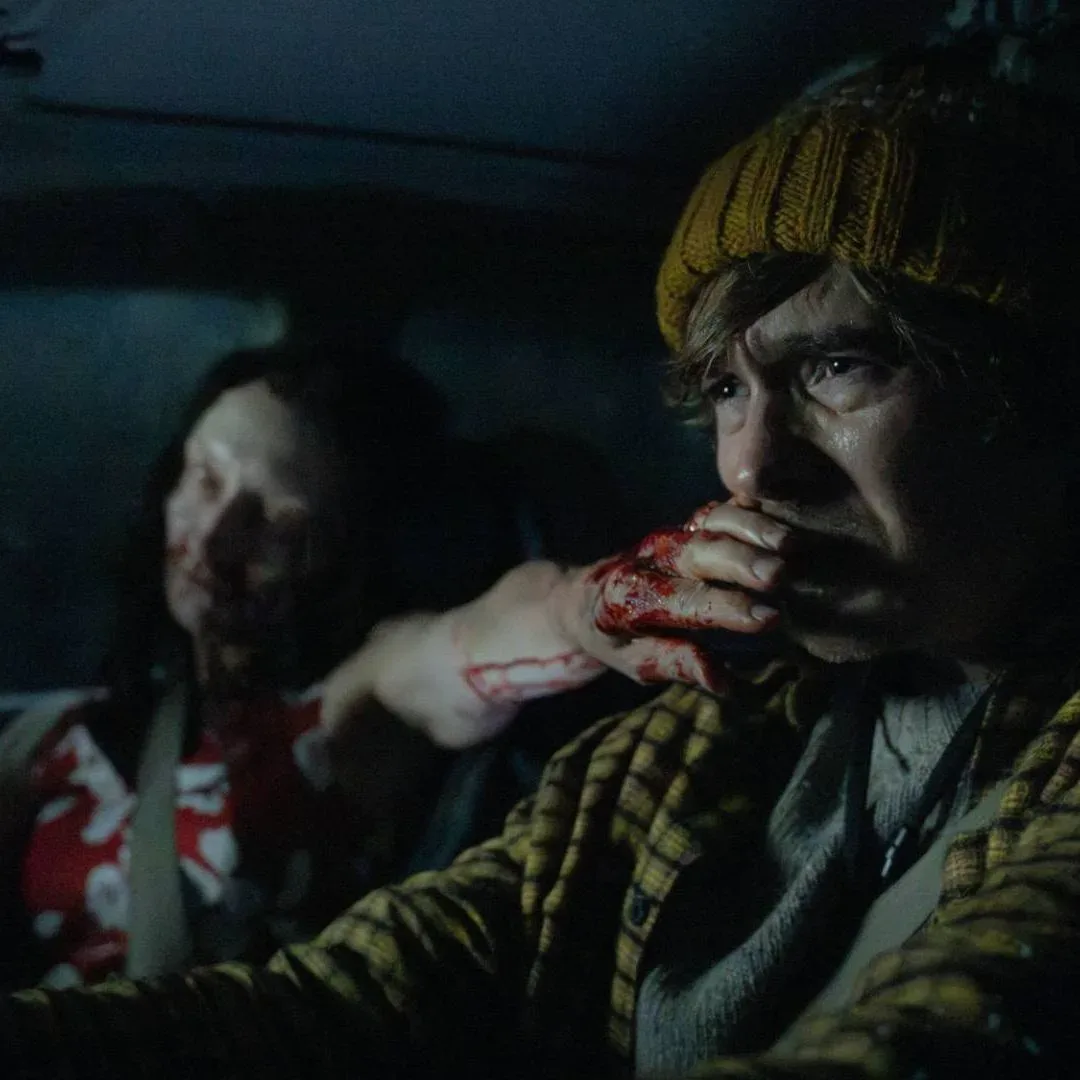
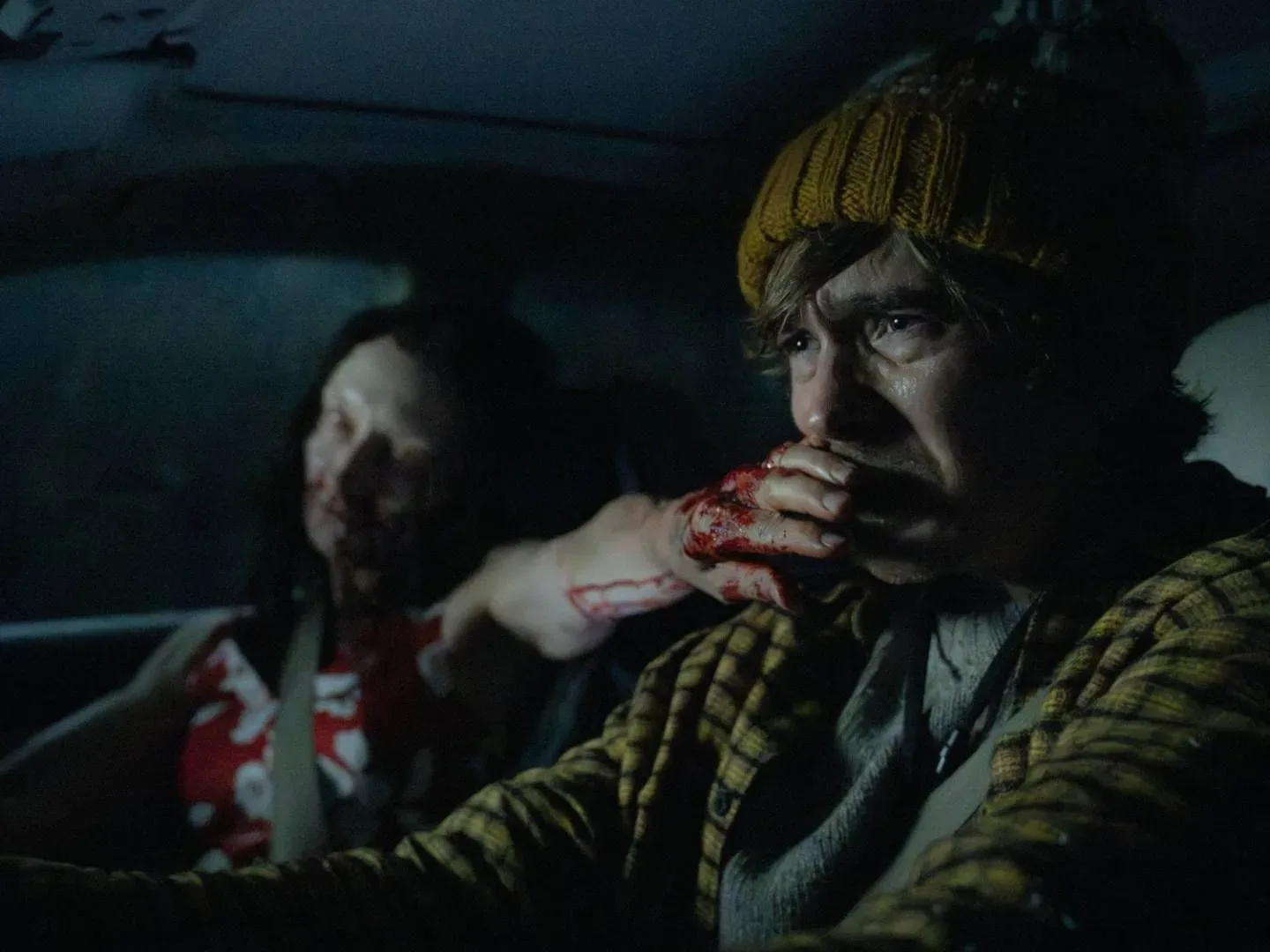
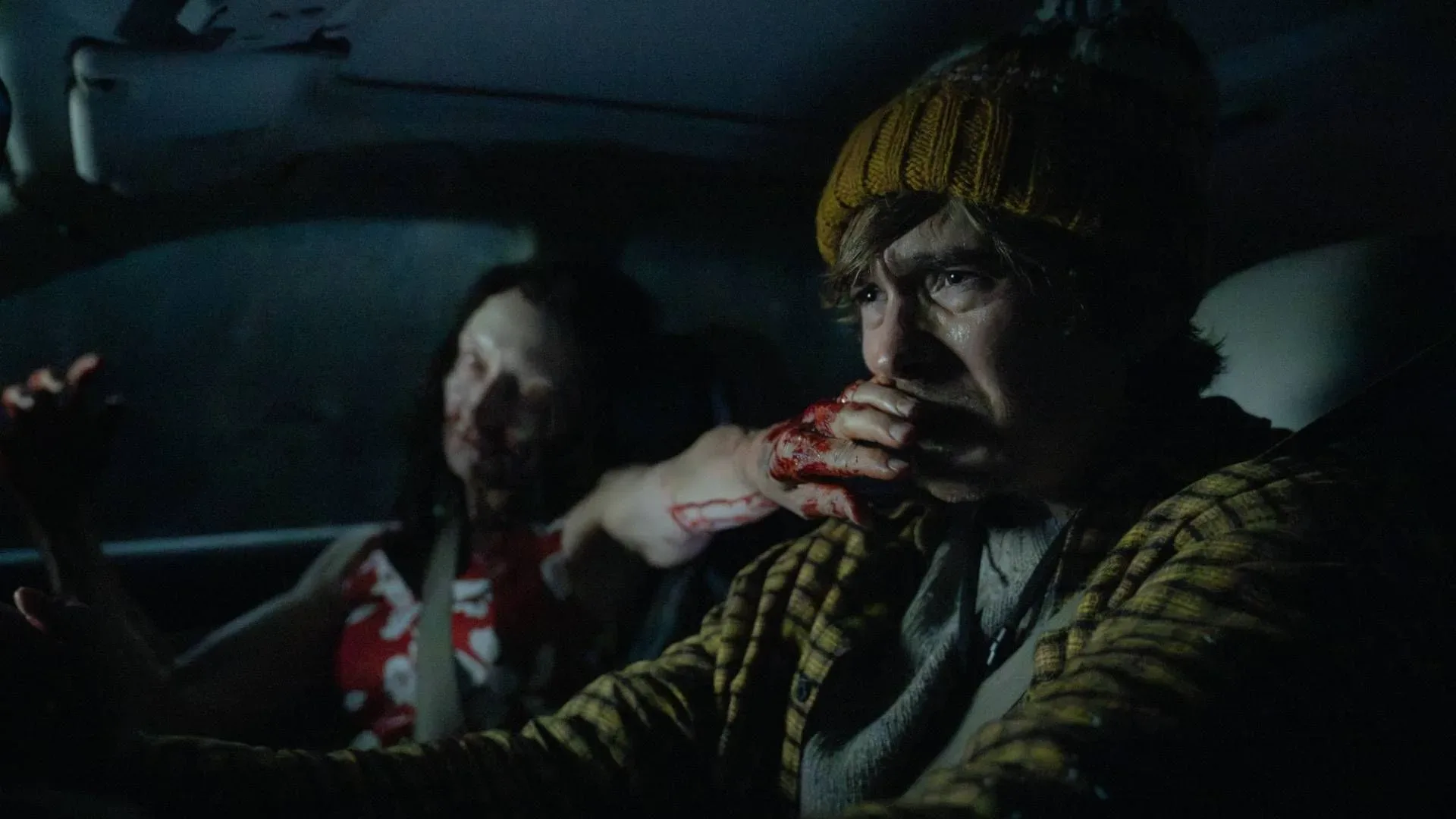
The carrier also aligns neatly with the premise of the upcoming film. The story centers on Bryan, a medical courier making a delivery to Raccoon City General Hospital. An outbreak puts that route—and Bryan’s survival—in immediate danger. A medical courier bag is therefore more than a random visual nod to healing items from the games; it sits close to the movie’s setup.
Zach Cregger directs the film and co-wrote the screenplay with Shay Hatten, whose previous screenwriting work includes Army of the Dead. The cast includes Zach Cherry, Kali Reis, and Paul Walter Hauser. Those details establish a movie focused on a fresh lead caught in the franchise’s familiar setting, rather than treating the theater collectible as a reference without any relationship to the film around it.
Raccoon City General Hospital is fertile territory for a franchise built on contaminated spaces, sealed doors, limited supplies, and a profound distrust of any hallway that looks too quiet. It also makes the courier concept naturally tense. Deliveries are mundane until the environment turns hostile. A simple route becomes a survival objective, and an ordinary bag becomes the kind of thing a viewer might reasonably associate with the person trying to get through it.
Game references appear to be part of the plan
The first-aid-kit styling suggests that the film’s connection to the games will not stop at the Resident Evil name. Cregger is a fan of the series and has played Resident Evil Village in VR, a particularly committed way to volunteer for stress. Footage from the film has also included shots presented with a first-person visual approach.
That does not reveal the full shape of the adaptation, and viewers will have to wait for the film to see how those choices fit the story. Still, it establishes an expectation that game imagery and Easter eggs may have a visible role. The concession item is a small but unusually direct example: it borrows an object-like piece of game vocabulary rather than merely placing a title treatment on a generic product.
There is a fine line between a reference that rewards familiarity and one that turns into a scavenger hunt with actors occasionally passing through it. The most promising detail here is that the item being referenced is practical within the games’ survival-horror logic. First aid kits are not decorative background lore. They represent preparation, recovery, and the anxious ritual of opening an inventory when the next encounter is unlikely to go smoothly. Translating that symbol into a real insulated bag is goofy, but it is also oddly faithful to the object’s intended spirit.
It is not hard to see why fans might find this more appealing than a purely monstrous novelty bucket. A creature-shaped container can be spectacular in a photograph. A small carrier styled after an in-game supply container has the quieter charm of something that looks like it could belong in the world. At least until somebody opens it and discovers popcorn instead of healing spray.
What makes it collectible without making it precious
Movie memorabilia is often judged by scarcity, condition, and the strength of its connection to a beloved property. This item’s strongest case is more immediate: its design is legible. A person who knows the games can see the intended reference, while a person who does not may simply see a compact medical-style bag with a striking horror tie-in.
The insulation creates a different kind of value than a limited-edition statue or a signed prop. It encourages use, which can be a hard sell for collectors trained to preserve everything in factory-fresh condition. But not every piece has to become a museum artifact. Some franchise items are at their best when they become part of routine life—provided they are cared for and kept away from unpleasant spills, accidental moisture, and any truly inadvisable attempts at role-playing as a Raccoon City courier.
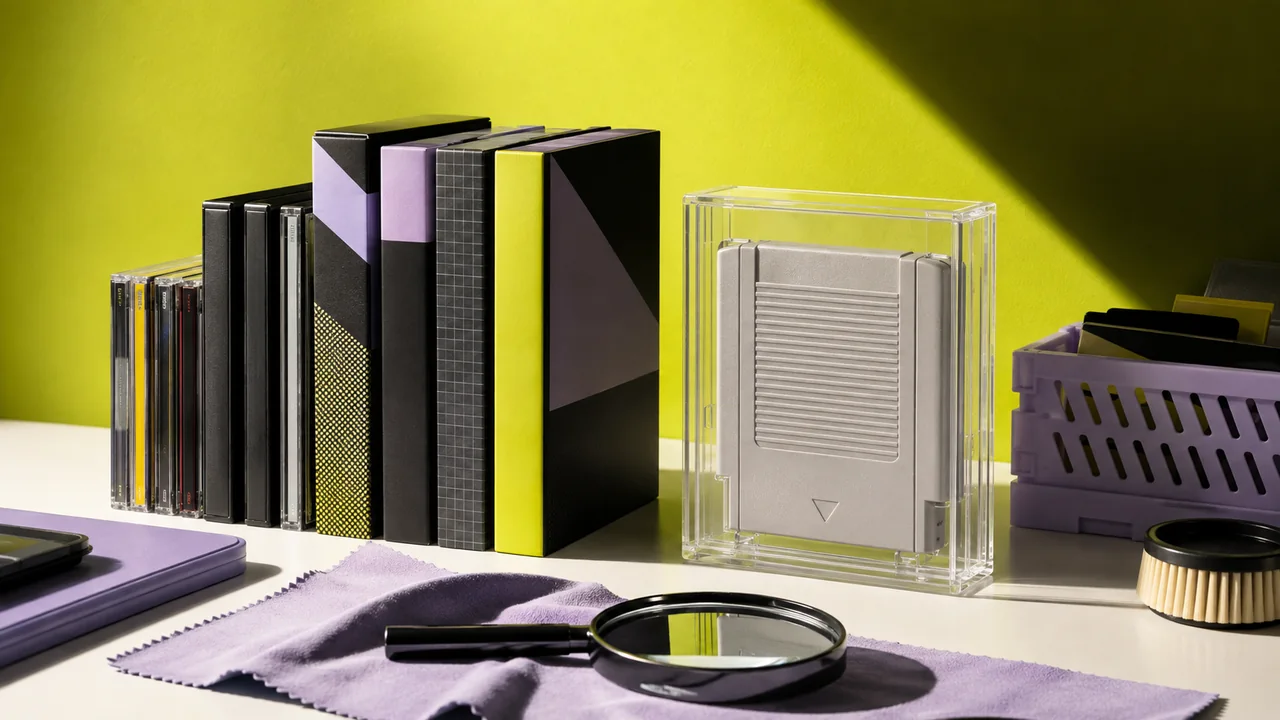
Anyone building a broader game collection may recognize the same balancing act with older hardware and physical media: preservation matters, but so does being able to enjoy the object. For the more durable parts of a collection, a sensible approach to storing retro games can help keep games accessible rather than permanently buried under protective anxiety. A themed carrier is lower-stakes, but the principle is familiar.
The Resident Evil movie arrives in theaters on September 18. The themed Regal popcorn bucket offers a very specific companion for that trip: a portable, insulated homage to a first aid kit, built for snacks now and harmless civilian errands afterward. It is gross only in the most franchise-appropriate sense—and unusually practical for something designed to celebrate an outbreak at a hospital.