Warning: this article discusses a major plot element from Carrie and its new television adaptation.
Mike Flanagan’s Carrie adaptation makes a deliberate change to one of the story’s most notorious moments. The pig slaughter that enables the prom-night humiliation of Carrie White happens off screen, rather than being presented directly to viewers.
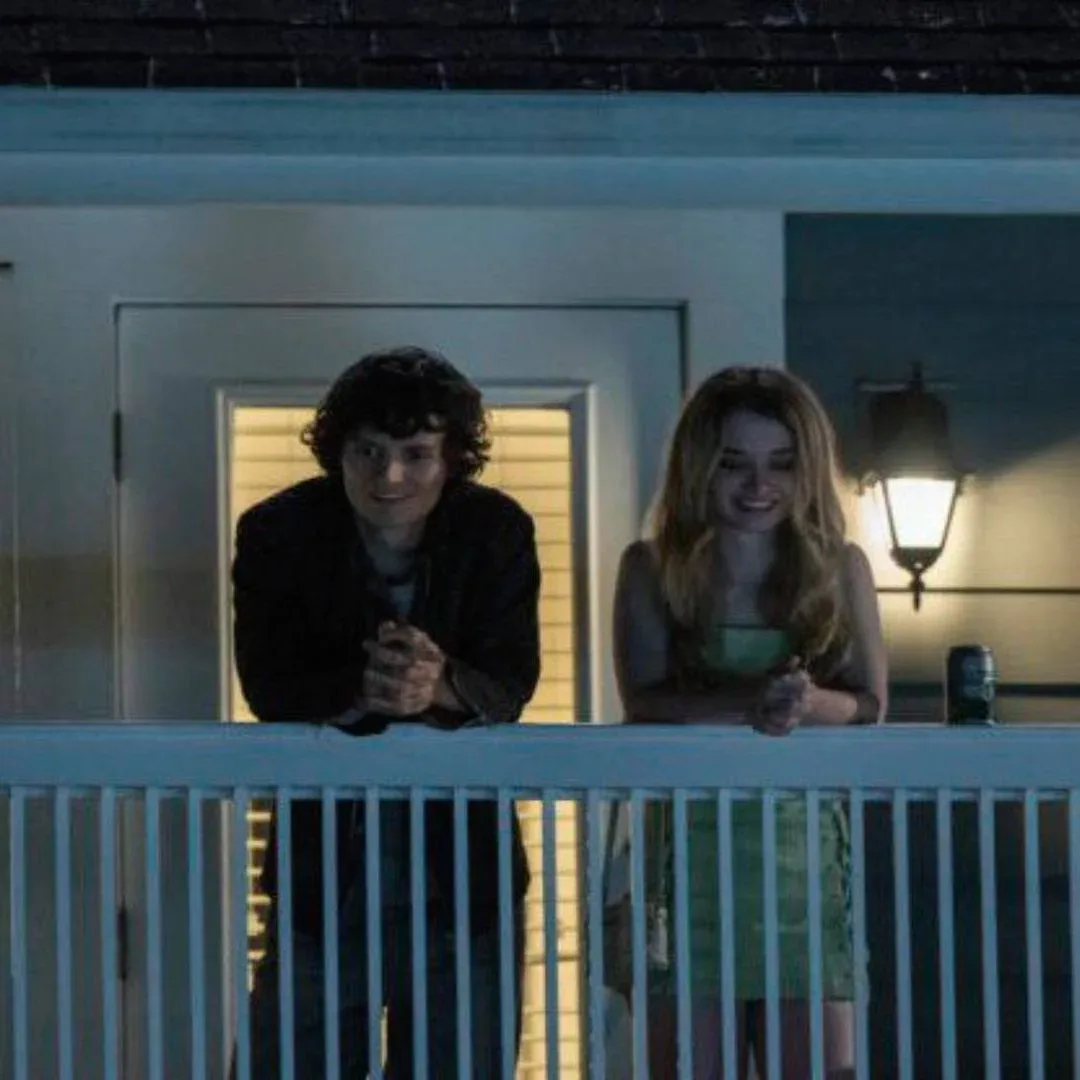
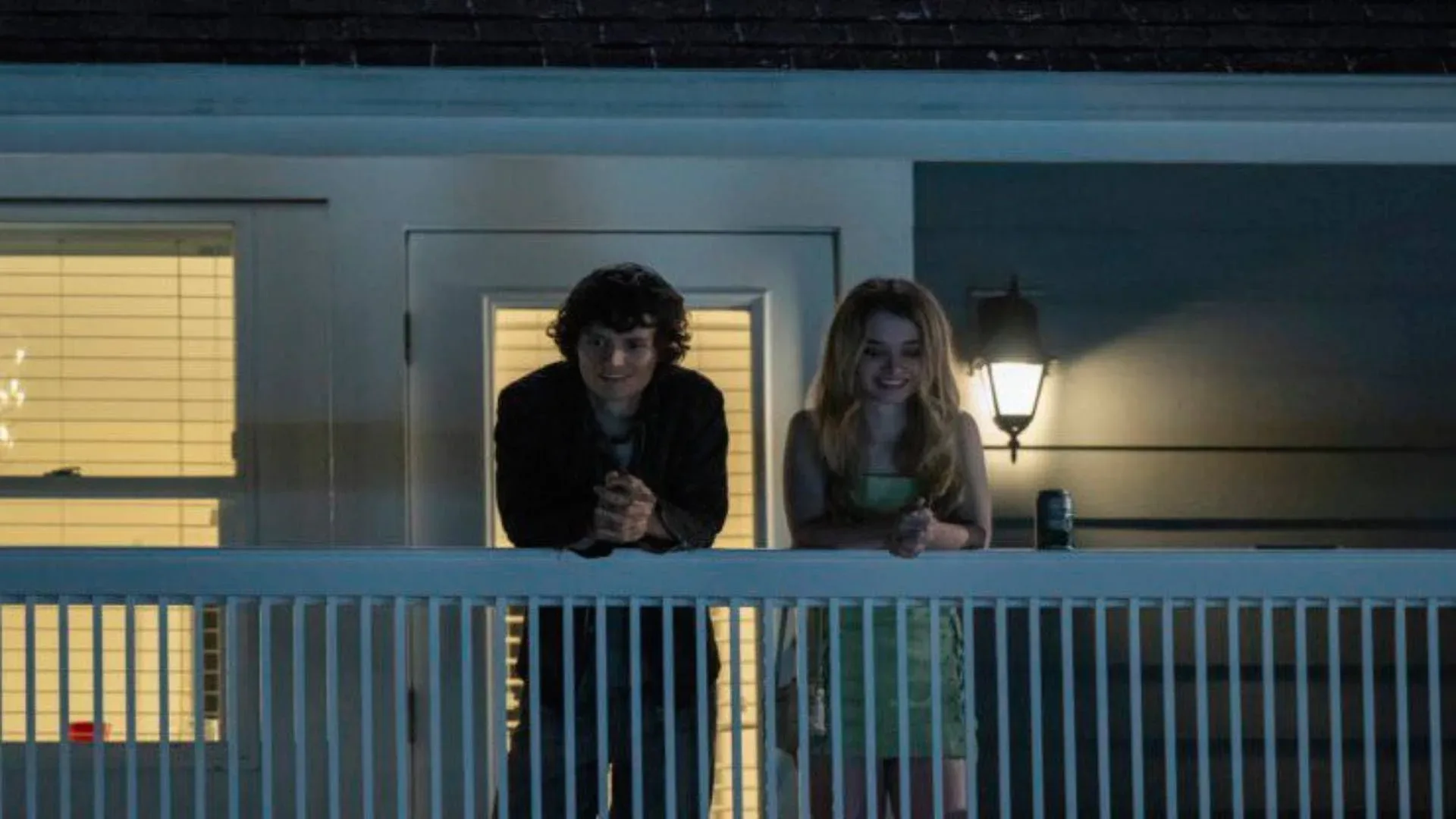
That is not an accidental omission or a break from the story’s central plot mechanism. The blood is still part of Chris Hargensen and Billy Thornton’s plan to target Carrie. Instead, the series moves the act into a pre-prom montage and focuses on Chris as it occurs beyond the frame. She is excited and seemingly untroubled by what is happening.
Flanagan said he did not feel he had the stomach to show the animal being killed. More importantly, he identified Chris’s absence of horror as the more disturbing image. In his view, the series already asks audiences to endure substantial cruelty, and lingering on the slaughter would mean forcing viewers to confront an additional act of suffering that the drama did not need to show explicitly.
“There’s so much cruelty in the show,” Flanagan said, explaining that Chris’s lack of horror and fascination with the act were what made the sequence frightening to him.
It is a small staging decision with large consequences for how an audience reads the scene. Rather than make the pig’s death the visual centerpiece, the adaptation directs attention toward the person who can witness it without apparent remorse. The horror is not removed; it is relocated from graphic action to character.
The plot point remains, but the camera’s priorities change
In the 1974 novel, Chris and Billy obtain pig’s blood by breaking into a farm while its owner is away and killing a pig. The book describes the event without making it an extended explicit set piece. Their motivation is brutally simple: use the blood in the plan to dump it over Carrie when she is named prom queen.
The 1976 film takes a more direct route. Its version shows Billy, played by John Travolta, and Chris, played by Nancy Allen, killing the animal as it squeals. Their excitement is part of the scene’s design. It does more than establish where the blood came from; it gives the audience a blunt indication of the cruelty and commitment behind the prank.
Flanagan’s television version retains that narrative information while withholding the image itself. This is an example of off-screen action: an event is understood to occur, and can still shape the plot and characters, but the camera elects not to show it. Off-screen action is not necessarily a softer choice. It can leave viewers to imagine the event, while allowing the scene to stress a reaction that may be more useful to the story.
Here, Chris’s unfazed demeanor is the point. Viewers are invited to measure the distance between the act occurring nearby and her response to it. That contrast makes her detachment evidence of who she is, without requiring the episode to display the killing in detail.
Why Chris’s reaction is the real horror
Chris Hargensen’s participation matters because the pig blood is not an isolated shock image in Carrie. It is preparation for an intensely personal public humiliation. Carrie is the intended target; the plan is designed to turn a seemingly celebratory moment into a spectacle of degradation. The violence against the animal, then, is part of a chain of cruelty directed at another person.
Flanagan’s explanation frames the sequence around that human chain. Chris is not portrayed as merely tolerating what Billy does. The adaptation places an excited, unshocked Chris within the montage. The lack of visible disgust becomes a storytelling shorthand for how far she has gone, and for the particular kind of menace she represents.
That approach also avoids a potential problem with graphic depiction: the pig’s suffering could become the moment viewers remember most clearly, even though the story’s emotional center is Carrie and the treatment she receives from the people around her. By declining to make the animal killing a sustained visual event, the series preserves the fact of Chris and Billy’s act while keeping the larger pattern of human cruelty in focus.
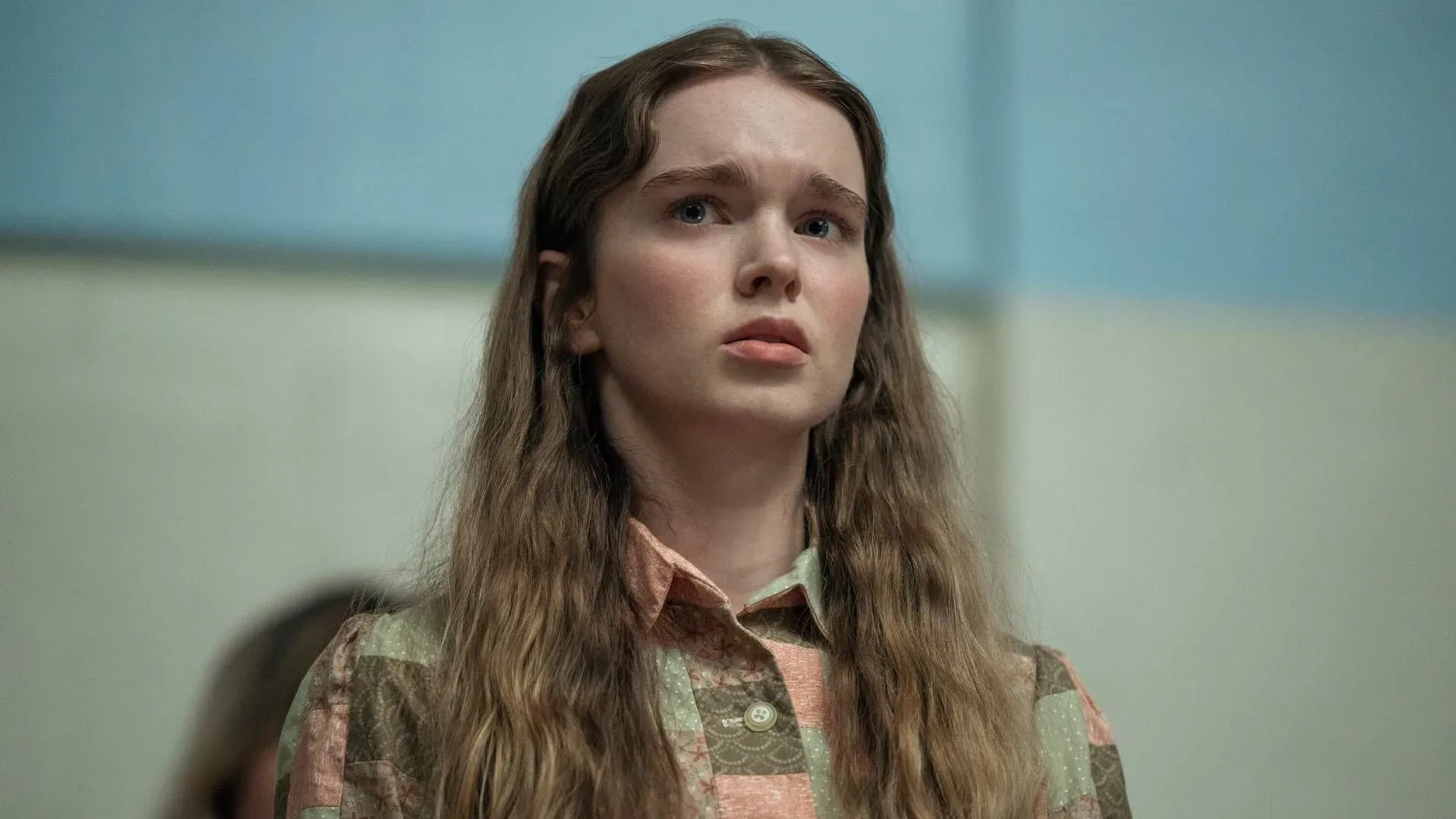
This does not make the underlying event less awful. It changes what the scene asks its audience to observe. Rather than asking viewers to watch the mechanics of the killing, it asks them to look at the moral vacancy of someone watching it happen. Flanagan specifically credited Alison’s performance in arriving at that choice, suggesting that the actor’s work made Chris’s reaction powerful enough to carry the scene.
Adaptation is not a checklist of famous scenes
The pig blood is essential to the established plot of Carrie; the graphic depiction of the slaughter is not treated as essential in the new series. That distinction gets at a basic adaptation question: which components are required for the narrative to function, and which are choices about presentation?
In this case, the required components remain clear. Chris and Billy have blood. They intend to use it against Carrie at prom. Their willingness to commit a cruel act helps define the malice behind the plan. None of that requires the camera to show a pig’s death. The television adaptation can communicate all three points through implication, editing and performance.
A montage is an edited sequence that condenses connected events rather than playing each one in full. Placing the slaughter off screen within a pre-prom montage lets the series communicate planning and momentum efficiently. It also creates distance between the audience and the physical act while placing Chris’s response where viewers can scrutinize it.
There is a meaningful difference between omission and denial. The series does not pretend the slaughter never happened, nor does it remove the blood from the story. It declines to depict the act directly. That makes the choice an adjustment in emphasis, not a wholesale rewrite of the event’s role in the plot.
A boundary that still serves the horror
Horror often uses what is visible, what is heard and what is only implied in different combinations. Flanagan’s stated reasoning places this moment in the third category. The audience receives enough information to understand what Chris and Billy have done, but is not held on the animal’s suffering.
The decision is notable because animal death has appeared in Flanagan’s earlier television work, including the dog in Midnight Mass and kittens in The Haunting of Hill House. The new Carrie therefore is not simply following an assumed rule that animal harm cannot exist in his horror. Instead, the explanation is specific to this scene: the drama contains extensive cruelty already, and Chris’s response offered a more unsettling route into the sequence.
That is a practical lesson in horror construction. A scene can become more frightening when it identifies the most revealing object of attention. A graphic event may establish danger, but a character’s calm enthusiasm in its presence can establish something more enduring: intentionality. Chris’s reaction tells viewers that the cruelty is not incidental, impulsive or regretted. It is part of the plan.
For viewers who find animal harm especially difficult to watch, off-screen treatment may also alter how approachable the episode is without concealing the story’s darkness. The sequence is still upsetting by design. It simply avoids turning an animal’s death into the visual cost of establishing that Chris and Billy are capable of terrible things.
What viewers can expect from the new Carrie
All eight episodes of Carrie are now streaming on Prime Video. Anyone coming to the series from the 1974 novel or the 1976 movie should expect the pig-blood plot point to remain intact, but should not expect the animal killing to be shown directly.
The change signals a version of the material that places particular weight on the people who isolate and torment Carrie. The terror, in this reading, is not dependent on making every violent step graphic. It can come from watching someone like Chris look at cruelty and show no alarm at all.
That emphasis fits a wider pop-culture conversation about how streaming television presents familiar stories; for another current streaming development, see the planned Disney+ simulcast of Dick Clark’s New Year’s Rockin’ Eve 2027.