Spoilers for all eight episodes of Carrie follow.
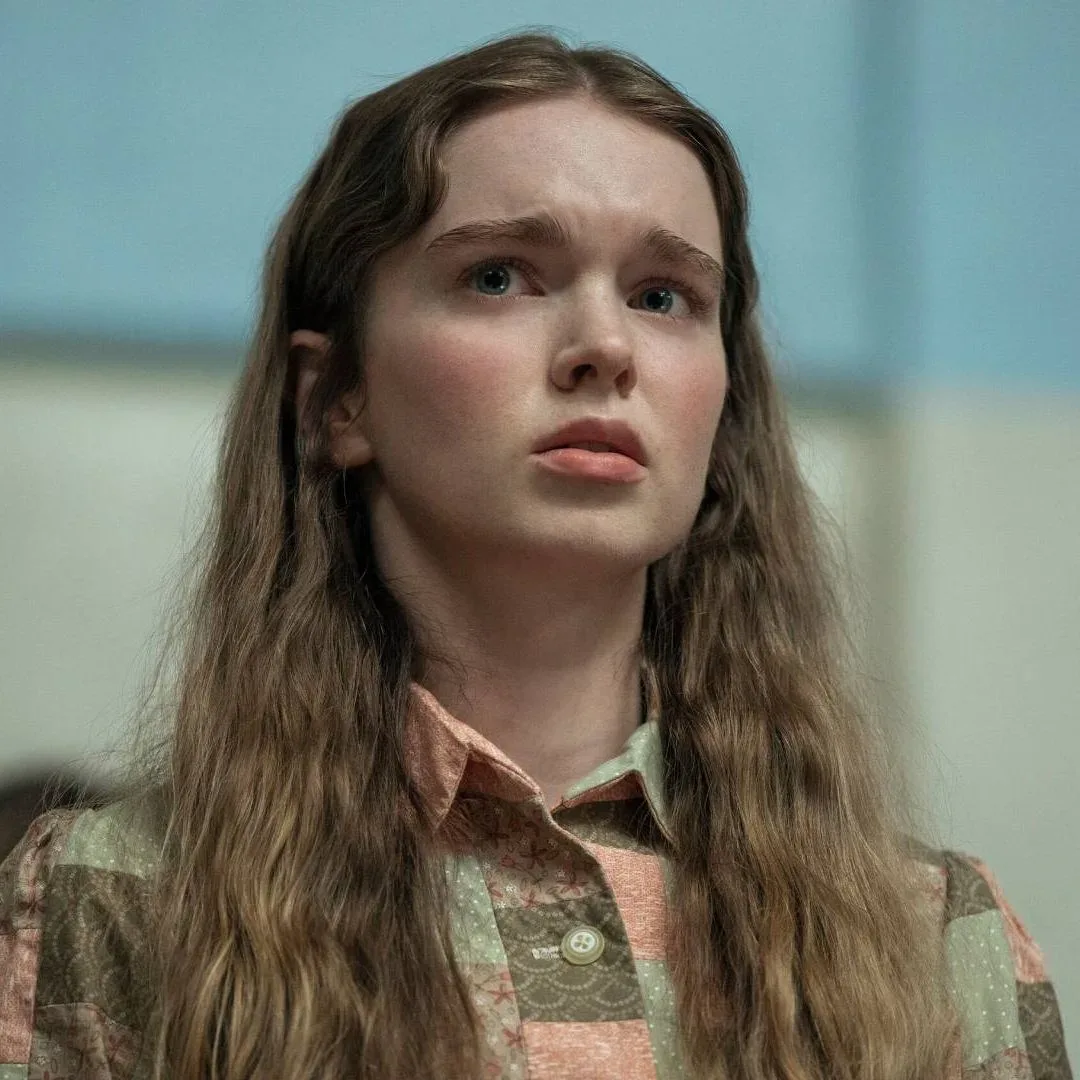
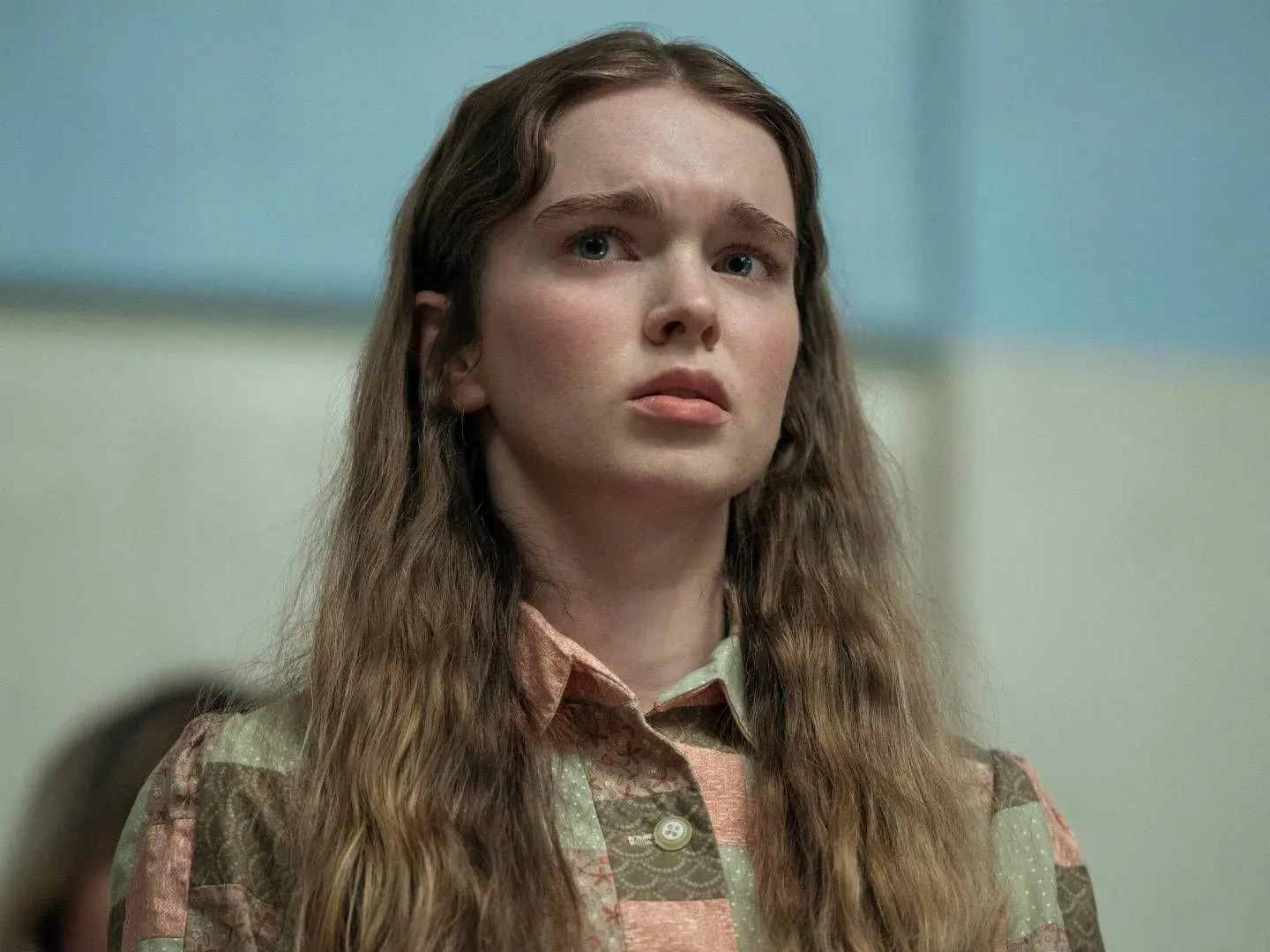
Prime Video’s Carrie does not currently have an official second-season renewal. That is the key fact beneath its deliberately unsettling final image: Carrie White is alive, Emaline is driving her away from Chamberlain, and the destination is withheld. The story is clearly built to continue, but a continuation has not been formally confirmed.
There is nevertheless a meaningful distinction between an unresolved ending and empty wishful thinking. Mike Flanagan has said he sees the project as a trilogy in his ideal scenario, describing a three-part arc for Carrie. That establishes a creative ambition, not a production guarantee. For viewers trying to separate the ominous on-screen clues from the business reality, the clean answer is that season 2 is possible and strongly set up, but unannounced.
That difference is worth keeping in mind in the streaming era. A show can end with a sequel hook, have a multi-season plan, and still be waiting on a decision. An announced continuation is a different category altogether, as with a series that has received an explicit renewal. Carrie is not there yet.
The current status of Carrie season 2
All eight episodes of Carrie are available on Prime Video. Amazon has not publicly ordered another season. Flanagan’s stated hope for three seasons is the clearest indication that the creative team has considered a longer shape for the adaptation, but it should not be read as a release commitment.
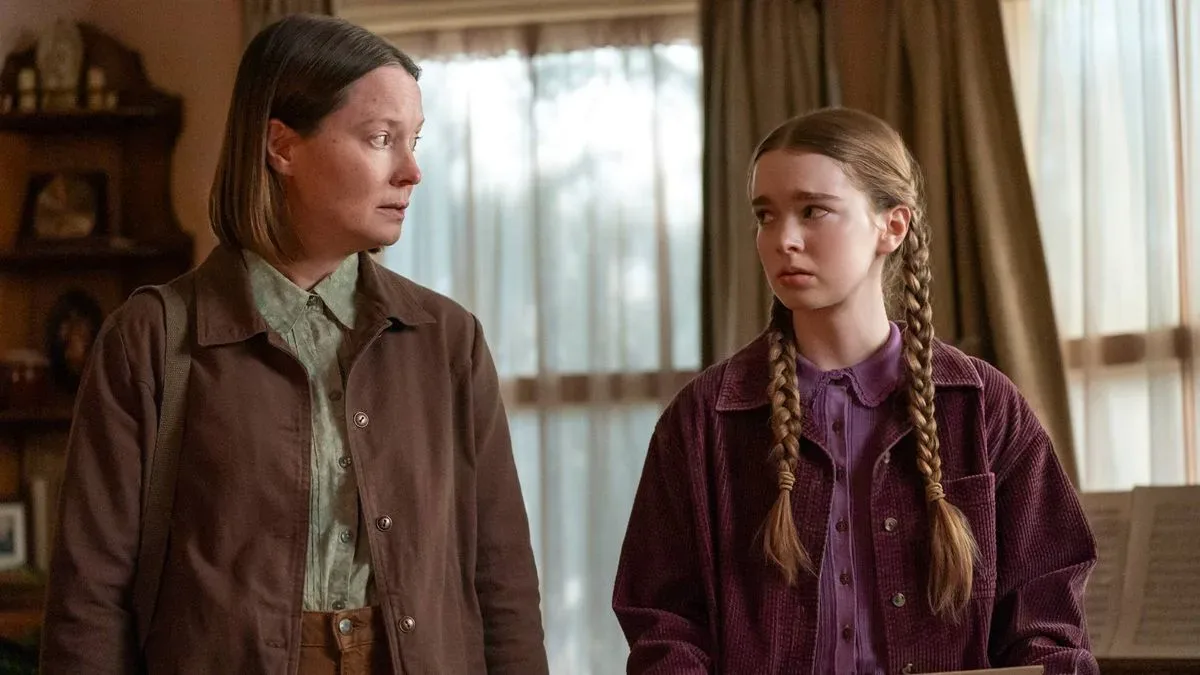
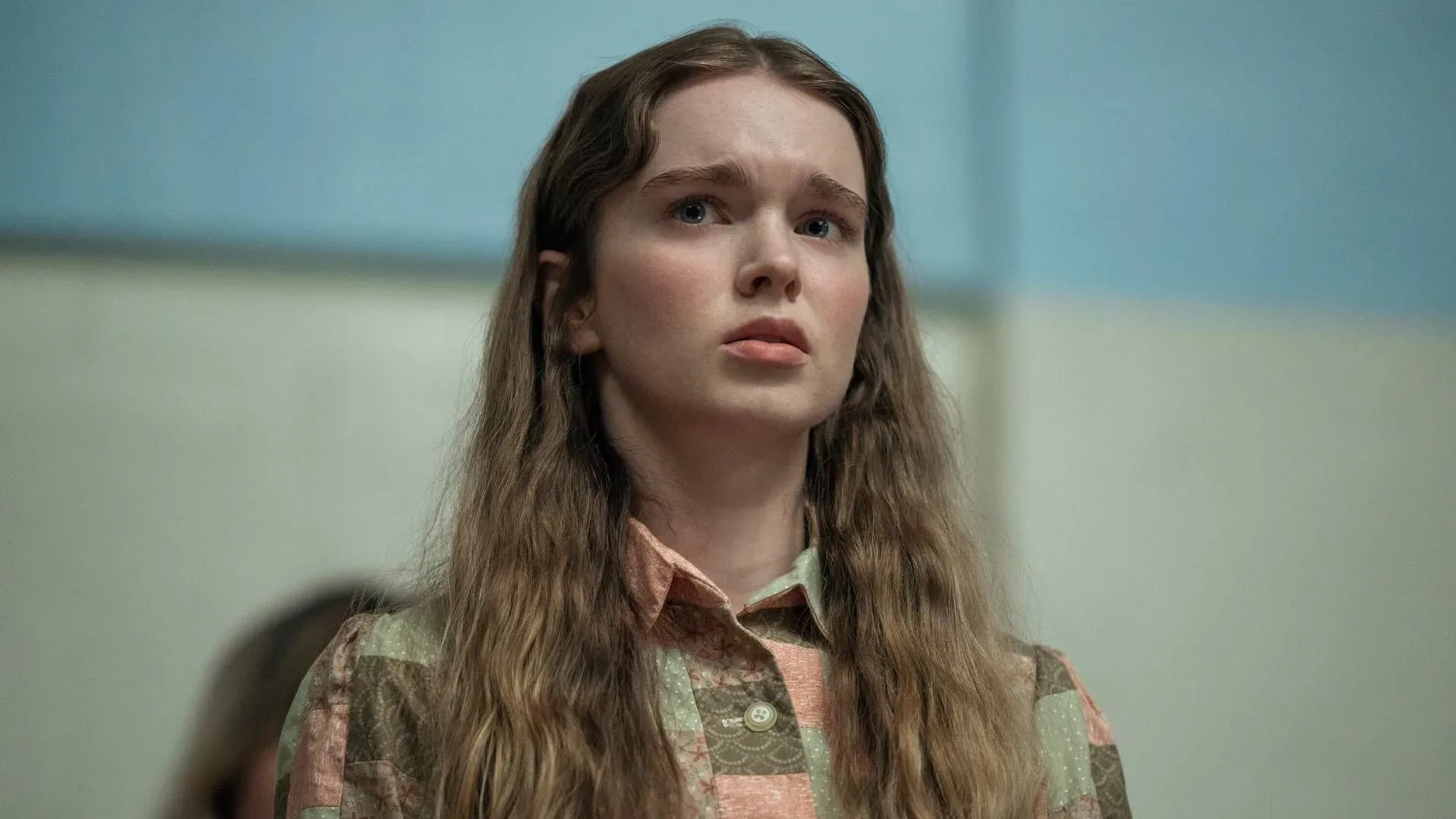
The first season expands the premise associated with Stephen King’s novel. Carrie remains a socially isolated teenager whose telekinetic abilities emerge amid relentless school bullying and the control of her intensely religious mother, Margaret White. Telekinesis is the ability to move or affect objects with the mind, and the series turns it into more than Carrie’s private, terrifying gift. It asks whether she is one of several young women with similar powers.
That broader question is the major engine for a possible season 2. Rather than treating the prom-night catastrophe as a closed endpoint, the series places Carrie within a much larger and still obscure network of powered women. It also frames the history of powerful women through ridicule, panic and hysteria, with a narrator eventually revealed to be played by Kate Siegel. That framing implies that Chamberlain may be one incident in a pattern rather than the whole story.
Why the ending is a real cliffhanger
The finale does more than leave a door cracked open. It relocates Carrie physically and reshapes the central danger around her.
Emaline, previously understood by Carrie as an imaginary friend, proves to be real and has been communicating telepathically. Telepathy refers to communication through thoughts rather than ordinary speech or physical signals. After the violence at prom, Emaline gets Carrie into a car and takes her away from town. Carrie wakes during the journey, and Emaline says she could not reach her physically sooner.
Most important, Emaline will not explain where they are going because she fears that someone may be watching Carrie’s thoughts. It is a compact but potent detail. If thoughts can be read or monitored, then even a conversation between two people with unusual mental abilities is not automatically private. The show turns its supernatural premise into a surveillance problem: Carrie may not know whom she can trust, what information is safe to think, or whether her apparent rescuer is free to tell the truth.
Emaline says she is getting Carrie away from the “monsters” who want to harm her. The word is intentionally ambiguous. It might refer to Chamberlain and the human cruelty that helped drive Carrie toward catastrophe. Yet by the finale, ordinary townspeople no longer seem like the most formidable threat to someone of Carrie’s power. The more concerning possibility is that Emaline means other telekinetic figures—people with the knowledge, reach and ruthlessness to control the narrative around Carrie.
The women at prom may be protectors, manipulators, or both
The season introduces an organized group of women connected to the aftermath of prom. Led by Siegel’s still-unnamed character, they interview surviving witnesses and erase evidence in alarming ways. They kill Margaret White through mind control and alter Sue Snell’s recollection so that she does not remember strangers entering the prom. Those actions establish the group’s capabilities as well as its moral uncertainty.
Mind control, in the context presented here, means directly compelling a person’s actions or altering what they believe they saw. The finale’s use of it is not a benign magic trick. It is lethal in Margaret’s case and invasive in Sue’s. That makes it difficult to assume the women are simply a rescue organization for vulnerable girls with powers.
They may believe they are protecting Carrie and others like her. They may also be protecting themselves, suppressing public knowledge, or selecting who gets access to safety. The show has not resolved which interpretation is correct. A second season could use that uncertainty to move beyond a straightforward escape narrative: Carrie’s route out of one abusive environment may lead her into another system that expects obedience.
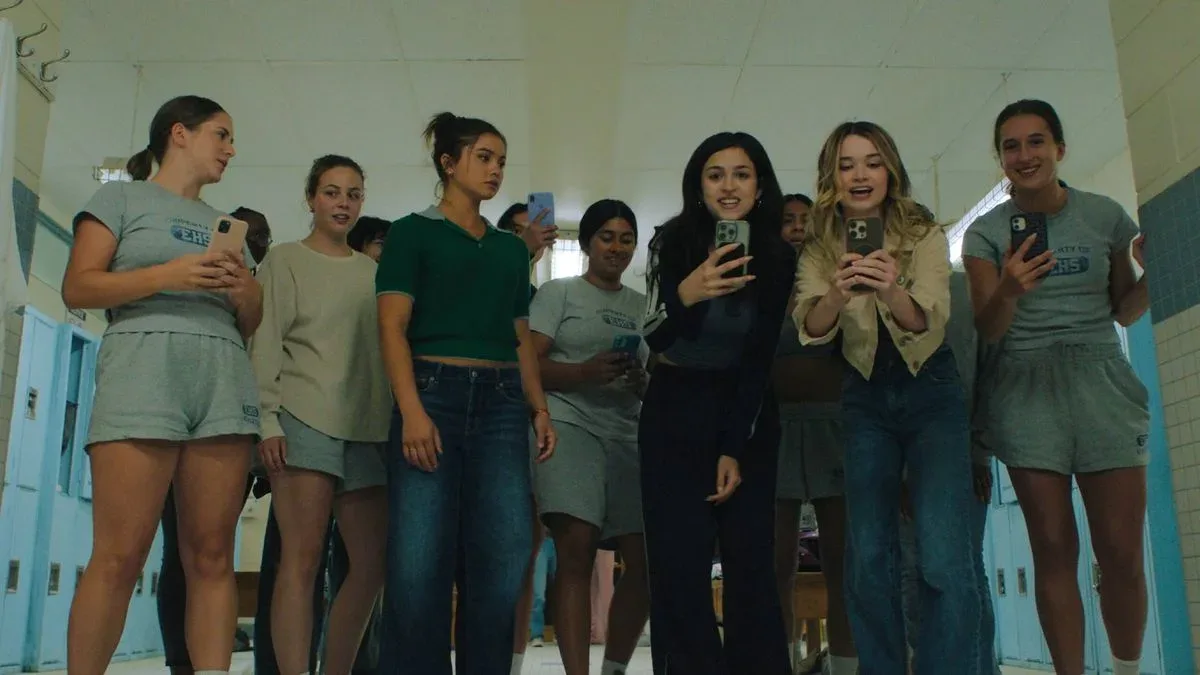
The pink house glimpsed through the season is central to that possibility. It is home to girls who appear to share Carrie’s telekinetic abilities, and they can sense when she uses hers. Early on, one such girl sees blood on her own hands while Carrie is looking at blood on hers during the locker-room humiliation. That moment suggests a connection between powered individuals at a distance, not merely a coincidence or a visual echo.
Later, one of the girls associated with the house turns up at prom, linking the hidden home to the women who intervene after the massacre. In the first episode, a girl reports Carrie’s emerging abilities to a leader whose brief appearance and voice suggest a possible connection to Siegel’s character. The series does not provide a definitive confirmation, but the clues make the pink house a likely destination—or a likely place from which Emaline is trying to keep Carrie away.
What season 2 could explore
If a second season is ordered, its first task will be to identify Emaline’s allegiance. She can communicate with Carrie mentally and arrives in person at the end, but the finale leaves unanswered whether she belongs to the same collective that questioned witnesses and manipulated events. Two broad paths are supported by what the show has shown.
- Emaline is bringing Carrie to a refuge. The pink house may be a place where girls with telekinetic gifts can find community, learn control and avoid the isolation that defined Carrie’s life in Chamberlain.
- Emaline is extracting Carrie from a threat. The organized women, despite their powers and apparent ability to cover up the prom’s aftermath, could be dangerous. Their willingness to kill and rewrite memories gives Carrie a clear reason to fear their version of protection.
Those options are not necessarily opposites. A sanctuary can still impose rules, conceal information and demand loyalty. The show’s interest in social-media culture, conspiracy theories and historical panic around extraordinary women gives it room to examine who gets to define safety when the people offering it can alter minds.
That is also where the adaptation has room to become distinct from a retelling centered solely on Chamberlain. Carrie’s personal trauma remains vital, but the final episodes make her part of a wider mythology. The pink house, the witness interviews, the narrator’s historical framing and Emaline’s warning all point to an expanding world. A continuation would not need to repeat the first season’s school-and-prom structure; it could focus on Carrie’s uncertain introduction to other people like her.
The Doctor Sleep comparison has limits, but it explains one concern
Flanagan’s 2013 film Doctor Sleep, adapted from Stephen King’s sequel to The Shining, offers a useful thematic point of comparison. Its young people with the “shine” are pursued by the True Knot, a group that hunts them and feeds on their souls in pursuit of a form of extended life. Rose the Hat leads that group.
That does not establish that the women in Carrie are an equivalent organization, nor does it confirm any story connection. It does, however, show why the finale’s benevolent-looking collective should not automatically be trusted. The idea of people with unusual gifts being hunted, gathered, exploited or defended is territory Flanagan has explored before. The season’s evidence supports suspicion, especially after the group’s use of mind control and murder.
Conversely, a season 2 could reveal that the women took brutal measures because they face a danger not yet visible to Carrie. Emaline’s refusal to name the destination and fear of thoughts being watched leaves room for an outside force. At present, that remains theory rather than confirmation.
When could Carrie season 2 arrive?
There is no release date because there is no public renewal. Any specific date would be speculation presented too confidently.
The first season reportedly filmed for roughly four months and reached screens close to a year later. That offers only a rough example of the time involved in the already completed season; it does not create a reliable timetable for another one. A second-season schedule would depend on an order being made and on production beginning.
For now, the most accurate expectation is simple: the finale was designed to make viewers ask what happens next, while the official future of the series remains undecided. Carrie’s destination, Emaline’s motive and the intentions of the women surrounding the pink house are the mysteries waiting for an answer—if Prime Video elects to continue Flanagan’s planned arc.