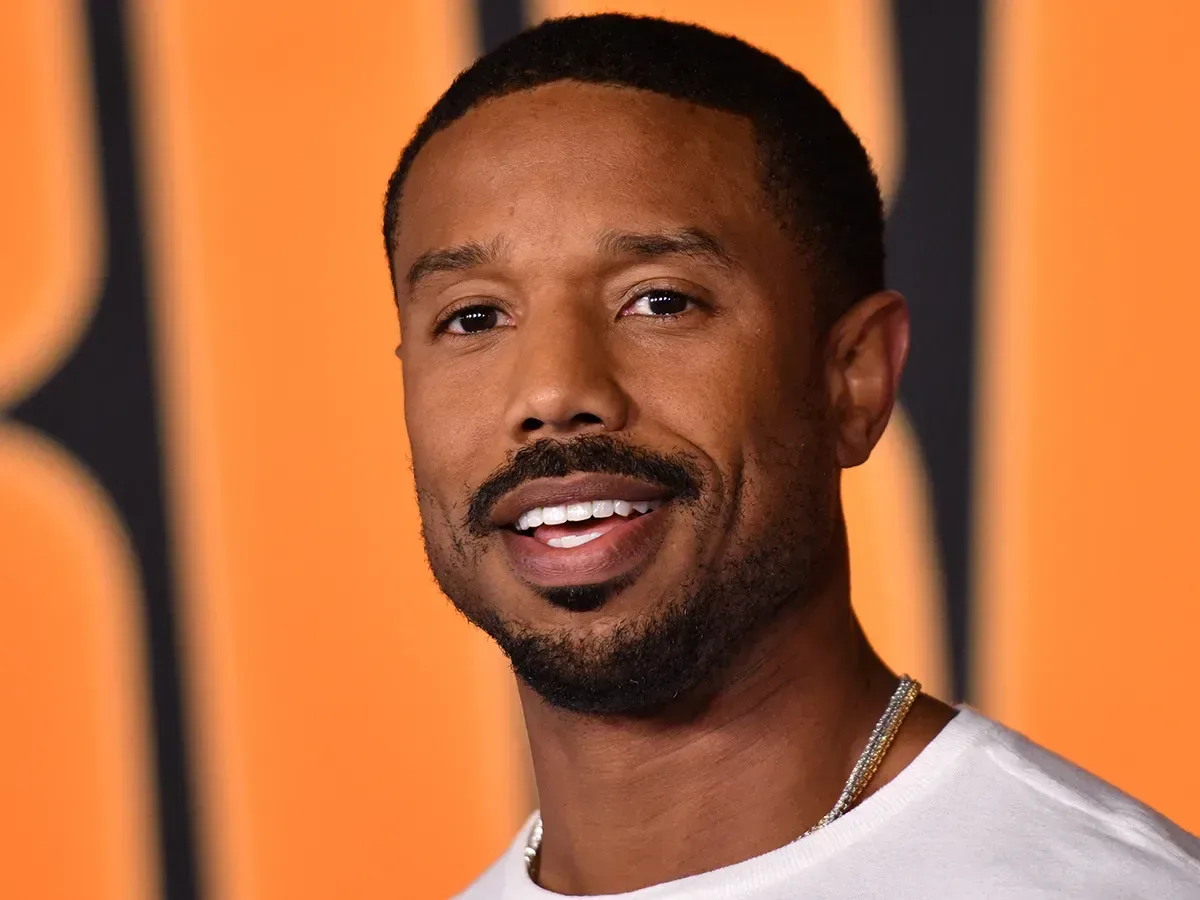
Michael B. Jordan has joked that his long-running love of anime could eventually pull him away from acting. Following his Best Actor Oscar win for the dual roles of Smoke and Stack in Sinners, Jordan discussed his interest in the medium and said he may “quit it all and make anime the rest of my life.”
The remark should be read as a joke rather than a retirement notice. What is concrete is that anime projects involving Jordan are in early development, while the actor’s enthusiasm for animation has been public for some time. He has previously named Studio Ghibli’s Princess Mononoke as his favorite film of all time.
That combination matters more than a throwaway line from a major actor. A celebrity’s interest in anime can sometimes amount to a passing endorsement; Jordan’s comments instead suggest a potential creative direction. There are no announced titles, formats, studios, release dates, or roles attached to the projects at this stage, so it would be premature to assume he will star in, produce, direct, or adapt any particular work. Still, early development is a meaningful first step: it indicates that an interest may be moving toward actual project formation.
From fan enthusiasm to a possible creative lane
Anime is a broad term for Japanese animation and, in common international usage, animation that works within its visual languages, storytelling traditions, or production influences. It is not a genre. An anime project could be action, fantasy, science fiction, romance, horror, drama, comedy, or a mix of several forms. That distinction is useful here because Jordan’s admiration for Princess Mononoke does not reveal what his own projects may look like.
Princess Mononoke is a particularly telling favorite only in the sense that it demonstrates an appreciation for animation as serious cinema, rather than merely as an extension of franchise entertainment. The film’s reputation is tied to its sweeping fantasy setting and its environmental and human conflicts, but Jordan has not said that his developing projects will pursue similar themes. A favorite movie is a point of inspiration, not a production blueprint.
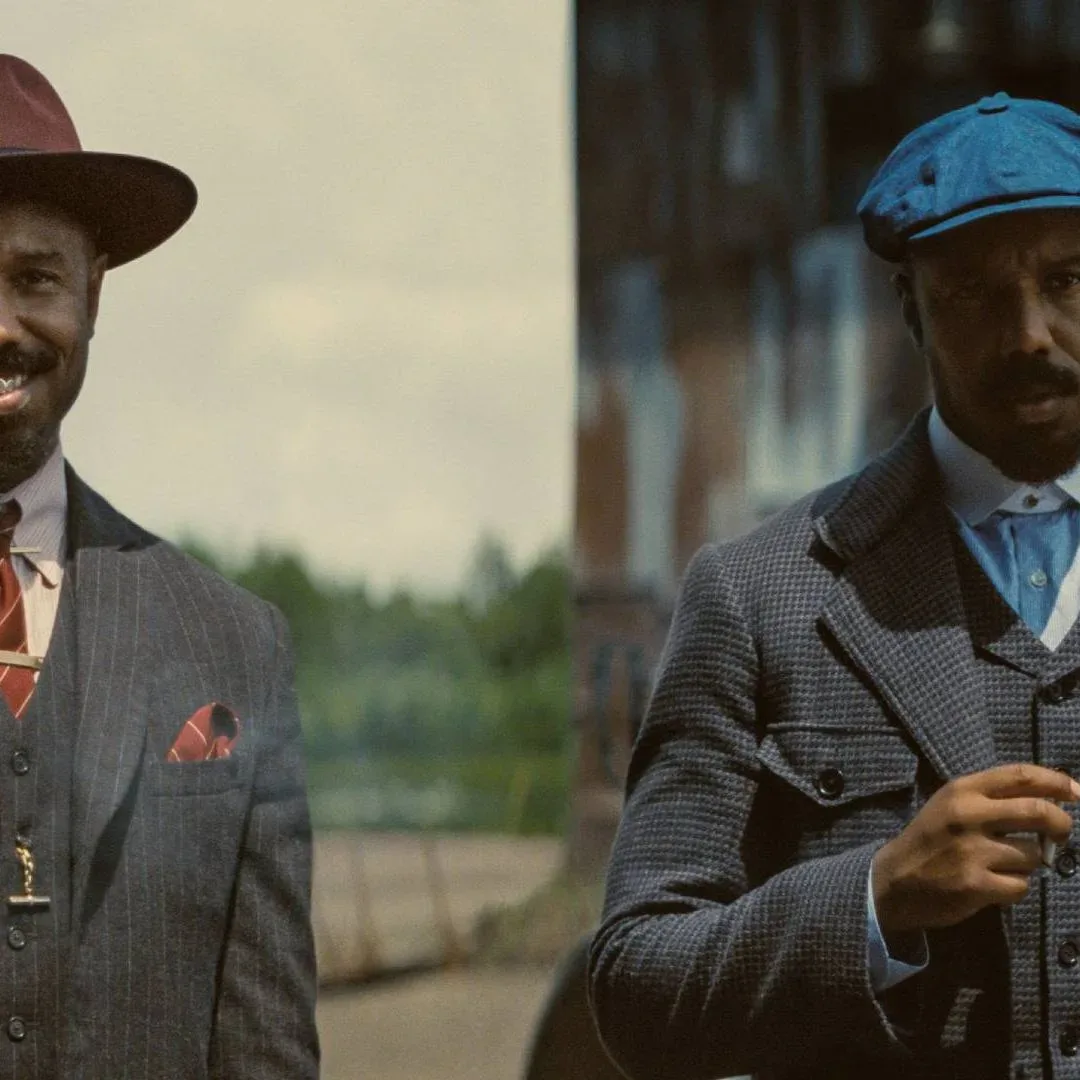
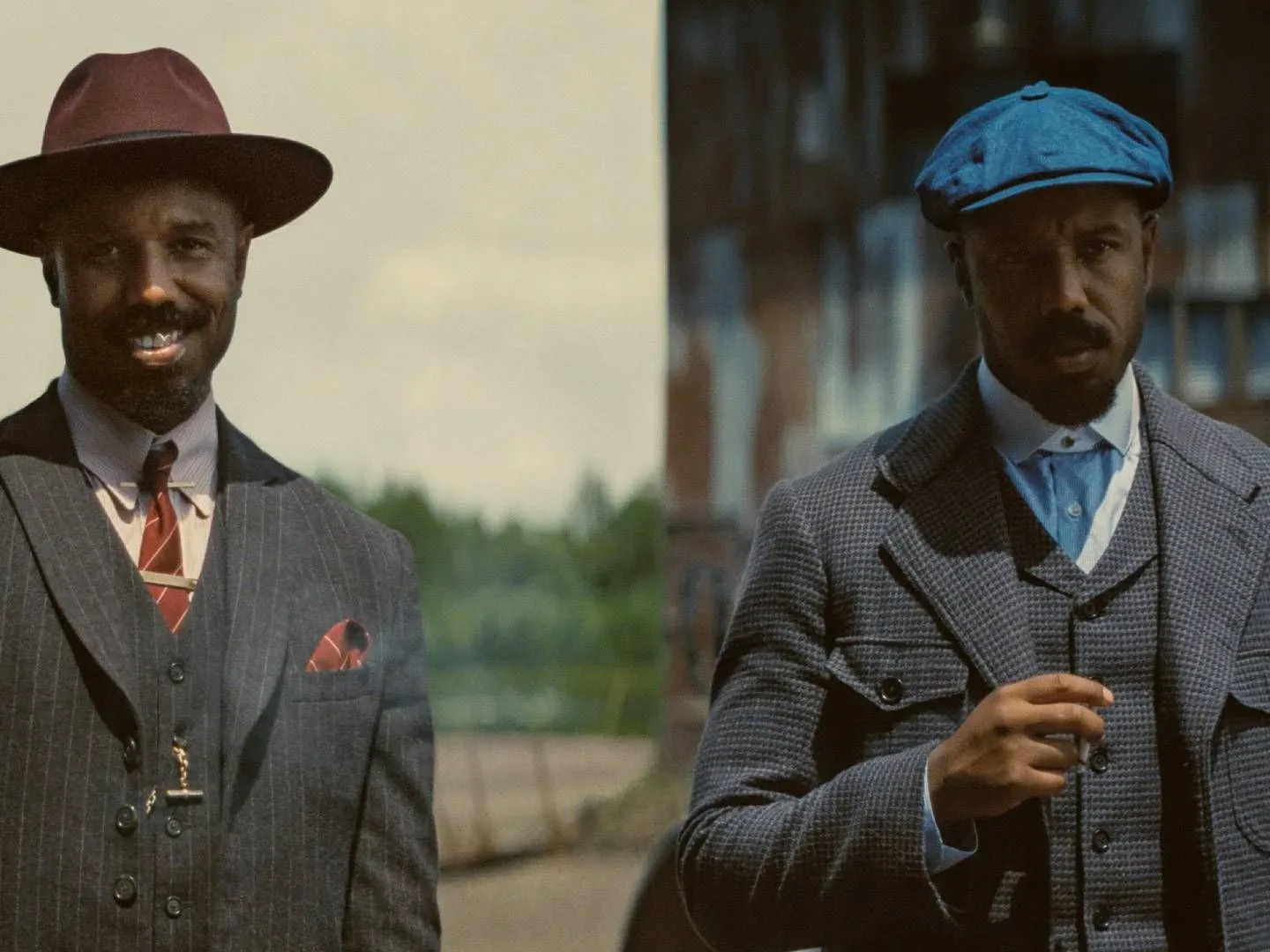
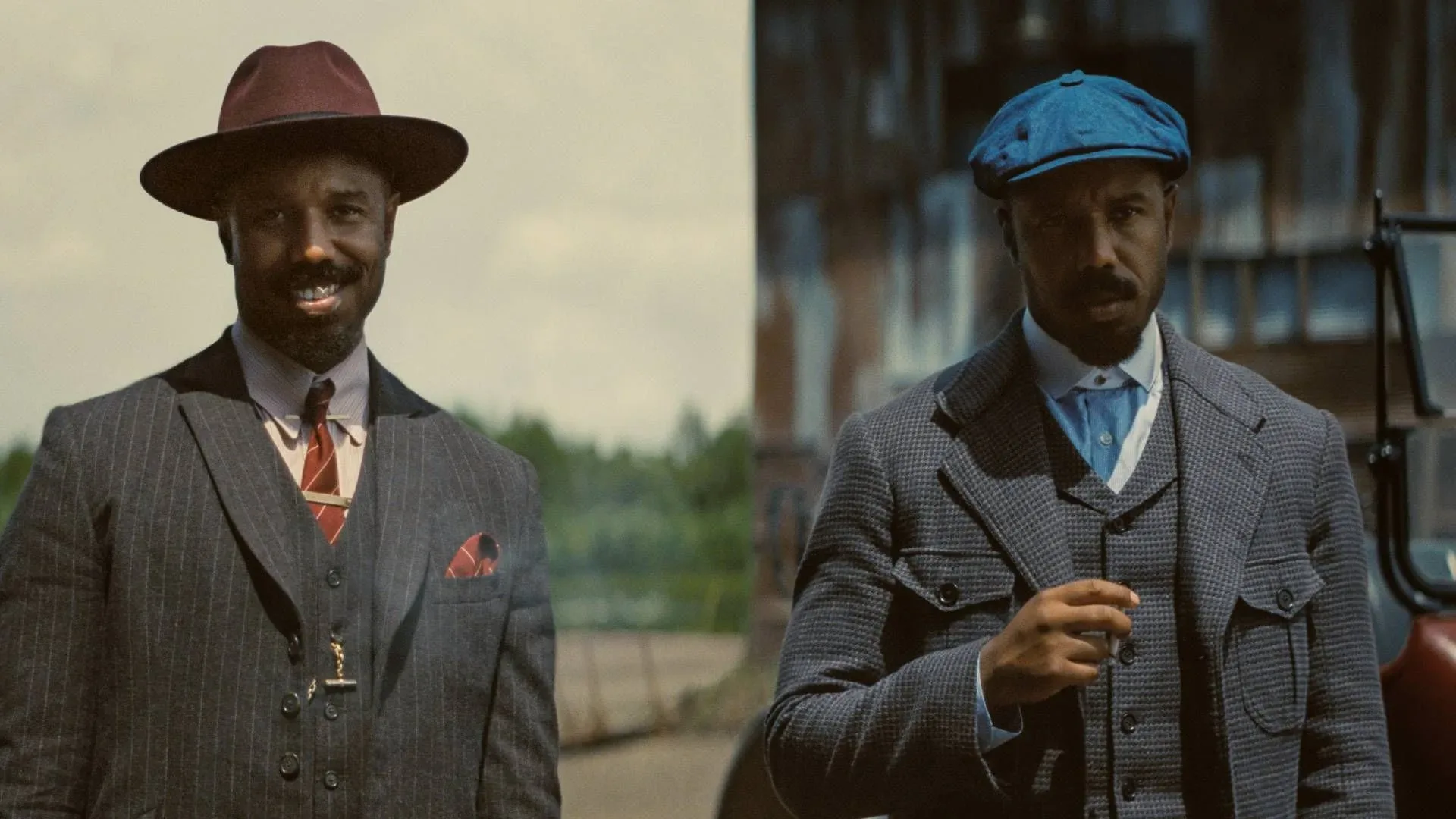
Jordan’s Oscar recognition arrives at a moment when he has considerable latitude to pursue material that matters to him. In Sinners, he played both Smoke and Stack, an acting challenge built around portraying two distinct characters within the same film. The movie also won three additional Oscars, including Best Director for Ryan Coogler. Awards do not automatically translate into a specific anime production, but they can amplify attention around a creator’s next move and make personal interests more visible to potential collaborators.
There is also an important practical distinction between loving anime and making it. Animation requires a lengthy collaborative process involving development, writing, design, voice performance, storyboarding, production management, animation teams, editing, sound, and distribution. “Early development” generally means the work is still being shaped before those later production commitments are locked in. The available information does not establish how far along Jordan’s projects are, who is making them with him, or whether they are intended for film, television, streaming, or another format.
A larger moment for theatrical anime
Jordan’s comments land during a period of heightened mainstream attention for anime. Demon Slayer: Infinity Castle outgrossed Superman last year, a stark commercial comparison that shows anime films can compete for broad theatrical audiences rather than only serve an established niche.
That result does not mean every anime release will achieve the same scale. Individual film performance depends on the strength of the underlying property, audience awareness, release strategy, accessibility, and whether viewers already have a relationship with the characters. Demon Slayer is a major franchise, and one exceptional box-office outcome should not be treated as a guarantee for unrelated animation. Even so, it gives the wider conversation around the medium a useful data point: animated work rooted in anime can be culturally prominent and commercially powerful in the same marketplace as conventional Hollywood event films.
For actors and filmmakers, that visibility creates more room to talk about animation without framing it as a side interest. The medium offers possibilities that live action cannot always match, from highly stylized worlds and impossible action to stories whose characters can change shape, age, or move beyond physical production limitations. None of that makes animation easier; it simply changes where the creative work happens. The performance may be recorded in a booth, but the final result is built through many layers of artistic interpretation.
Jordan has not explained what attracted him to making anime beyond his stated affection for it. That leaves open the central question: is he interested in lending his voice, building projects as a producer, developing original stories, or participating in another capacity? Each path would mean something different. A voice role would place him directly in the performance; producing could allow him to shape development and bring talent together; creating original material would carry the added task of establishing a world and audience from the ground up.
Why the uncertainty is worth preserving
It is tempting to turn an actor’s enthusiasm into a slate of imagined announcements, especially when anime audiences are eager to see high-profile creators engage with the form. But the responsible reading is narrower. Jordan has projects in early development and has made a playful, emphatic statement about how much he loves anime. Beyond that, details remain unconfirmed.
That uncertainty does not diminish the news. It is arguably the most interesting part. A performer best known for on-screen roles is signaling a willingness to explore a different creative medium at a time when its commercial reach is increasingly difficult to dismiss. The best outcome would not necessarily be Jordan “quitting” acting, as his joke put it. It would be a project that treats animation as its own craft, brings together the appropriate artists, and has a clear reason to exist beyond celebrity association.
Cross-medium ambitions remain a notable thread across entertainment. Actors are also participating in game-adjacent productions, including the reported casting momentum around Hideo Kojima’s Xbox-backed espionage game Physint. Jordan’s prospective anime work belongs to the same broad creative landscape, even if the format and production demands are very different.
Jordan’s screen future is not on pause
For now, Jordan’s acting career remains very much part of the picture. His recent Oscar win came from Sinners, directed by Ryan Coogler, whose next announced major project is Black Panther 3. Coogler is returning to Marvel for that film, which is set for 2028 and will feature David Jonsson as T’Challa II alongside Denzel Washington in an undisclosed role.
Coogler has said that the next film follows T’Challa as he grows up and comes of age, explaining that the role required an exceptional actor. That premise points to a new phase for the series, but it does not provide any confirmed information about Jordan’s involvement in the upcoming film. His anime interests should likewise not be interpreted as confirmation of a departure from any existing franchise or acting commitment.
The clearest takeaway is simple: Jordan is an established anime fan who now appears to be exploring ways to make work in the medium. His affection for Princess Mononoke, the early-development status of undisclosed projects, and the current commercial visibility of anime together make that prospect worth watching. Until a project receives a title, creative team, format, or release plan, however, the most accurate label is not an announcement. It is an intriguing possibility with a genuinely committed fan at its center.