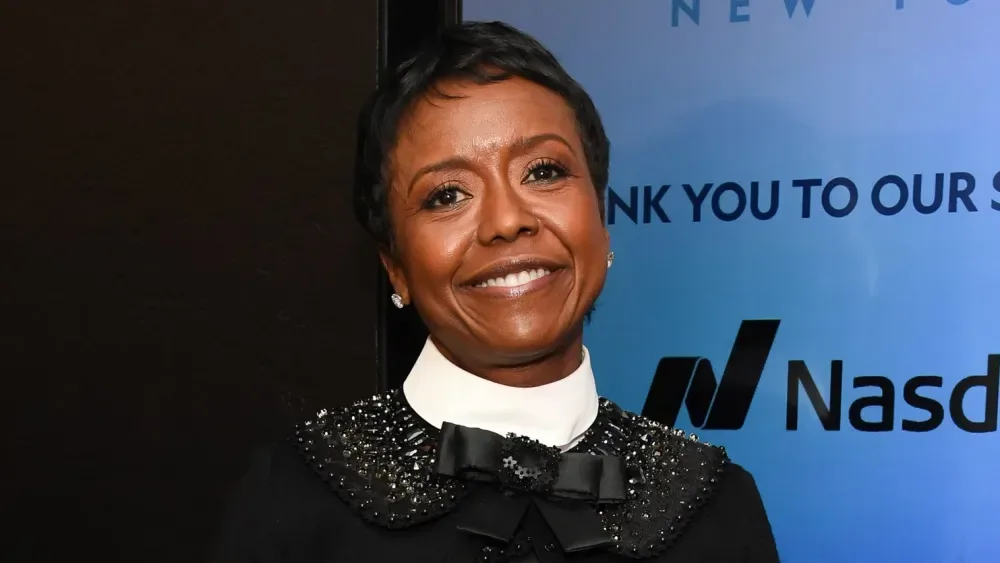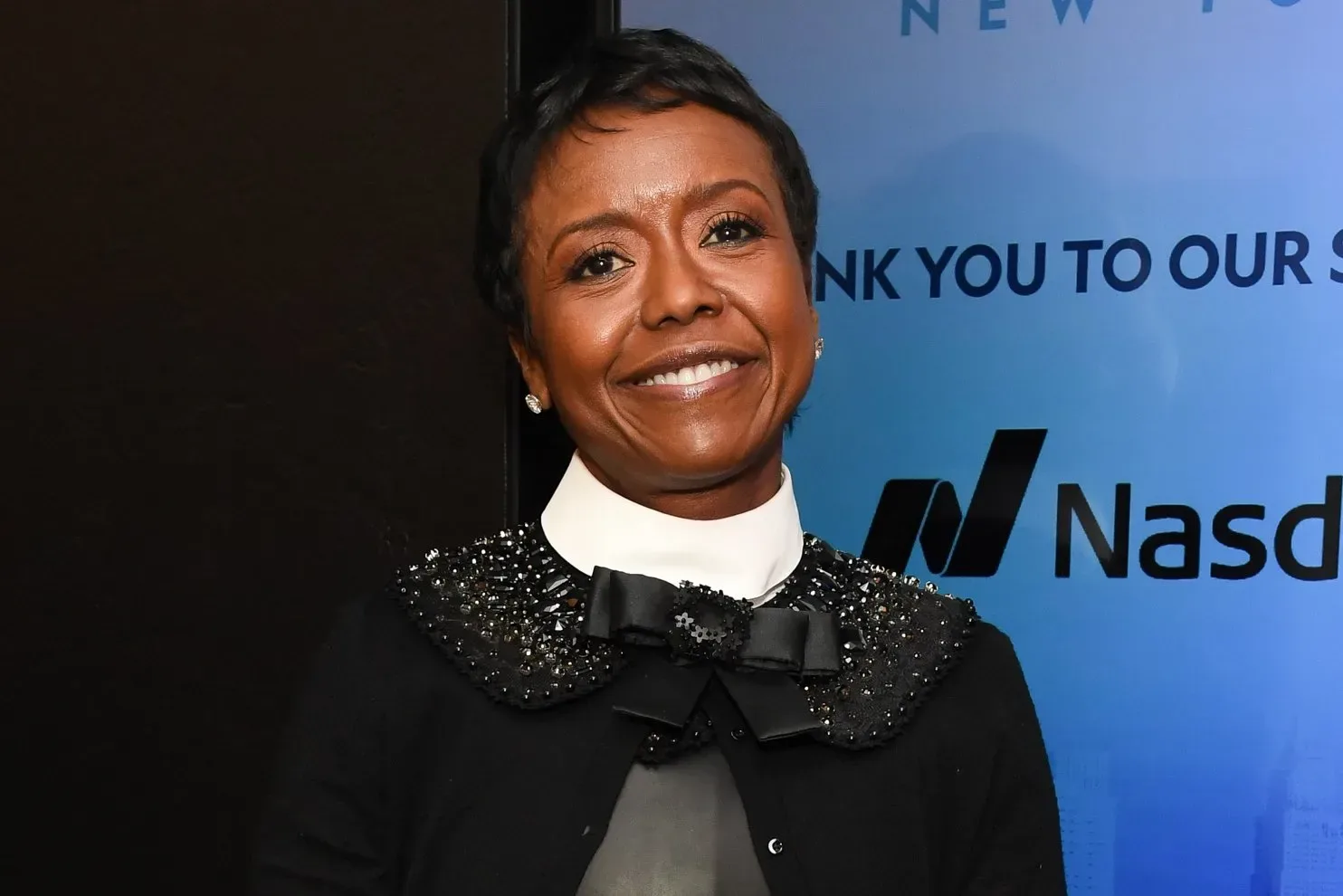
Mellody Hobson has stepped down from the board of LA28, the organizing committee for the Los Angeles Olympics and Paralympics, as the Lucas Museum of Narrative Art prepares to open to the public. Hobson co-founded the museum with her husband, George Lucas, and indicated that the responsibility of overseeing the new institution had become too demanding to continue her LA28 board service.
The timing puts two major Los Angeles-facing institutions in the same frame. One is a museum built around narrative art and located in South Los Angeles. The other is the committee charged with organizing a future Olympic and Paralympic Games in the city. Hobson’s departure is therefore more than a routine boardroom change: it arrives as questions about cultural investment, local impact and community priorities are being raised around both projects.
A leadership change days before the museum’s public debut
The Lucas Museum is set to open Tuesday, following a Friday gala. Its arrival is a significant moment for Hobson and Lucas, whose shared role as co-founders places them at the center of a new Los Angeles cultural institution.
Hobson’s stated reasoning was practical: overseeing the museum required more attention than could be balanced with a position on LA28’s board. That explanation matters because board service is not simply ceremonial. A board of directors provides governance: the broad oversight, accountability and strategic direction that help guide an organization. In the case of LA28, that responsibility is especially visible because the committee’s work intersects with a citywide event that will affect residents, workers, neighborhoods and public conversation well beyond sport.
LA28’s board has 35 members and is led by Casey Wasserman. Hobson’s exit reduces the board by one member, but the more meaningful immediate change is the end of her formal role in its decision-making structure. The available information does not establish who, if anyone, will take her seat, what committee assignments she held, or whether her museum work will involve any formal connection to LA28 going forward.
Why the museum and the Games are being discussed together
The Lucas Museum’s South Los Angeles location is central to the response from the Fair Games Coalition, an activist group that had sought a meeting with Hobson. The coalition’s concerns involve housing, workers’ needs, immigrant protections and whether the Olympics and Paralympics will materially benefit Angelenos.
These are not interchangeable issues, even when they are part of the same public debate. Affordable housing concerns whether people can remain in homes they can reasonably pay for. Living-wage advocacy addresses whether compensation is sufficient for workers’ basic costs of living. Immigrant protections refers to safeguards and treatment for immigrant workers and communities. Meanwhile, questions about a major event’s local benefits can include who receives jobs, who has a voice in planning and how surrounding neighborhoods experience development or disruption.
The coalition connected those concerns to Hobson’s departure because it had wanted to discuss them with her while she remained on the LA28 board. In its statement, the group said it was deeply disappointed that Hobson had announced her resignation after requests to meet with faith leaders, workers and community members. Rev. Gary Williams of St. Mark United Methodist Church, a coalition member, said the group believed Hobson could have used her board influence to support its priorities.
The Fair Games Coalition said it had asked for engagement around living wages, affordable housing, immigrant protections and Games that benefit all Angelenos.
That is the coalition’s position, not a determination that its requested policies have been rejected by LA28 or by Hobson. The information available here does not include a response from Hobson to the coalition’s criticism, nor does it detail any meeting schedule, policy proposal or negotiation between the parties. The distinction is important. A group’s call for action defines the issues it wants addressed; it does not by itself document an outcome.
What Hobson’s resignation does—and does not—tell us
At its clearest, the resignation signals a reprioritization. Hobson is concentrating on the Lucas Museum at the point when it moves from preparation into public operation. A museum opening is a threshold rather than an endpoint. Once visitors begin arriving, an institution must carry its mission into the day-to-day work of welcoming the public, presenting programming and establishing its place in the surrounding cultural landscape.
The move also means the Fair Games Coalition no longer has Hobson as a current LA28 board member to approach through that role. Its stated disappointment reflects the loss of a potential avenue for dialogue and influence within the organizing committee.
It does not, based on the supplied facts, reveal Hobson’s position on the coalition’s policy demands. Nor does it establish that the museum opening itself caused any particular LA28 decision, that her resignation changes the organizing committee’s policies, or that it resolves the tensions identified by advocates. Those questions remain open.
For readers following Los Angeles cultural news, the overlap is worth noting precisely because cultural projects do not exist in isolation from their neighborhoods. The Lucas Museum’s opening has its own significance as a public-facing arts venue, while LA28 is a separate organization with a distinct citywide mandate. Yet the two became linked in this moment through Hobson’s leadership roles and the coalition’s concern about the effect of the Games on the South Los Angeles area where the museum is based.
South Los Angeles remains central to the practical stakes
Public debates around large institutions often become abstract quickly: board membership, governance, development and legacy can sound like distant administrative language. The Fair Games Coalition’s demands pull the conversation back to concrete conditions: wages, housing and protections for immigrant workers. Its concern about the South Los Angeles area makes location a substantive part of the story rather than a background detail.
For a new museum, a neighborhood relationship can be measured in many ways, but the facts here do not provide specific commitments, programs or development plans to assess. For the Olympics and Paralympics, the same restraint applies: the coalition has articulated a set of concerns, but this account does not include policy answers from LA28. What is clear is that advocates are seeking direct engagement from people with influence over the Games, and Hobson had been one of those people until her resignation.
The episode is also a reminder that leadership capacity is finite. Serving on a 35-person organizing board while co-founding a museum entering its public phase can place competing demands on an individual’s time and attention. Hobson’s explanation foregrounds that reality. Critics, however, see the departure through a different lens: a missed chance to use that influence on behalf of workers and communities. Both points describe why the resignation has attracted attention, without establishing the other’s conclusion as fact.
What to watch next
The immediate next event is the Lucas Museum’s public opening. How it establishes its relationship with visitors and its South Los Angeles surroundings will be watched independently of Hobson’s former LA28 role.
For LA28, the practical questions are narrower but still significant: whether the board names a replacement, how it handles the loss of one director, and whether it engages with the Fair Games Coalition’s calls around housing, worker pay and immigrant protections. No answers to those questions are provided by Hobson’s resignation itself.
The larger Los Angeles conversation will likely continue because it joins two enduring civic expectations. Residents and advocates want major institutions to be responsive to the communities around them, while organizers and cultural leaders must decide how their governance and public commitments meet that standard. Hobson’s departure does not settle that debate. It shifts where she participates in it: away from the LA28 board and toward the museum she co-founded with George Lucas.
For more on how entertainment institutions are thinking about engagement rather than one-way outreach, see Entertainment Marketers Want Fandom to Be a Partnership, Not a One-Way Campaign.