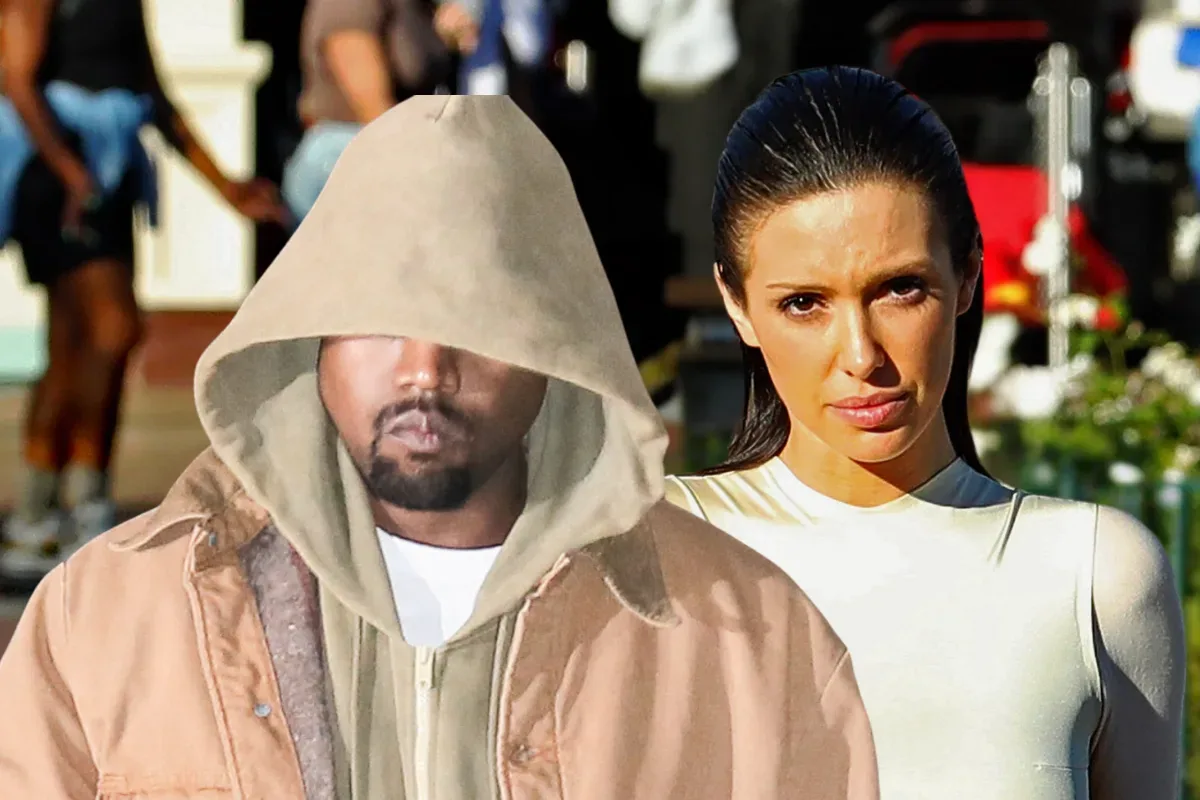
Bianca Censori and Ye were photographed outside Los Angeles’ Lucas Museum of Narrative Art on September 24, in a public appearance that quickly renewed familiar discussion around Censori’s fashion and the couple’s visibility.
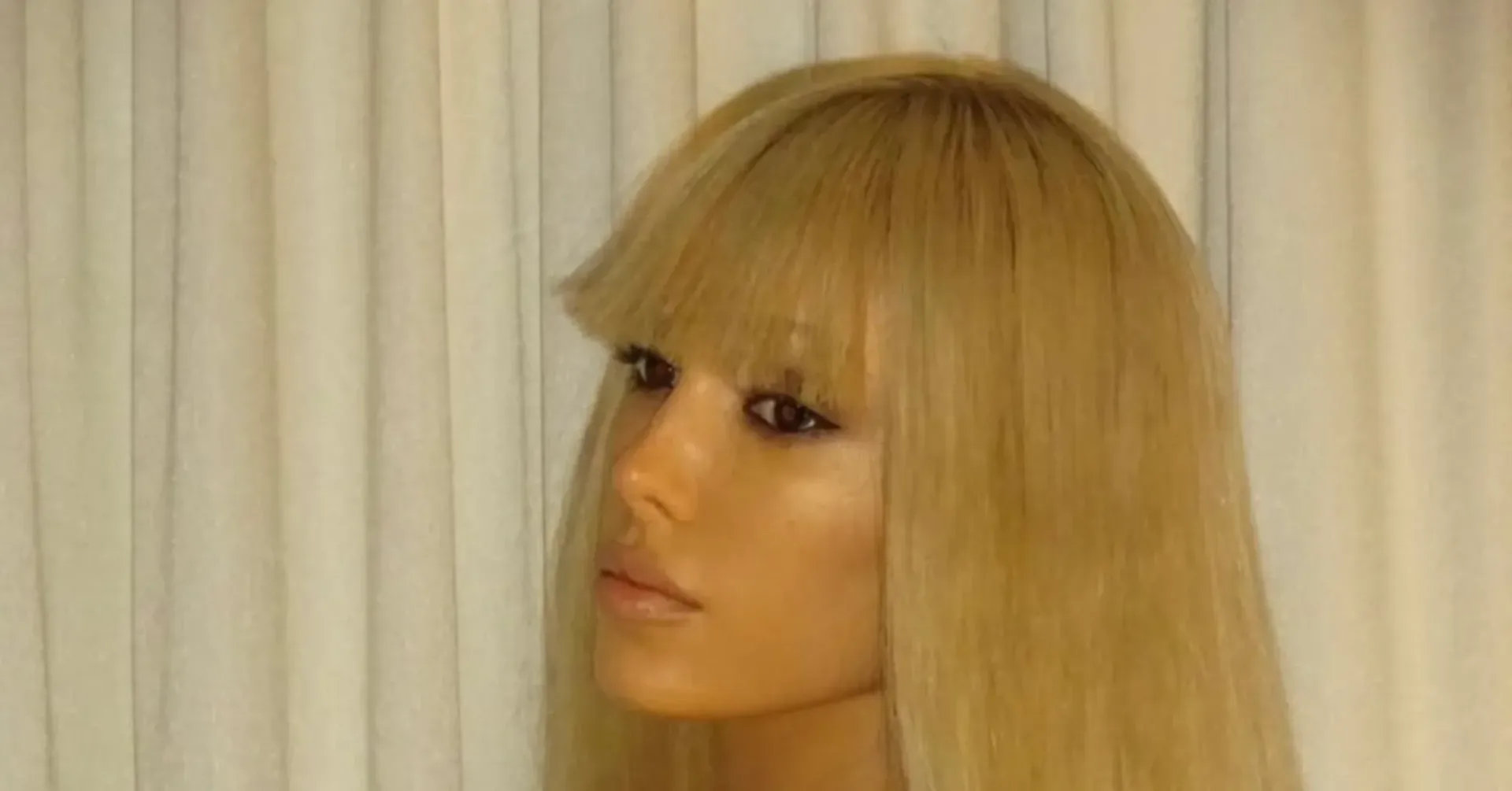
Censori wore a light-and-black sheer top with fitted black leggings and black heels, alongside a newly strawberry-blonde hairstyle. Ye, also known as Kanye West, wore black clothing with a large beige overcoat and sunglasses. Footage showed Censori outside a car before Ye emerged as the pair left the museum.
That description is straightforward, but the online reaction cycle around appearances like this is rarely so simple. Censori’s clothes are frequently treated as a larger statement by people who do not know her, while she has previously said that public assumptions can read more into her style than personal expression alone. The useful distinction is between reporting what was visibly worn and claiming to know what an outfit means. The former is observable; the latter is interpretation.
A museum departure, not a confirmed project announcement
The outing took place at the Lucas Museum of Narrative Art, which had opened to the public earlier in September. There is no indication here that Censori and Ye’s visit was tied to a new release, exhibition collaboration, or professional announcement. It was a sighting at a cultural venue, and should be understood on those terms.
That matters because celebrity appearances can be rapidly inflated into speculation. A museum visit can certainly invite curiosity, especially where two people associated with visual work are concerned, but curiosity is not evidence of an upcoming project. No new music, film, fashion line, or museum relationship was confirmed through the appearance.
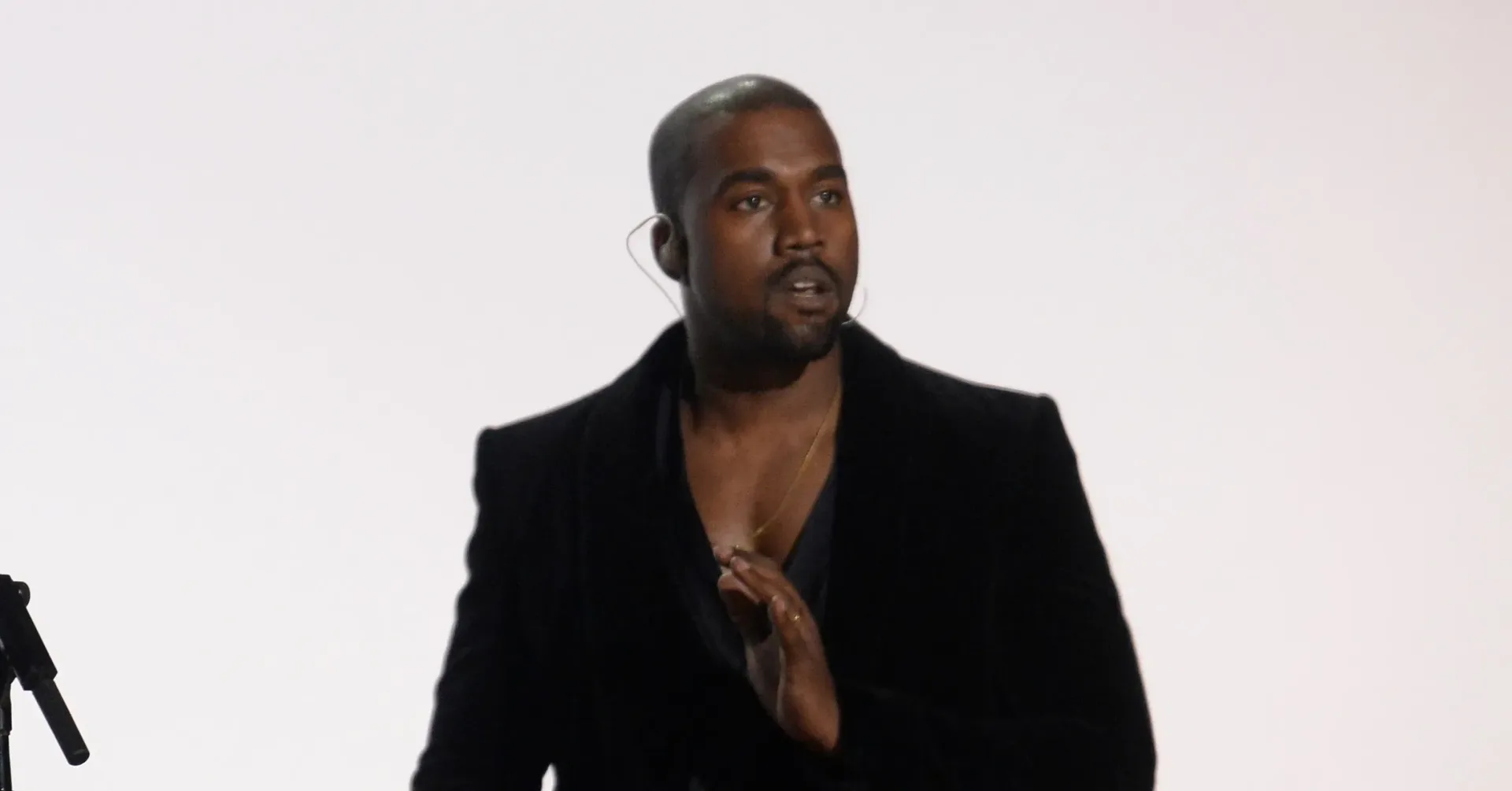
The same restraint applies to reactions around the pair themselves. Ye remains a highly controversial public figure, meaning even ordinary outings can become flashpoints for debate. Yet attention generated by a moment outside a vehicle is not, by itself, a measure of artistic intent or a reliable guide to either person’s private thinking.
Censori’s work behind the camera is the more substantial context
While wardrobe coverage tends to command the fastest attention, Censori’s credited creative collaborations offer a more concrete basis for discussing her public-facing artistic output. She directed the music video for Ye and Don Toliver’s “OK”, a visual that drew reactions for its gory, clinical imagery. A video’s direction generally concerns the overall visual realization of a work: shaping its imagery, mood, framing, performances, and narrative or conceptual approach. It is a creative role distinct from merely appearing on camera.
Censori also directed Ye’s “GEMINI SEASON” video and “FATHER” by Ye and Travis Scott. Those credits do not settle every question audiences may have about collaboration, but they do establish an important fact: her connection to Ye’s work includes credited direction on multiple music visuals.
That record provides useful context when audiences reduce Censori entirely to a series of photographed outfits. Clothing can be part of an image, and an image can be part of a broader creative language. But the available credits point to activity beyond public appearances. Discussing the videos means discussing identifiable work rather than projecting assumptions onto a photographed look.
Why “agency” is central to the conversation
In this context, agency means a person’s capacity to make choices and contribute creatively, rather than being presented as a passive extension of someone else. The question matters because commentary about high-profile relationships often flattens the less famous partner into a symbol, particularly when one person is already a globally recognized musician and cultural figure.
It is possible to acknowledge the public debate surrounding Ye and still avoid erasing Censori’s own credits. Likewise, it is possible to recognize that a provocative or unconventional look will attract comment without treating public speculation as proof of the wearer’s motives. These are not competing ideas. They are simply a more careful way to separate documented work, visible facts, and subjective readings.
That care is especially relevant with music-video production. A finished visual can be intentionally discomfiting, stylized, surreal, or violent without serving as a literal account of the people who made it. Calling the “OK” video clinical describes its visual effect, not an explanation of every artistic decision behind it. Without direct, specific comments from the collaborators about a scene or a concept, viewers should leave room for uncertainty.
The public-image loop around celebrity fashion
Celebrity fashion coverage often works through a rapid feedback loop: an appearance is photographed, the look is summarized, social media assigns meaning, and the argument becomes more widely visible than the appearance itself. Censori and Ye predictably sit in that loop because their public presentations are visually distinct and because Ye’s wider public profile brings an unusually intense level of scrutiny.
Still, fashion analysis is strongest when it remains analysis rather than diagnosis. Sheer materials, monochrome styling, fitted silhouettes, outerwear, and dramatic color changes are elements people can reasonably describe. Assertions about control, relationship dynamics, or psychological states go far beyond what a photograph can establish.
For readers interested in the broader intersection of hip-hop figures and public debate, Cam’ron and Mase’s discussion of Colin Kaepernick’s proposed NFL return is another example of how celebrity commentary can rapidly expand into a larger cultural argument.
What can responsibly be taken from this appearance
- Censori and Ye were seen leaving the Lucas Museum of Narrative Art in Los Angeles on September 24.
- Censori wore a sheer light-and-black top, black leggings, black heels, and a strawberry-blonde hairstyle.
- Ye wore black clothing, a beige overcoat, and sunglasses.
- The appearance did not include confirmation of a new joint creative project.
- Censori has documented directing credits on videos connected to Ye, Don Toliver, and Travis Scott.
The most informative frame for this latest sighting is therefore not simply that it attracted attention. It is that Censori’s public image has become the subject of recurring interpretation, while her credited work as a director provides a firmer, more useful starting point for assessing her role in the creative sphere. The museum appearance may keep the fashion conversation moving, but the videos remain the clearer evidence of what she has made.