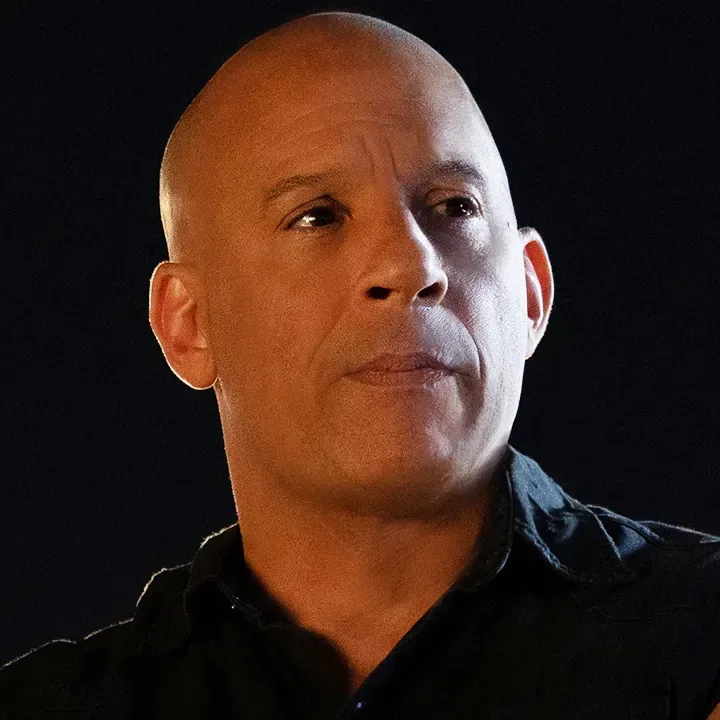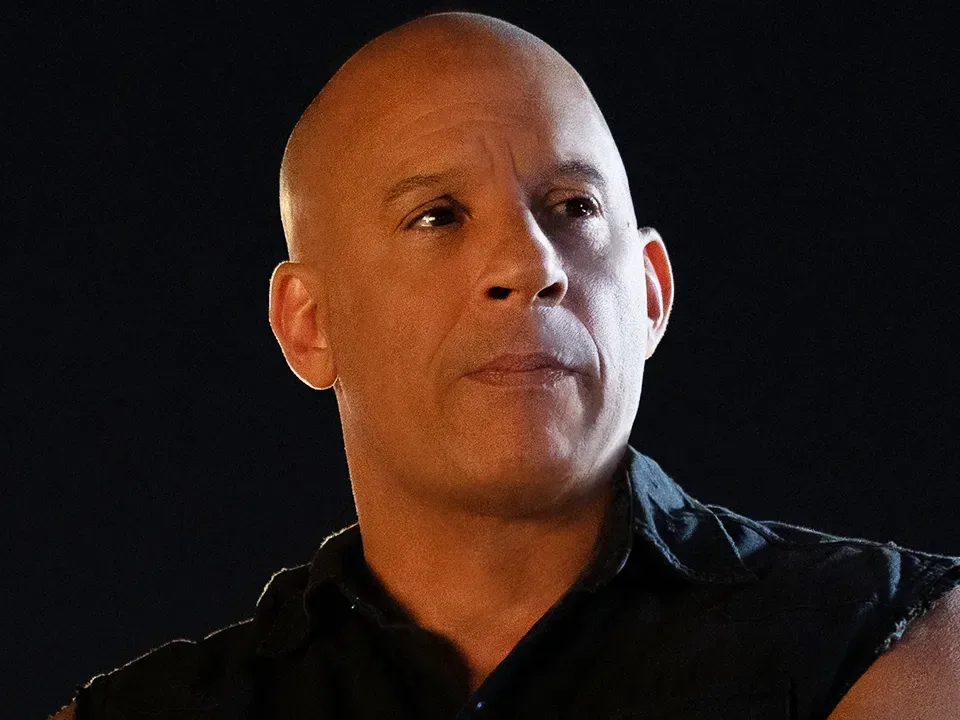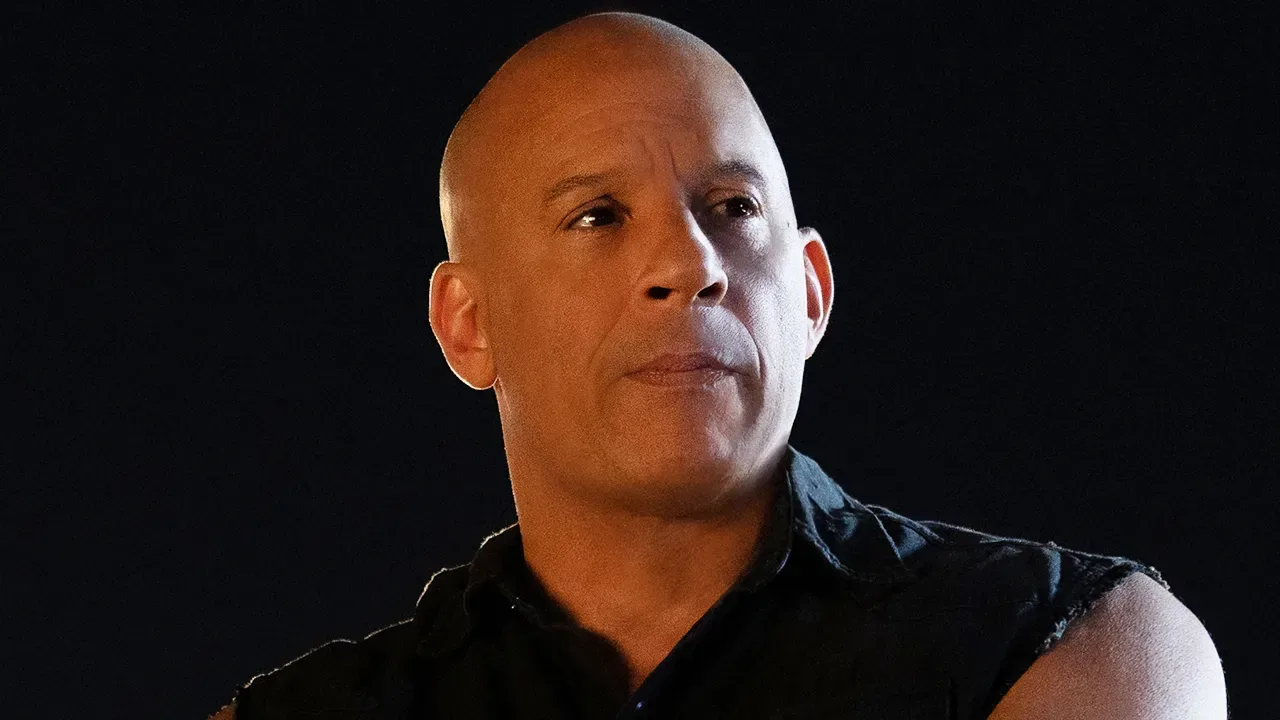
Vin Diesel has prompted a wave of online jokes after sharing a photo of himself walking with George Lucas at Los Angeles’ Lucas Museum of Narrative Art and captioning it: “Architects of mythology…”
Diesel’s post also described Lucas’ museum as “a gift to the world” and to people “who aren’t even born yet.” The sentiment toward Lucas and the museum is plainly admiring. The phrase preceding it, however, left enough room for interpretation that commenters seized on the most grandiose possible reading: that Diesel was presenting himself and the creator of Star Wars and Indiana Jones as peers in the construction of modern myth.
That may not have been what Diesel meant. He could equally have been referring to Lucas’ museum and the artists, filmmakers, illustrators, and storytellers it celebrates. But social-media captions are particularly unforgiving of ambiguity, especially when they contain a sweeping phrase beside a photo of two famous men. A few ellipses turned a museum visit into an ego-meter reading.
What Diesel actually said—and why the wording landed oddly
There are two basic ways to parse “architects of mythology.” The first is collective: Lucas and Diesel are standing in a space devoted to narrative art, with “architects” functioning as a broad label for the people who shape popular stories and images. Under that reading, the caption is reverent rather than self-congratulatory.
The second is personal: the plural implies that the two people in the picture are themselves the architects. It is this interpretation that fueled the mockery. Lucas has an unusually clear cultural association with the language of mythology because of the scale and longevity of the franchises he created. Putting one’s own name, image, or presence close to that description invites an immediate comparison—fair or not.
Diesel is not a minor figure in blockbuster cinema. He is the star and producer associated with the Fast & Furious films and has also led the Riddick movies. Those are substantial franchise credentials. Yet “mythology” is an especially loaded word in fan culture. It usually suggests a fictional canon that accumulates characters, lore, iconography, origin stories, moral conflicts, and generations of audience attachment. The word is not simply shorthand for “a successful film series.”
That distinction helps explain the reaction. Online humor often turns on a mismatch between elevated language and the audience’s sense of proportion. The jokes were not necessarily a verdict on Diesel’s body of work; they were a response to the comic possibility that a caption meant as tribute could sound like a self-coronation.
“Mythology” is not a neutral piece of franchise vocabulary
In entertainment discussion, mythology can mean a story world’s internal history and rules: the parts fans track across installments, from recurring characters to major events and fictional institutions. It can also mean something broader: a work’s position in public culture, where images and ideas become instantly recognizable beyond their original format.
Lucas’ name carries both meanings. Star Wars and Indiana Jones are not merely titles attached to individual movies; they are long-running bodies of work that have become reference points in popular storytelling. That is why the phrase “architect of mythology” sounds immediately plausible beside Lucas, even before anyone debates its exact definition.
Diesel’s franchises operate in a different register. Dominic Toretto, cars, elaborate stunt escalation, and the idea of family are central pieces of Fast & Furious identity; Riddick has its own science-fiction world and title character. Fans can reasonably describe both as franchise worlds with established continuity. The online punchline arose because the post appeared to collapse the distinction between participating in or shepherding major franchises and being placed in the same mythmaking bracket as Lucas.
That is a subjective cultural judgment, not an objective measurement. There is no governing body that awards mythology status. Still, Diesel’s vague wording meant the public was left to fill in the blank, and the internet almost always fills an unclear blank with the funniest interpretation available.
The museum context makes the generous reading credible
The setting matters. Diesel was visiting the Lucas Museum of Narrative Art, a new Los Angeles institution associated with Lucas. A museum dedicated to narrative art naturally provides a setting for talking about artists and visual storytellers in lofty terms. In that context, “architects of mythology” may be aimed less at an individual hierarchy and more at the larger creative work represented by the institution.
Diesel’s follow-up thought—that the museum will matter to future people—also centers the museum’s intended legacy rather than his own career. Read as a whole, the post can be understood as praise for a cultural space designed to endure and introduce narrative art to audiences yet to come.
But captions do not always get read as a complete statement. The first phrase is the one that circulated, and its placement next to a photo of Lucas and Diesel did the rest. Social posts are often judged as miniature public performances, where tone is inferred from a handful of words. A less ambiguous caption might have clarified whether Diesel was calling Lucas an architect of mythology, describing the museum’s mission, or celebrating a broader community of storytellers. Instead, it created a syntax puzzle, then handed it to people who enjoy turning celebrity grandeur into a meme.
Diesel’s public persona is part of the joke
The reaction also draws from Diesel’s established public image. He is frequently perceived as someone with a sizable sense of his own significance, a reputation reinforced by years of public attention around his career, his franchise stewardship, and tensions involving former Fast & Furious co-star Dwayne Johnson.
That history gives a seemingly small caption more comic force. If another actor had posted the same wording, readers might have passed it by as ordinary museum praise. When it comes from a star audiences associate with self-serious blockbuster rhetoric, the wording is more likely to be read through that lens.
That does not establish intent. Public persona is not proof that someone meant the most boastful version of a statement. It does explain why the phrasing was received the way it was. Celebrity posts exist at the intersection of what was written and what an audience expects the author to be like. Diesel’s caption ran into that intersection at high speed.
It is also worth separating the joke from the facts available. The post does not explicitly say, “George Lucas and I are equal creators.” It uses a plural phrase without spelling out who belongs in it. The online mockery comes from that uncertainty, not from a direct claim that can be quoted back as a literal comparison.
Franchise identity remains central to Diesel’s next steps
The timing is notable because Diesel’s best-known screen persona is still headed back to the foreground. He is set to reprise Dominic Toretto in Fast Forever, and Diesel has said filming begins in December. The film is scheduled to arrive in theaters in March 2028.
Meanwhile, Universal Studios Hollywood has launched Fast & Furious: Hollywood Drift, a theme-park attraction that gives the series another physical presence while audiences wait for the next movie. Theme-park attractions are one practical marker of how a screen franchise extends beyond its films: a property’s characters, aesthetics, and signature thrills are translated into an experience people can visit rather than simply watch.
That does not settle the mythology argument, but it does show the continuing reach of the Fast & Furious brand. Diesel’s association with Dominic Toretto remains a major part of contemporary blockbuster culture, and the attraction plus the planned film underline that the franchise has not reached the finish line.
Hollywood’s continuing appetite for recognizable worlds also makes terminology like “mythology” tempting. Studios, audiences, performers, and creators all benefit from language that presents an ongoing series as more than a sequence of releases. Elsewhere in pop culture, questions of legacy and character ownership keep surfacing in projects such as the developing discussion around casting Snake Plissken in a new Escape From New York. Familiar characters bring their own accumulated expectations before a new production even begins.
A brief caption, a very large comparison
Ultimately, the whole episode is less about a definitive answer to whether Diesel “counts” as an architect of mythology and more about how easily lofty language creates an unintended competition. Lucas was already an immense symbolic figure in the photograph. Adding a plural label without identifying its subject made Diesel, whether he intended it or not, part of the comparison.
The charitable interpretation is that Diesel was celebrating Lucas, the museum, and narrative artists whose work reaches beyond their own lifetimes. The jokier interpretation is that Diesel saw a chance to stand next to George Lucas and declare the pair co-designers of humanity’s imaginative infrastructure. The available wording supports the first reading, while the image and Diesel’s reputation make the second one irresistible to many observers.
For now, the post stands as an efficient reminder that “architects of mythology” is a phrase with too much cultural weight to leave floating in an Instagram caption. Lucas may have built galaxies and archaeological adventures. Diesel has built a durable high-octane franchise around Toretto. Whether those are comparable forms of mythmaking is precisely the debate—and the joke—that the wording accidentally invited.