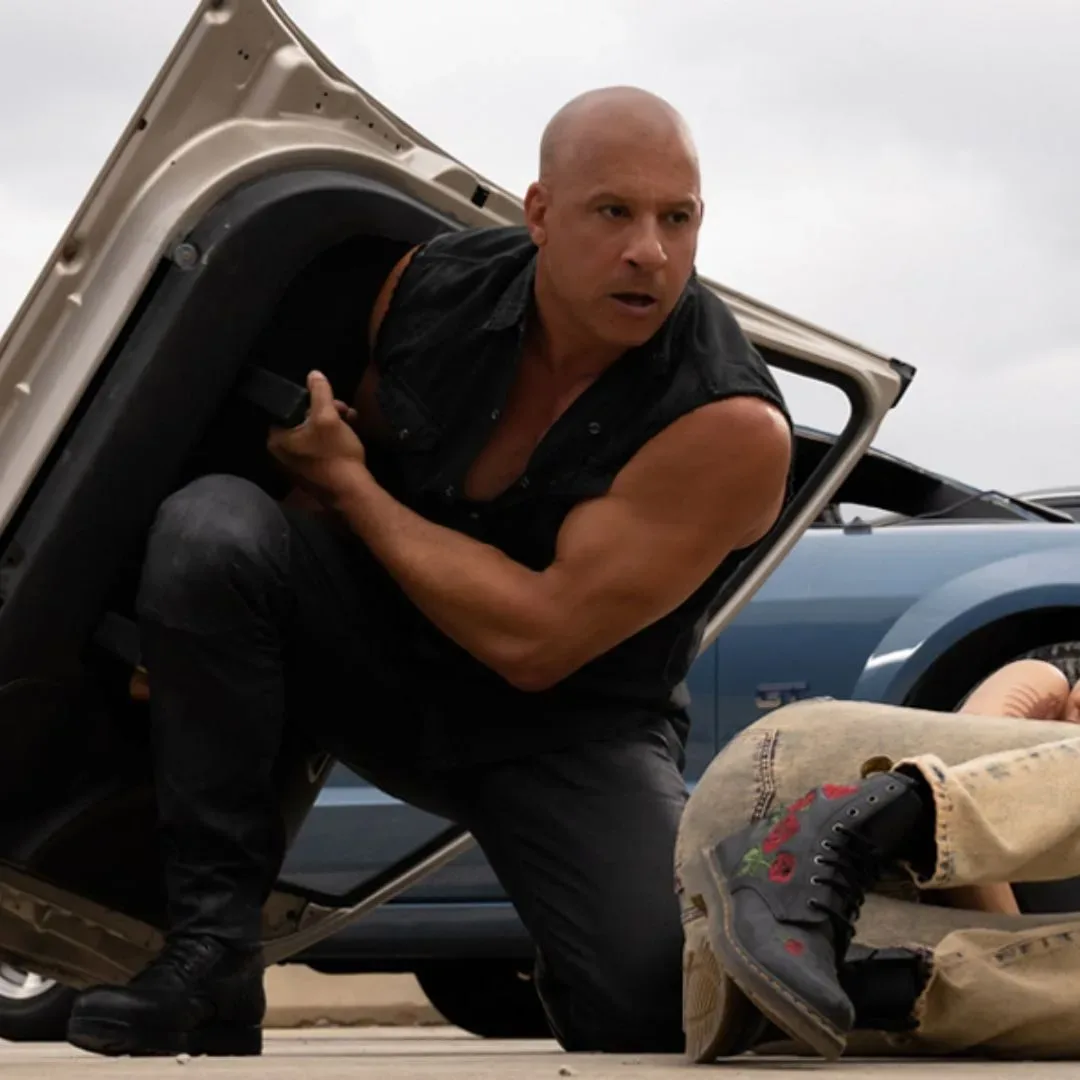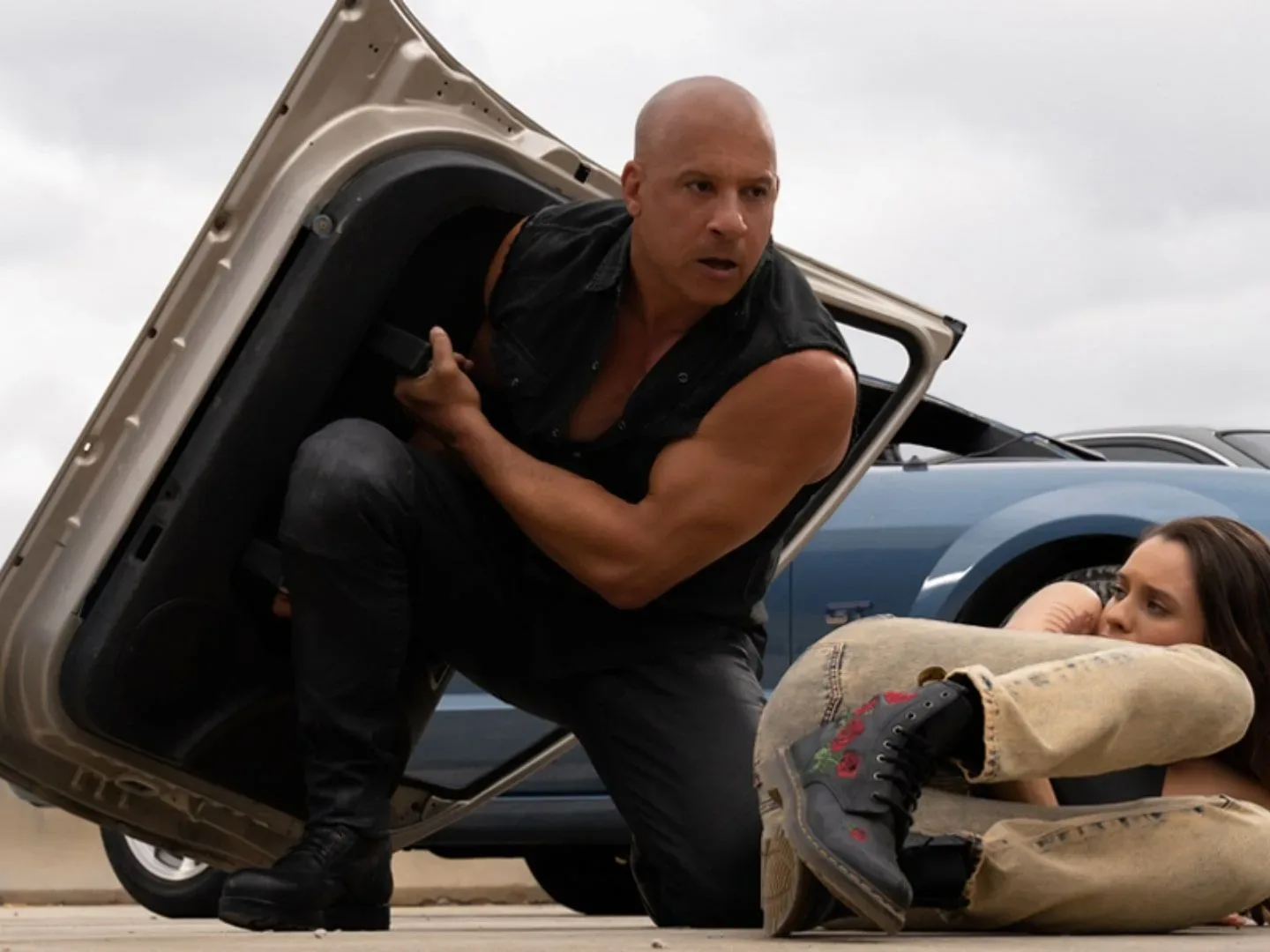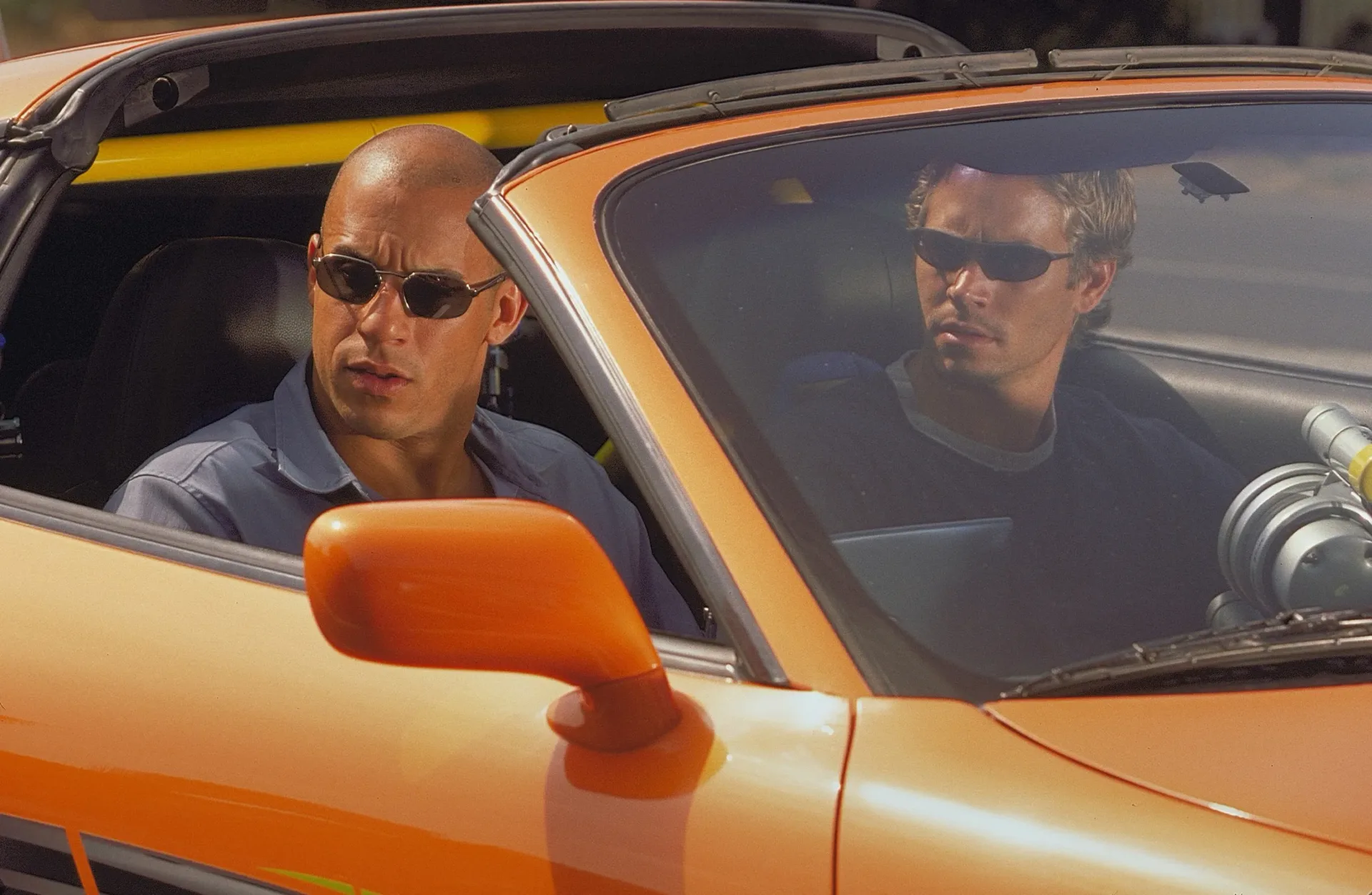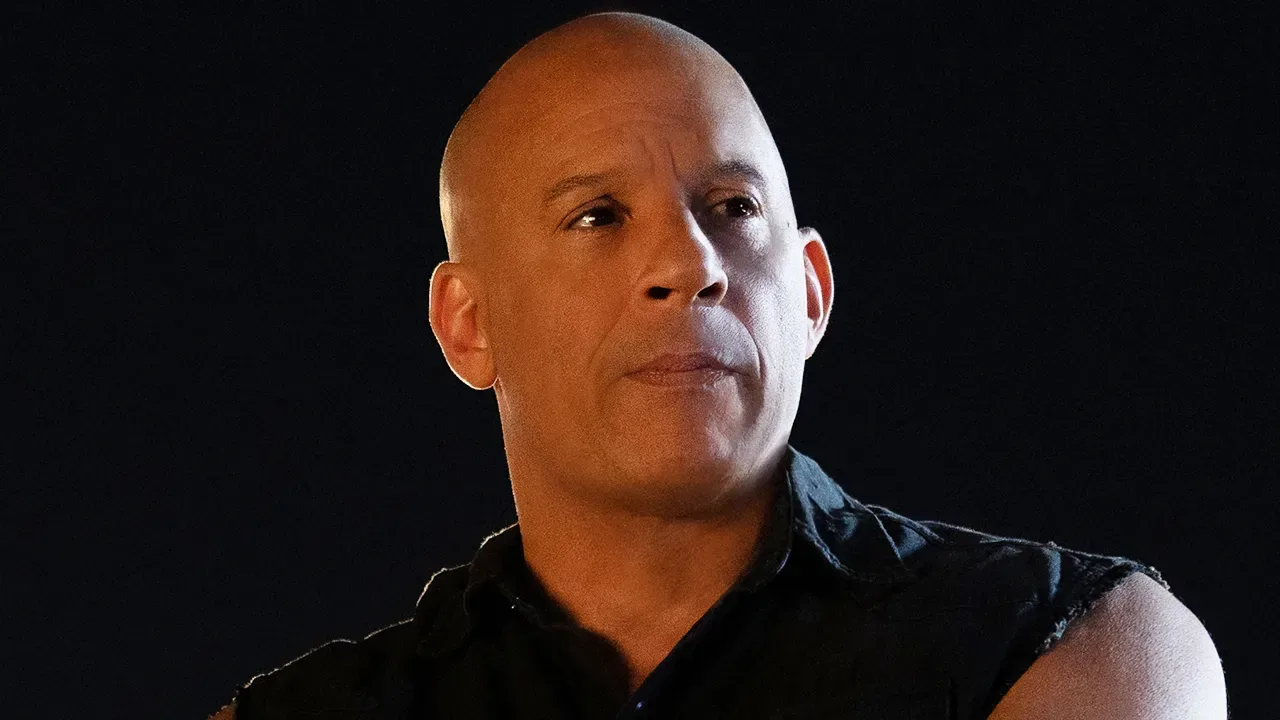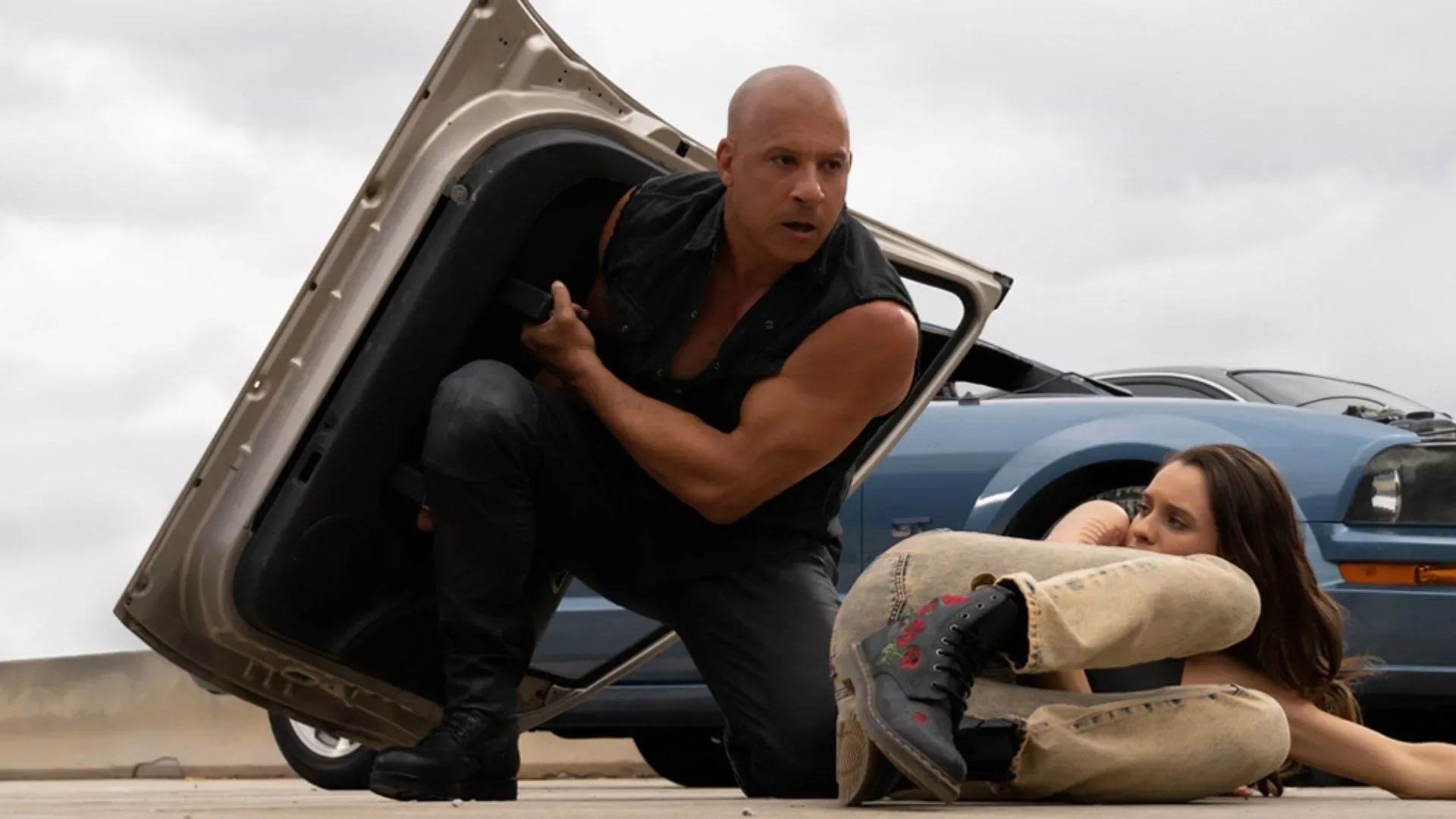
Fast & Furious is taking another route beyond the cinema screen. A television spin-off set in the franchise has been greenlit for Peacock, keeping the property in motion as the film series approaches its stated finale, Fast Forever. The new series is currently expected in 2028, the same general timeframe attached to the final movie.
There is a great deal still unknown. No premise, episode count, character lineup or casting has been confirmed, and there is no indication yet that any principal film performers will return. Those absences matter: Fast & Furious has become a particularly character-driven action brand, one whose appeal rests as much on its chosen-family relationships and recurring personalities as it does on high-speed spectacle.
What is confirmed is the creative pairing at the wheel. Mike Daniels and Wolfe Coleman are set to helm the Peacock project and write its script. Daniels’ producing credits include Sons of Anarchy, Pan Am and Shades of Blue; Coleman worked with Daniels on Shades of Blue. Their appointment gives the still-unnamed series an early creative foundation, but not yet a clear answer to the biggest question: what does Fast & Furious look like when its story is designed for television?
A franchise extension, not a confirmed continuation
“Spin-off” is an intentionally broad label. It can describe a show starring familiar supporting characters, a new cast working elsewhere in the same fictional world, or a story that runs alongside events audiences know from the films. At present, none of those options has been specified for Fast & Furious.
That distinction is worth keeping clear while details are limited. It would be premature to assume the show is a direct sequel to Fast Forever, a prequel, an adaptation of a particular film storyline, or a vehicle for a specific legacy character. Likewise, a greenlight means the project has approval to move forward; it does not itself establish a release date, production start, cast or final creative approach.
The 2028 expectation places the series close to a moment of transition for the franchise. If the film finale is intended as an emotional goodbye, the television project could serve as a way to continue exploring the larger setting without automatically undoing the finality of that farewell. That is analysis rather than confirmed plot information, but it explains why the timing is notable: a TV series can extend the universe while allowing a movie storyline to retain a sense of closure.
Vin Diesel’s case for the move to television
Vin Diesel had already addressed the possibility of Fast & Furious expanding to TV in May, during the NBCUniversal Upfronts. He described a long-running audience desire for more stories involving the franchise’s legacy characters.
“As you all know, we are very precious about these movies but over the last decade, we've realized that the fans have wanted more, they wanted us to expand the legacy characters, their stories, and for the last decade, the desire has been for us to enter the TV space.”
His phrasing presents television as an expansion of the franchise’s storytelling capacity rather than simply another place to stage bigger vehicle stunts. Films have finite running times and typically concentrate attention on a central event. Serial television, by contrast, is built around episodes and ongoing arcs. That structure can offer more room for relationships, individual character histories and consequences to develop over time.
Whether the new Fast & Furious series uses that opportunity is unknown. Still, Diesel’s emphasis on “legacy characters” signals the priority he sees in a television adaptation: maintaining the human connections audiences associate with the films. It is not a confirmation that particular characters will appear, and fans should not read it as one. But it does identify the franchise values its most prominent star believes must survive the format change.
Diesel also expressed confidence that the move would preserve the property’s identity under NBCUniversal television leadership, specifically pointing to character integrity, international appeal and the sense of family at the center of Fast & Furious.
“I knew that the integrity of the characters, the international appeal, what makes us all feel like family will be protected in the TV space.”
“Character integrity” is an especially meaningful term for a franchise spin-off. In practical storytelling terms, it means that established personalities should behave in ways consistent with the traits and relationships viewers recognize. For an entirely new ensemble, it can also mean that the show’s tone and values feel connected to the broader franchise rather than merely borrowing its name and automotive imagery.
Why the missing details matter
The lack of announced cast is not a minor footnote. A returning performer could tell viewers that the series sits close to the movies’ core story, while a new group of characters could suggest a broader world with a different entry point. Either path can work, but they promise different things.
A show centered on an established figure would arrive with immediate emotional shorthand: viewers already know their history and motivations. A fresh ensemble would have more freedom to establish its own dynamics, though it would need to earn the audience’s investment without relying exclusively on familiar faces. A hybrid is also possible in theory, but there is no evidence yet to treat any of these directions as the chosen one.
The same restraint applies to action. Fast & Furious is associated with cars and large-scale set pieces, but the project has not announced its budget, production model or action format. There is no basis yet for claims about specific vehicles, stunts, locations, villains or crossovers. The most useful takeaway is simply that Peacock has ordered a Fast & Furious TV spin-off and put Daniels and Coleman in charge of shaping it.
Fast Forever remains part of the picture
The show’s projected 2028 window overlaps with Fast Forever, described as the final film in the Fast & Furious franchise. Diesel has said that he went through four sets of writers in pursuit of the right story and characterized the eventual result as an emotional farewell.
That development history should not be overread as a production roadmap, but it does underline the care being placed on the film’s ending. A final chapter has an unusual burden: it must work as a movie in its own right while also carrying the weight of years of audience attachment. Diesel’s comments suggest that finding the appropriate ending required multiple writing attempts before the story felt right.
For viewers, the parallel TV development means the word “final” needs a little precision. It refers to the movie franchise’s planned concluding film, not necessarily the end of Fast & Furious as a screen property. The greenlit Peacock series makes that difference concrete. The theatrical saga may be approaching its goodbye, while television becomes a possible home for further stories connected to its world.
That approach is also a reminder that an ending and an expansion are not automatically contradictory. One narrative can reach its intended endpoint, while another begins elsewhere with a different focus. The success of that handoff will depend on choices that have not yet been revealed: who the series follows, how it relates to the films, and whether it can retain the emotional identity Diesel highlighted.
What fans can responsibly expect now
For now, anticipation should stay rooted in the announced facts. Peacock has greenlit the Fast & Furious television spin-off; Mike Daniels and Wolfe Coleman will helm and write it; and 2028 is the current expectation. The final film, Fast Forever, is also in that timeframe.
- Confirmed: A Fast & Furious TV spin-off is moving forward at Peacock.
- Confirmed: Mike Daniels and Wolfe Coleman are attached to lead the show and write its script.
- Confirmed: The series is currently expected in 2028.
- Not confirmed: The show’s title, plot, cast, episode count and relation to any specific film storyline.
- Not confirmed: Whether Vin Diesel or other main film cast members will reprise their roles.
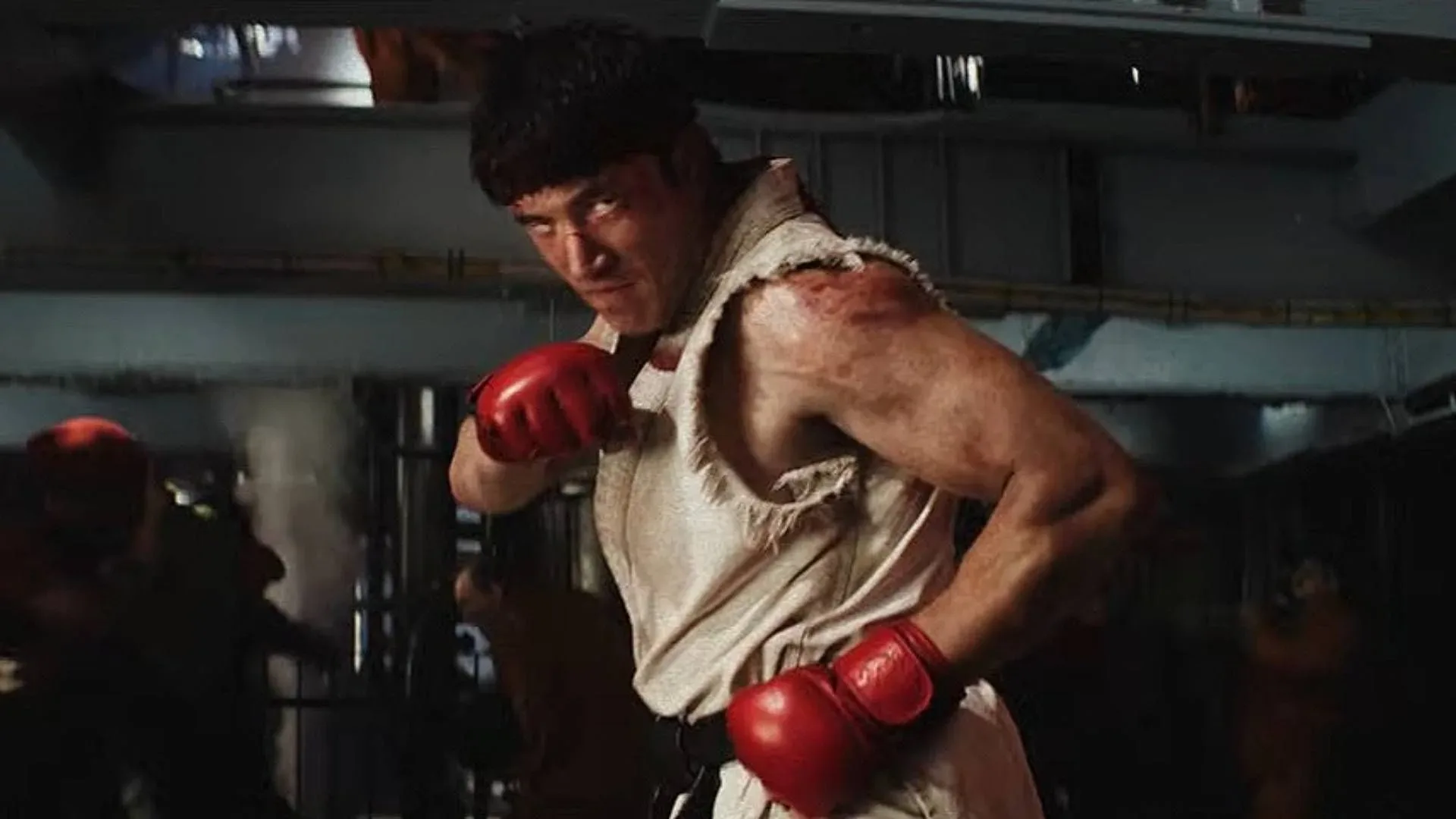
Until Peacock shares more, the development is best viewed as a promising but early-stage expansion rather than a fully mapped next chapter. It offers Fast & Furious fans a reason to watch the horizon beyond Fast Forever, even as the movie series prepares its farewell. For another example of a game-rooted combat legacy making its way toward the screen, see the Street Fighter movie’s inclusion of Justin Wong and Evo Moment 37.